
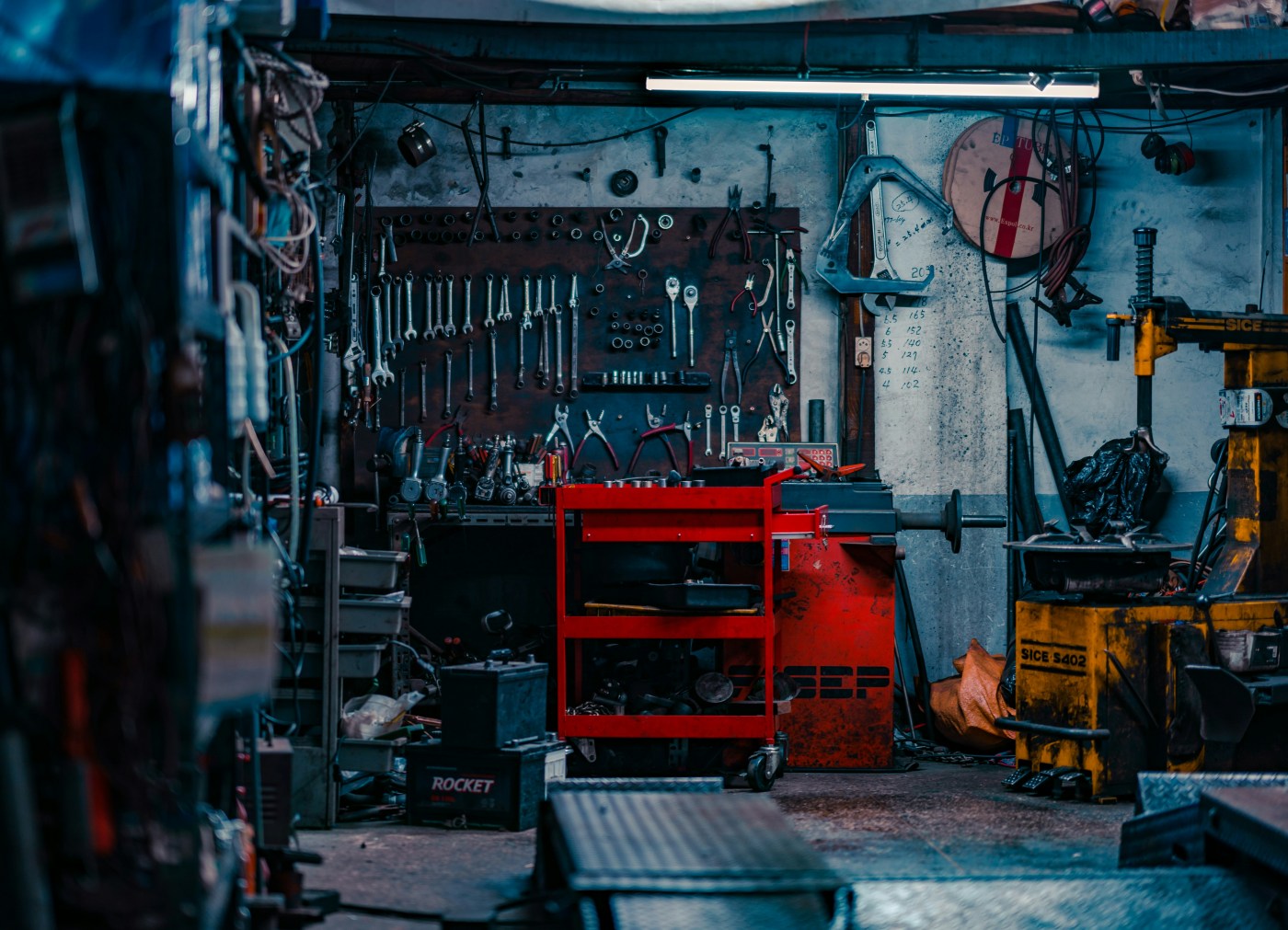
I am the type of person who generally likes to take care of things myself. I don’t think it’s a pride thing, but perhaps it is. But if something needs to be fixed or upgraded, and it feels like it’s reasonable for me to take on, I’ll usually try doing it first. That includes car and home maintenance. I think those are good traits to have, but I am prone to taking it too far and getting in over my head. Magz has been great at helping me find balance in being self-sufficient without taking on too much. In the past, I have changed brakes, replaced an alternator and starter, done lots of plumbing work, and installed a ceiling fan. But I’ve also passed on replacing the exhaust on our Subaru and installing a new hose spigot after the old one rusted and broke.
In general, those decisions have worked out. The alternator and starter work went well, we haven’t had any leaks following the plumbing work I’ve done, and our ceiling fan still works. Similarly, I got to watch a professional plumber replace our hose spigot and could probably do it myself in the future. But I’m currently in the midst of trying to complete a job out of self-sufficiency and have encountered so many hiccups.
Problematic Brakes
The job mentioned above is a brake issue on our 2009 Subaru Forester. We both love this car. It has a manual transmission, only has 113,000 miles on it, is a beast in snow, is very comfortable, and is able to tow. I’ve had it since 2014, and even though there have been many times that we considered selling it, we’ve always held onto it. That’s partially because we are emotionally connected to it, but also because we don’t have a car payment for it, so we’re saving money by keeping it.
Over the years, I have always tried to do maintenance work on it, including the alternator, starter, brake jobs, oil changes, transmission fluid changes, differential fluid changes, and cosmetic work. But I’m currently running into an issue with it. For a year or so now, we’ve noticed a metallic rubbing noise coming from the front driver-side wheel that’s similar to when a rotor is hung up. But because the rotors are fairly new, I didn’t think that was the culprit. The rotors also weren’t questioned when the car was inspected in February. So, I ordered and changed the brake pads on all four wheels in August or September. That didn’t fix the grinding noise, and in early October, I began noticing a lot of brake dust coming from that same wheel as well as some sponginess in the brake pedal. There was also the occasional smell of burning brakes.
Replacing the Calipers
I did some thorough research and felt confident that the calipers were the problem. This made sense since I’ve never changed them in the 12 years I’ve had the car, and there’s even a chance that they were the original ones when the car rolled off the assembly line in 2008. After watching a couple of videos, I felt confident that I could tackle this job myself despite never changing calipers before. I ordered a set for the front wheels a few days later but then was unable to work on them because I cut my hand and was battling some plantar fascitis in my foot. Finally, two weekends ago, I started working on them, and apart from dealing with rusty bolts, they went on well, and things were looking positive. I did run into issues with bleeding the rear calipers, which weren’t replaced. The first problem was that I didn’t have the correct size of crescent wrench to bleed them, and I couldn’t make any of the adjustable wrenches or pliers that I have work. The bleeder screws were also very rusty. Getting frustrated and with the sky getting dark, we decided to only focus on the new front calipers and bled those (I think) correctly.
However, when I started the car, I noticed that I had very little brake pressure in the pedal, and when I reversed the car out of the garage, there was a big leak on the ground from the front passenger-side caliper. Demoralized and sad, I had a quick look at the caliper with the wheel still on and couldn’t see where the leak was originating. Because that was a Sunday, I knew that I’d be unable to get back to the job until the following weekend, but I thought it was just going to be that I didn’t seat the brake line to the caliper correctly. And I also thought that with the correct wrench, I could bleed the rear calipers, which would address the sponginess.
Fast-forward to the following Saturday, and I went outside with confidence that I’d be able to fix the issue. I started by pulling the front wheels and tightening the brake line connector. The passenger-side connector wasn’t as snug as it could have been, so I tightened it, which I think addressed the leak. However, when I attempted to bleed the rear brakes with the new wrench, the bleeder screw wouldn’t budge. I sprayed anti-seize on it, tried larger and smaller wrenches, and even lightly tapped it with a hammer, but nothing worked. Eventually, I gave up because it was raining and getting cold and accepted the fact that the rear calipers would also need to be replaced so that the entire brake system could be bled.
That brings us to where we’re currently at. I ordered rear calipers last weekend, and they arrived yesterday, so we’ll be replacing those this weekend. I even bought extra caliper bracket bolts and more brake fluid to try and cover as many variables as possible. I think this should address the issue, but that isn’t a guarantee. But I do know that I’m very interested in seeing this issue through to the end.
The Ups and Downs of Trying to Be Self-Sufficient
I think this issue with the brakes is a perfect example of how frustrating trying to fix things on your own can be. Problems are often not solved on the first attempt or as easily as you hope they will be. And sometimes it takes multiple attempts before you find the actual source of the issue before you can even begin to fix it properly. I think there also comes a time when you need to be willing to cut bait and let a professional help. But I’m not there yet with this issue. When it comes to brakes, there are only so many components that can be the issue, and you can meticulously and methodically work your way through them until you diagnose the problem. So I’m still feeling confident.
I also enjoy the feeling of accomplishment when you solve something that has been giving you a difficult time. And even though I get frustrated in the moment, I enjoy the process of solving the puzzle and learning new skills. Because once you fix something the first time, you have the experience and knowledge to do so again. No longer is it new. Society is so quick to throw things out and start anew. We write off cars quicker than ever even though they cost more to replace than they did in the past. Components are designed to become obsolete within a set time period. So it feels really good to stick with something, work on it, and not give up on it.
Do you enjoy working on things? If so, what kind of projects have given you the most trouble? Also, if you’ve encountered issues when changing brakes, I’d love to hear how they were remedied.


Leave a Reply