
For the most part, our fence has done a really good job of keeping animals out of our garden. Last year’s garden and issues with rabbits, squirrels, deer, and potentially raccoons getting into it. The deer were the most destructive. They tore through the mesh fence we had, snapped our stakes, and ate corn and melons. Near the end of summer, we basically gave up on sections of the garden because we knew we couldn’t prevent them from getting in. To this point for this year’s garden, things have gone pretty well. We’ve had problems with rabbits getting in since they can chew through our plastic snow fencing, but they haven’t been too destructive. We don’t think we can prevent them from gaining access, so we just try to distract and deter them.
Before we installed our fence this spring, we saw a lot of evidence of animals in our freshly tilled beds. There were deer hoof prints, lots of rabbit poop, prints that could have been from a dog, and few piles of unidentifiable poop. But because we have dogs in our neighborhood, didn’t have our fence up yet, and hadn’t planted anything, we didn’t think too much about it. Later, after the fence was up, we still had animals getting into our garden beds.
What Animals Do We Have in the Garden?
By far, the most common animal we have in the garden, besides birds, is a rabbit.
We Can’t Say “No” to Rabbits
We’ve had two rabbits who’ve been around our garden since spring. They’ve essentially made our yard their home, which we’re okay with. The two of them seem to live in a burrow at the back edge of our property and like to come out and explore our yard in the mornings and evenings. We absolutely love rabbits, as you know by the affection we have for our pet bunny, Mia. And even though Eastern Cottontails aren’t considered endangered, their habitats are always at risk due to urban sprawl and development, so we’re thrilled to offer them a space where they’re safe. They like to take refuge in a brush pile behind our garage as well as under a hibiscus bush we have at the side of our house. They’ve also gotten quite comfortable around us, which is cool but not all that good when it comes to getting them out of our garden. When we see them in the garden, we’ll go open the fence and go inside as well and try to calmly “guide” the rabbits toward the gate opening. Eventually it works, but there are times when they’ll run full speed at the fence, which isn’t fun. That last thing we want is for the rabbits to get hurt.
Even though our fence is much stronger than last year’s, it’s no match for rabbit teeth, which chew through it in record time. They’ve chewed small holes in the fence and know how to enter and exit each bed. We tried to deter them with Irish Spring soap and aluminum baking pans, but neither has worked. We also tried to repair the fence by installing a piece of pressure-treated wood over the holes, but they just chew new ones, so we aren’t doing much to address the issue this year. We do have plans to fix it for next year’s garden, though.
Once inside the garden, the rabbits aren’t too destructive. They used to chew on the young corn stalks but stopped after realizing they don’t like the taste. They also chewed down a couple young sunflower plants, some cucumbers, and a melon that was close to being ripe, but it hasn’t been too bad. It’s a small price to pay to keep wildlife around.
How High Can Deer Jump?
Our fence stands four feet above the ground. I know that deer can jump higher than this, but when combined with growing plants right up against the fence, I thought it’d be enough to keep them out. Then, when we saw hoof prints in the garden earlier this summer, I increased the height of the fence posts and ran twine around the perimeter of the garden, about two feet higher than the top of the fence. This idea came from our neighbor, and, in theory, it makes it impossible for deer to get into the fence other than at the gate. However, in spite of this, we saw a hoof print in the soil on Sunday. I thought it was a fresh one, but I’m not wondering if it was an old one that was covered by plants and grass. That would make me very happy. I think that as long as we grow corn and aren’t willing to put up an eight-foot fence, we’ll have to deal with them.
What Poop Is This?
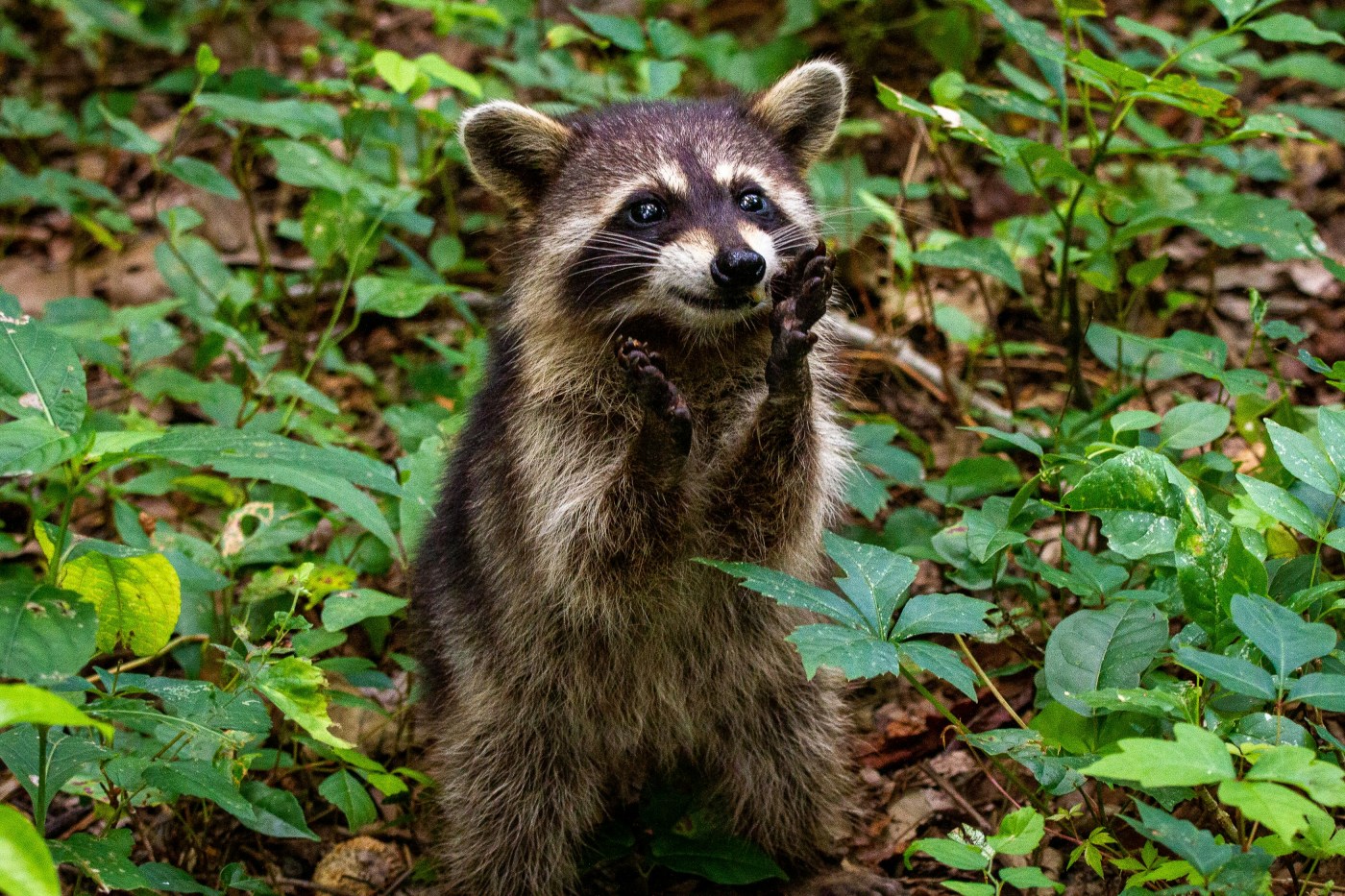
Don’t worry. There will be no poop pictures in this blog post. For the second time this year, we have animal poop in our garden that I can’t identify. In spring, I thought the poop was some sort of a canine, perhaps a coyote, fox, or dog that got loose. We even saw canine footprints in the dirt. On Sunday, we saw two fresh piles in our garden. It was reminiscent of dog poop but slightly different in shape, and the color was odd. It confused both Magz and me, and we soon started researching what animal it could have been from. After looking into it, we still aren’t completely sure, but I think we’ve narrowed it down to a fox or a raccoon. This pile looks a bit like both animals’ poops, but because we can’t find any footprints, it’s hard to tell. Both animals are common in our area, and of the two, we’d prefer it to be a raccoon, but I’m unsure how it would have gotten in. Raccoons don’t jump like foxes do, and our fence was up, albeit down a bit, when the animal would have entered.
Either way, I never expected that a portion of gardening would consist of identifying unknown animal scat to figure out what animals are getting into our garden. Hopefully, this is a one-off, and it doesn’t continue. I think this will improve each year as we further address our fencing. Have you had animals get into your garden? If so, what animals were they and how did you deal with it?


Leave a comment