Weekly Garden Update #6 – Melon or Pumpkin?

In this week’s gardening update, I’m mainly going to focus on a plant that was supposed to be a melon but is looking more like a pumpkin with each passing day. Additionally, I’ll go over some of the harvesting that we’ve done as well as what we’re seeing in the garden. Let’s dive in.

Is It a Melon or a Pumpkin?

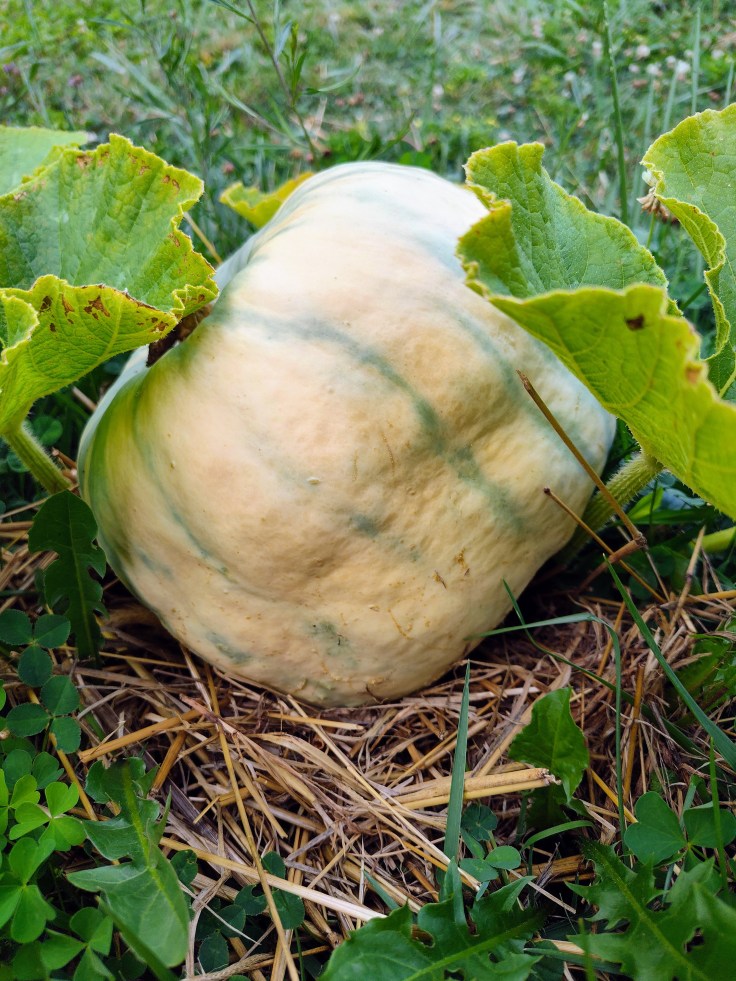
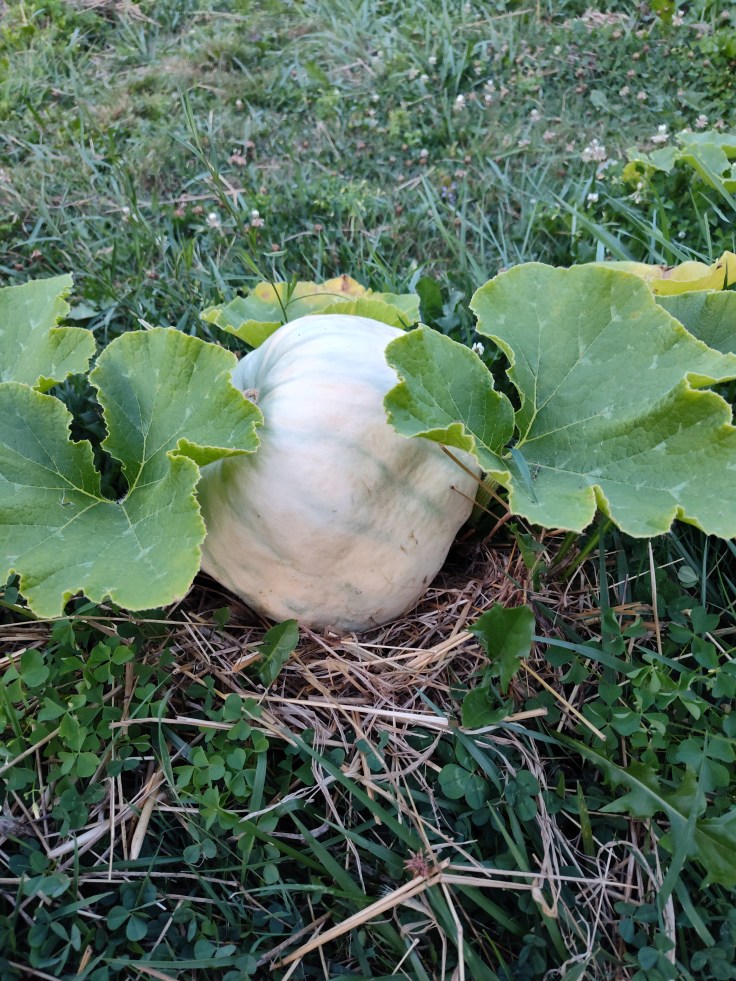
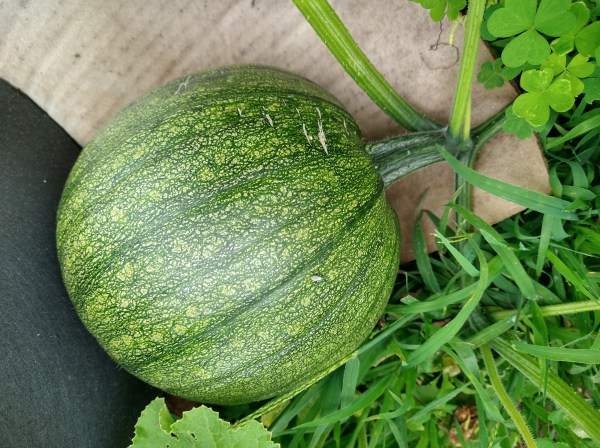
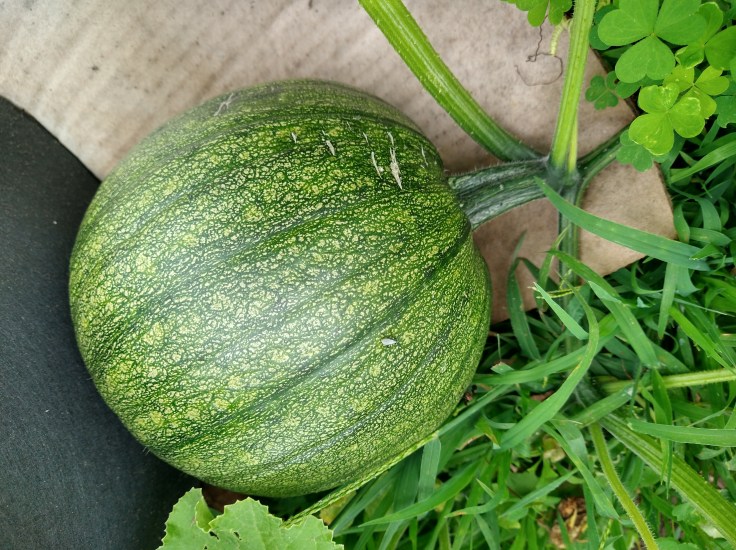
One look at this picture, and it’s obviously a pumpkin, right? That’s what we’re thinking now too. The skin is giving off serious pumpkin vibes, and the stem is thick and curved much like a pumpkin. Heck, even the leaves look like pumpkin leaves. And I expect that by early September it should begin to turn orange. So why did we think it was a melon? The answer is simple: we didn’t plant any pumpkins in this bed this year. In this section of the bed, we planted three varieties of melons, and for most of the plant’s life, I thought it was a melon plant. I obviously wasn’t paying attention to the leaf shape, which looks nothing like a melon leaf. This begs the question of how do we have a pumpkin when we didn’t plant pumpkin seeds?
Pumpkin
This pumpkin started out as a melon, or so we thought.

I think there are only two possibilities. One is that the envelope of Cream of Saskatchewan melon seeds we received actually had pumpkin seeds in it. I don’t think this is the case because I believe I would have noticed if the seeds looked like pumpkin seeds rather than watermelon seeds. Also, in this same row, we have several melon plants growing, so I’m confident we received and planted the proper seeds.

The other possibility is that this seed was left on the ground from last year and grew this spring. I’m confident this is what happened. We grew pumpkins in this bed last year, including a New England Sugar Pie variety, which is what this pumpkin looks like. There were a couple of pumpkins that deer started to eat, allowing seeds to fall on the ground. Then, this spring, I likely tilled them into the soil when I was turning it over, allowing this seed to germinate and grow. It’s similar to the rogue tomato plants we have in this same bed. Those are also growing well. I’m getting a kick out of how this happens, and we’re pretty happy with this pumpkin plant since the plants we’re intentionally growing aren’t doing all that well.

Squash, Beans, and First Tomato

We’re continuing to harvest summer squash, with the yellow crooknecks being ready to pick. We’ve also been picking more Costata Romanesca and Lebanese White Bush and have learned the importance of consistent watering and waiting until the vegetables are fully ripe before picking. One of our Costata Romanescas was firm for about 75 percent of its length before tapering to a soft section in the last 2 inches. We picked two Lebanese White Bushes. One was white and the other was a pale green. We learned that they need to be white before picking because it indicates full ripeness. We’re also starting to see the first patty pan squashes growing on the plants. Last year, these were our favorite summer squash to eat, so we’re really excited to be able to eat them again soon.

One thing I can’t figure out is why our winter squash have done nothing. We planted a couple varieties with multiple plants of each variety. Some of the plants have completely died off, while others haven’t taken off, and we haven’t seen any fruit development. It’s a similar story with our intentionally planted pumpkins. I’m unsure if this is the result of the intense heat wave we had in June or something else, but last year, our winter squash grew very well.

We continue to have an excellent year for beans. We’re picking a batch of them every couple of days and have been enjoying eating our fresh snap and wax beans. We’re also seeing pods on our shelling beans, which is really exciting.

Cherokee Wax, Blue Lake Bush, Iroquois Skunk Pole
Cherokee Wax, Blue Lake Bush, Iroquois Skunk Pole Beans

Finally, we harvested our first tomato last night. It was a cherry tomato was delicious. Our tomatoes have been kind of weird this year. The plants took off after being transplanted into the garden, but inconsistent watering, weed issues, and uneven temperatures led to some issues. At one point, it looked like most plants were going to die, but that’s no longer the case. There are a lot of tomatoes growing and starting to turn red, but the leaves are still brown and don’t look healthy. I’m choosing to focus on the positives in that we’re going to be able to harvest tomatoes from plants that don’t look great while thinking about ways to improve next year.

Cucumber Bitterness

One of the most disappointing vegetables this year has been our cucumbers. Like our tomatoes, the plants took off after being transplanted, but a combination of not remembering how far the Bushy variety spreads and not being able to see the vegetables below the leaves has made it difficult to pick the cucumbers at the ideal size. And the flavor of these cucumbers has been hit and miss. Some have been amazing and similar to the freshest-tasting cucumbers I’ve ever eaten. Others, though, have been bitter and not pleasant to eat. This was due to the heat wave we had in June since cucumbers are apparently very heat-sensitive and respond to it by developing thicker skins, which causes bitterness. We may take a year off from growing cucumbers next year because they’re a bit finicky and annoying to grow. But when we do grow them again, I want to find a variety that is less heat-sensitive because we tend to get one weeklong heatwave each summer.

Up Next

Do you have any experience with cucumbers being bitter? If so, do you have any tips for addressing the issue at this point in the summer?

A Parade of Pumpkins

Just a brief Friday post to end the week and show all the different shapes, sizes, and colors that pumpkins, squashes, and melons come in.

New England Sugar Pie Pumpkin

A classic pumpkin that is commonly used in baked goods due to its sweetness. These pumpkins stay relatively small (less than 5 pounds), and the one shown in the picture below likely won’t grow much bigger. These will ripen to the classic orange color that we all know.

New England Sugar Pie Pumpkin

Seminole Pumpkin

This is the most recent of our pumpkins/squash to produce identifiable fruits. The Seminole pumpkin is green throughout much of its growing process before ripening to a tan/buff color. These won’t get much bigger than they are now – about 6 inches in diameter.

Seminole Pumpkin
Seminole Pumpkin

Candy Roaster Melon Winter Squash

This Candy Roaster Melon is easily the largest of our fruits to this point. It’s currently about the size of a basketball. This variety can range from 6 to 30 pounds. Ours is probably somewhere in the middle of that range. When fully ripe, it will be a vibrant orange color with green stripes.

Candy Roaster Melon
Candy Roaster Melon

Ali Baba Watermelon

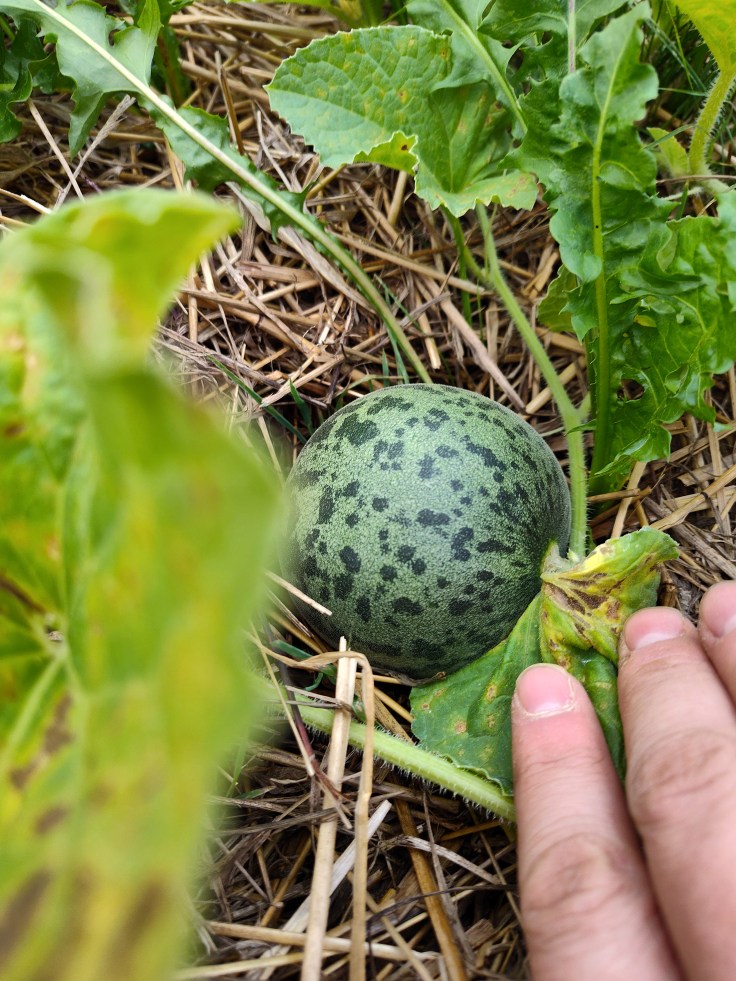
We have several watermelons on the vine, but this one is the largest. It’s about the size of a college-size football and could reach 30 pounds. Unlike other varieties that have a dark green color, the Ali Baba maintains a light green rind the entire time.

Ali Baba Watermelon
Ali Baba Watermelon

Noir des Carmes Cantaloupe

I’ve shared pictures of this exact fruit multiple times on the blog, but it’s beginning to change its appearance, an indication that it’s ripening. This won’t have the light tan “webbed” rind that the fruit we call cantaloupe in North America has. Instead, this will ripen to a yellow and green color. It has likely reached full size.

Noir Des Carmes
Noir Des Carmes

Tigger Melon

This is another melon I’ve shown a lot on the blog. This Tigger melon will become a beautiful orange color with white speckles or zig-zag stripes when it’s ripe. These small fruits only weigh about a pound when fully grown, but the plants produce plenty of fruit.

Tigger Melon
Tigger Melon

Red Kuri (Hokkaido) Winter Squash

Part of our late batch of squash, the Red Kuri is a winter squash but will become vibrant orange like a pumpkin when it’s ripe. This squash is on the smaller side at 3-4 pounds, but grows well in cool climates.

Red Kuri Squash
Red Kuri (Hokkaido) Squash

There you have it. These are almost all of the pumpkin/squash/melon varieties we have growing. It’s so fun to see all the different shapes and colors that they take, not to mention the sizes they can be when fully ripe. Do you have a favorite pumpkin or squash to grow and eat?

Weekly Garden Update #24 – Eating Out of the Garden, Cucumbers Dying Off & We’re Becoming Melon Farmers

In this week’s update, we have been harvesting a ton of vegetables from the garden and have started having meals comprised entirely of things we grew. And, because it’s mid-August, some of our less heat-tolerant plants have started to die off for the year, relieving some of my concerns. However, just because those plants are dying off doesn’t mean the garden is done for the year. Quite the contrary, as we are officially pumpkin (and melon and squash) growers. Let’s dive in!

Meals Entirely From the Garden

A goal I had for this year’s garden was to have enough healthy and productive plants that we would be able to have meals entirely from the garden. Thankfully, we’ve achieved that goal. For a few weeks, we’ve been eating meals where only the meat and carb portions of meals have been store-bought. However, on Saturday, we had a meal that consisted of vegetables we grew.

White Scallop, Zucchini
A one-day vegetable harvest

The meal was a deliciously simple combination of White Scallop summer squash, which we started from seed, tomatoes, and fresh basil. These were sautéed in a pan with oil and seasoning. The result was tender veggies that sat in a broth (it was thinner than a sauce) that tasted great with butter bread dipped in it. Another unique way we used our veggies was in burritos. We cooked chicken, but instead of having rice, we roasted summer squash and beans and boiled a few ears of corn. They were some of the freshest and complex burritos I’ve ever eaten. In the future, after the growing season is done, I’m going to write a post detailing some of the ways we ate out of the garden.

Plants Are Starting to Die Off

I’ve been noticing that our cucumber and early-season squash plants have been yellowing and looking wilted in recent weeks. Concerned, I speculated that the cause was a lack of nutrients, underwatering, or a pest/disease issue. Unfortunately, nothing I did led to any improvement. Finally, on the r/gardening Subreddit, another gardener was having the same issues and looking for help. The consensus is that it’s mid-August, which means that the cucumber plants are reaching the end of their life cycle. Evidently, cucumber plants can handle some heat but not prolonged periods of it, which we’ve been getting. This was a simple yet informative lesson to learn.

Realizing that there are times when a plant is nearing the end and that no amount of water, fertilizer, or insecticide will fix it was a relief. I know that I can drive myself nuts trying to find a solution or fix for things that appear to be going wrong. In this case, nothing was going wrong. The cycle was simply coming to an end for these plants. Learning this was also a lesson in how different plants like different weather and temperatures. While our cucumbers have been dying off, our tomatillos, melons, squash, pumpkins, and corn have been thriving.

So Many Pumpkins, Melons, and Squash

Picture a cool fall day with overcast skies. The leaves are changing and have started to fall. On the ground, you are surrounded by colorful pumpkins and their vivid green vines. Think Hagrid’s hut in the Harry Potter series. This would be Magz’ ideal scenario, and somehow, we’re close to achieving that this year. When we ordered our initial batch of seeds, we bought many pumpkin and winter squash varieties. We doubled down on that when we bought more varieties in June, and the bulk of them are thriving.

Candy Roaster Melon
Candy Roaster Melon

Our first “pumpkin,” a Candy Roaster Melon, is the size of a basketball and is starting to turn a buff color. We have a bunch of other pumpkins and melons that are between a baseball and softball size, including the “late-season” pumpkins we planted: New England Sugar Pie, Dark Green Yuxi Jiang Bing Gua, and Red Kuri. Elsewhere, our Noir Des Carmes cantaloupe, Ali Baba watermelon, Tigger melon, and Kajari melon plants are all doing well. All have sizable fruit on their vines, with the Noir Des Carmes, Kajari, and Tigger melons approaching their full size. All that’s left will be for them to ripen to their final colors.

Realizing how fun (and easy) it is to grow these vegetables, I think a long-term goal for our garden will be to expand our pumpkin patch so that we can grow as many varieties as possible. Living in the Northeast, people love fall and all the aesthetics that come with it, including pumpkins. It would be wonderful to be at a place in the future where we can sell our pumpkins to fall lovers who want to carve them, eat them, or just decorate with them. Most people only think of pumpkins as orange, but it would be great to have the opportunity to teach people about all the different varieties and the importance they’ve had in cultures throughout history.

Notes From the Garden

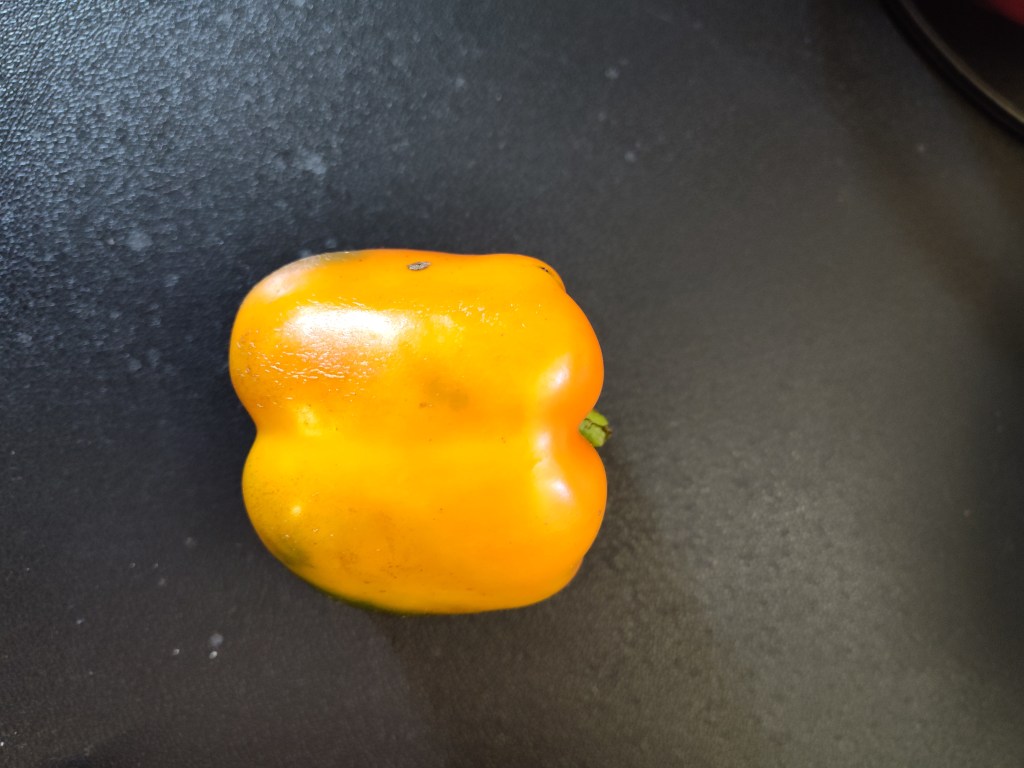
  • This week, we ate our first and only pepper from this year’s garden. It was a fully ripe Cal Wonder sweet pepper, and it was delicious and aromatic.
  • I continue to make pickles with any cucumbers we harvest.
  • Our eggplant and zucchini plants continue to produce, with our largest zucchini over a foot long.
  • The second batch of beans that I planted (Provider bush beans) is doing well, with pods on every plant that are approaching full size.
  • We continue to harvest tomatillos as the fruit breaks out of the husks.
  • We ate the first ears of our Sweet Mexican/Black Iroquois corn, and the kernels were a dark purple color. It was the first time I had eaten corn that wasn’t white or yellow, and it was very tasty. We have limited ourselves by focusing on yellow, white, or bicolor corn for commercial growing purposes. The colorful varieties are stunningly beautiful and taste as good, if not better.

Seed of the Week

We go to Mexico for this edition’s seed of the week, and it’s actually a seed I failed to start and transplant and turned to greenhouse starts – the tomatillo. Specifically, it’s the Rio Grande Verde tomatillo. We bought our seeds from Baker Creek, but the starts went leggy before they failed during the transplanting phase. Instead, we turned to our local greenhouse, where we bought four plants, and we’ve had great success with them. The tomatillo is native to Mexico, where it was cultivated long before Europeans arrived. In fact, in Central America, tomatillos are grown as perennials due to the perfect climate and growing conditions. Our tomatillos have taken off, with three plants growing bushy and developing plenty of fruit. The fourth plant hasn’t done quite as well, but that’s likely because it’s far from the other three and these plants need to be planted in pairs for pollination purposes. We’re planning to use our tomatillos in green salsa by roasting and blending them. If you have been curious about growing tomatillos but haven’t tried it yet, you should give it a go. By a pair of plants, plants them in a sunny location, and watch them thrive. Our hot summer has been perfect for growing them.

Weekly Garden Update #22 – Corn Harvest, Pickles, and Baby Melons

In this week’s update, we harvested our first ears of corn and ate them the same day. We have had an abundance of cucumbers, which led to me making some pickles and giving them to neighbors. Finally, our melon plants are setting fruit, and we’re starting to see what makes each variety unique. Finally, what is the seed of the week in this update?

Harvesting the First Ears of Corn

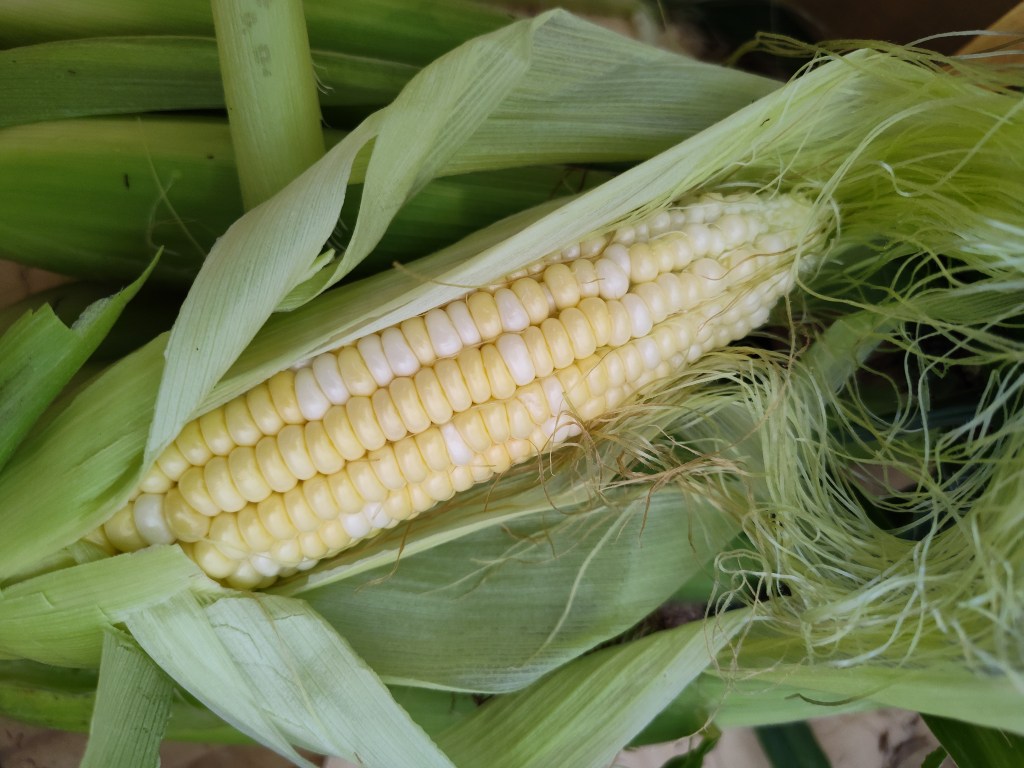
On Friday, Magz and I harvested the first ears of corn from the garden. For several weeks, our Butter & Sugar stalks have had silk growing, which began turning brown last week. I was originally going to let it go a bit longer because I thought it took a long time to ripen. But, after coming back inside, I researched how to determine when corn is ready to be harvested, and I’m glad I did. If you are like me and don’t know, it’s when the silk starts to dry out at the end. You can also pull back the top of the husk to feel the kernels. If they’re full and have some give, it means they’ve reached the milk stage and are ripe. In total, we harvested about half of the Butter & Sugar ears.

We also checked the Sweet Mexican/Black Iroquois corn that has shown similar progress to the Butter & Sugar – full tassel with silk for over a week. However, the first ear we pulled didn’t have the dark blue to black kernels that define this variety. They also weren’t at the milk stage yet. We’re going to leave them on the stalk for a few more days to a week to see if they’ll be ready at that time. After gathering all the ears, we promptly husked and boiled them, eating about half the ears for dinner. We even split the Sweet Mexican ear that we prematurely harvested. There is nothing like eating corn that fresh. From stalk to plate, it probably only took 30 minutes. The Butter & Sugar was incredibly sweet, with full kernels. It’s every bit as good as that corn you can buy from roadside stands in rural parts of America. The ears weren’t big (about seven inches long and two inches in diameter), but the majority were full.

Making Pickles

Our cucumber plants are regularly producing ripe fruits, and we’re able to harvest at least one per day right now. The only variety we haven’t harvested any cucumbers from yet is the Richmond Green Apple, which is the variety I’m most excited about…because of course it would be. Anyway, last week, we had a half-dozen or so cucumbers in the fridge, and something needed to be done with them, so I made pickles.

I love pickles and have made them before. I’ve tried making both dill and bread and butter versions. Unfortunately, though, they weren’t great. They were either too salty or not dilly enough. They also didn’t retain their crunch. So, this time, I wanted to make refrigerator pickles that don’t need to be canned. By not canning them, chilling the cucumbers and jars, and letting the brine cool to room temperature before pouring it into the jars, the cucumbers can stay firm and retain their crunch. They were a great success. They still have their crunch after a week of being in the brine. The downside is that they won’t keep as long as they would if they were canned, but they can still last more than a month before going bad. The recipe I used came from Love and Lemons. I didn’t have fresh dill or garlic on hand, so I substituted them for dried dill and jarred garlic in oil, and it was still delicious. Magz isn’t the biggest fan of dill pickles, and she really likes them!

Baby Melons

In recent updates, I’ve mentioned that we’ve seen some of our melon plants put on fruit. Since last week’s update, at least one fruit for each type of melon is close to golf ball size. At this size, we’re starting to see small differences develop between the different varieties. Some examples of the differences are:

  • The Candy Roaster Melon/Seminole Pumpkin starts yellow before turning green. It is also staying perfectly round.
  • The Kajari Melon is very small-about the size of a marble-but it already has dark and light green alternating stripes.
  • The Ali Baba Watermelon looks like, well…a very small watermelon.

What I have found fascinating about our melon plants is how the plants look similar to each other. Most have similar leaf structures and vine in the same manner. They also put on flowers that are nearly identical. I knew that the varieties would eventually separate themselves, but I didn’t expect it to happen so early in the fruiting process. I can’t wait to watch them grow more and continue to see each variety’s unique qualities.

Notes From the Garden

  • Our tomato plants’ leaves have been curling recently. I can’t tell if it’s because they need water, have too much water, need nutrients, have too much fertilizer, or have some sort of disease. And the internet isn’t helpful at all. The fruit still looks good, though, so I’m not too concerned about it. I’m also going to water the plants with leaves that are dry on the edges. I’ll probably let the others go.
  • Also about tomatoes, our paste variety has a ton of tomatoes on the plants, but none have ripened yet. It’s a similar story with our Queen Aliquippa plants. Being patient while they ripen is a struggle.
  • Our Hopi Blue corn has reached nine feet, which seemed impossible at the beginning. I never thought that we’d be able to get the corn stalks that tall.
  • In the above section on our corn harvest, I mentioned that the ears weren’t as long as I expected, nor were they as thick. I haven’t done the research yet, but I’m curious to know what causes that. Initial speculation is that there is not enough nitrogen. I fed those plants once a month or so, but I wonder if feeding them every two weeks would have produced larger ears. I’m going to be more consistent in feeding the new rows of corn to see if it makes a difference.
  • We lost our first Spaghetti Squash, which is super sad. The vine it was growing on died out of nowhere. I think it either got too damp and died off or there was a pest problem.
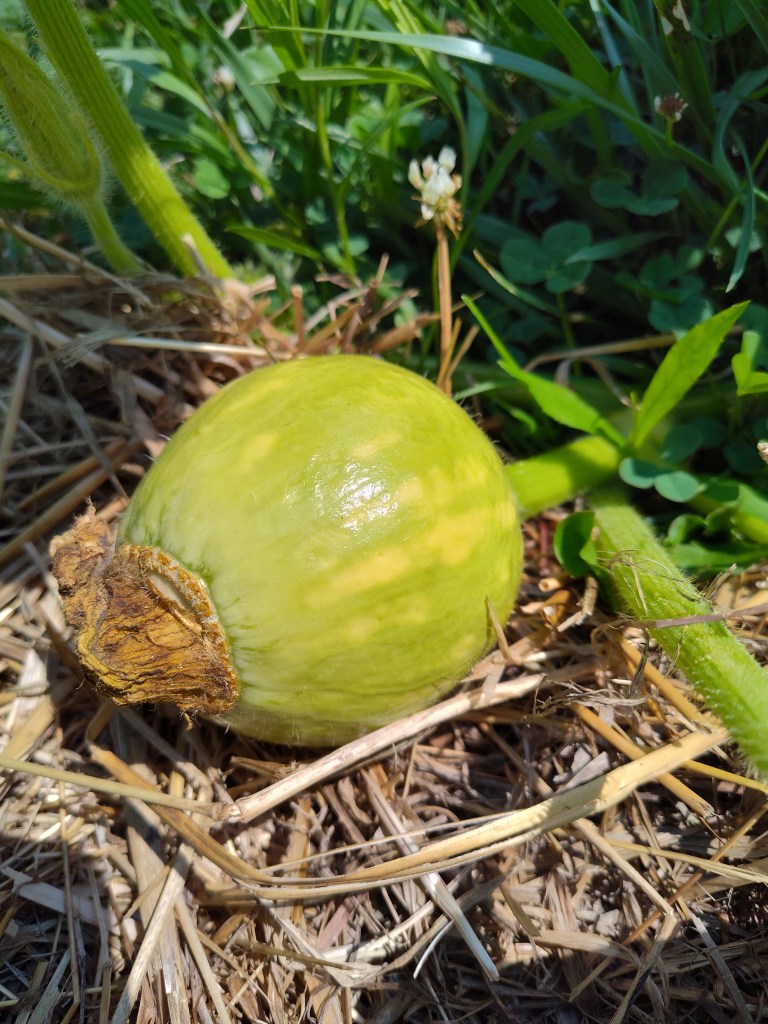
  • We think we know what the mystery melon that’s been growing is. Or at least we’ve narrowed it down to two options: Seminole Pumpkin or Candy Roaster Melon Winter Squash. This plant is one of the starts that I transplanted without a marker, so we have no idea what it is, but the color and shape look like one of these varieties.
  • Our tomatillos are starting to get papery husks on them, which is supposed to be an indicator of them continuing to ripen properly. I’ve read that tomatillos are a vegetable that requires a ton of patience.
  • Our Chinese Long Beans have put on their first bean pod. It’s currently longer than my hand and is a beautiful purple color.

Seed of the Week

This edition of the Seed of the Week takes us back into the cornfield since we harvested and ate many ears of it last week. I’ve already written about the Hopi Blue and have discussed the Sweet Mexican/Black Iroquois corn in several places on the blog. So, I’m going to highlight the third variety we’re growing: Butter & Sugar sweet corn. It isn’t an heirloom, nor does its history span the centuries, but it’s one of the most popular and best-tasting corn varieties grown in the United States. When we were picking corn seeds in the spring, we wanted one variety that was relatively easy to grow and has a track record of success. That led us to this bi-color variety. Ours came from NE Seed in Connecticut.

Up Next

Hopefully, we’ll definitely learn what the mystery melon/squash is this week. The fruit shows visible growth on a daily basis, with the color consistently changing too. It started yellow, went to a light green, and currently has some yellow streaks on it. I’m also hoping that our paste and Queen Aliquippa tomatoes ripen.

Create a website or blog at WordPress.com

Up ↑