I know I’ve been writing less gardening content as the year has gone on, which has been both intentional and unintentional. Unintentional in that my plan was always to maintain a steady flow of gardening posts all year, and intentional in that the garden has been a bit of a letdown this year. I’m going to go over some of the ways that 2026 has been a disappointing gardening year, but instead of focusing solely on the negative, I will wrap it up with all the ways we’re going to improve things for next year so that we’re looking forward to 2027.
Things That Went Wrong
Fencing
Starting with the things that have gone wrong is the fencing. Although it worked better than last year’s mesh fence, the construction/snow fencing we used this year couldn’t stand up to rabbit bites. Almost immediately, rabbits bit holes into the fencing that were just big enough for them to squeeze their bodies through. We tried to repair these holes, but the rabbits quickly adapted by chewing new holes. We gave up after a while.
Crop Rotation
Everyone always talks about the soil benefits of rotating crops on an annual basis. Rotating the various plants puts nutrients back into the soil that are pulled by other crops. I’m sure this happens, but for us, a number of the plants that we rotated from last year’s garden didn’t grow well. Our tomatoes, pumpkins, and squash didn’t grow in their new beds, yet we have healthy tomato and pumpkin plants in the beds they grew in last year. I understand the long-term importance of rotating crops, but it’s disappointing to see vegetables fail when they were so successful in a different location last year.
Squash
Our 2025 garden was incredible when it came to squash. We harvested a lot of yellow summer squash, green zucchinis, patty pans, and eggplant. This year, we harvested around a dozen total. If we had only a couple of plants, this number would be fine; however, we had more than 20 plants in the garden. This was very disappointing.
Grass/Weeds
Perhaps the biggest issue of all and what can be blamed for most things not going right is grass regrowing in the garden. We thought we had the problem licked before we started planting this year, but by mid-June, it was already back with a vengeance. And it wasn’t just grass. We have these really tall weeds that have popped up everywhere in the garden. They’re really easy to pull, thankfully, but there’s no stopping them once they start. The grass/weeds caused issues for our tomatoes and peppers, and it was a general nuisance given how easily it took over all areas of the garden.
Life Distractions
This category isn’t directly related to the garden, but the results of it led to me not devoting as much time or attention to the garden as I wanted to. Back in May, I had an unexpected and awful visit from my mom and stepdad. The encounter and everything that followed created big-time ripples for more than a month, and it distracted me. I wasn’t focused on weeding as much as I needed to be, didn’t fertilize with any consistency, and even cut corners with watering. Even though I didn’t have control over the situation that led to the distractions, I shouldn’t have let the distractions affect me the way they did.
Things That Went Right
Fencing
But not everything has been bad with our garden this year, and even our fence has had some positives. There are two key positives. One is that apart from rabbits, the fence did a great job of keeping animals out of the garden. As long as the fence stays upright and at its full height, other animals have been kept out. The other positive is that the fence stayed in good enough condition that we can reuse it next year. Last year’s fence got so torn up that we knew we’d need to replace it this year. Apart from a few small tears, the only damage to our fence is the holes rabbits chewed in it. It’s great to know that we don’t have to find an entirely new fence solution for next year’s garden.
Seed Starting and Transplanting
We had amazing success with starting seeds and transplanting the starts out into the garden. There were only 2 varieties that failed to germinate: Mexican Sweet Gherkin cucumbers and the Turk’s Turban winter squash. Everything else germinated well, either inside or in the garden, and did well once they were transplanted into the garden. These positives will be applied to next year’s garden to have continued success.
Sunflowers
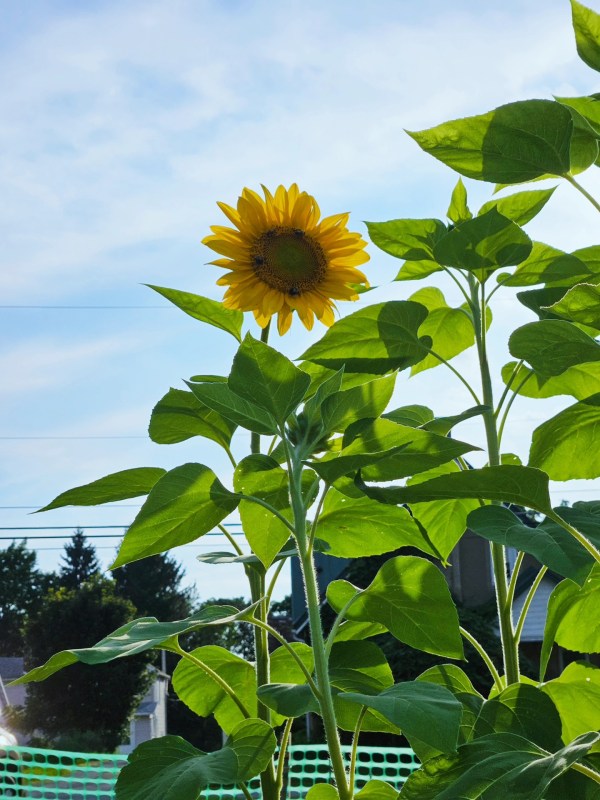
We successfully grew sunflowers for the first time in our gardening life. Previous attempts ended in animals getting to them before the heads could develop. This year, though, they’ve grown exceptionally well. Our Mammoth sunflowers are between 6 and 10 feet tall with huge, 10-inch heads. We also have a short, Teddy Bear variety that has grown smaller but fuzzier heads. We grew a third variety, but neither of us can remember its name, but it’s a medium-height variety with smaller, traditionally shaped heads. We love being able to look out the windows and see the sunflowers standing tall and vibrant.
Corn & Beans
For the second straight year, we’ve had good success with corn. All of the varieties grew, even though some didn’t reach full height and failed to produce ears. Part of this had to do with the weeds that grew in that bed. But the ones that did reach full height grew decent-sized ears. The next step will be growing larger, fuller ears.
This year was the first time that we’ve had a great bean harvest. All of the varieties we grew did well, and we’ve even been able to pick shelling beans for the first time ever. We currently have a few Mason jars on the kitchen window sill that contain dry beans we grew.
Grow Bags
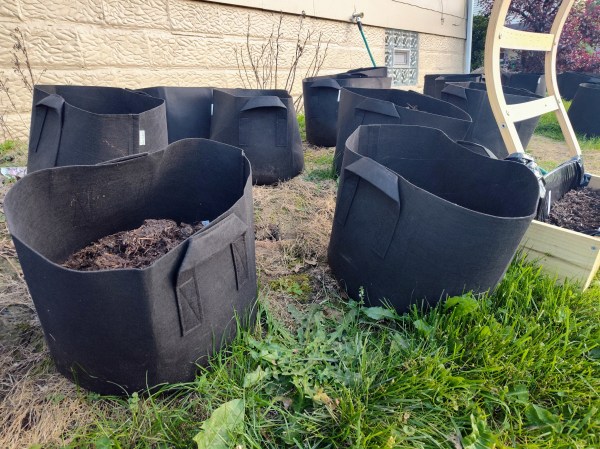
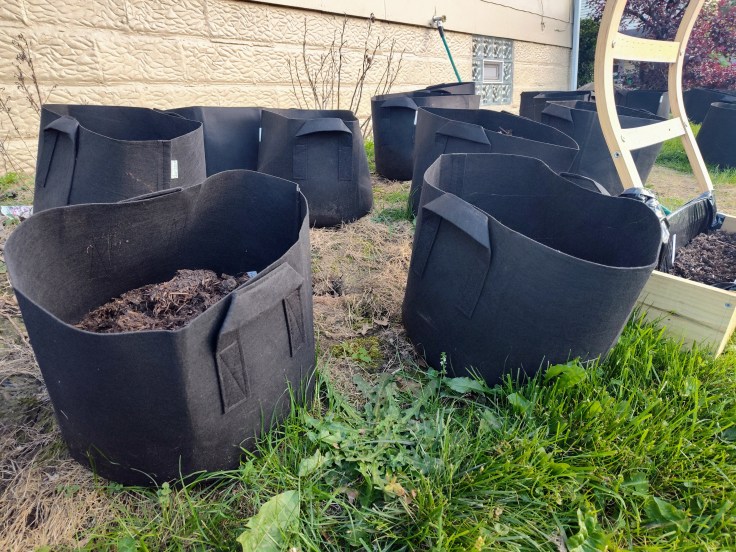
We grew our potatoes in grow bags this year and have done very well, with us already pulling potatoes from 2 of the bags. We’re certainly going to grow potatoes in them again next year. We’re also likely to grow other plants in them next year, such as peppers. We’ve had struggles with peppers in the garden this year, but the 4 plants we have in a bag are thriving.
What We’re Improving
So, we’re clearly not satisfied with where our garden is and have found areas of improvement for 2027. One area we’re focusing on is the fence. I’ve mentioned that we’re going to stick with the fence we’ve used this year. However, we’re going to improve it by buying 18-inch or 24-inch chicken wire fencing to attach to the bottom of the existing fence. This will provide an added layer of security against rabbits that are less likely to be able to chew through metal. It’s not exactly a foolproof plan, but it’s better than what we currently have.
We’re attempting to permanently address the grass and weed situation with tarps. We’ve had success killing small sections of grass in the garden with cardboard sheets, and so far, the grass hasn’t grown back in those areas. We’re doubling down on this idea by using large, 12’x20′ tarps to kill the grass in entire beds. We’ve started this process in our squash bed, which was one of the most affected by weeds this year. We haven’t checked its progress yet, but we’re confident that it could finally allow us to get ahead of the grass and weeds. If it works, we’re going to buy additional tarps for the rest of the beds.
We’re likely going back to where everything grew in 2025, with the only exception possibly being the corn and beans, which grew really well in their bed this year. Our tomatoes, melons, and pumpkins are all going back to their previous beds, and we’re going to work to make the squash bed from this year more nutrient-rich.
Even though it’s been a disappointing year for gardening, we still have plenty of reasons to look forward to 2027. We generally have an idea of what went wrong this year and feel confident that we can fix things. We’re going to appreciate and enjoy the fall and winter, but we’ll certainly be excited for next spring.