Ideas for Summer Stashbusting Projects

As a yarn enthusiast, sometimes I have many skeins of different yarn that I don’t know what to do with. This happens when I buy sale yarn, find unexpected yarn secondhand, or buy too much of one color for a project. Purchasing the right yardage is definitely a learning process!

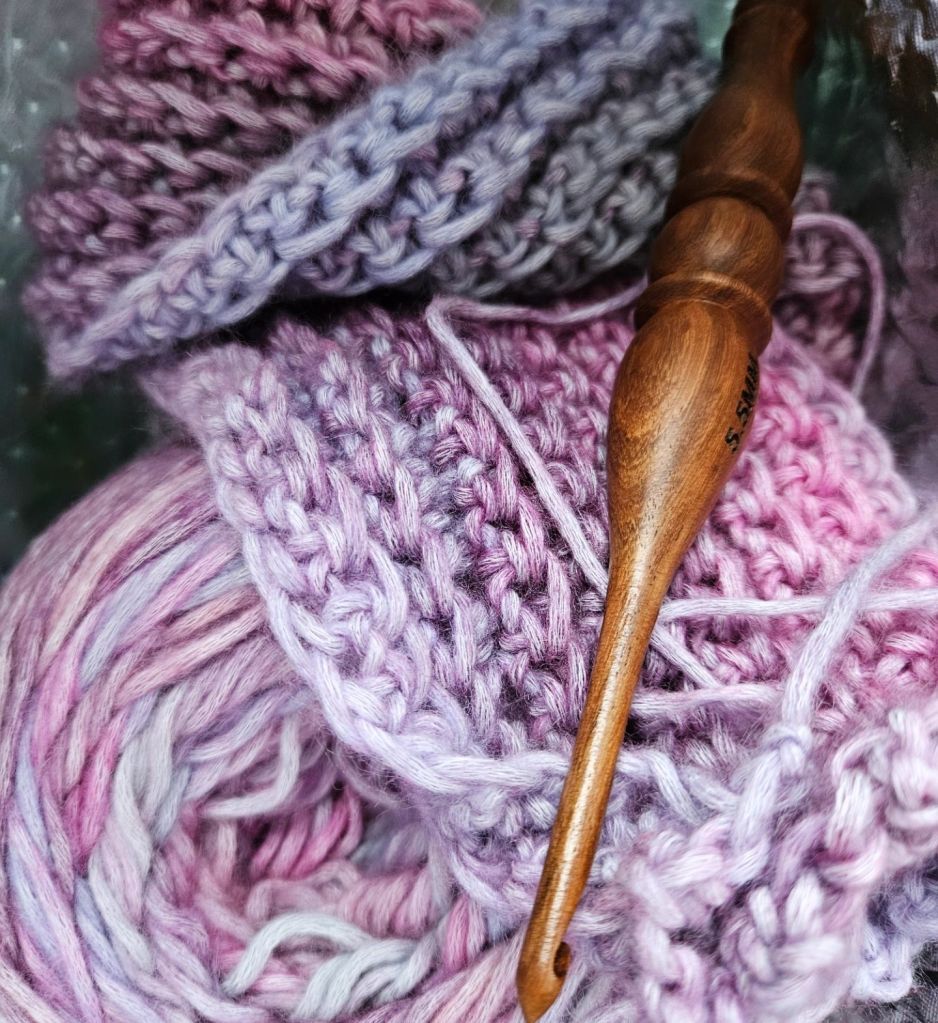
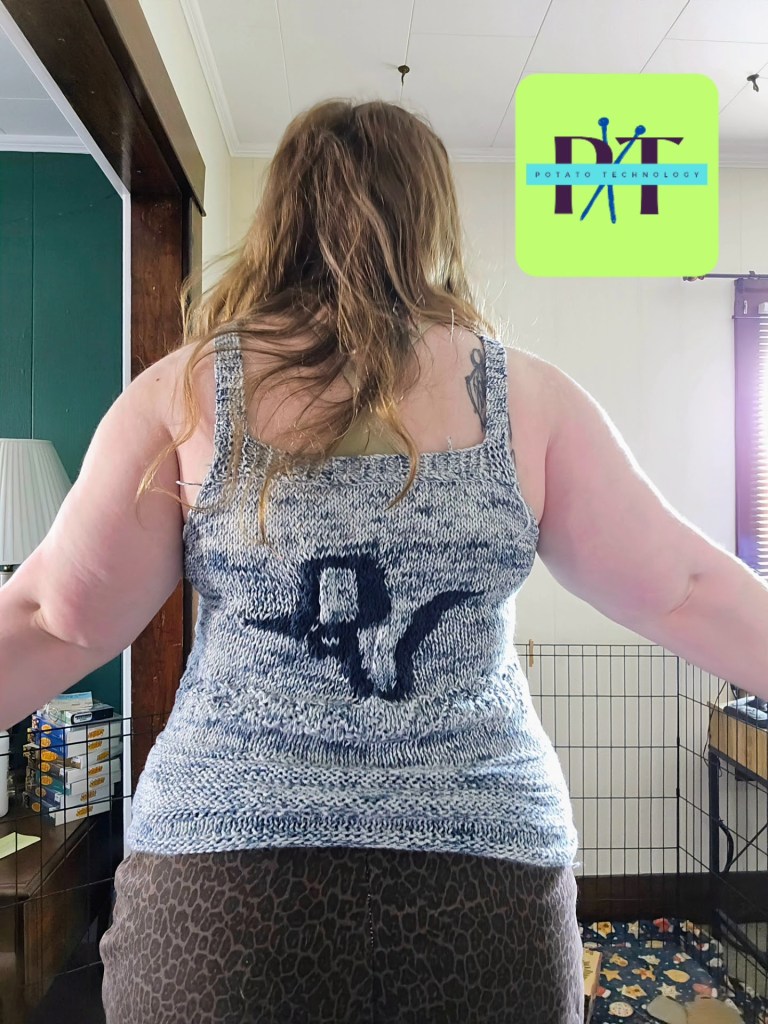
So, how can you make your yarn stash go further and use up those skeins you don’t know what to do with? An easy fix I’ve found is to get really scrappy, lean into stripes, experiment with colorwork, and my new favorite – blending yarn by holding two strands of different yarn, even variegated yarn, to make something fresh and inspiring! This has helped me need to destash, donate, or feel weighed down by my yarn inventory.

Once you have a color story, what do you stitch up? There are the tried and true tanks, tote bags, and scrappy cardigans, but what about something outside the box?

  • Baskets
  • Small Storage Bags with Zipper
  • Shorts
  • Sailor Collar
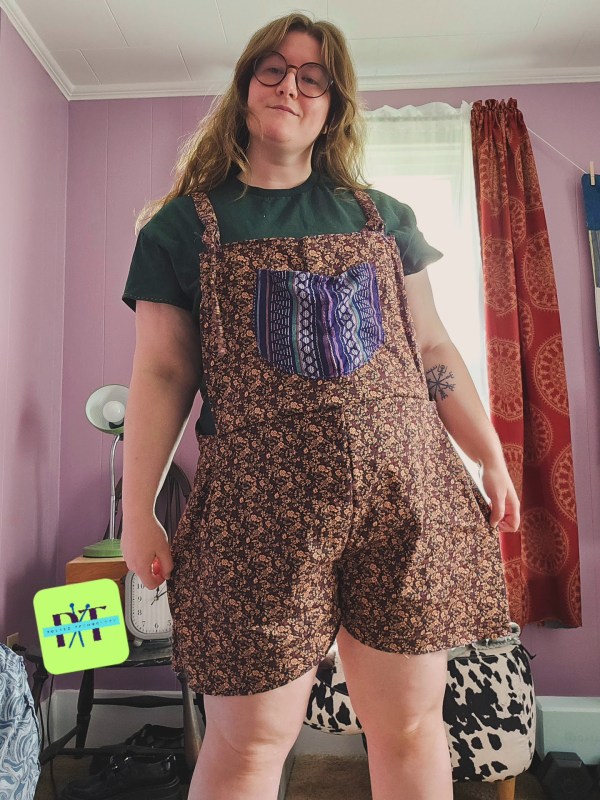
  • Overalls
  • Mini Skirts
  • Koozies
  • Tapestry

I get stuck in the idea of knitting as wearables, but it can be used to make so many things, and at the end of the project, you’ll have something truly unique from your own hands!

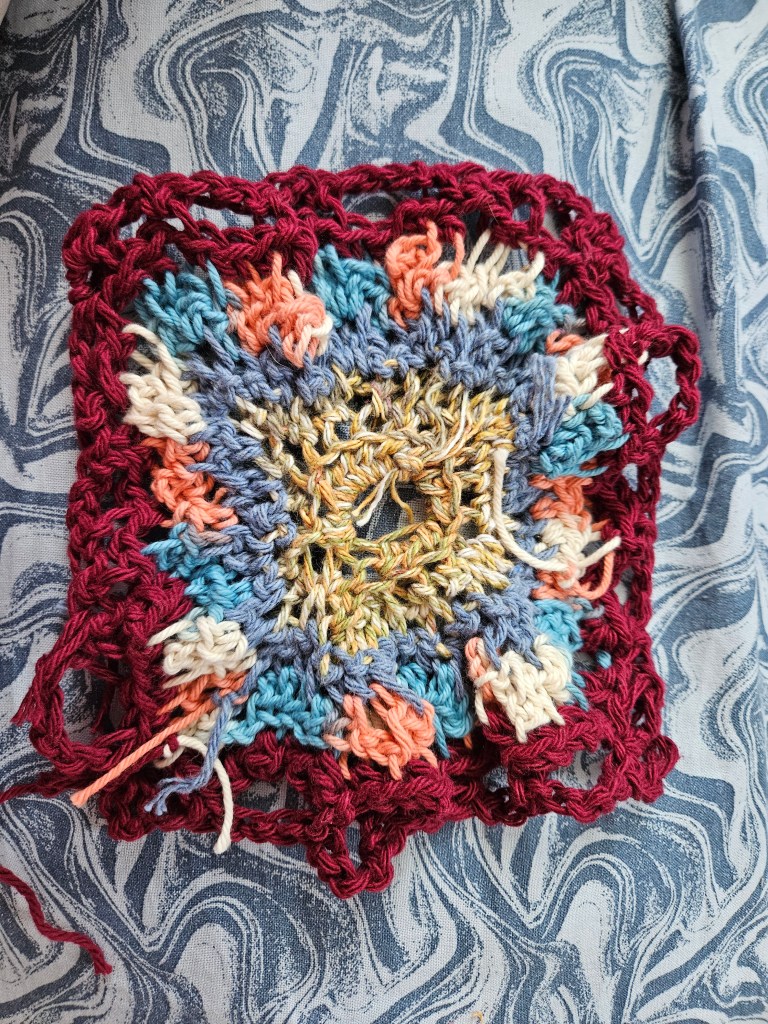
One of the most satisfying ways I have found to use up random yarn is colorwork. Hints of color with scrap that add a touch of whimsy? Sign me up!

Knitting a Dress for the First Time

Knitting a dress, how hard can it be right? It was actually pretty managable garment as an intermediate knitter. I would not recommend unless you have made a sweater before but would definitely recommend knitting a dress if you want a soft and stretchy garment that hugs you!

Inspiration

I have made plenty of dresses over the past 5 years, but they have all been cut and sewn from fabric. Knitting kicks it up a notch, asking you to assemble the dress, but make the fabric to boot. I thought it would be silly to try until I discovered some lovely crochet designers on You Tube who make with imagination!

I was inspired by Mama Gwen of TL Yarn Crafts to give designing a knit dress a try. She makes such beautiful dresses all from self-drafted patterns in knit and crochet. Along with Dana from Blondie Knots. Her Coachella scrap two piece outfit helped me have the boost of confidence to try something new.

Materials

Last summer at Joann, before the shenanigans began, I purchased 14 Big Twist Cotton 50g skeins on a sale with the intention of knitting a top. Many months later, this yarn was sitting in my stash with my mind uncertain if the punchy color changing yarn was my cup of tea for a cotton knit top. But a dress? Yes, that could work. Did I have enough yarn though? I’d have to make it so because there was no more being sold.

Because of the circumstances, I decided this dress would be my goodbye to Big Twist.

Design

I knew from sewing, my design would need to be a dress that was either tubular or empire waist to suit my body shape. I decided to knit this on US 7 needles, straight needles. Sometimes I would shift to circular, but this was not knit in the round. With the combination of yarn minders, a measuring tape and patience this dress came together!

To start I knew I wanted the bodice to be the anchor I worked out from so I cast on stitches to work horizontally. From the bodice, I then added one strap to plan the width and placement of the top. I was uncertain how much yardage the skirt would consume, therefore I paused to determine sleeves later.

My plan for the skirt was to knit a section by casting on the bottom of the bodice, adding stitches to increase width until I finished a skein. Repeat and fill out the row by picking up stitches to join the sections vertically into a tube. I continued on, and on  until weeks later I had a skirt but panicked that I was not going to achieve my desired length and second sleeve!

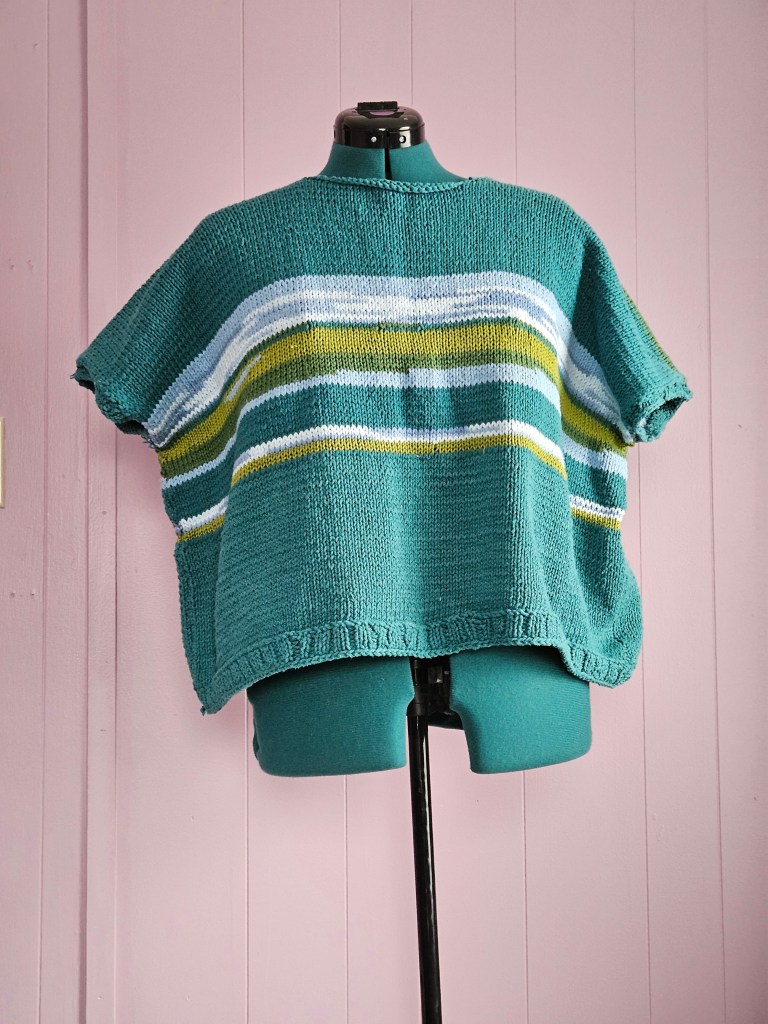
I decided to pull a teal yarn from my Landscape Painting with Yarn project. This hue pulled the cool tones into harmony in a pleasing way. I used two skeins of this teal color and then finished with the original Water Lily tonal yarn. I finished the second sleeve and tried on the piece with relative ease. There was one fit issue – plunging neckline. But it was a lovely, cozy knit from scratch dress!

The final touches to this project were addressing the neckline and the sleeves which were set too deep. I cast on to the neckline to fill in the gap and provided structure to the straps with several rows of decreases to give the dress a cap sleeve befitting my vision.

Final Thoughts

I am definitely making more dresses with knit! It’s far more pleasant than sewing if you want a comfy yet elegant style. You have both control of the drape and the fabric design. It’s your world, as Bob Ross would say.

This project was more than a goodbye to Big Twist, it was a new chapter for me. I began this journey 5 years ago to learn how to make and now I feel empowered by knowing I can make my own clothes, not just with fabric but with skeins of yarn and needles. It has been a wonderful journey of discovery!

If you want to knit a dress, I’d say go for it! If you’re a beginner, make one but not as your first project – you will be overwhelmed by the sheer amount of time this project took. It was weeks of work that as a beginner, would have scared me. In time I know you can do it though! ❤

Starting a Knit Garment

Do you ever get stuck in start mode when beginning a new thing?

Like you’re wandering through a maze of ideas. Maybe it’s the planning stage, too many ideas, not enough organization? It’s weird. I feel such a rush when I have multiple WIPs on my needles. The satisfaction of binding off stitches and slipping that garment onto my body makes every week of work worth it!

The void though, between new idea and casting on a new project, is a shape shifting process. The indecision sets in.

  • What yarn should I use?
  • Do I have a color palette
  • Stockinette or a new stitch?
  • Texture?
  • Colorwork?
  • Do I have an inspriation garment in mind?
  • Have I thought about how I want to garment to fit?
  • How much positive or negative ease should I plan for?

The next phase is choosing needles, selecting the amount of yardage, and gauge swatching the stitches to inches ratio to calculate the size of the garment.

It feels as important to start with the correct amount of stitches as it does to pour a concrete foundation evenly. I think this is why I get stuck in neutral instead of shifting into gear – when you get a creative idea sometimes the final design outcome is a little fuzzy.

So how do I get out of it and move forward with my design? I sketch, even simply shading the colors together in simple patterns helps me see if the image in my head will fit the realized garment. I also start working with the room to frog the yarn and begin again.

That is my favorite thing about fiber art, you can tear out and begin again without ruining your materials. Even though the first stitches feel like concrete the process is flexible.

Do you get stuck in planning? How do you move your mind forward? Thanks for spending time with me today. You are amazing and I hope you know that you are loved. Until next time. ❤

I Made Furniture From Fabric Scraps

Do you ever look at an item you want to buy and think, how hard can that be to make? Well, that’s exactly how we got here.

Floor Culture

I’ve been moving my sewing room around, I took down my sewing table and moved to the floor. Which I know sounds extreme, but seriously, sitting on the floor is underated. My back and hips don’t get tight and my posture is improving. In the West, I think we have been foolish to move away from sitting on the floor and should acknowledge how wise other cultures are to sit on the floor for health and posture.

I have a wicker chair that is good for sitting in when I want a break from the floor, but what I was missing was an in between piece of furniture that I could move depending on my needs. I settled on a floor cushion that could be used as a seat, a workspace, folded up in a cushion or rolled into the corner for yoga to add more stretch breaks to my life.

Quick Fix

But here’s the catch, I decided I needed this piece of furniture on a whim and that’s what I am trying to remove from my purchasing decisions – less impulse purchases. I want to become less of a consumer and use what I have, so I thought could I make what I want? Similar cushions for sale online were 100-400 USD and with the tarriffs looming, I was feeling a bit nervous to buy something.

But then I remembered my Mom made a pouf, she knit the cover. I’d watched Morgan Donner make things from her scrap and fashion a mattress from braided fabric. I had also begun saving my fabric scraps and sorting them into bags that were taking over my crafting closet. I just had to settle on the cover fabric and design.

Design and Materials

A large rectangle seemed like the ticket with corners I could sew crisply and easily stuff at the end. There was this one extra wide cut of fabric I bought from Joann’s last summer which caught my eye. It’s a fabric I bought because I enjoyed the design but didn’t want to wear it. It looks a bit like denim and had a lovely swirl pattern that I thought, would compliment the lavender paint of the room. With the fabric sorted, it was time to tackle the pattern and stuffing!

I measured the fabric into two large rectangles and four slimmer sections to form the sides. These I sewed inside out to leave only one end open to stuff. I sewed this by hand over the course of a day, I’d say in total the sewing portion of this project was the easiest part. What lay ahead next was tricky, blister inducing  and stressful.

Stuffing and Scraps

I had bags upon bags of scrap fabric in varying sized pieces ready to be repurposed into stuffing, but the thing with fabric cabbage is that it’s not uniform. Which means there will be a lot of cuts to make. This I foolishly chose to do with my old fabric scissors, instead of using my rotary cutter and mat. I wish I had. The repetitive cutting motion wore a blister on my thumb and aggrevated an old injury on my finger joint.

My hands were tired, weak, and wrecked by the end of day one. Worse the cushion was 1/3 full. Not what I was expecting! How could it take that much stuffing?! With my bags of fabric scraps depleted, I moved on to new sources of cushion comfort. Such as yarn that I was given secondhand, which I had no creative plan for. This yarn was a super bulky, acrylic yarn, about 300 yards left, and perfectly fluffy for stuffing. I cut this into pieces and carried on auditing my stash.

I repurposed some old clotbes into stuffing, a blanket Mia’s little bunny chompers had chewed into swiss cheese, and more leftover yarn floating around my sewing room. Yet, I still lacked the floof I was after so I broke down and browsed the interweb. I knew polyfill was an option, but it’s also polyester and the point of this was to repurpose and use up things, not go to Walmart for polyfill, which happened to stretch very little. When I made a bolster pillow for our couch out of an old sheet, I went through 5+ bags of it. Whuch made me wonder, are there alternatives to polyfill on the market? There are! I found a small business, selling cotton filling that shipped. This got me to comfortable fluff, I still need a bit more but I’m going to revisit it later.

Voila! A piece of furniture made (mostly) from what I had in my house that used up some trash in the process. I am pleased. 😁

Structure and Flow: Sewing in Two Minds

Like I said in my 2025 So Far Has Been a Creative Slump, I am sharing the projects I’ve hidden away in my closet and the photos buried in my gallery. It’s time to catch up on this blog on what I’ve been sewing, because it’s been a journey of new discoveries.

Go With the Flow

In 2022, Kyle gave me a unique birthday present. He curated a mystery box of fabric for me to do my own “Project Runway” challenge – one of those fabrics was this sheer wheat colored criss-cross fabric. It has lived in my stash ever since. It was a fabric that scared me but intrigued me. It’s a stretch mesh burnout pattern, and for over a year, I was baffled at how to sew it without destroying it.

Even so, after I sewed it into a garment, how would I apply it? Would it be a garment that would be sewn layered on top of an opaque fabric? What would that look like? Should I use a high contrast fabric or something similar in tone? It stumped me. I lived with it a bit more in my stash, and it came with me through the move and into the fall once more. In 2024, after two years, I had an idea – sheer layering. A garment I could wear under or over other pieces to add dimension and disguise the oatmeal color that I was concerned would wash me out.

My decision was to make a shirt. I thought making it a “basic” would provide the most opportunity to style it in my wardrobe. I sewed the delicate fabric with my machine very slowly. I relaxed the tension of the thread and progressed delicately, ready to hand-sew at any moment of panic. It was not terrifying; it was possible.

Structure of a Bodice – Armor

Many years ago, back in 2021 (four years ago, what?!) I crafted a structured dress, based on Lizzie Bennet’s dress, when Charlotte Lucas announces her marriage to Mr. Collins. It was a vest and a skirt, with buttons and a collar. It was ambitious but rubbish, yet a project I can’t stop thinking about how I could have made it better.

Enter this fabric and this bodice shape. It looks like an armor piece made of vintage ditzy flower fabric, lined with muslin. I wanted to reclaim what I learned in 2021, but try again in 2025, since the failure of my early projects made me shrink back to “easy” projects. I’ve made things that have challenged me a little bit, but not a true experiment. Constant growth is painful. Think of your body after consistent workouts, you’re going to hurt. It’s part of the process of getting stronger, and it feels at times like a negative experience. That feeling ground me down. I was tired of the learning experiences that felt more like loss and waste than an expression of crafting and artistry. It’s human, it’s passion, how can we not want the fruit of our labor to produce something good?

I made this dress slowly, over several weeks, while working on other projects, while being sick. It was a slow, steady, careful process to make a dress that would bring me joy from the creation and the wearing. The other thing I had to wrestle with, in this project, was shaking off the demons of my Lizzie Bennet dress. It was a dress I felt pretty in, but that I took a lot of crap for my appearance when I wore it out. It was structured, fitted, and flowy. The waist was not perfectly matched to the small of my waist, due to my lack of tailoring knowledge. This dress prompted a stranger to ask me when I was due, and then doubled down that I looked pregnant. I wasn’t pregnant, so to her, I looked fat. Thanks lady.

It was rude and such a breach of boundaries. Don’t ask random strangers if they are pregnant; wait for them to clearly tell you. It feels like a slap in the face for so many toxic culture reasons, the main one is the unwanted comment on your body with the double standard of “pregnancy being the most beautiful,” but don’t look pregnant, aka don’t be fat, because the zeitgeist is fat-phobic. I got rid of the dress and don’t have any photos saved of the dress; that’s how much this experience ruined the dress for me. I lacked the confidence to brush it off. I didn’t understand my body’s proportions and lines, therefore, I blamed my body and myself for the dress not working, instead of my tailoring skills being the problem.

2025 Style – Layering and Reclaiming

I chose to confront this feminine dress style once again. I knew it would clash with the natural lines of my body. I don’t have an hourglass body shape, which this fit and flare dress calls for. I’ve been scared to wear it, but I am challenging myself to try. I layered the sheer shirt I made in 2024 with this dress and a belt to create balance. It’s going to take time to get comfortable, for sure.

The dress not only has this flowy skirt, but it is fully lined, and the front gathering has been tracked down with stitches to reduce waist bulk. I also added eyelets and lacing at the back of the garment to define the waist, Lastly, I added a belt to my waist, which I don’t enjoy wearing, but the effect of pulling the eye to the waist should reduce unwanted comments, I hope. I like the contrast of these garments together. They have flow and structure. Together they create a complete thought, and in my opinion, look like designs with a point of view, which is what I am aiming for in my designs 2025.

Potato Technology’s 2024 Autumn Winter Collection

This collection was about upcycling, trying new techniques, and making things that expressed what I like wearing based on previous designs I have made, but with a twist. The items I designed were 75% sourced from existing materials. They were upcycled from items in my closet, hand-me-downs from my mom or grandparents. They were made from destashed yarn I acquired or fabric that had been in my stash for a long time. I focused more on creating with natural materials like wool, linen and as always, I love cotton.

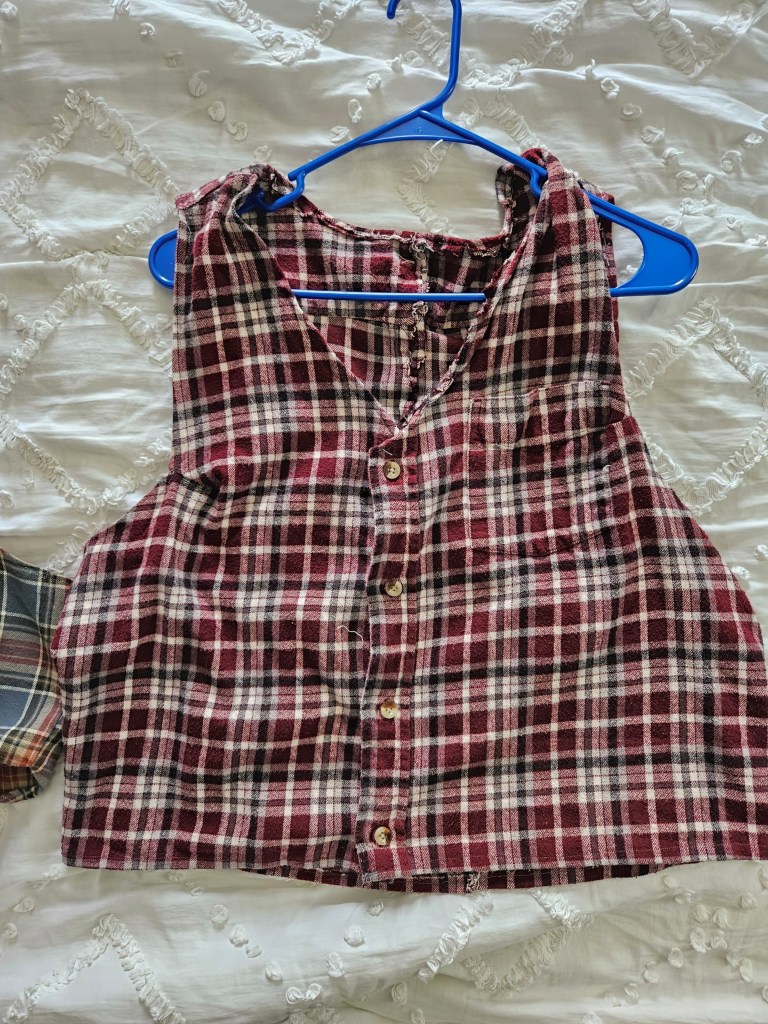
Vests were made from pillow cases and flannels. I re-worked a sweater from the existing sweater and leftover yarn. I dyed denim, deconstructed denim, and made some interesting new shorts and skirts. I combined leftover flannel from Christmas stockings to create a plaid and denim kilt. I used the cut-off sleeves of flannels from my vest projects to create a skirt from four flannel sleeves. I dove deeper into the world of trousers with two new patterns – a floral and railroad stripe. With each pair, I experimented with fastenings and pockets. I constructed my first “Mr. Darcy” shirt from teal linen using Bernadette Banner’s instructions for the body. I put my own spin on the collar, choosing a wider collar similar to a sailor collar that is popular in anime and J-fashion.

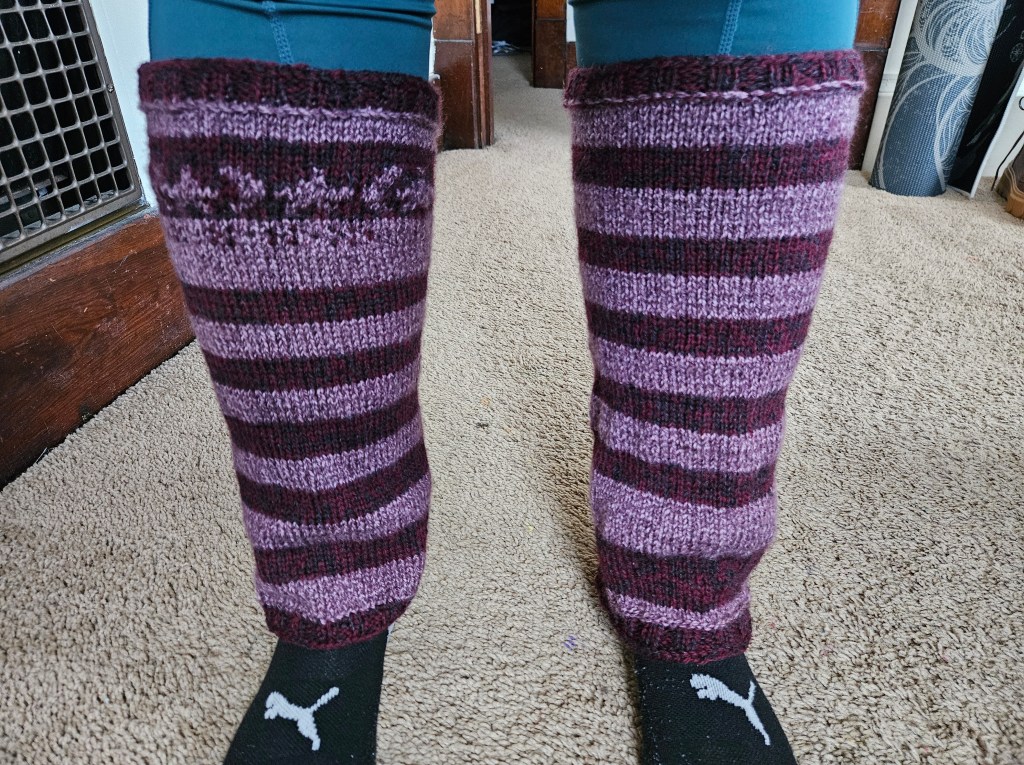
This was the first season I experimented with colorwork in knitting. I made a knit star motif hat from yarn that was leftover from my Magic of Scrap Yarn Cardigan. I made leg warmers, a squirrel motif mitten, and a melange of acrylic and wool to create this ear flap hat that reminds me of medieval European helmets. Although this season of creation was chaotic, I’m not sure if I even included all the projects I worked on, it was a time of great learning. It taught me that fashion design is more than taking raw material and cutting it into a new form.

Great design utilizes new and old. Fashion is about reusing, not wasting, and making things beautiful with careful craftsmanship. It does not mean it needs to be expensive, or need to be made by a great master couturier, it just needs to serve a purpose. We have lost sight of the purpose of fashion, but these projects of upcycling have reminded me that fashion is more than shopping, it is more than consumption, it is about the materials, the vision, the function.

I Accidentally Felted My Magic of Scrap Cardigan

In the summer of 2024, I returned to an old fiber friend, wool, and introduced a new natural fiber – alpaca. When I began knitting in the early 2010s, I bounced between wool and acrylic fibers, not really looking at fiber content and instead looking at the pretty colors and my stitches so I didn’t drop one. Oh, how times have changed! When you love something you begin to obsess, dig, and it becomes a fiber woven into your identity. That’s where I found myself as a knitter for 10 years. I am constantly thinking about fiber content when planning a new project because it’s more than just the make that matters; it is how the garment is worn and washed for many years to come.

Wool

I think we have deep scent memories just like how wool fiber remembers the shape it is blocked into with water and pins. The scent of wool is woven deep into my memories of traveling to Ireland as a child in 2001. It is the fiber my Grandma wore most of the year. She was always cold, even in summer. Wool has always seemed a bit scratchy to me. It triggers my neurodivergent aversion to certain sensations. It was not a fiber I would choose to wear a whole sweater out of, although small accessories I could handle. Coats were fine too, until they weren’t.

After my grandparents passed away, within 6 months of each other I suddenly had things they used to own. Clothing being one of those things, a lot of those clothing items contained wool. I couldn’t stand the fiber being near me. I’d get a head, a migraine really. I’d feel stuffed up and allergic, at least I thought. From 2020-2024 I avoided the fiber. Begging my mom not to knit me anything in wool. I rounded up the wool items and put them in quarantine in a box in my house, the “allergy” being such a wave of anguish to my body. Looking back on it, I can see it was an expression of grief and stress. That smell of wool, it felt like a ghost lingering in the shadows of my mind not a normal fiber. Grief makes things so weird!

Acrylic

Under this belief of a wool allergy, I pivoted solely to cotton, bamboo, linen, and acrylic. If you are looking for a cheap and cheerful fiber acrylic is your yarn. It’s everywhere in the big box stores and that’s exactly what I did. I experimented with Red Heart, Big Twist, and Caron. They come in value packs and the worsted weight is an excellent fiber weight to use when learning how to create complicated garments such as wearables like sweaters that involve sleeves, shoulder shaping, and necklines. I’ve made a lot of mistakes along the way, it’s part of the learning process, yet using these affordable and easy-to-source yarn options took the trepidation out of the creating process.

Acrylic is seen as the “low-brow” yarn for a lot of the knitting community. It’s looked down upon for not being a natural fiber. Take organic and insert natural fiber and it is the same sort of elitism. But honestly, aside from how it’s made, acrylic being a polyester fiber, I don’t get the hate. It’s washable. These garments I was able to block in the dryer. As a knitter who was new to blocking this process taught me how and why blocking matters without the high stakes of felting, shrinking, or destroying my hard work during the wool sweater blocking process. It’s an approachable fiber for beginners.

Fiber Curiosity

Acrylic was my bread and butter, but after a while, we all crave some variety. For winter sweaters the other fibers – cotton, linen, and bamboo aren’t going to cut it. This is where some field trips came in! I’ve mentioned Keystone Safari before on the blog, it’s a wildlife preserve and education center in my region and they have sheep, alpacas, yaks, camels, and llamas. All of which I feed and pet without any allergies! This is where I began to question my “allergy” to wool. How could I spend time around these fibers, in their natural state where there would be more allergens like hay and not have a reaction (when I’m actually allergic to hay and grass)? It didn’t add up.

So in 2024, I began to run experiments. In the yarn shops, I’d pick up wool and alpaca-specific skeins and feel them in search of the truth! At my mom’s house, I’d ask her to see her skeins of wool and I’d do the same, even sticking them in my face, demanding they show me an allergic reaction. Nothing happened. Nothing. Could it be, that was I ready to find my true knitting form? A natural fiber artist, possibly a spinner, with a vast knowledge of wool, alpaca, mohair, and more? Yes, it was time.

Magic of Scrap Yarn Cardigan

So how does felting come into play in this story? It doesn’t sound like a story of woe, but it is. I was quite inexperienced with wool and how one cares for wool, that lack of experience came back to bite me with this lovely cardigan. I made this cardigan from wool extra skeins from my mom. Some of those skeins I put right up into my face to see if the wool would make me allergic. But this cardigan was not just a project of wool, it was a project made of extra wool skeins, wool-acrylic blend skeins, and acrylic skeins. Those fibers require different strategies to care for them properly.

This was my first mistake. I mixed fibers willy-nilly without thinking about each one has unique advantages and disadvantages. Wool is naturally anti-bacterial and requires very little cleaning. You can spot clean and refresh in the air or the snow. But you can’t throw it in the washer, and if you wash you must be gentle to the fibers with delicate movements and gentle water temperature, or else it will felt. Acrylic on the other hand is very durable. You can wash it in the washing machine without worrying about the possibility of felting the fiber. Acrylic fibers do not felt. It does not have anti-bacterial properties though so you clean it. Can you see where this is going? I screwed up the washing portion of this project.

I washed it in the washing machine without thinking and the cardigan shrank. Next, I tried to stretch the cardigan as it dried, while it was wet. Not gently, although the washer had already set the stage for stressed wool fibers. The cardigan no longer fit my person. To remedy this I thought I would hand wash delicately and attempt to re-block the cardigan. This was the nail in the coffin. This fatal mistake transformed the project from a knit cardigan to a felted mess. It was too far gone, like a burnt cooking disaster. There was no coming back from this, the damage was done.

I began to panic. How would I continue using wool and alpaca? I was currently knitting wool socks, um how was I going to wash those? Was I screwed? I was convinced I could never hand wash again without feeling sick to my stomach. I had to find a new solution. Steam. Steam was the answer. I have an iron, an iron with steam. Could I use this instead of purchasing a garment steamer? The answer amazingly was that simple! I steam my wool and alpaca projects now and the steam helps them bloom, they almost block from the steam along. It’s incredible. Just a little steam and the fibers refresh, safely! It’s transformed how I care for my knitwear. Sometimes these creative misfires lead us to places we may not have tried without the failure as a catalyst to try something new. I feel equipped to work with natural fibers, confident that if I spend months on a project I can care for said item for years to come. Have you tried streaming your wool garments before?

Remaking My First Sewing Project Four Years Later

Last September, I felt this aching in my creative heart to make what I didn’t make well the first go around. A project that some would say was insane to attempt as a beginner because of the difficult nature of velvet and the frustration that is sewing with stretch fabric. The dress pictured below was my first wearable garment. I saw the same purple stretch fabric on sale for Halloween at my local Joann’s and my heart skipped a beat. It still exists – I could try again!

You see the first dress I made was constructed so poorly that I ended up cutting it down into a skirt because I was embarrassed to continue wearing it out. After all, the bodice was bunching up and gathered strangely in the back. I lacked the confidence to keep going and try to alter the dress for success. I see now that it would have been an easy make to take out the gathers and bunches of fabric for clean seams, but that kind of thought came with trial and error. I needed a bit more experience and patience to make it right, and at the time in 2020, my younger self was not willing to wait.

But what if I am living in the past? My mind thought, maybe I should let it be and let the dress be a learning experience. I put the purple velvet down and left it, it was not on sale, it would be a sizeable impulse purchase at 15.99 a yard for 4 yards. I can’t justify 60 USD for a passing whim, that would be a poor use of money. So I left the daydream and moved on. Still thinking about that fabric. Another few weeks passed, finding myself in my local Joann’s again. It was my favorite place to explore. I went to the shopping plaza over the weekend where Joann’s remains live boarded up with the lights still on. It was eerie. I found myself thinking about what was blocked off inside? Was the fabric slumbering in the bolts, waiting to be made into something new? Would the yarn ever find a home in a fiber artist’s hands? It felt like a mistake, a bad dream, but it was not. It is over and now it is just a memory.

Anyway, on the second trip to Joann’s during the Halloween sales, I found my purple beloved. The bolt was still full, now marked down to 7 USD a yard. But this time I couldn’t get the project out of my mind. I’m glad I did give in to the creative urge or this project would be left without an ending. At the time, I had no idea Joann’s was going to go under. I thought I had plenty of time to remake this when in reality the window was closing. As I worked on this dress in 2025, I followed Joann’s story with frustration and weight of expectation. This remake is the final try, for this fabric I will never find again.

I made a different dress from the original and that surprised me. I believed going into the remake project that I would duplicate the same dress but with better technique. Instead, it was a project of feel. This time, I had a dress form I could drape the garment on. I had fabric clips with securely held the the slippery fabric together while on the dress form or for a quick test of fit on my own form. This time I understood proportion and where this dress would fit into my wardrobe instead of making a dress that only went with my moto jacket. I reinforced the shoulders and was thoughtful about my stitching, to make the garment strong. I added darts to pull the dress in where it was fitting baggy instead of leaving it like a velvet sack.

It became something new and I am okay with that. None of us are the same as we were years ago, we grow and evolve with every passing year. Making a dress for now, with the spirit and the fabric of my first garment, but with a new neckline and a new fit I think is an inevitability of learning and growth. I had the patience this time to try on the dress, mark what was not fitting right, and go back to work until it was correct. That was not something I was willing to do when I started, because it was all so new and confusing, but with time and practice, those new concepts became a familiar old friend. Like this tan carpet. It wasn’t until I looked at the 2020 mirror photo and the 2025 mirror photo that I saw it. The carpet in the house we bought looks just like the carpet in our apartment in Meadville. How random is that?

I have one more section of the purple velvet left over that I plan to make something with, possibly a mini dress, a blouse, or maybe a jacket. I think knowing this fabric is a relic now, makes me feel unwilling to finish this scrap project, because once it is done. I’m going to feel like my time experimenting with fabric from my first craft store is done. A chapter of my sewing life is over, and I hate saying goodbye. I’m a sentimental person. When things end, I take it hard. I dwell on the loss and muse on it. It might be unhealthy. It certainly makes life harder as a person who wants to keep things alive that are gone, it’s why I think I was drawn to study history in college.

As I keep making things, some of these projects become an archive of crafting past. What are some things in your own life that have moved from the present to part of your past? Does it surprise you to consider these things as your history instead of your current story? Thank you, reader, for joining me again down this sewing memory lane. I hope you have a wonderful day!

Magic of Scrap Yarn Cardigan

I was gifted a set of skeins. This yarn lot was made from peruvian wool, bulky weight in shades of slate gray, purple, and navy. It was some yardage but not enough to know what to use it for. 500-600 yards always trip me up. It’s close enough to be a garment so my mind wanders down that path, but too much to be an accessory, unless its a really extra, truly special accessory. I used to knit big scarves like that. I think maybe I got burnt out? Or maybe the scarf as a project feels like I am staying stagnant, not trying hard enough to make? I’m uncertain why I see it from a view point of melancholy.

Around the same time I was also passed down other bulky weight yarn, a green and red acrylic, a bright blue of wool-acrylic blend, and an olive green much chunkier fiber of many balls of yarn. More than I knew what to with. They were all random, similar im weight, and sort of related in color story. Aside from the red, the red was too bold.

Have you ever seen those absolutely scrappy sweaters? Those ones, usually worn by someone in Copenhagen or another chic city where the handknit garment is exquisitely random? A varied and unplanned web of yarn scraps, carefully made into a uniform pullover or cardigan. I love them. I pin them to boards. I save the posts. They fill the void of completeness of most projects, whether fabric or yarn, because they gobble up the bits left over, like a quilt, to rid the maker of left over yarn without wasting it.

So I made one.

Create a website or blog at WordPress.com

Up ↑