
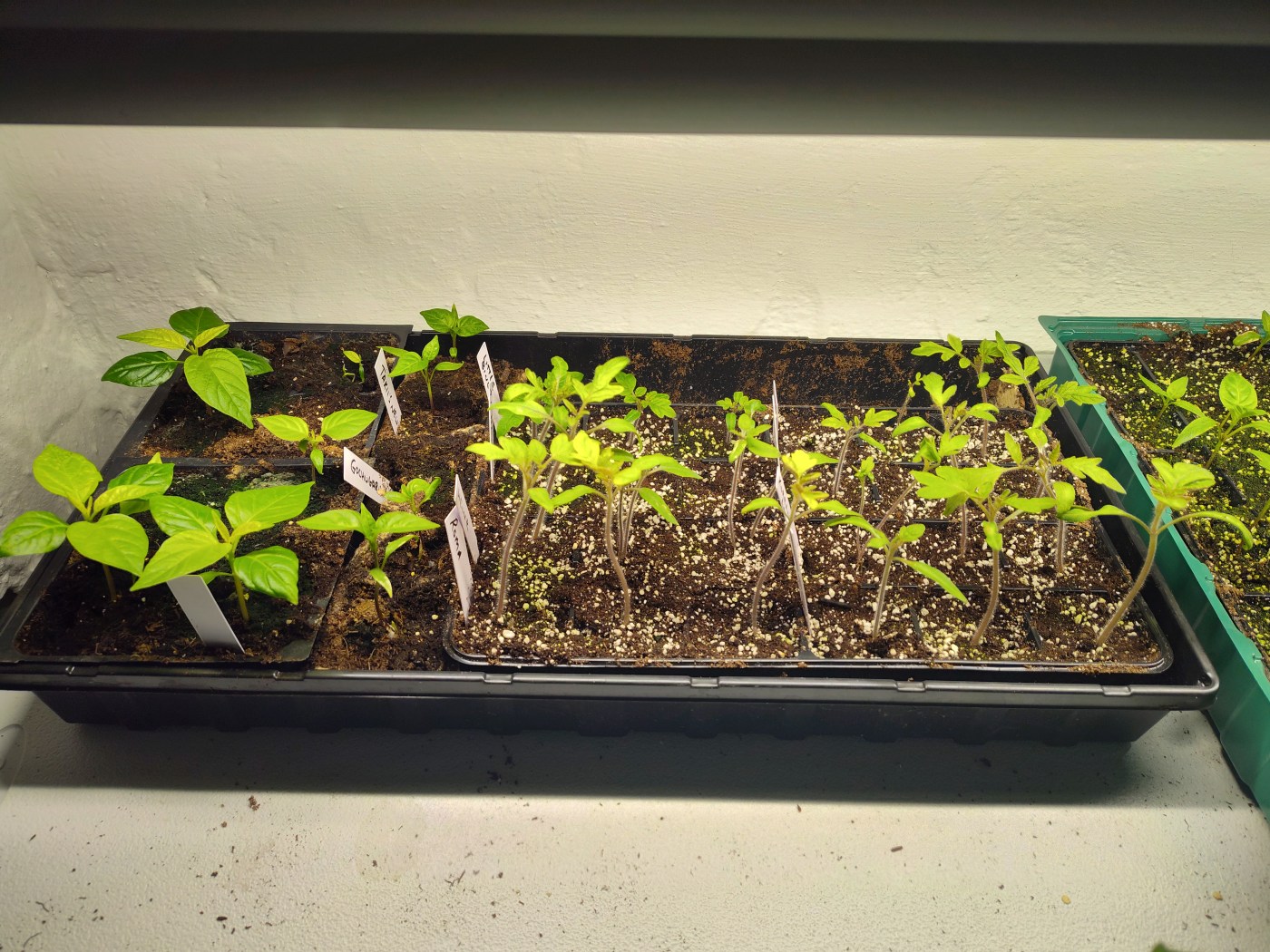
Being completely transparent, I started this post with the intention of writing about my struggles with seed starting and how I’ve been questioning my abilities to do so. Part of that was because I was initially having issues with starting seeds this year. I actually wrote about these problems in a post titled When Is It Time to Restart Seeds? In it, I described the struggles I was having with our pepper seeds. Germination rates were low, which led me to question my ability to start seeds and figure out what went wrong. In that post, I mentioned that I was going to take a patient approach with them and not restart seeds too quickly. I followed that up with a post about how happy I was that I took a patient approach. I let my first set of seeds go for an extra week or so, and the majority of the cells germinated. It was because of this result that the direction of this post has changed.
Success Has Been More Than Patience
Although being patient with our seeds has played a large role in the success we’ve had this year, I think the success is the result of more than simply being patient. That thought stems from a conversation Magz and I recently had. A couple of days ago, I was showing her how successful our starts have been, and she commented that she thinks it has something to do with how calm I’ve been when it comes to this year’s garden.
In the past, I’ve approached pretty much everything with a degree of excitement or agitation. I wasn’t necessarily overly excited or agitated, but I struggled to control my emotions, which resulted in not being chill. When it came to gardening, it led to rushing through things, making mistakes, and working hastily. I’ve tried to have a different approach this year, both because of how poorly certain aspects of last year’s garden went and learning how to manage my emotions better.
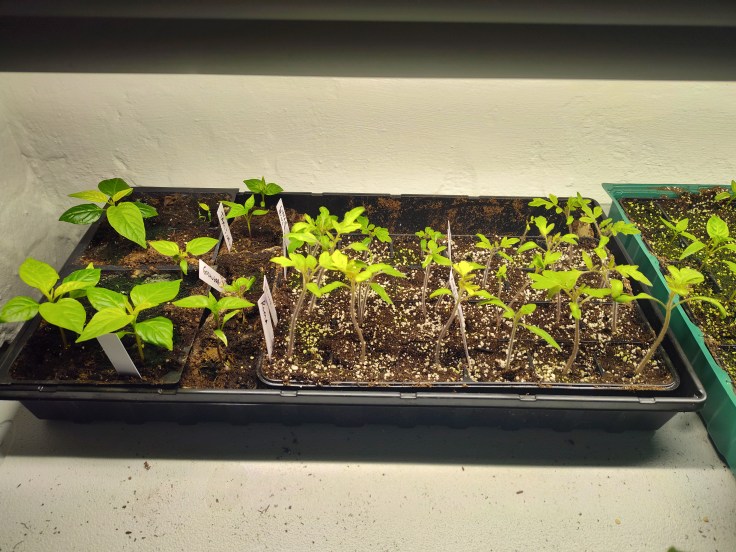
This change started by delaying the seed-starting process a few weeks. Last year, I started them when the packets said to, which resulted in leggy plants by the time the weather cooperated enough to transplant outside. This year, I nearly started them too late and forgot to buy some of the supplies we needed. But despite those hiccups, the result has been overwhelmingly positive.
What Does Calmness Look Like When Gardening?
This question will likely have a different answer for everyone, but for me, calmness means a few things. The first is approaching every task with the right mindset. That doesn’t mean having to be in a perfect mood all the time, but it does mean that I need to be focused and not sidetracked. I need to be aware of what needs to be done. This allows me to see things clearly, notice when plants are growing or struggling, and address things accordingly. If I’m unfocused when I go downstairs to look at our starts, I may overlook something or do something wrong.
Things are going to go wrong with a garden. It’s a fact. Seeds won’t germinate, transplanting starts will fail, the temperature will be too warm or cold, and you’ll get too much or too little rain. Those are all things that will inevitably happen on a yearly basis. It’s like baseball: a batter can get on base 4 out of 10 plate appearances and be an All-Star or Hall-of-Famer. Failure is part of the game. But when you fail when gardening, you can’t be too hard on yourself or let yourself get too low. Every failure is a learning opportunity to succeed next time. That mindset helps you stay calm, which carries over to the last point.
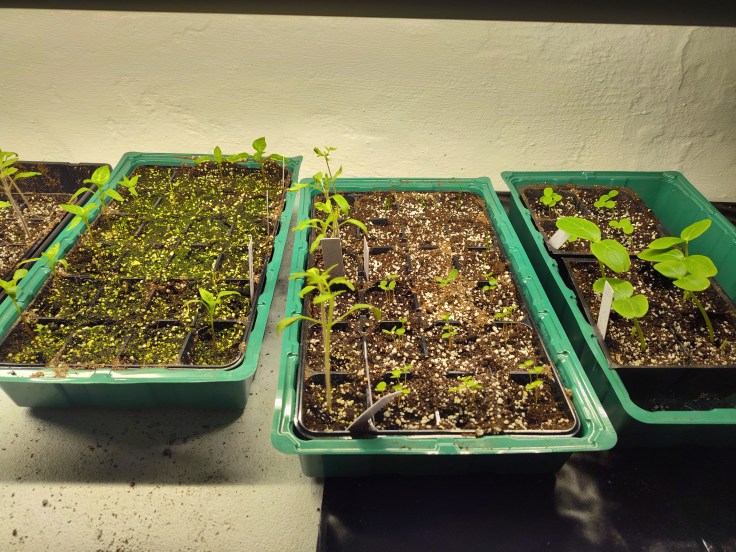
I think it’s important to be gentle. I think it’s important to have gentleness in all areas of life, even though it’s something I struggle with, and considering mainstream society doesn’t promote gentleness, it’s rare to see it in public. But when we act with gentleness or out of love, the reactions are positive. With humans, it can be disarming and lead to real conversations. When gardening, it can result in healthy and productive plants that reach their full potential and provide great yields. To me, being gentle when gardening means having soft hands and being delicate. When I’m starting seeds, I need to be gentle with the seeds, taking care to plant them at the appropriate depth and to not overwater. When transplanting starts, gentleness means supporting the root system so that the plant has the best opportunity to thrive in its new home. When the plant is growing or it’s time to harvest, it means picking when it’s the right time, not letting plants crowd each other, and ensuring that branches aren’t weighed down, causing unnecessary stress.
It may seem crazy, but I think there is something to having a calm demeanor when gardening. I doubt that there’s scientific evidence to back it up, but I’m convinced plants can sense our stress levels when handling them and respond accordingly. It’s similar to animals: they can tell when we aren’t calm. Perhaps we’re rushing through interactions with them or being short. That behavior affects the interaction and relationship. And I don’t think that this mindset needs to stop with animals or plants. If we all took a second to step back, take a deep breath, and treat others with gentleness, we’d be a much happier society.
 One Rabbit Riot
Leave a comment