#15 – Pattern Drafting

The most intimidating part of sewing for me has been pattern drafting. Possessing the understanding to draft a pattern for a garment demonstrates the knowledge of how the pieces of the clothes we wear every day are put together, plus having the foresight to sketch out the shapes on the fabric in a 3D form. It’s a lot! But that is how clothing makers have designed and crafted pieces for most of fashion history. Before the paper pattern was made available in the mid-19th century, garment makers had to understand how to create these building blocks.

“All devotees of home sewing should know these two names: Madame Demorest and Ebenezer Butterick. Madame Demorest, wife of a successful New York merchant, was the first pattern maven. In the 1850s, she began selling tissue-paper patterns for home sewers via mail order advertisements in fashion periodicals such as the Ladies Gazette and Godey’s Lady’s Book. Initially, these patterns were ungraded, meaning that the seamstress had to enlarge or reduce the pattern to fit her figure. Garment elements such as sleeves, bodices and skirts were sold individually so that the sewer could create her own dress. In 1860, Madame Demorest began to sell her patterns through her own publication, called The Mirror of Fashion. Patterns were also sold via “Madame Demorest’s Magasins des Modes” shops, of which there were 300 national and international locations by the middle of the 1870s. By the late 1880s, Madame Demorest and her husband had sold their pattern empire and turned their interests to philanthropy. Though Madame Demorest may have been the first to sell tissue-paper patterns, Ebenezer Butterick was the first to sell graded patterns. According to Butterick’s corporate history, Butterick created graded patterns in response to a comment his wife made when sewing a garment for their son. “

Museum, F. (2009, August 4). Sewing patterns. FIDM Museum. https://fidmmuseum.org/2009/08/sewing-patterns.html

What I have challenged myself to do in my journey of sewing is to understand these building blocks to create my unique patterns and connect with the craft of it as a maker. I’m a nerdy person, I love digging into the story beneath what we do. That’s why majoring in History called to me even as my desire was to study fashion. I realized through the mentorship of a great professor that I could understand the motivation behind the garments and how people lived their lives in them which would provide a deeper understanding of fashion history. How cool is that? Since that point in my studies, I’ve craved a deeper connection to clothes. It became more than just an artistic exercise of sketching a design I had in my head, I wanted to understand why fabrics are the way that they are. How trends interacted with culture and history. And so as I was looking to go deeper in 2021, I consumed a lot of Bernadette Banner, Nicole Rudolph, Karolina Zebrowska, Morgan Donner, and Cathy Hay’s content. They dig into the meat of garment construction and silhouette in a way I wasn’t introduced to fashion design by Vogue or Harper’s Bazaar. In doing so I knew, yes paper patterns would be necessary to learn from, but I needed to learn how to draft the shapes in the old way to make things I couldn’t find in the pattern envelopes of Joann Fabrics or Mood’s Sewceity.

For example, the silk halter dress and black and white tank dresses were hand drafted from my own measurements, being draped and cut based on my own form. In comparison, the light blue summer suit above was made with the assistance of two paper patterns to understand the construction of a collared shirt and shorts, two pieces that are essential building blocks of a wardrobe. But after I used the pattern to understand how to shape a collar and cut lines of shorts it was time to go back to drafting what the garment would look like based on my own pattern pieces. Yes, the suit is quite messy and I’m not thrilled with the fit of how it came out. I realized the tailoring was goofy because I deferred too much to a standardized pattern shape and now if I re-made it I could draft the whole pattern by hand according to my own custom measurements.

That is why the learning process of pattern drafting has been such a rewarding quest, it has de-programmed my brain from the effect of standardized sizing and fast fashion. Those pre-made patterns while essential to learn, can’t fit everybody and every shape it’s not possible. My student garments have not been the most flattering or pretty to behold because I am learning the process of fitting, it’s been a slow burn but when it all comes together I can see how much clothing is actually made for an individual instead of a mass market is just so dang luxurious to wear. Even when it is not perfect I’ve felt the reward. The bigger reward though is that because it is a learning process, eventually the tailoring and my construction skill set will catch up to the ideas in my head and my clothes will turn out exactly how I picture them.

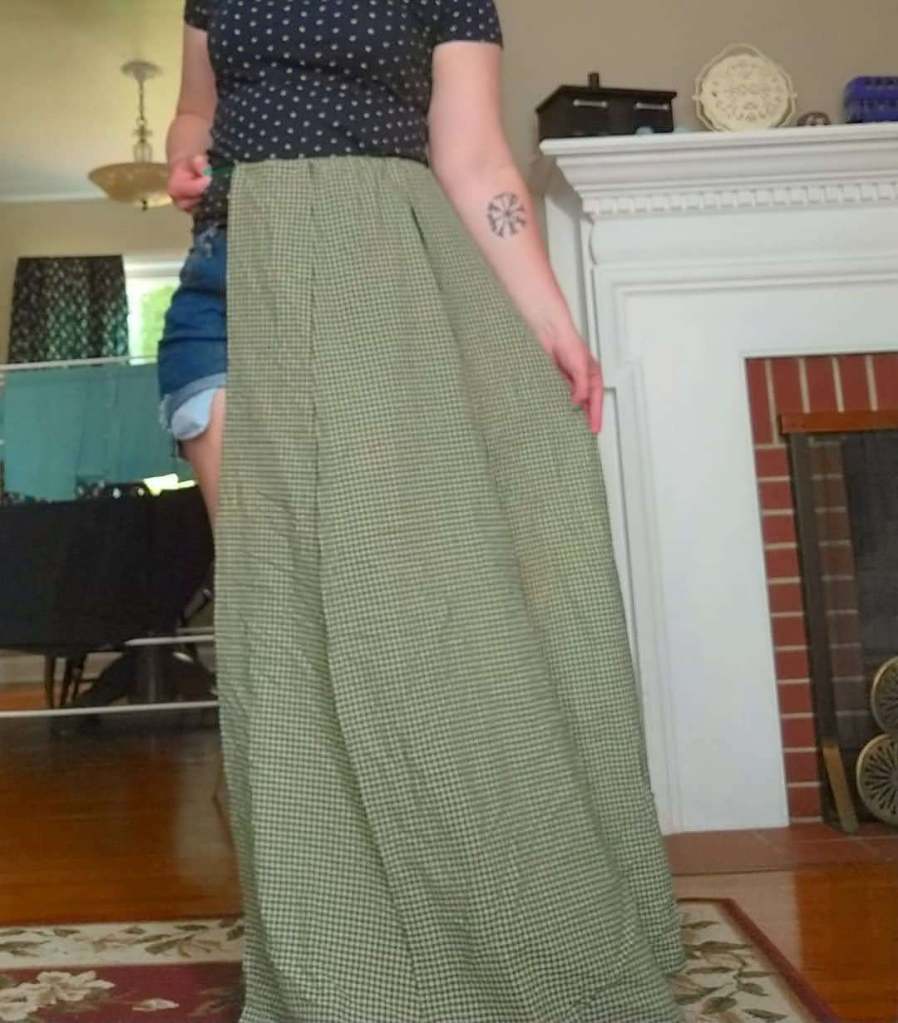
I think sometimes we underestimate the effect fast fashion is having on our minds in the way we relate to clothes. We are accepting uncomfortable, cheap-quality, synthetic fabric clothing that is made to be disposable. It is not supposed to be like that. Take this dress featured below, it is made from 100% cotton that I purchased for $4.00 a yard from a quilting fabric store. Because it was a natural material it held up to wear and washing and was breathable. It was such a comfortable fabric to wear in the summer and did not fall apart. The dress I made was drafted according to an older style of skirt, with 10 skirt panels that were tapered to the waist to make the skirt swish, as taught to me by Bernadette Banner’s videos. I then drafted the bodice using historical dress-making techniques from the Victorian era, as taught by Cathy Hay’s videos. This garment fits me better than my wedding dress. Hands down the best-tailored garment I’ve made according to traditional construction techniques! It took me four months to complete, as I was still learning how to sew and draft. It only cost me $16 dollars in fabric although it looked far more expensive when it was done. I guess my point is by sharing this is to share with you, reader, is to share how valuable it can be to learn the old techniques instead of deferring to technology. Let our knowledge and craftsmanship define our creations instead of a piece of technology, like AI. Not all of our modern ways know best. Fast fashion certainly doesn’t!
#12 – Pyjamas

As a kid, I used to sketch clothing. My friends and I imagined our own fashion brands and collected these sketches into booklets, like homemade catalogs dreaming of our Delia’s. We were obsessed with Mary-Kate and Ashley Olsen, Sister Sister, Lizzie McGuire, Totally Spies, Destiny’s Child coordinated outfits, The Cheetah Girls, etc. If it had a fashion twist, we were lining up to consume it. We excitedly watched What Not To Wear, America’s Next Top Model, and Project Runway, hoping one day that we would be a fashion force to reckon with. I gravitated to the design side while my friends were more interested in modeling, stylist, and it-girl/influencer ideal. To be honest, I think that girl of 11 would not believe the garment that would solidify my feeling of a true designer would be a set of loungewear instead of an avant-garde gown.

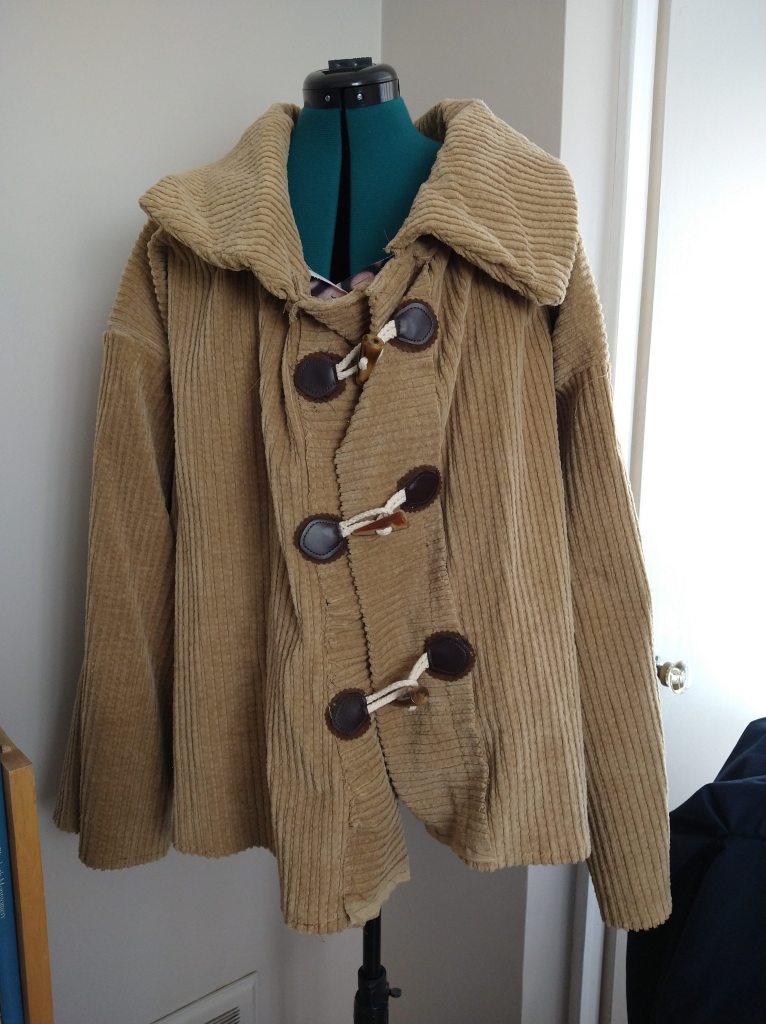
My sewing plan for 2022 had been simple, make, make, and make some more. I scoured Joann’s clearance bins and drooled over Mood’s selection of prints itching to make something of a higher caliber than my previous tries. I had drafted my own coat, tried some vintage patterns, and successfully made lounge pants for my husband yet had struggled with fitting my own pants. I had dabbled in tops but didn’t understand shoulder seams or hoods. I was still quite green! But I needed some new pajamas and thought hey, let’s do this. So I dug out of my fabric stash this cheerful blue gingham in soft cotton shirting. It felt like being wrapped in a hug with a little drape. I was feeling cocky after sewing two vintage patterned dresses earlier in 2022 and thought, how hard could it be to make myself some pants. I figured out that 1940s pattern, I got this. And actually, it turned out to be one of my favorite early pieces!

This set was made of a pair of high-waisted drawstring pants with oversized balloon-style pants that tapered into a cuffed ankle. The matching crop top featured a generous hood and long sleeves with a boxy fit that just felt so relaxed and cool. With the hood up I felt like Princess Leia in her original white dress. The geometric pattern and unusual silhouette gave me the confidence to seek out my own style with sewing, not just be a vintage hobbity cottage-core girl that was so popular around this time. This helped me to remember to be playful with my designs and inspire the little girl who sketched clothes while she was supposed to be taking notes in class. It reminded me of the Cheetah Girls matching track-suits and avant-garde silhouettes I craved from street style.

What made this feel full circle was not just how good I felt in the garment, but the doors it opened up. My cousin’s daughter fell in love with the piece and wanted me to make her one. That was the first time I had made something that people wanted to buy. It felt incredible! But also taught me that the vision of what I dreamed of becoming, was not that far off from those designs I sketched as a kid. They weren’t show-pieces for a runway, they were real-life clothing that was playful and useful for living life in. I realized I do have a place in the fashion space even if I’m not in a fashion capital, running a brand. The world right now doesn’t need more ballgowns or high fashion editorial pieces, it needs functional clothing made locally and created with love for the people we love. I could be a fashion designer who could make humble pieces a little more special. That’s where Potato Technology became a tangible idea instead of a pipe dream.

#5 – Fashion Design

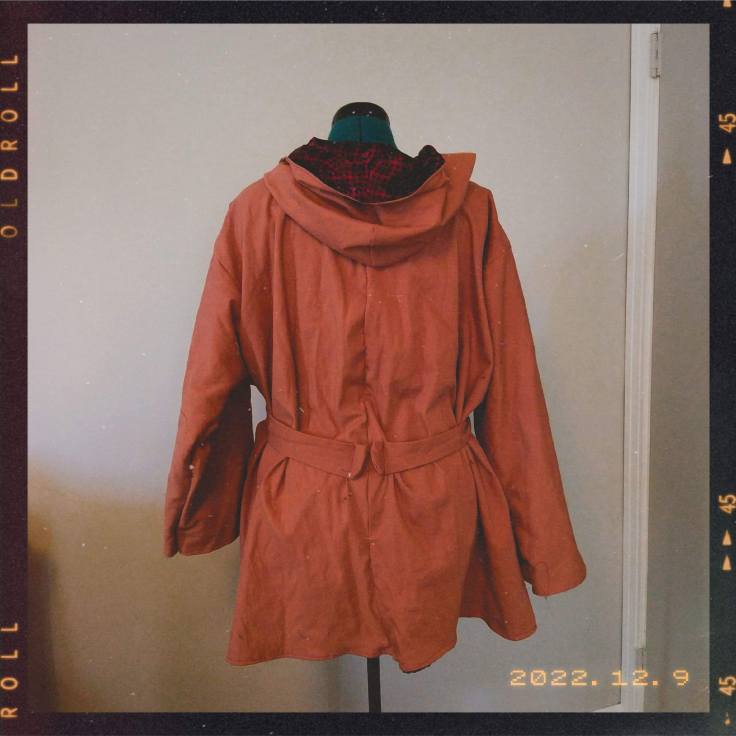
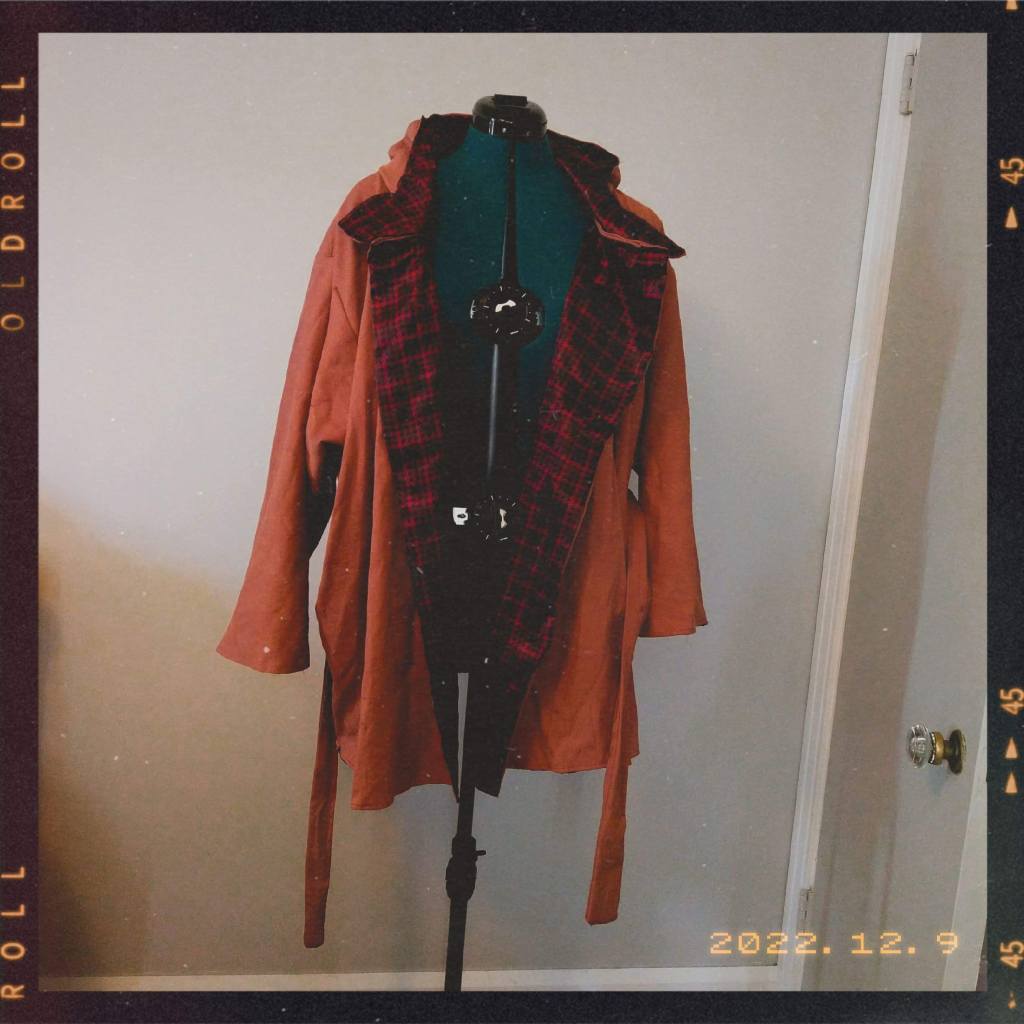
Potato Technology is my brand, my design studio. As I became a more experienced sewist and designer I realized I wasn’t happy just making things. I wanted a brand I could work towards, a cohesive vision to find my voice in fashion. So I followed my dream. Here’s a taste of what I plan to share with you on this platform!

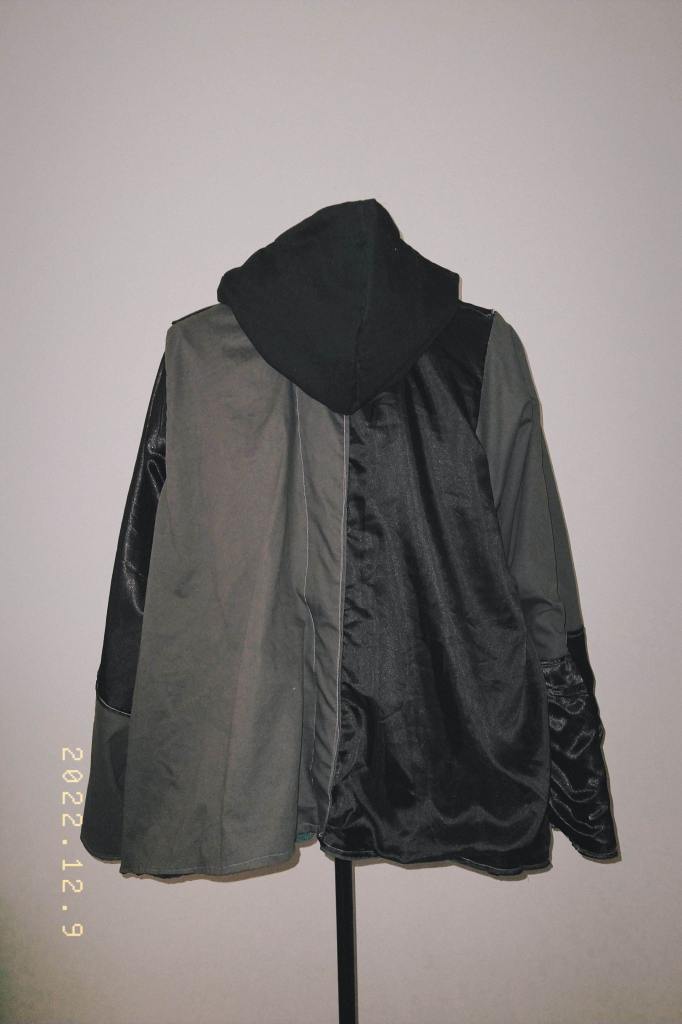
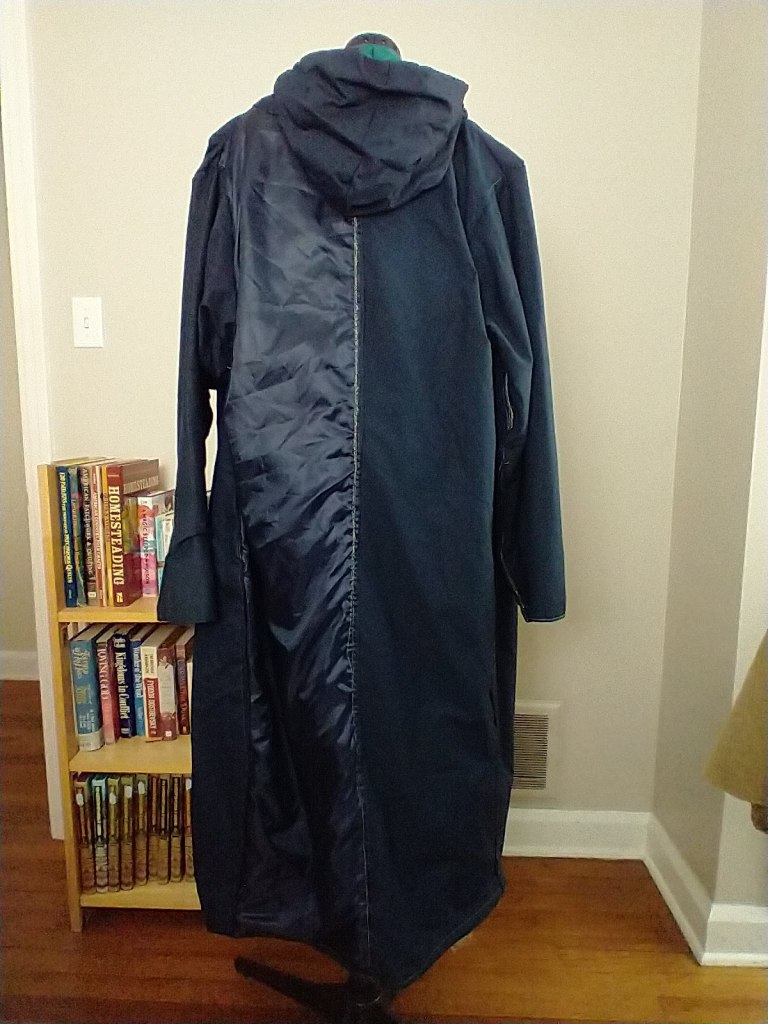
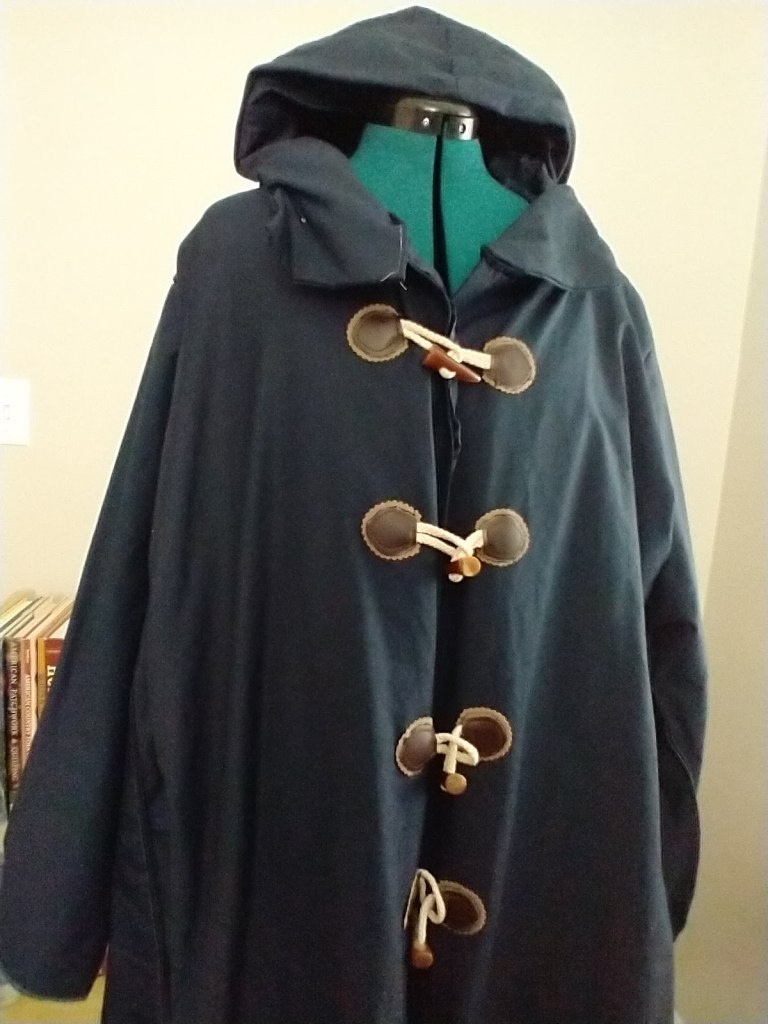
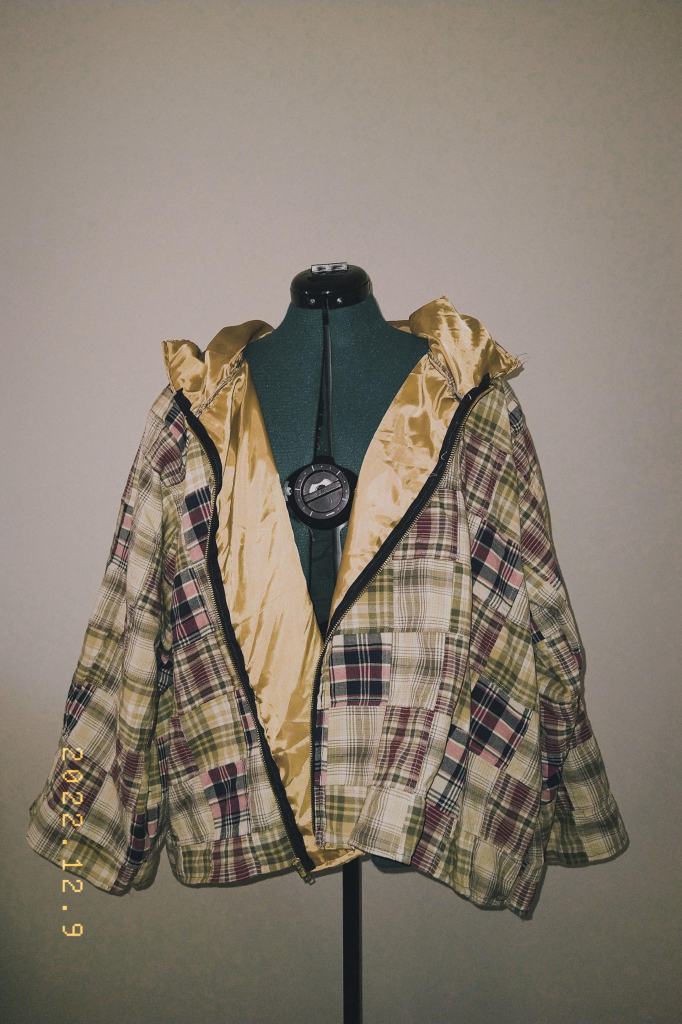
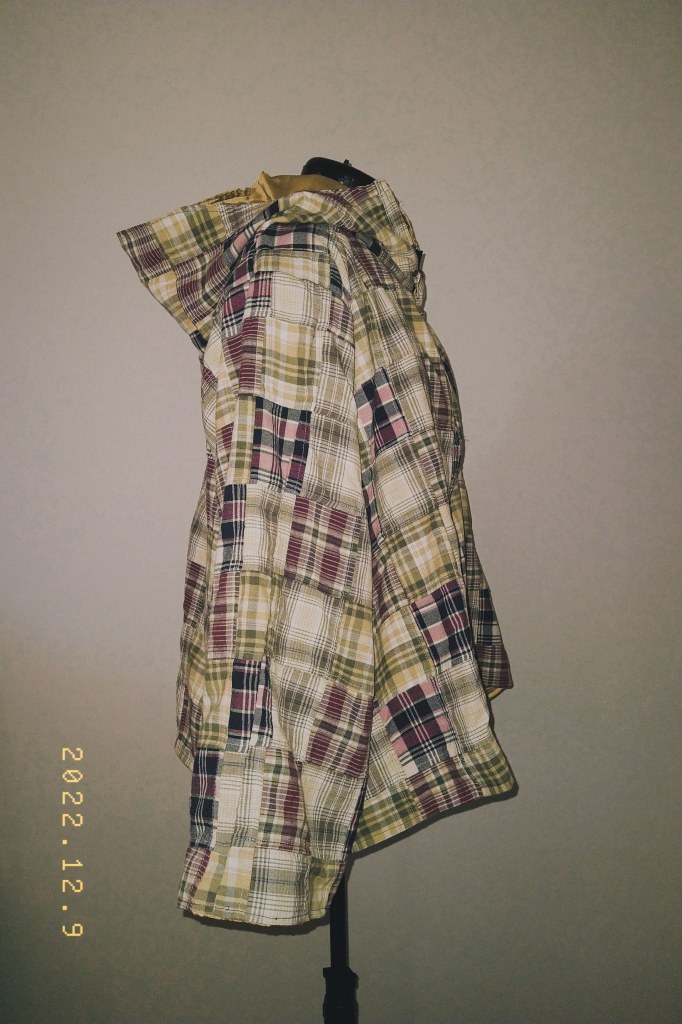
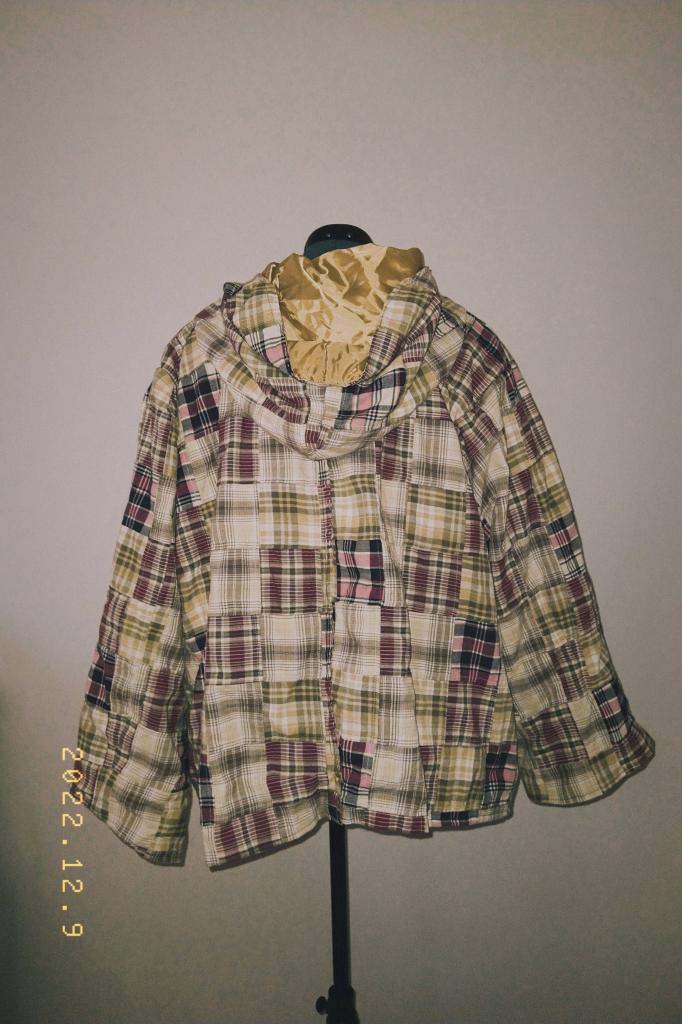
Wonderland Jacket, A/W 2022.

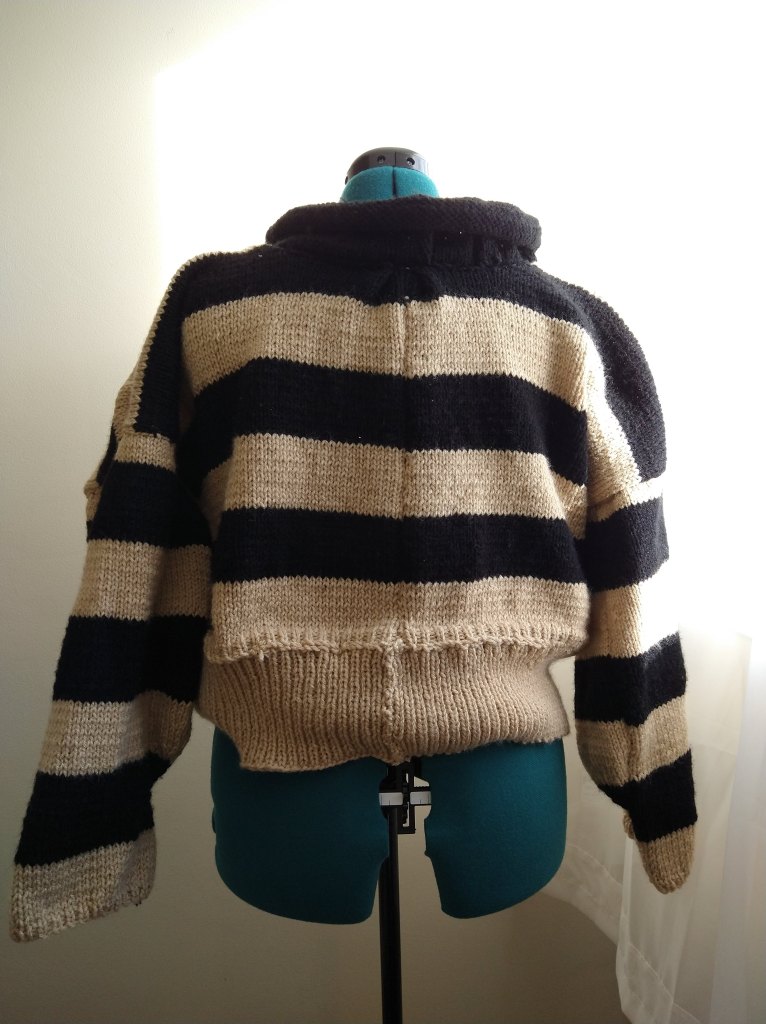
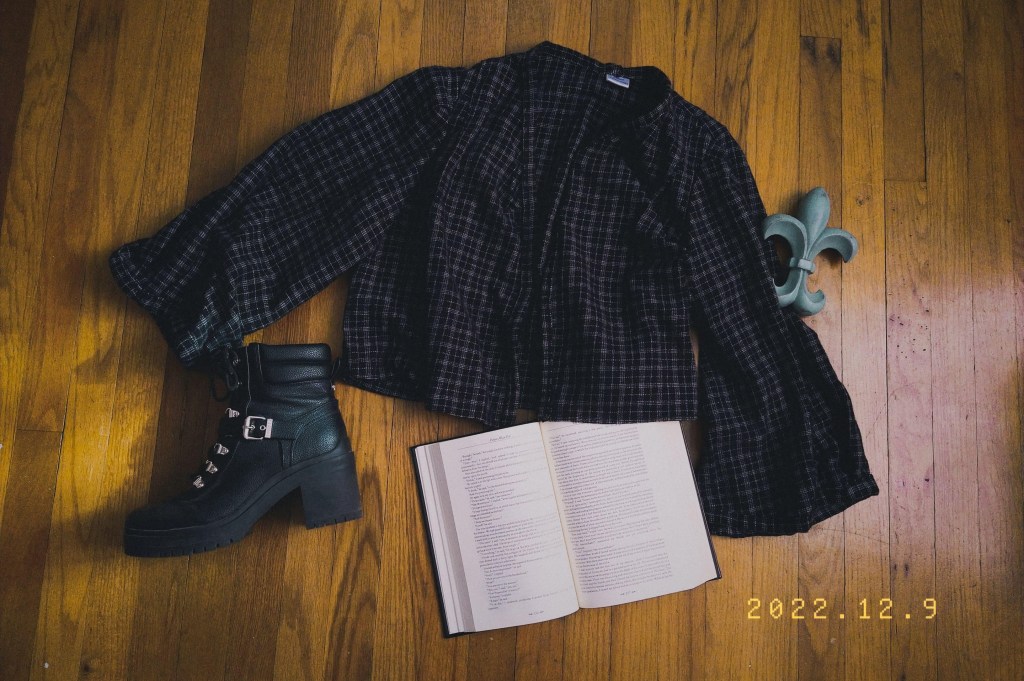
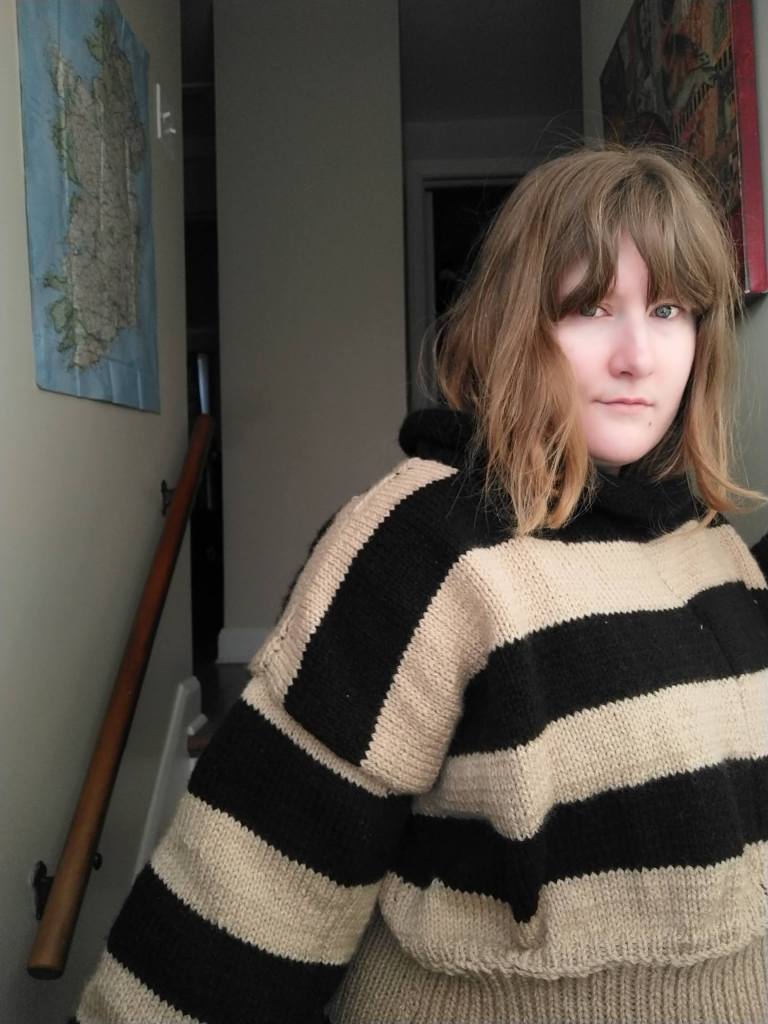
Banshee Sweater, A/W 2022.

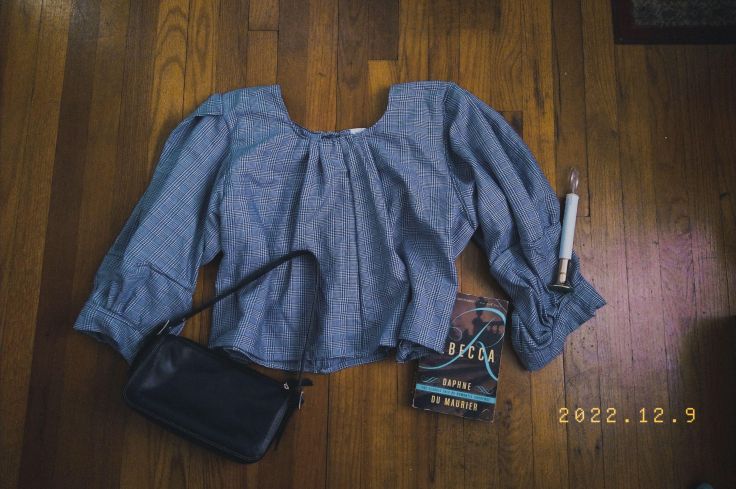
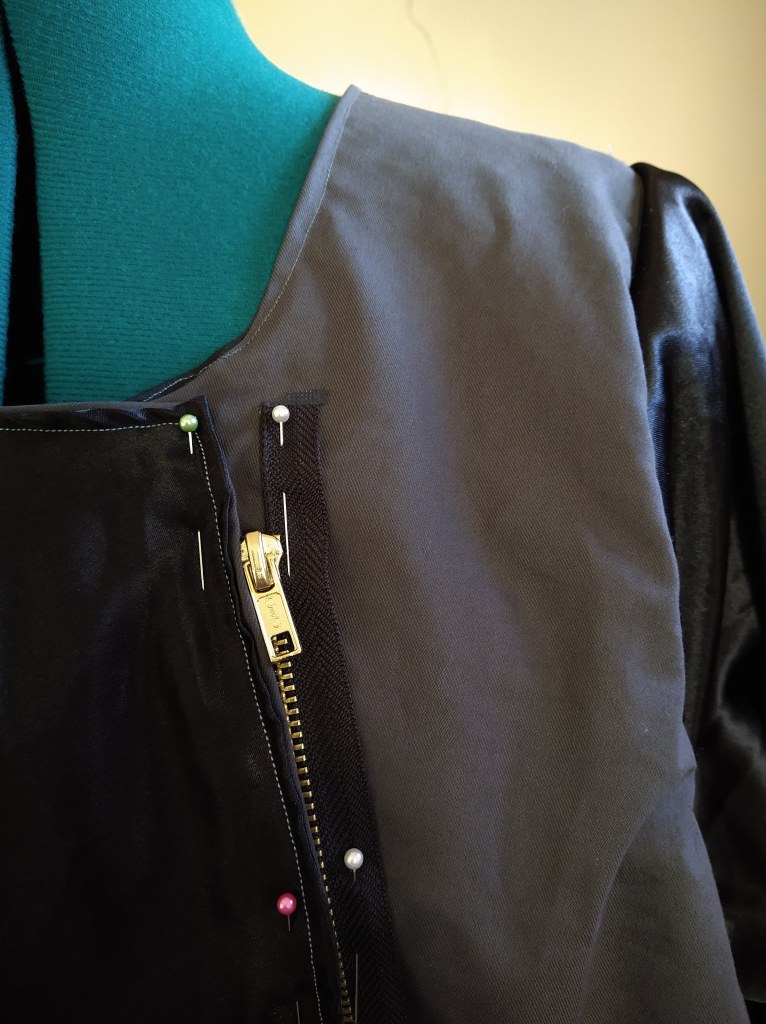
Black Currant Blouse, S/S 2023.

#3 – First Sewing Project

As I think back on drafting my first garment, my first reaction is I probably should have bought a pattern. That being said this is how I dove into my favorite hobby, the world of sewing!

Currently, I’ve been sewing my own clothes for 2 years and 8 months. It’s been a wild ride of exciting transformations from fabric to form, absolute failure where I chuck the garment, and moments of great frustration that have tested my mental fortitude. Fashion is not for sissies, as Tim Gunn once said, and I wholeheartedly agree! So, how did I start the process? Kind of on a whim to be honest.

It was the end of summer and autumn was making its way into our world even though it was late August 2020. We were all coming out of the lockdown world to that long-awaited green status. It was a time of excitement. Small pieces of normalcy were taking root and calm returned to life. My husband and I had used all the endless downtime of the lockdown to get crafty! We dove in and made cards, jewelry, furniture, scarves, home decor, and a lot of bread! It was a blast and also a bit of a weird blur. I sometimes feel nostalgic for that weird time for how much resilience that impossible situation taught me. I probably wouldn’t have begun sewing without those months of training my creativity.

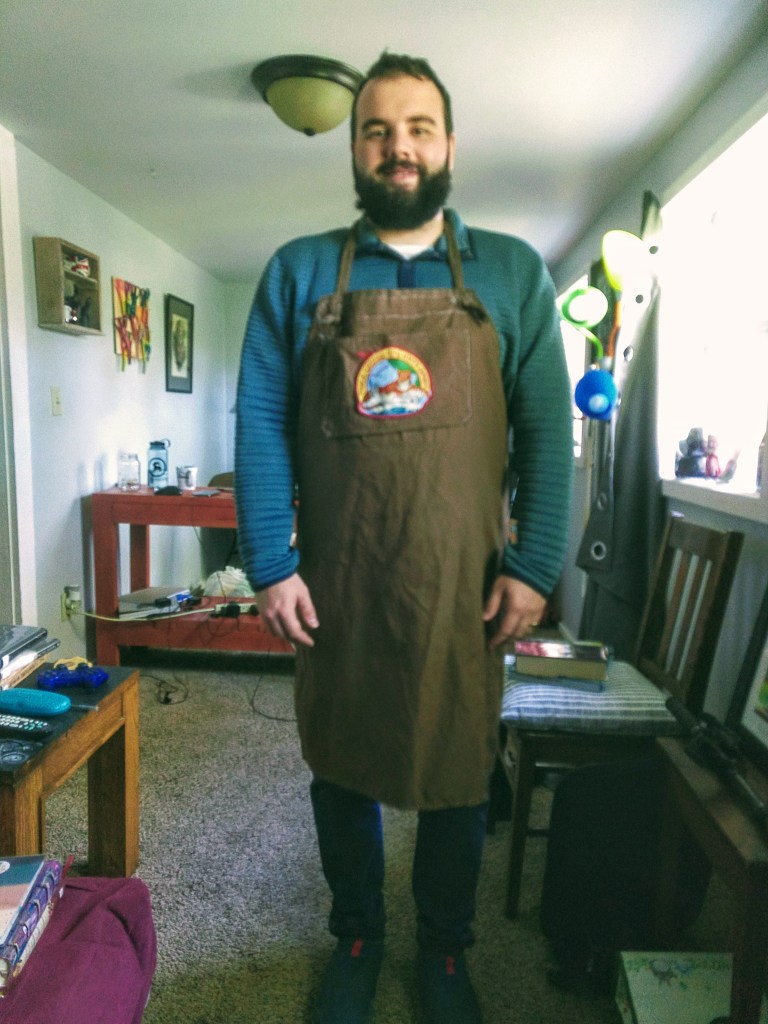
He asked me if I thought I could draft a woodworking apron.

I remember being nervous about trying this new artistic medium, even more so about purchasing the materials because I was laid off and financial security seemed up in the air. Every decision felt momentous because of how much change we were all reeling from. I was concerned about wasting money on a failed project. What if I fail? What if I make a mistake and I wasted this precious resource. What if was a theme phrase of 2020. I think we were all living in a state of fight or flight. I one know thing I did not feel confident! I was more excited and nervous.

Because of the low-contact world, we were living in, I believe I made a Joann’s pick-up order. There was no grand fabric shopping moment, I bought without feeling the weight of the fabric. I didn’t look to see how wide it would be or how much I would need with a project estimator. I bought brown canvas, two yards, and three yards of purple stretch velvet. Unbeknownst to me these are two of the most challenging fabrics to start with! Good choice, Magz, good choice!

The canvas was surprisingly easy to cut. I bought tailor’s chalk to trace out a design based on measurements and sketched out the entire garment in pieces on the fabric. Being a sturdy fabric the canvas held the drape, responded well to my stitches, and with the understanding of stronger sewing techniques, such as finishing my seams, this piece would have held up. Unfortunately, I did not and the first wash frayed the poor apron to bits. It was tragic.

On the other hand, my purple dress was a disaster in the context of silhouette and seam puckering. The bubbling sleeves, uneven neckline, and crinkly hem were not good. But, it stayed together remarkably well, and with a pattern to properly shape the garment, it had the potential to be a dress that became a wardrobe staple for me. The problem I ran into, was the tailor’s chalk disappeared with every stroke, but truly it was being a greenhorn. I scrapped my entire drafting plan and decided to wing it. The result shows how free-form this dress was. I half-draped-half pattern pieced this dress into life. Let’s focus on the positives though – it’s a dress. Not a blob. A real-life, genuine dress! I was so proud.

Looking back on it with a lot more experience, all of these decisions seem incredibly reckless but at the time I’m grateful I just dove in head first. I seem to make the most progress that way. That is what life is about. So if there is something you want to do, do it. Even if you make the wrong choices in hindsight, I learned about fabrics, construction, and how to pattern cut on the fly. It was pretty exciting! The projects turned out fairly well for not using a pattern too, so believe in yourself! Most importantly, remain teachable. My grandma always reminded me to keep a teachable spirit with all my endeavors, and you know what? She was right.

Create a website or blog at WordPress.com

Up ↑