Peppers have proven to be the most frustrating vegetable to grow. We didn’t harvest any peppers last year despite growing several varieties. This year has been much of the same. I started a bunch of seeds inside and transferred them outside. They did decently for the first couple of weeks after being transplanted before inconsistent weather, grass, and pests took most of them down. This has been extra frustrating, because when we had a container garden in 2022, we successfully grew jalapeno and banana peppers. So, what has been going wrong, and what progress do I allude to in the title of this post?
I think the problems with our pepper plants can be separated into two categories: failure points that I had control over and ones that were out of my control. What was in my control is pretty obvious. Annoyingly, grass took over our garden this year despite spending time and money spraying everything with glyphosate last fall before winter arrived. When we planted this spring, the grass was dead but slowly came back until it took over everything. For a while, I tried to keep up with it, but I lost steam (and the battle). With grass at the base of the pepper plants, it allowed mildew and fungus to take root, and they soon died. The other part that was in my control was insects and pests. In early summer, I became overwhelmed by the garden and didn’t keep up with spraying for bugs. This led to insect problems throughout the garden, but especially for the peppers, where the plants soon had leaves and leaves with holes.
Then there’s the issue of weather. Pepper plants love heat and sunshine. However, Pennsylvania weather isn’t always the most cooperative, so we had a cool and wet spring, a week or so of really hot temperatures, and then a summer of average temperatures. It’s not something you can control, but it’s very frustrating when you don’t get the weather necessary for plants to thrive. Of the plants that were transplanted into the garden beds, we lost all but two of them, one bell pepper plant and one habanero plant.
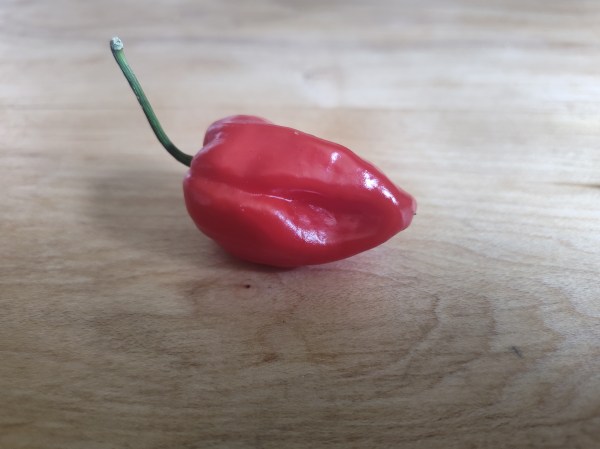
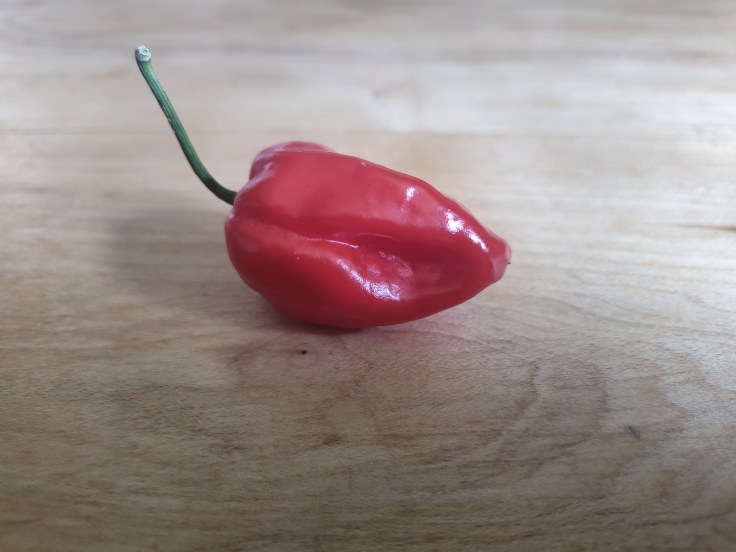
The bell pepper plant didn’t grow very tall and remains only about 12 inches tall. This means that the leaves are barely above the ground and grass, and only one fruit is on the plant. The variety we’re growing will be red when fully ripe, but it’s still green, so who knows if it will mature to the point where it can be eaten. The habanero plant has been much better. It also isn’t very tall, but for hot pepper plants, this is okay. The plant has put three or four peppers on them. One had bug bites and bruises on it, I harvested one, a third one is close to being ripe, and there is at least one more on the plant. We haven’t eaten the picked one yet, but it’s so exciting that I finally was able to harvest a fully ripe hot pepper.
That’s not all, though. About a month ago, I transplanted four gochugarju pepper plants into a grow bag, and they’ve taken off. All four are healthy, have grown to 24 inches tall, and have flowers and baby fruit on them. As long as we get normal weather in September, we’ll be able to harvest at least one of the peppers. So, why is this a big deal? I think anytime we work at something and have struggles, it’s always a reward to have a win. Whether it’s finally playing a riff you’ve spent months learning or you successfully cut dovetails, it’s an accomplishment to finally achieve something you’ve worked so hard to learn. For me, growing peppers in an otherwise tough year for gardening is a big win. It allows me to take the lessons I’ve learned this year and apply them moving forward.
Is there a plant that you struggle with? If so, what is it, and were you able to finally beat the struggles? I’d love to hear from you.

