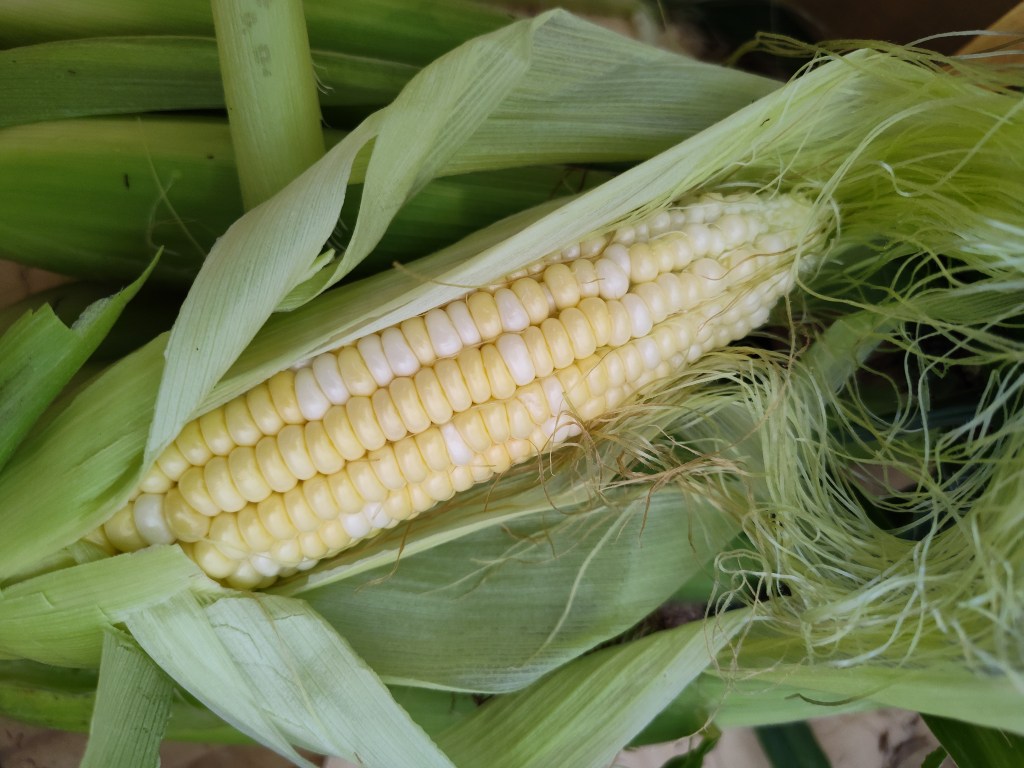
Weekly Garden Update #15 – Final Plantings, Weeds, and Dealing With More Rain

In this week’s update, we continued to harvest greens and radishes as they were ready. We also bought some starts for plants we were having trouble germinating, we navigated weeds and grass getting a bit out of control, and the rain just won’t stop.

Buying and Planting the Final Starts

We made a decision this past weekend to revisit our local greenhouse and buy some more vegetable starts. This decision came on the heels of struggling to get our Principe Borghese tomato and eggplant seeds to germinate. Earlier in the spring, I had success with getting the Principe Borghese seeds to germinate, but I’ve struggled with the eggplant seeds. We bought 2 eggplant starts, 4 San Marzano tomato plants, and 1 cherry tomato plant. We have some cherry tomato plants started, but we wanted a more mature plant at this point.

Eggplant, gardening
Our eggplant start

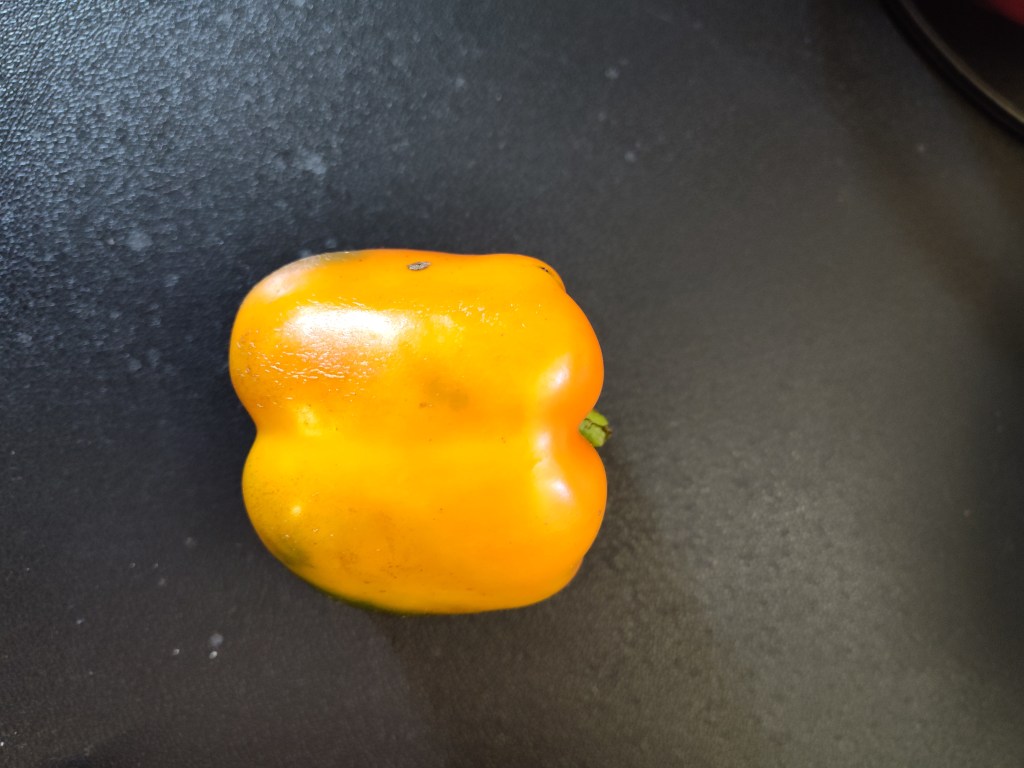
We also bought 4 Cal Wonder pepper plants, 3 tomatillo plants, and 1 basil plant. We have a few Cal Wonder plants started, but the cool weather and rain have made growth slower than we’d like. We bought more tomatillo plants after our struggles with the three-striped potato beetle that I mentioned in last week’s update. Finally, we bought a basil plant because we didn’t have any basil until now. Those were all transplanted into the ground on Sunday.

Basil, Gardening
The basil plant we picked up

Last week, we also got the majority of our own starts into the ground. We planted all our squash, cucumbers, and melons, which were the bulk of our remaining starts. We also planted our final beans, yellow squash, and zucchini seeds. That leaves us with only a few tomato plants and any seeds we want to succession sow until we plant our late-season crops.

Dealing With Weeds

Weeds are something that every gardener has to deal with each year. You can do everything to prevent them from growing, but they’ll still pop up. In our situation, the weeds have been as bad as we expected. Because this is our first year gardening in this space, the property was covered with thick grass and many weeds, mainly dandelions. We didn’t have the chance to kill off the grass and weeds before tilling. Ideally, we would have laid out our garden beds in the fall, killed the grass with chemicals or plastic, and tilled them in the fall so that everything could have taken effect during our very cold winter.

When we initially tilled the beds, the weeds and grass were largely removed, and in the rows where we planted things, that’s remained the case, for the most part. In the first bed we planted in, the grass has come back in full force, which is annoying. It’s difficult to see the carrot and beet tops through the grass, but we’re managing. Our plan is to re-till that section of the bed after the carrots, beets, and parsnips are harvested. I did that in another section of the bed, and the grass has mostly stayed away. In the meantime, we are using a weeding tool to dig up dandelion roots (who knew they were so woody) and pruning shears to cut back the grass. After everything is harvested for the year, we’re going to take an aggressive approach to remove all the weeds.

More Rain

This spring has been one of the wettest I can remember. Early last week, we had several days of sunny, dry weather that allowed the soil to dry out nicely, which the plants loved. The end of last week brought more rain, however, and lots of it. Even though the meteorologists were only calling for about a half-inch of rain, we got more than 2 inches. It led to our beds temporarily flooding until the water drained through the soil. Thankfully, the soil did drain, which indicates that our efforts to amend the soil have been successful, but there’s still so much rain.

The plants aren’t growing as fast as they normally would because of the lack of sunshine, but they’re holding on. It has taught me so much about how hardy plants can be. The 10-day forecast provides some positive news. Although there is some rain in the forecast for the next 4 days, the total rainfall isn’t a lot (about three-quarters of an inch). After that, we’re supposed to have 4 consecutive days of hot, sunny weather, which the plants will love. Hopefully, the meteorologists get it right this time.

Up Next

We are definitely getting to the end of the planting portion. We’ll get our remaining tomato and pepper plants in the ground, and that’ll be it. I still need to build the trellis system for our beans, which I’m hoping to do this week. But in general, it’s starting to become a time period of maintenance and slowness, which I’m looking forward to.

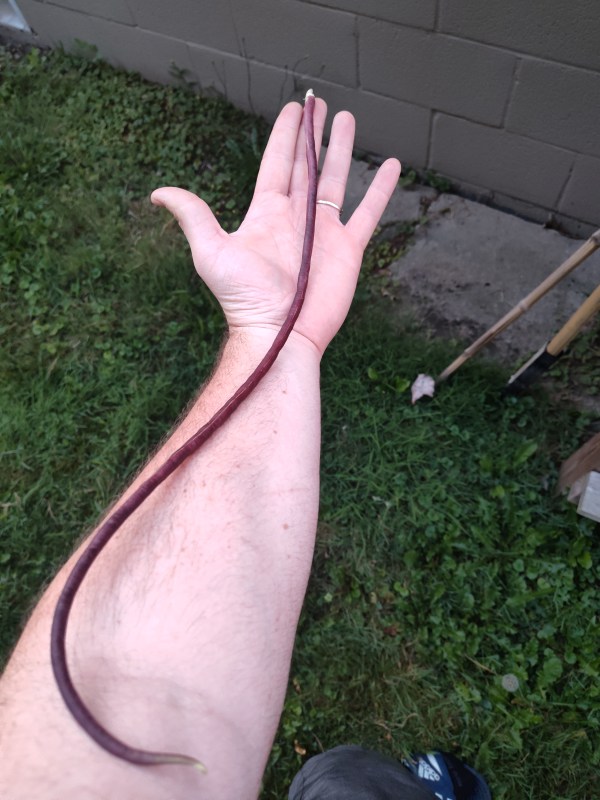
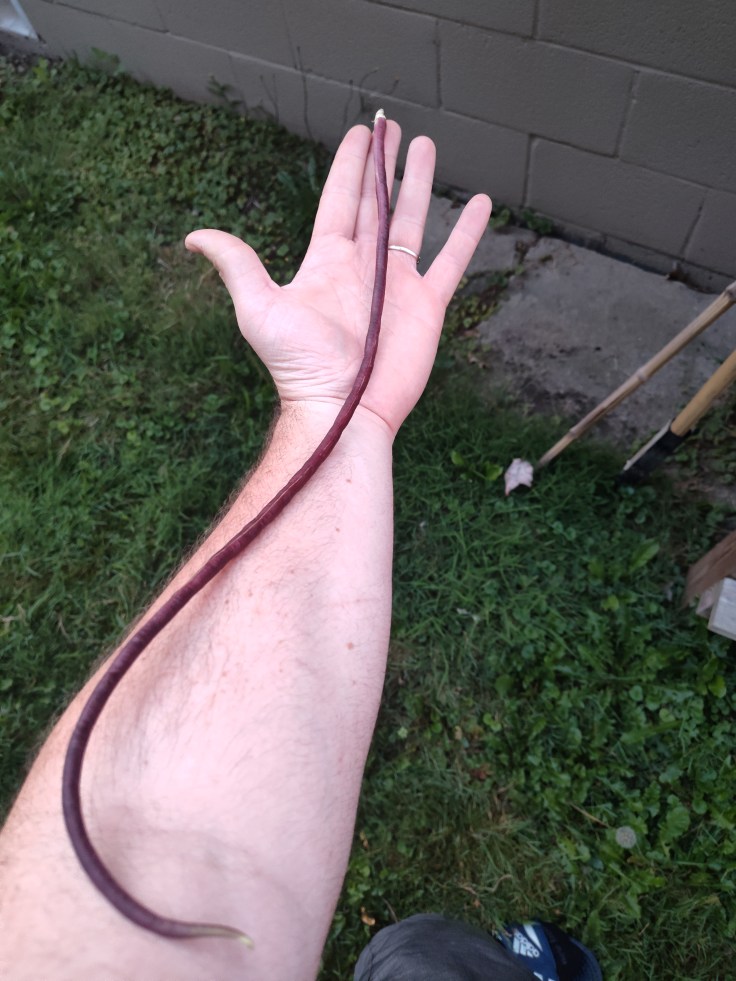
Long Beans, Gardening
Our long beans are taking off

Have you had any problems with your gardens this year? Is it a wetter-than-usual spring where you live? Thanks for reading, and Happy Gardening!

The Rain Barrel: A Gardening Game-Changer

In several of my weekly gardening updates, I have mentioned that we installed a rain barrel. I have known several people with them and have been excited to have one of my own for quite a few years. The opportunity to save some money on water? Sign me up!

Before buying our house last summer, we had been renters, so this was our first opportunity to have a rain barrel. As we were planning our garden, the idea of having one for this year came to mind as a potential reality rather than a long-term thought. We knew that we’d need a large amount of water for the garden, and we were looking to reduce our dependency on city water.

Our Barrel

We picked up a 55-gallon food-safe blue barrel from Rural King. It was previously used for transporting drink concentrate. It was $30, so it would quickly pay for itself. We also needed to buy the spigots and a filter for keeping leaves and other debris out of the barrel. Those items came from Amazon.

Rain barrel
Rain barrel

When adding a rain barrel, you can either buy one that is completely put together or repurpose something else. We went the latter route and saved money ($50), but it is a good deal of work. Instructions can also be vague, and YouTube videos may not apply to your setup. It’s also helpful to have power tools for cutting and drilling and have confidence in your ability to operate them. We were able to keep costs down because we have the power tools and only needed to buy a drill bit for the holes that the spigots go through. In total, I think it took an hour to get everything set up. Future ones will take less time now that we know what we’re doing.

If someone isn’t interested in converting a regular barrel into a rain barrel, they can easily buy one. A quick Google search shows many options with prices ranging from $50 to above $100. Some of the lower-priced options are collapsible, which sounds a bit precarious, and the more expensive options hold more than 55 gallons. These rain barrels typically include everything you need to get started.

What Makes a Rain Barrel a Game-Changer?

Simply put: Being able to convert rainwater into water for the garden is a difference-maker. Instead of paying for water (like we do) or using water from a well or spring, you get to use water that would normally run off the roof and be drained somewhere else. In our case, this was the yard, and it was running off into our garden beds. Converting something free into a usable resource has given us a sense of freedom that I didn’t expect.

Having the rain barrel has made us more aware of how much water we use when watering the garden and our flowers. It’s a 55-gallon barrel, but because there is an overflow spigot near the top, it probably holds around 52 or 53 gallons. We water with cans that hold a combined 4.5 gallons, so we get around 11 or 12 trips when using both cans, which is enough to water the entire garden. As a result, we are aware of the importance of not overwatering because the excess runs off, and it’s wasting the water we collected.

Using a rain barrel has also helped to contribute to the slow and quiet nature of gardening that I love. Because the rain barrel is gravity-fed without pressure, it doesn’t fill the cans as fast as our garden hose does. And that’s okay. It’s nice to take a break and let the cans fill at a slower pace. It’s also quieter than a typical hose setup due to the lack of pressure.

Naturally, a big reason to use a rain barrel is the money you can save. At the top, I said that we probably spent around $50 on everything. We don’t know what we pay for water on a per-gallon basis, but we will save enough money with the rain barrel this summer to pay for it. Gardening can use a lot of water, especially when you first start seeds, and being able to use free water that doesn’t need to be treated is wonderful.

Since we started using our rain barrel, we’ve found ourselves excited to see rain in the forecast, especially if it’s been dry in recent days or weeks. Every gardener gets excited for rain after a dry spell, since it means the plants are getting water, but with a rain barrel, you also get excited for your barrel to refill. A full rain barrel after a dry spell means your plants are watered AND you have a full supply to pull water from as needed. Speaking of refilling the rain barrel, I’m amazed at how fast it will fill. A half-inch of steady rain will fill it from empty in a few hours.

Get a Rain Barrel if You’re Able To

If you’re a gardener (flower or vegetable) and have the chance to, I recommend buying or creating a rain barrel. The financial, environmental, and plant health benefits vastly outweigh any negatives. It’s a relatively simple process to set one up, and they can be placed almost anywhere with a downspout.

Magz recently told me that some states have some restrictions against collecting rainwater, which I looked into. It appears that most of the restrictions apply to only using the rainwater for non-potable (aka non-drinking) purposes. That is an understandable restriction. Rainwater is not necessarily safe to drink, especially if it’s running off your roof and through a gutter/downspout system. Please don’t drink it. If you live in an area with more severe restrictions, I recommend trying to change those laws. Many university extension offices (here’s Penn State’s as an example) as well as the Environmental Protection Agency argue for the benefits of a rain barrel. Local municipalities and states should recognize those benefits as well.

We currently have one rain barrel but are planning to get at least one more. Collecting twice the amount of rainwater would further reduce our reliance on city water. When we create that rain barrel, I’ll take pictures and create a step-by-step article.

So, that is our experience with rain barrels and the benefits we’ve seen so far. Water conservation is very important, and being able to participate in it, even minimally, can be a difference-maker. Rain barrels also help to reduce run-off and soil degradation thanks to the presence of grass. The benefits vastly outweigh any perceived negatives. If you have the chance to, I recommend getting one. You almost certainly won’t regret it.

Do you have a rain barrel that you use for your garden? If so, what are your experiences with it?

Weekly Garden Update #14 – First Harvest, Pests & Knowing When to Stop

In this week’s update, some of our early crops were ready to be harvested. We’ll tell you what plants and how they turned out. We also encountered an unfamiliar pest and were forced to turn to non-organic pesticides. Finally, Magz helped me to realize that it’s okay to say we’ve done enough for this year and that the rest can wait until next year.

First Harvest

Over the past few weeks, we’ve been able to watch our plants grow by leaps and bounds. Our greens have developed their baby leaves, our bean and melon plants have their second sets of leaves, our corn is 4 inches tall, and our radishes have started to poke their roots above the soil. Taking note of this, we went out on Sunday and harvested about half of our French Breakfast radishes and took the first cut from some of our greens (Komatsuna and Cherokee Blue). The greens were harvested at the baby leaf stage and were delicious in a salad. They both had a peppery taste with the Cherokee Blue being the spicier of the two. Its spiciness is comparable to horseradish.

Radishes, greens
Radishes and greens

The radishes weren’t too big (about 1/2-inch in diameter and 3 inches long). This is slightly narrower than the seed packet says they should be, but that is likely the result of us not thinning them enough or the ground being a bit too compacted still. Either way, we ate them raw in a salad, and they were delicious. Radishes aren’t something that I remember people eating a lot of growing up, and most of the people who did eat them were a bit older. I only started to try them within the past few years and find that they add a nice little “pop” to a salad. They’re also very nutritious, providing calcium, Vitamin C, riboflavin, and niacin, among other nutrients.

Tomatillo Pest

Last week, when I was walking through the garden, I noticed that our tomatillo leaves had a lot of holes in them. Even worse was that something was eating its stem, which isn’t something I’ve encountered before. A quick Google search revealed that it was being attacked by the three-striped (also called three-lined) potato beetle. I did some research and learned that despite its name, this beetle doesn’t go after potato plants and only rarely goes after tomato plants, a relative of the tomatillo in the nightshade family. Trying to find an insecticide revealed the unfortunate information that organic measures generally don’t work against these beetles. Instead, you need specific chemicals to go after the larvae.
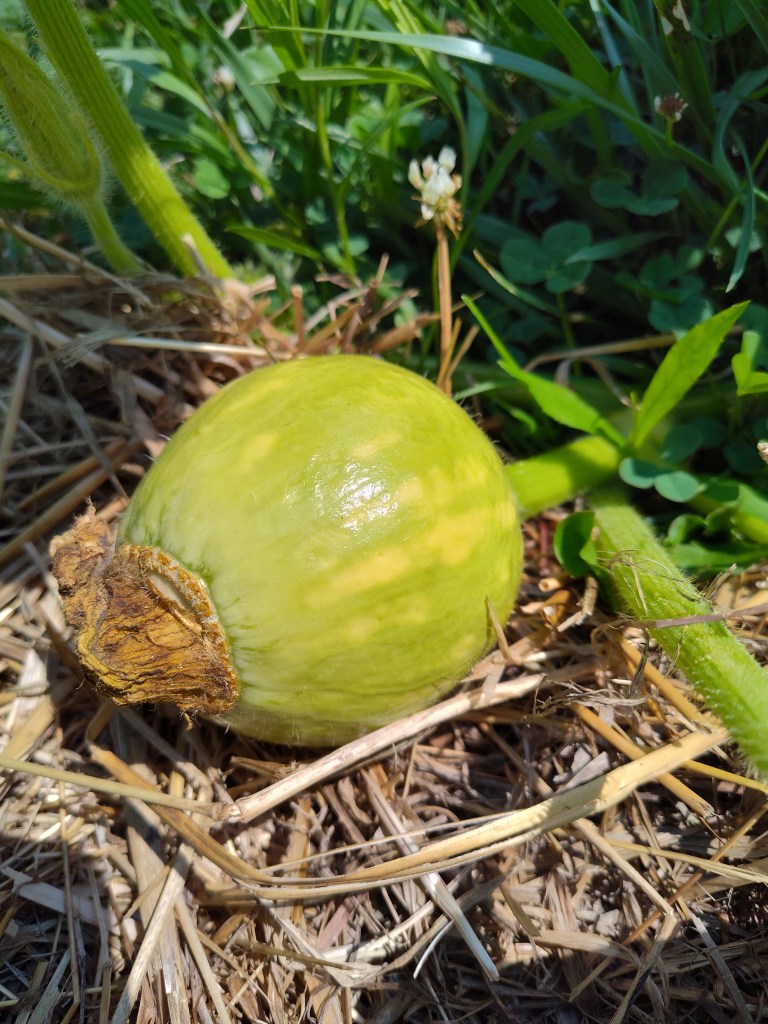
In our case, we found Garden Tech Sevin at our local Tractor Supply. While it doesn’t list the three-lined potato beetle among the insects it kills and repels, it does list the Colorado potato beetle, which is closely related. Since spraying the plant, including the undersides of the leaves, we haven’t seen more damage, but only time will tell if we caught it in time. It’s starting to produce buds, and you can see where the fruit will grow eventually, so we’ll see and keep you updated.

Knowing When to Stop

For months, we’ve planned on having six garden beds for this year. If you’ve been following along, you’ll know that we have plants in four beds, have one bed finished and ready for planting, and another that has been started but isn’t completed. I’ve been feeling stressed about needing to finish the last bed in recent weeks with all the other things that need to be done. This past weekend, Magz kindly told me that we don’t absolutely have to have the sixth garden bed this year and that it can wait until next year.

For a lot of people, this realization may seem obvious, but I’ve always struggled with reaching this conclusion. If I have a plan in place, I feel that I have to see it through, even if it’s unnecessary or not good for my physical or mental health. My natural inclination is to put myself in stressful situations by pushing through even when it isn’t needed. Having a wife who will help me to see that we can wait until next year’s garden to have that sixth bed is wonderful, because even at 33, I am unable to see that myself.

We still have starts and seeds that need to be planted in the ground, and we could certainly fill that sixth bed this year, but we also don’t have to. We’re going to have plenty of plants and work to do with our five beds. We will circle back to that final bed this fall, when we can till it for our winter cover crops.

Up Next

Over the next couple of days, we’re going to need to fence in the fifth garden bed so that we can plant in it this week. After a rainy weekend, plus thunderstorms in today’s forecast, Tuesday through Friday are looking nice with sunny skies. Our plan is to plant our squash and zucchini seeds this week and transplant our remaining melon, tomato, and pepper starts.

Happy gardening!

Weekly Garden Update #13 – Building a Planter Box & a Germination Update

In this week’s update, I share a planter box I made over the weekend to grow some beans in, and we had a lot of germination take place. We also got to experience how gardening can help spark conversation and make friends.

Building a Planter Box

When we were picking our seeds for the year, we bought a packet of Chinese Red Noodle long bean seeds. These plants produce pods up to 18 inches long, and the plants can grow up to 7 feet. Safe to say that they need some support to climb that tall. But because these grow so tall, we couldn’t plant the seeds in the same space as our other beans since they grow to different heights. Instead, we decided to plant them outside our garden beds in a raised box and in a location where they can have ample space to reach their full height. A lot of gardeners would buy something for this purpose, but because I love woodworking and building things, I had to make it.

Planter Box, Gardening, Beans
Planter box filled with soil and seeds

It would have been nice to make the planter box out of cedar, red oak, teak, or fir, but I didn’t want to waste the red oak I have on this project and didn’t have any cedar, teak, or fir. Instead, I had a bunch of pressure-treated lumber left over from our screened-in porch project. Pressure-treated lumber often gets a bad reputation, but it is a versatile product that is affordable and will last a long time if maintained. Decades ago, it wouldn’t have been safe to use in gardening applications, but it’s now perfectly safe as long as you aren’t chewing on it.

My goal was to use as many scrap pieces as I could without having to cut too many of the full-size pieces. That’s why there are smaller pieces between the two longer pieces on the sides. This allowed me to only take a little bit from one of the remaining full-size 1x6s I have left. All told, the box is 11 inches front-to-back, 40 inches wide, and 10 inches tall. There are vertical supports inside to attach the stacked side pieces to each other, corner supports to connect the four sides, and horizontal supports to strengthen the sides. There are also a few holes in the bottom for drainage and feet on the bottom to lift the box off the ground. It’s quite heavy and should serve our needs.

Planter Box, Gardening
Planter box

Once the box was done, we lined it with a couple of black garbage bags. A lot of gardeners will buy black plastic that is sold specifically for gardening, but it’s essentially the same thing as the thick garbage bags people use for collecting lawn clippings. They both serve the same purpose: lining the box so there’s some separation between the lumber and the soil. It should also help the box last longer and create less of a mess.

With the liner installed, we cut drainage holes into the bottom and filled it with soil and Garden Tone and planted the seeds. After a thorough watering, it was ready to go. The seeds are supposed to take 5-8 days to germinate, so we’ll monitor them. The box was placed on the side of our garage/my woodshop where the plants will be in direct sunlight for most of the day. The only time it won’t get sunlight is at the very end of the day. To accommodate the trellis system, I’m going to build two brackets that will hang on the garage. The brackets will have holes in them to hold a dowel or bamboo stake, which will have garden twine tied to it. That twine will hang down to the planter box so the plants can climb.

Germination Update

In last week’s update, I mentioned that we were going to restart some of our seeds. That was the result of some of the starts not doing well and the rain preventing us from transplanting them for a few weeks. It led to some plants being leggy. There was also the fact that I messed up starting some of them, and I wanted to get a second chance with them. Last week, I restarted all of our tomato varieties, peppers (Cal Wonder and Scotch Bonnet), melons, cucumbers, eggplants, tomatillos, and ground cherries. I took extra time this go around by pre-moistening the soil and pressing it down a bit to pack the cells a bit more. The soil remains light and airy, but there’s more soil now for the roots to grow in.

In the 5 or 6 days since sowing the seeds, most of the varieties have germinated. The majority of the tomatoes and nearly all the melons have already sprouted and are looking healthy. This morning, I moved the cells with germinated plants in them off the heat mat and into another tray under the grow light. I’m attempting to be a bit more proactive with moving the starts sooner this time. The goal is to have the starts inside for a few weeks so that they can develop strong root structures before moving them outside.

In the garden beds, we have also started to see the successful germination of seeds, including corn, beans, carrots, and beets. The root crops have been growing pretty well for a few weeks now, but things have been a bit slower with the corn and beans. Corn is a slow germinating plant, so patience is key, but with the heavy rains we had not long after sowing, as well as the cool weather, I don’t think we were overly confident in their germination. However, on Sunday, we noticed that both had sprouted. The corn stalks were only about an inch above the soil, and the beans about two inches, but sure enough, they’re growing. That is incredible news! And with how fast bean plants grow, we should see them take off pretty quickly since we’re supposed to finally get some seasonally-appropriate temperatures this week.

Meeting a Neighbor

Yesterday, when we were working in the garden, our neighbor from across the street walked over and introduced herself. She is an older lady whom we hadn’t met yet, but she wanted to say hello and bring us a few cucumber starts that she had. It was such a wonderful gift and a great way to get to know a neighbor. Gardening is a great way to make friends and spark conversation.

Up Next

That’s it for this week’s update. Between now and next week’s post, we’re going to finish tilling the last bed, plant some sunflowers in front of the corn rows, and sow some butterfly pea seeds in a store-bought planter box. Thanks for reading, and Happy Gardening!

Weekly Garden Update #12 – Transplanting Starts, Watering, and Starting the Last Beds

In this week’s update, we were able to finally get our vegetable starts in the beds, spent a lot of time in the garden watering and weeding, and got a start on the last two garden beds. Plus, I share a few mistakes I’ve made with our garden and my plans to remedy them.

Transplanting Starts

In last week’s update, I mentioned that we had transplanted a bunch of flowers we bought last weekend. Those were planted in various places throughout our yard; however, due to cool overnight temperatures (high 30s) and a ton of rain (over 3 inches in a 24-hour period), we were uncomfortable with transplanting our vegetable starts. This past weekend, we were able to get them all in the ground. That included all the plants I started from seeds as well as a few starts we bought from the greenhouse. These were Black Krim tomatoes, tomatillos, ground cherries, and spaghetti squash. These were plants that we either didn’t have seeds for or wanted more security in transplanting larger starts.

Gardening, transplants, tomatoes
Transplanting a tomato start

Transplanting these was straightforward but time-consuming. Fitting the starts into beds that already have seeds takes some planning. We want our plants to complement each other by pulling and supplying nutrients in a mutually beneficial relationship. We also want to make sure we’re giving them enough space while also planning for more starts to be transplanted in the future. This process appears to have been successful.

We were very intentional in adding the appropriate soil amendment for each plant and also tried to keep the soil loose around the plant. If you remember back to the beginning of my writing about our garden, our soil is compact clay. We don’t think it’s ever been grown in, so the grass was pretty thick with well-developed roots.

Spending Time in the Garden & Watering

With seeds and plants in the ground, we’ve been able to spend a lot of time in our garden. We’ve largely transitioned from the planning phase to the establishing phase. We’re in the garden on a daily basis, checking for progress and assessing the need for natural pesticides or weeding. We also water on a daily basis at this stage while the seeds are still germinating or the transplants are taking root, and it takes a lot of water! We really enjoy watering with cans because it’s a more hands-on experience and bought a second watering can to help.

Gardening, transplants
Nasturtium, tomatoes, tomatillos, and ground cherries

Regular watering also means we’re getting to put our rain barrel to use. Earlier in the spring, we bought a 55-gallon blue barrel and converted it into a rain barrel with water coming from our garage’s downspout. It’s difficult to believe how quickly it fills. A steady rain over a few hours will fill it from empty. It’s been nice not having to pay for the water we’re using. At the time of writing this, we have only had to fill one watering can with city water. Everything else has come from the rain barrel. I’m sure that will change throughout summer when it’s hotter and we may go a week or two without rain, but it’s still a wonderful blessing. We also plan to buy a second barrel for the other side of the garage. It’d be nice to eventually have three or four barrels around our house so we only have to use city water on rare occasions.

Starting the Final Beds

On Sunday and Monday, we got the final two beds started. On Sunday, Magz mowed down a large portion of grass and did the first pass with the tiller. On Monday, I followed up by tilling it a second time and also going back to a bed I started a few weeks ago and giving that one its first pass. With those beds started, we can see the finish line. We’re only a few tiller passes away from being done with that step in the gardening process, which feels like a huge accomplishment. It will also mean that the hardest work is done. When they’re done, the work will mostly consist of what I call maintenance: watering, weeding, and amending the soil. That will eventually lead to harvesting time.

What’s Next? Recognizing Seed Starting Mistakes

Between now and next week’s update, the plan is to continue tilling the last two beds, build a raised planter box for our long beans, and restart some seeds. The plan was always to start additional seeds once the first batch of seedlings was transplanted. We want to take advantage of the beds we have and grow as much as possible. What I didn’t plan for was the mistakes I made when starting our initial batch of seeds.

I have experience starting seeds and have had success doing so. However, before this year, it had been three years since we gardened, and I felt rusty. I turned to YouTube and blogs to refresh my memory, and I think they led me a bit astray. When putting the seed starting mix in the cells, I kept the soil loose rather than pressing it a bit, which resulted in the roots struggling to develop. I noticed a big difference between our starts and the ones we bought at the greenhouses. The greenhouse starts had roots that wrapped around the soil and allowed everything to come out in one cube. Meanwhile, our starts were loose with shallow roots. I think the soil composition had something to do with this. Other things I’m confident I messed up are how I watered the seedlings and the way I thinned them.

Moving forward, I’m going to make the following changes:

  • Tamping down the soil a bit before adding the seeds and also pressing down the soil that is added on top. In recent days, I’ve read about the importance of having contact between the soil and seed, which makes sense.
  • Pre-moistening the soil rather than relying on watering after the seeds are sown.
  • Watering from below rather than above. I went back and forth between using a spray bottle and a cup to water the seeds/starts. It became difficult to not flood the cells or potentially damage the young starts. This time, I’m going to fill the trays and allow the cells to dry out a bit in between waterings.
  • I will be thinning the starts by cutting them at the soil surface rather than plucking. I’ve learned that pulling the starts disturbs the roots of the plants you want to keep, which I saw evidence of.

I will follow up with how successful these changes are. Have you made mistakes in your garden that forced you to make changes? If so, I’d love to hear about it. I hope the mistakes I learned can help you in your garden. Happy Gardening!

My Spring 2025 Soundtrack

Turning grass into unearthed soil – The Tiller

Chirping – Robins

Battleground – Stray Kids

K.K. Oasis

A cut hitting rock – The Shovel

A trickle of water – The Rain Barrel

Staple Jam – The Upholstery Stapler

Cutting Fiberglass Screen – Utility Knife

Slingshot – Nmixx

Glug Glug – Watering Can

Coughing – Garden Tone

Disgust and Fear – The Big Earthworm

K.K. Adventure

My Place

Stalling on Tall Grass – The Mower

Booms that Shake My House – Tannerite from Reckless Community Members

Ice Cream Cake – Red Velvet

Cinema – Lee Know & Seungmin

Humming and Cool Air – The Window A/C

Shock and Gasp – Acid Reflux in the Middle of the Night

Great British Bake Off Theme

Know About Me – Nmixx

Buzzing of Bees

Mia Pulling on the Carpet – Bunny Teeth

Frustration, Fear, and Worry – Trump’s Non Stop Executive Orders

Autism Awareness Content – Fighting The RFK Jr Ignorance

The Most Beautiful Seeds I’ve Ever Seen – Kebarika Beans

I originally wanted to write a seed history post on this seed, the Kebarika bean. Unfortunately, I have struck out with my research. Instead, I wanted to share the seed’s beauty with everyone and also discuss some of the information I was able to find. It’s an heirloom variety from Kenya and was probably introduced to the United States sometime in the 1970s or 1980s. According to sources, it first appeared in the 1985 edition of the Seed Savers Exchange Yearbook. It was later provided to the Victory Seed Company by seed conservationist Mark Futterman in 2004. Victory Seed Company has an excellent resource that compiles Futterman’s seed notes; however, for the Kebarika bean, it only mentions the years he grew it.

Kebarika, Beans, Garden Seeds
Kebarika Bean Seeds

Beyond that, there’s very little information. It doesn’t appear to be an overly popular bean and has a relatively short life as a commercially-grown seed. I attempted to determine the word’s meaning in Swahili, but that led to a dead end. Also, the auto-detect feature of Google Translate read the word as being of Malagasay origin, which is one of the languages spoken on Madagascar, so that’s very confusing.

My plan is to continue researching the seed and its history in an attempt to learn anything about it. In the meantime, though, we’re going to see how it grows and tastes. It’s a shelling bean, so we’ll dry the pods to save the beans to be rehydrated in the future. I’m also planning to do actual seed origin posts in the future.

Weekly Update #10 – Installing Our Fence, Exploring Greenhouses, and Planting Flowers

In this week’s update, the rest of our fence materials arrived, and we were able to install it around the majority of our garden beds. We also visited two local-ish greenhouses on Saturday and Sunday. This is our first chance to buy flowers to decorate our yard since we bought our house last year, and we’re taking advantage of it. After we bought the flowers, we spent some time this weekend planting the majority of the flowers we got.

Installing Our Fence

If you’ve been following the blog for a bit, you’ll know that we recently decided on the type of fence we’re using with our garden and purchased the materials we needed. As a refresher, we are using an extruded plastic mesh fence that is often used at orchards to prevent deer from getting to their fruit trees. Our fence came in 7-foot x 100-foot rolls and included zip ties and ground staples for anchoring. We bought 5-foot bamboo stakes in a pack of 50 that we attached the fence to.

Fence, Garden Beds
Installed fences

The stakes went into the ground 8 inches, giving us roughly 50 inches above the ground. We placed a stake every 5 feet and used 3 zip ties per stake to attach the fence. We then put a garden staple between the stakes to anchor the fence to the ground. In general, it was a great process, and I think we made the right decision. It took about 45 minutes to install the stakes and another 45 to attach the fence. We were surprised by how easy it was to unfold the fence since it was folded into fourths. We also didn’t have too much of an issue with the fence stakes pulling over as we tensioned the fence.

We know that this fence won’t keep out everything, and a deer could jump it if it really wanted to. But at the same time, we’re pleased with how durable and affordable it is. We would definitely recommend it to anyone looking for a cost-effective garden fence option, especially if you’re planning to upgrade it in a year or two. As an aside, we initially planned to put a smaller fence around each of our individual garden beds but ultimately went with one big fence to simplify things.

Greenhouse Exploration

This weekend was highlighted by visiting two greenhouses in our area. Both are family owned and have been in operation for over 80 years. Actually, one has been in business since 1919. Between the two greenhouses, we bought quite a few plants, including hibiscus, salvia, and begonia. The majority of them are perennials that can overwinter here. We also bought a few annuals and wildflower seeds for our furthest back flower bed. Almost all of the flowers and seeds we bought are pollinators.

Flowers
Flowers

Finally, we also bought a few vegetable starts. They are either plants that we didn’t have seeds for or really like the vegetable and wanted to ensure we had a great start to build upon in case we have trouble transplanting our starts. We also bought two cilantro plants to keep Mia (our bunny) in a constant supply.

After we got back from the greenhouses on Saturday and Sunday, we planted some of the flowers but still have a few that need to be transplanted. The weather was uncooperative both days, with a cold front coming through our area, which has led to cool weather, cloudy skies, and wind. It’s not a lot of fun out in the garden when it’s that windy and cold, so we planted the flowers we could and will handle the rest over the coming days.

Up Next

With the fence up, we are finally comfortable with planting most of our remaining vegetable seeds and transplanting our starts. The starts have been on our screened-in porch hardening off so that they won’t experience shock when transplanted into the ground. With the fence up, the risk of little critters getting to the plants has dropped considerably. We’re going to start transplanting our starts today.

We have been having successful germination of the seeds that Magz directly sowed last week. All of the greens and brassicas have germinated, while the root crops (carrots, beets, parsnips, and radishes) should germinate sometime this week. Once the rest of our seeds are planted and the starts have been transplanted, we’re going to start some more seeds inside to increase our potential yield, get our potatoes into the ground, and finish the last two garden beds. At that point, all of the prep work will be done…finally.

How is your garden coming along this year? Have you been able to get your seeds or plants in the ground yet? We’d love to hear from you. Thanks for reading. Happy gardening!

My Struggle with Patience in the Garden

Gardening is not fast-paced. It’s quite the opposite. It takes many months to go from seed to harvest. Most of the time, you will see little day-to-day progress. Instead, progress is seen across the weeks and months. A plant may not show growth from one day to the next, but from one month to the next, it can grow twice its size, start blossoming, or ripen. Unfortunately, I am not a patient person. Actually, I doubt that many of us are patient. It’s probably the result of living in modern society.

Technology allows us to be perpetually connected with people on the other side of the world, to get instantaneous results when we have a question that needs to be answered, and have items delivered to our house a day after ordering. Those are all great, but if there’s anything that doesn’t meet our expectation of speed, it’s easy to become impatient and frustrated. Someone isn’t going as fast as you think they should when driving? We tailgate and pass as soon as we can. A cashier takes longer than we want in a store? We either bolt to the next register when possible or are short in conversation when it’s our turn. Things that used to be treated with patience are no longer.

Gardening
Garden Beds

I think that’s why gardening maintains a vital place in our fast-paced society. You really can’t rush gardening. If you try to speed up the process, it won’t work. Roots won’t have the necessary time to establish, plants will wither if it’s still cold in the spring, and the fruit won’t mature if it’s harvested too quickly. So, what am I struggling with in our garden?

Seed Starting & Germination

My struggle with patience in this year’s garden started immediately. I wrote about my process of tracking the start dates for all the seeds we bought. I generally wrote down the earliest date for each seed, counting back the weeks from what is typically our last frost date. I didn’t take into account the possibility of not being able to transplant the starts into the ground because of excess moisture or low temperatures. I also didn’t consider the ramifications of seeds taking off and needing to figure out a plan until we can transplant them outside.

You can probably see where this is going. As soon as that start date arrived, I (generally) was ready to start the seeds. In my head, if I were late by a day or two, that plant was certainly going to fail. My focus was very much on the immediate and not on the long-term. Then, if a seed hadn’t germinated at the beginning of its germination window, I assumed it had failed. In reality, seeds can take the entirety of the germination window (and sometimes even beyond) and still be okay.

Tilling

Oh, the process of tilling. I will likely be writing a standalone post on the repeated tilling we’ve done. We started digging the beds in March, which was plenty of time, and got the first four established quickly. What we didn’t account for was grass regrowing before we could plant. Beds that we thought were in good shape have been overtaken by grass that hadn’t been killed. We’ve had an incredibly rainy spring, which has resulted in an out-of-control yard that didn’t give our garden beds a break. We’ve had to mow the beds on the lowest setting before re-tilling them, which was a bit frustrating. A positive is that we’ve learned the best way to use the cultivator to kill as much of the grass as possible when tilling. This has resulted in healthier soil that looks ready to be planted in.

At the time of this writing, though, we still need to finish the first bed, do another pass on a second, mow down the grass and re-till beds 3 and 4, and establish 3 or 4 others. That’s where the need for patience comes in. It’s tough being patient with this process because we’ve already put in a lot of work and needing to redo that work is a bit frustrating. There’s a lot of the “trust the process” going on here. Yes, it’s been a lot of work, and there’s still more to be done, but each time we till a bed, we make more progress. More grass is killed, and the bed becomes more suitable for planting.

Weather

I think weather may seem like a bit of a copout here because almost every outdoor project requires patience with the weather. Very rarely does the weather cooperate with our plans, and this is absolutely the case in Western PA. If you want it to be sunny, it’ll rain. Looking for rain? It’ll be blazing out. This year’s garden has been one long battle with the weather and it not doing what we need.

Mid-March was mild and allowed us to get an early start on tilling. That was followed by a lot of rain in late March and throughout most of April. That led to grass retaking the garden beds. Finally, in May, we’ve been getting the weather we need to address all the beds. My patience was certainly tested during this time period. When it was raining, all I could think about was how quickly the May 15th (average last frost) date was approaching. I also saw all the work that still needed to be done: beds re-tilled, new beds started, seeds sown, and starts transplanted.

The craziest part is that this impatience has now gone in the other direction. We are actually in a good place with some seeds sown and most of the beds taken care of. We’re also now on the right side of May 15th, where we aren’t late with our planting. I’m now finding myself so excited that I need to be patient and wait to plant the rest of our stuff. Would it be problematic to plant everything else now? Probably not. The nighttime lows aren’t problematic. But there also isn’t a reason to rush at this point. What a difference from a week ago.

Lessons to Learn

As I mentioned in the intro, it’s my belief that everyone struggles with patience. I think it’s part of the human condition and the result of the first sin. The Old Testament provides many examples of the Israelites’ battle with patience and trusting God. I think that same struggle has been passed down through the generations, and the struggle to be patient is perhaps harder than ever when we live in a world that is constantly pushing for better efficiency and quicker responses. There’s very little opportunity to sit, dwell, and ponder over things. I think about how philosophers, theologians, and inventors from centuries past would simply sit and think about their subject, working through problems. As Christians, we would say that it is the Holy Spirit leading us in these moments. We rarely give ourselves the freedom to sit and be still. I’m perhaps more guilty of that than anyone I know. I am always looking for the next thing to do or the next step in the process. In my mind, very rarely is that next step sitting and waiting.

I think that’s why gardening is both incredibly tough but also very rewarding. It’s tough because very little of it is in our hands. We can’t do much to speed up germination or plant growth. Sure, we can give them nutrients to aid in the process, but the plant still takes a certain amount of time to reach maturity. Attempting to expedite that process can actually cause more harm than good. The reward that comes in the end when you’ve picked the perfectly ripe fruit makes everything worth it, though. And while the growing process is taking place, if we can simply learn to find peace and comfort in the quiet and slow, I think we’ll learn to handle our fast-paced environment a bit better.

We’ll never be able to keep up with modern society, and I don’t think that should be the goal. If you’re a believer, you’ll know that our faith journey can be a slow one. Sometimes, it feels like two steps forward and one step back. There are even times when it feels like the opposite: one step forward and two steps back. But being patient on the journey and letting Jesus refine us as we draw closer to Him is incredibly important. Salvation is very quick, but sanctification is a slow grind at times. It’s like gardening: germination can happen in a few days, but the process of getting the plant to full maturity is slow.

I’ll leave you with this. John Muir is one of my favorite people in American history. He was a 19th-century writer and naturalist who helped establish multiple national parks, founded The Sierra Club, and his influence helped to establish the National Park System. He’s important to this conversation about gardening and patience because he lived during a time of rapid growth and industrialization. When he was born in 1838, there were 26 states. When he passed away in 1914, there were 48. During this period of population growth, he wrote about the importance of nature and getting away from society to find peace. One of my favorite Muir quotes is: “And into the forest I go, to lose my mind and find my soul.” It’s pretty easy to see what he was talking about. I think there’s something deep within us that makes us want to connect with nature. For Muir, it was escaping to the mountains. I love doing that too, but I think we can also find a similar reprieve from society in natural places closer to home, like our gardens. If we allow our gardens to become places of peace of tranquility, where we don’t take our phones, but instead be content with talking to our plants and watching them grow, I feel that we can let some of the stressors of modern society wash over us. If we do, all of a sudden, the impatience we feel with gardening may take a backseat to the calm the garden provides us.

Do you struggle with patience when it comes to gardening? If so, how do you combat it? Likewise, what does your garden mean to you? Is it simply something that provides food for you or is it a place or escape?

Weekly Garden Update #9 – Finally Getting Seeds in the Ground

In this week’s garden update, the weather and schedule finally cooperated, and we were able to get our third and fourth garden beds completely tilled. We were also able to put seeds in the ground. If you’ve been following our journey, you’ll know that our weather this spring has been brutal. After a long and harsh winter, spring started out cold. It then rained a lot and only recently began to dry out and be warm enough at night for sowing to be a possibility. Some of our seeds, such as mustard greens, were supposed to have been in the ground in early April, so we’re more than a month behind. However, on Saturday and Sunday, we were able to (mostly) get caught up.

Gardening
Garden Beds

We planted (and by we, I mean both of us on Saturday, but it was all Magz on Sunday) onions, carrots, beets, greens, and some flowers. Something I don’t think either of us expected was the difficulty of planning where everything should go in the garden. You have companion planting to think about to ensure that beneficial plants are placed near each other. We also want to succession plant some veggies like greens, beets, and carrots to ensure a harvest all season. That means not planting too much to start but instead reserving enough space to plant more in the coming weeks.

We also want to plant flowers in our garden beds to help control pests while simultaneously attracting pollinators. The plan is to have these flowers intermittently planted with our vegetables to create a garden that is both productive and beautiful.

Not all of our seeds are planted, nor have our seedlings been transplanted. We’re planning to wrap that all up over the next week. May 15th is typically the last frost date in our area, so the plan is to sow the rest of the seeds and transplant our starts in the days around that date.

What Else Has Been Going On?

In addition to directly sowing some seeds, we were quite busy this past week. We began the process of hardening off our transplants by taking them outside and exposing them to fresh air and sunshine. That will make the process of transplanting our starts much easier, as they’ll be less likely to experience root shock.

Gardening
Seed Starts

We also bought and received the fence that I wrote about in last week’s update. We ended up buying it from Amazon because, once again, none of the stores in our town had it in stock. We could have ordered it and had it shipped, but it would have taken nearly a week to get here. We’ll now need to figure out the style of post or stake we’ll use to attach the fence to the ground. Oh, and between everything else going on, the grass has been growing out of control, and keeping up with the mowing has been a struggle. I love our battery-powered mower, but it definitely has its drawbacks when the grass is really long.

Create a website or blog at WordPress.com

Up ↑