

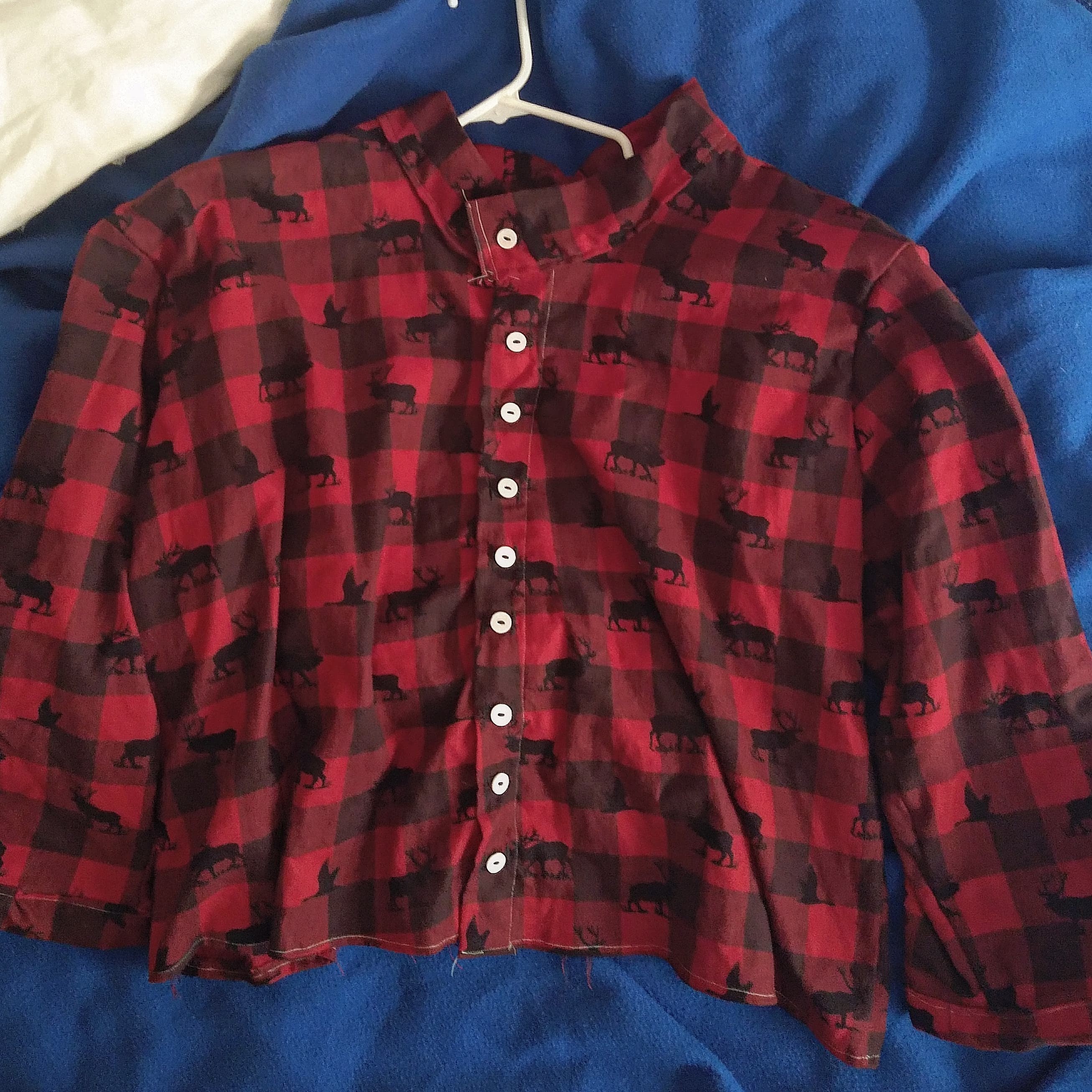


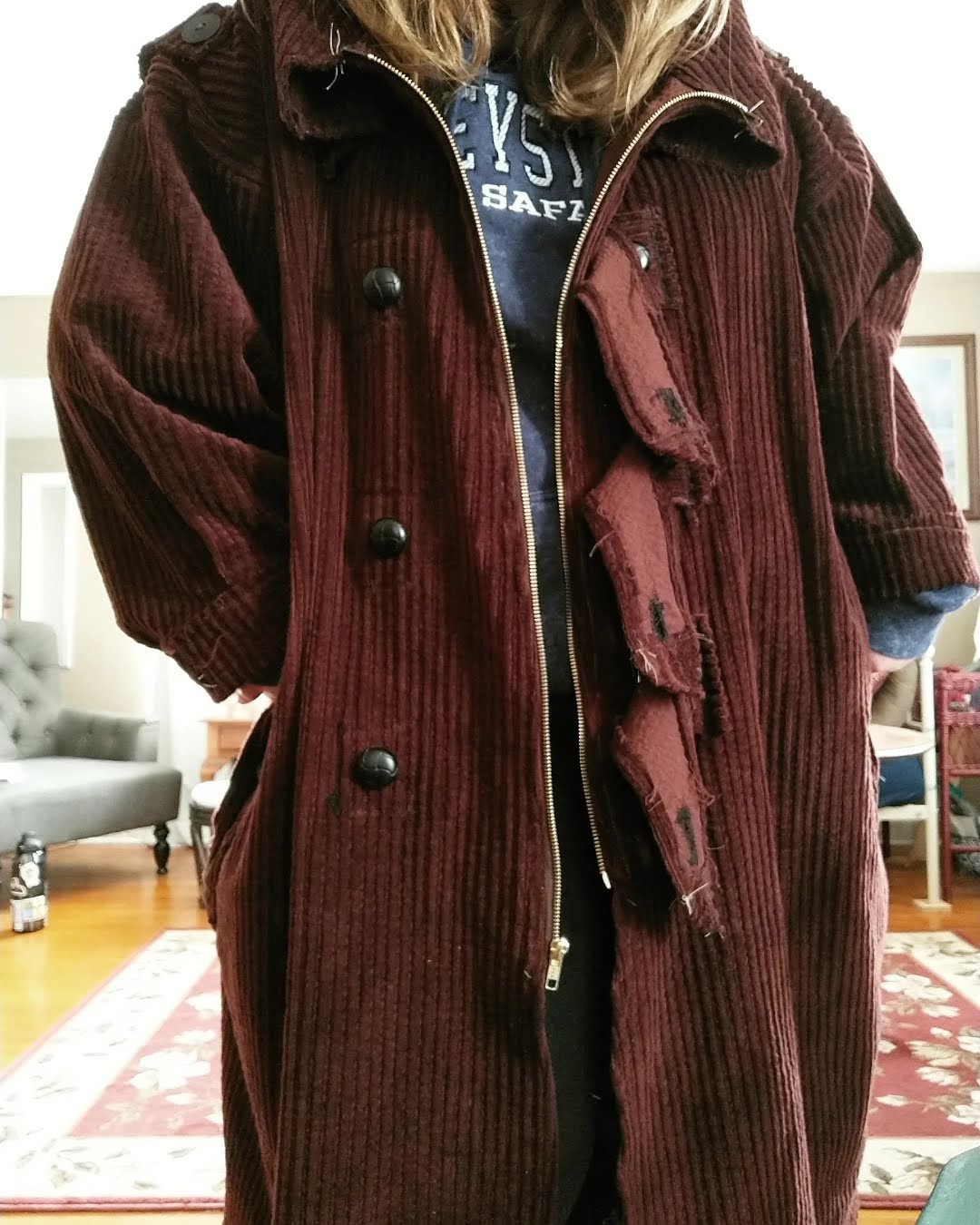
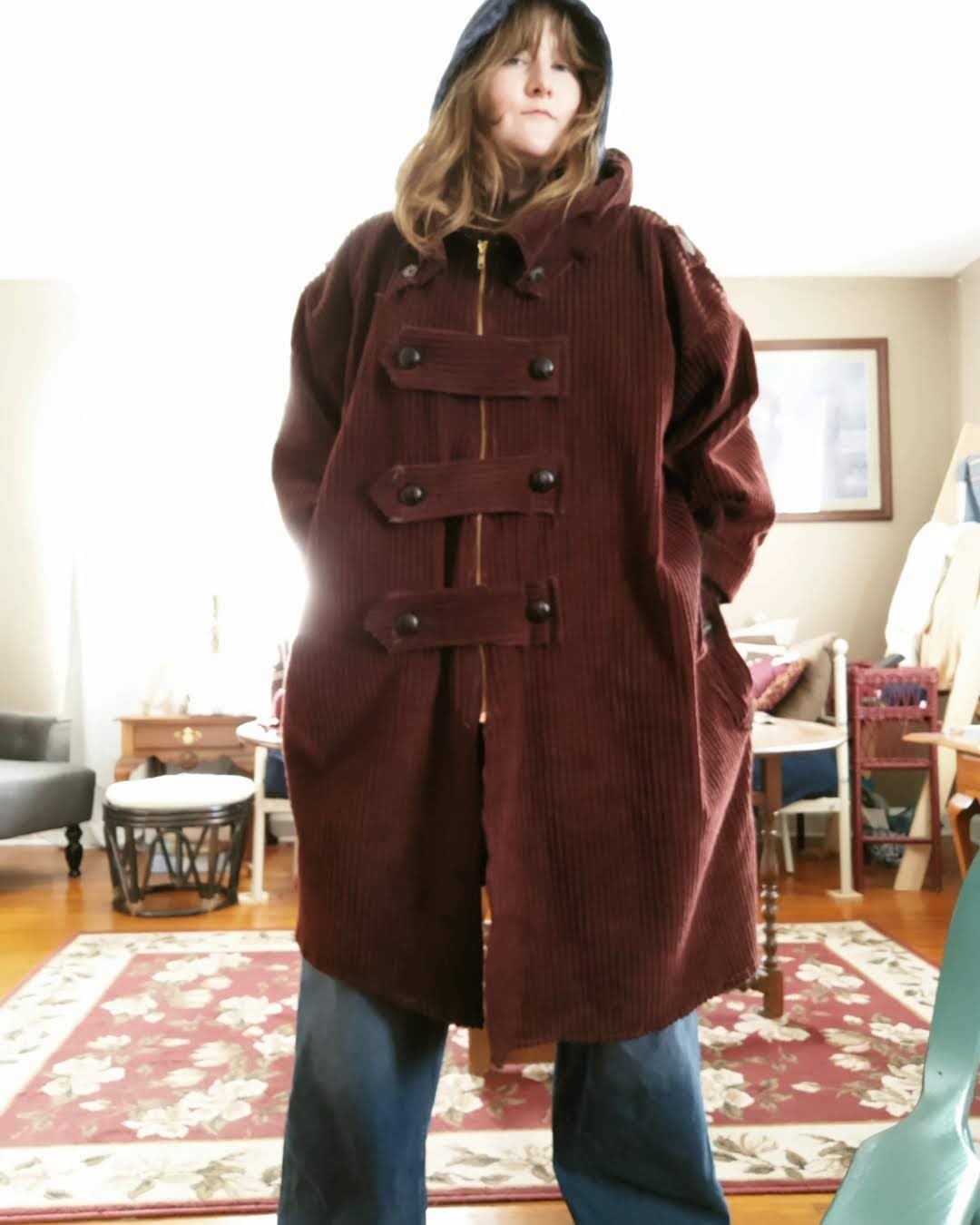


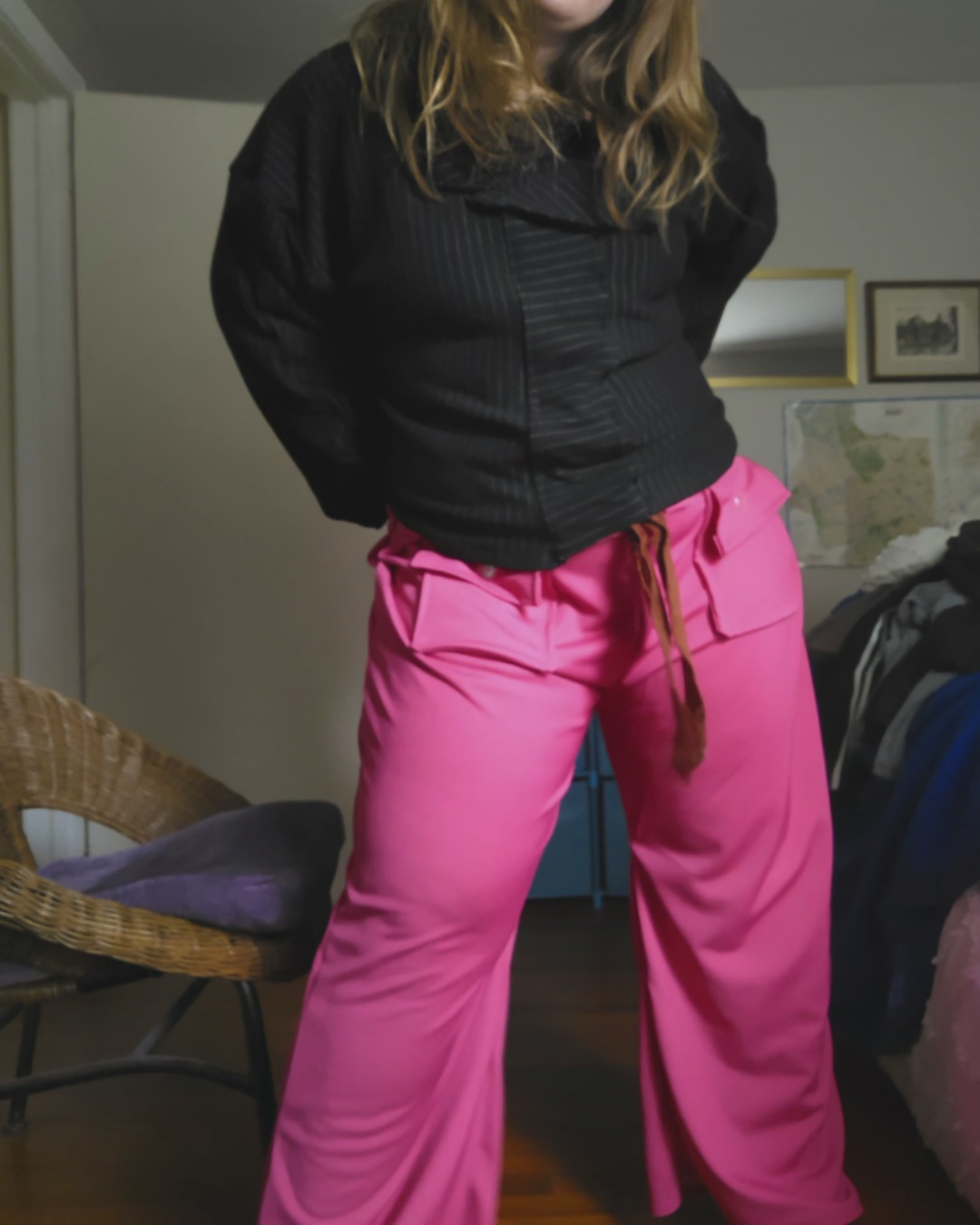



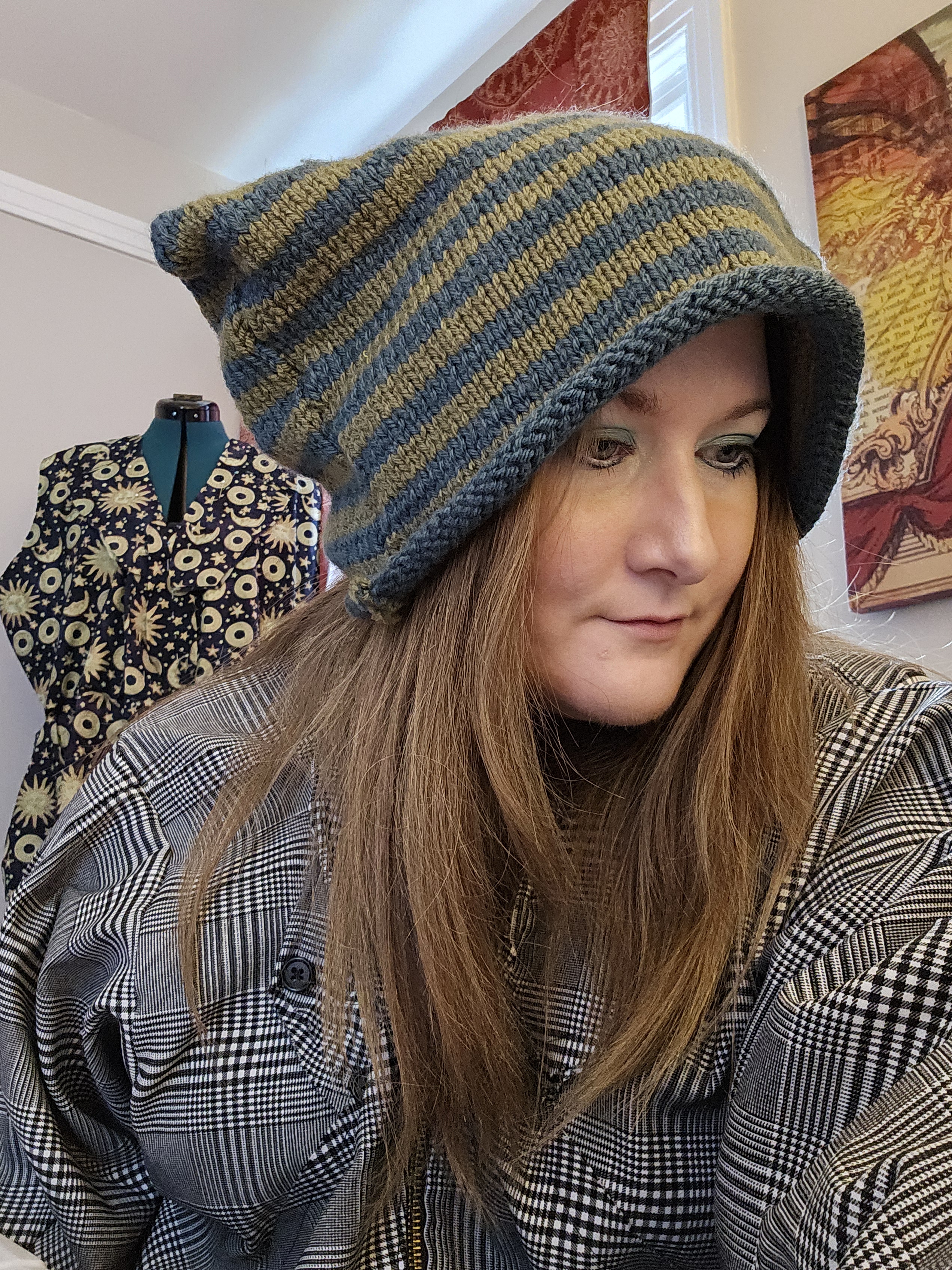



When I put this jacket top on for the first time, the finished piece, I felt this sense of completeness. What I used to sketch, what I would aspire to be, the aesthetics I was drawn to during those formative years of finding my personal style in the late 2000s and early 2010s before life got a bit weird, this was the type of fashion I wanted to be a part of. It’s the kind of thing I’ve been waiting for my skills to develop to reach the imagination held inside. Waiting for the chance to express itself in more than paper and pen, in thread and fabric and form!
My early projects were a product of the times, a year spent online instead of in the world, historical fashion, cottage core, and dark academia, but not the personal style I had cultivated. Big projects were hard, blazers seemed impossible. But they are so iconic. I crave structured pieces like that in my wardrobe, I mean I wrote an entire essay on the jackets and structured fashion that is the Don’t Stop Music Video by Ateez. That is 4 minutes of glorious outerwear inspiration!
This project at times seemed borderline cursed. I cut this jacket out the day I screwed up my tweed coat and notched lapel pattern by forgetting to mirror the pieces. Not the best start to a day of design work, but perseverance and clear-headedness prevailed to keep this pattern on track. But then, it sat in my stash waiting for me to get started. I hid from it in case I failed it.

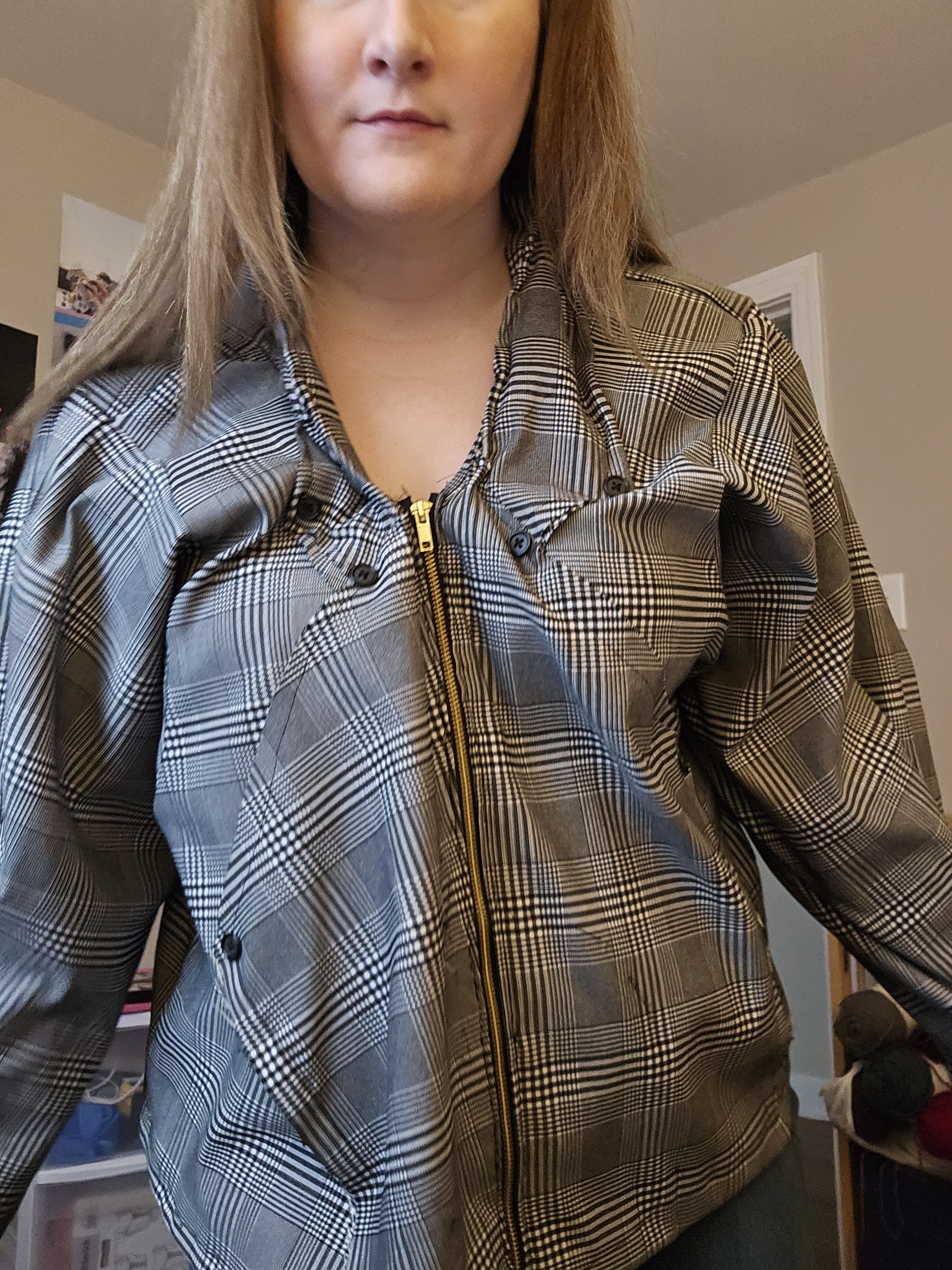
One day, I put the pieces on the form and began to pin. The lines of a jacket, structured shoulders, and excess fabric hang around the collar, waiting for the traditional form to take shape. I pinned it exactly how I thought I wanted it, and the sewing process made a few edits for me and my plan. My machine took the lead and created the happy accident, the darts around the neckline. The collar was inserted with more attitude than my intention but I prefer the edge, the little twist on the blazer that has become the Marguerite Jacket.
With the wide lapels, I pinned them back against the jacket to create these triangle shapes on the body of the jacket top. I decided to lean into the attitude of the silhouette to add an exposed zipper and black buttons for a bit of a British punk little spice. I anchored the collar down in the front, balancing the chaos and structure into a garment that walks the line between blouse and blazer. It’s comfy, it’s fun, it’s versatile. I’ve styled it with flare, baggy jeans as pictured. I’ve styled it as a blazer over a cocktail-style dress. I know it will be fun to try it out over cargo pants, skirts, shorts, etc. I look forward to it! I also look forward to wear my designs evolve from here as moving forward I plan to become more cohesive in my aesthetics and collections.
The sweater vest. It was on my radar but did not become an item I dreamed of until I saw a lookbook from Steal the Spotlight styling Friends-inspired outfits, inspired by Chandler, the sweater vest king. I continued down the rabbit hole and to Katie’s K-pop Comeback Fashion review and I was done for. K-pop fashion, Korean fashion, and the sweater vest were a layering piece I knew I was going to make. Maybe it is the color combinations or the accessories, but how these sweater vests are styled across different boyband concepts just got me. It felt fresh and fun, not preppy or stuffy.


A year later, I was ready to tackle this project. After making a few sweater projects, and learning how to pattern from garment construction, I felt like I had a good understanding of the shape needed to make the sweater. At Joann’s, I found a non-wool tweed yarn and I knew this was the yarn I wanted to start with. It looked like garments I love from Irish Aran Jumpers and was a way to bridge my heritage and this new world I was exploring through K-pop. I like the garments I design to have a story and intentionality behind them.
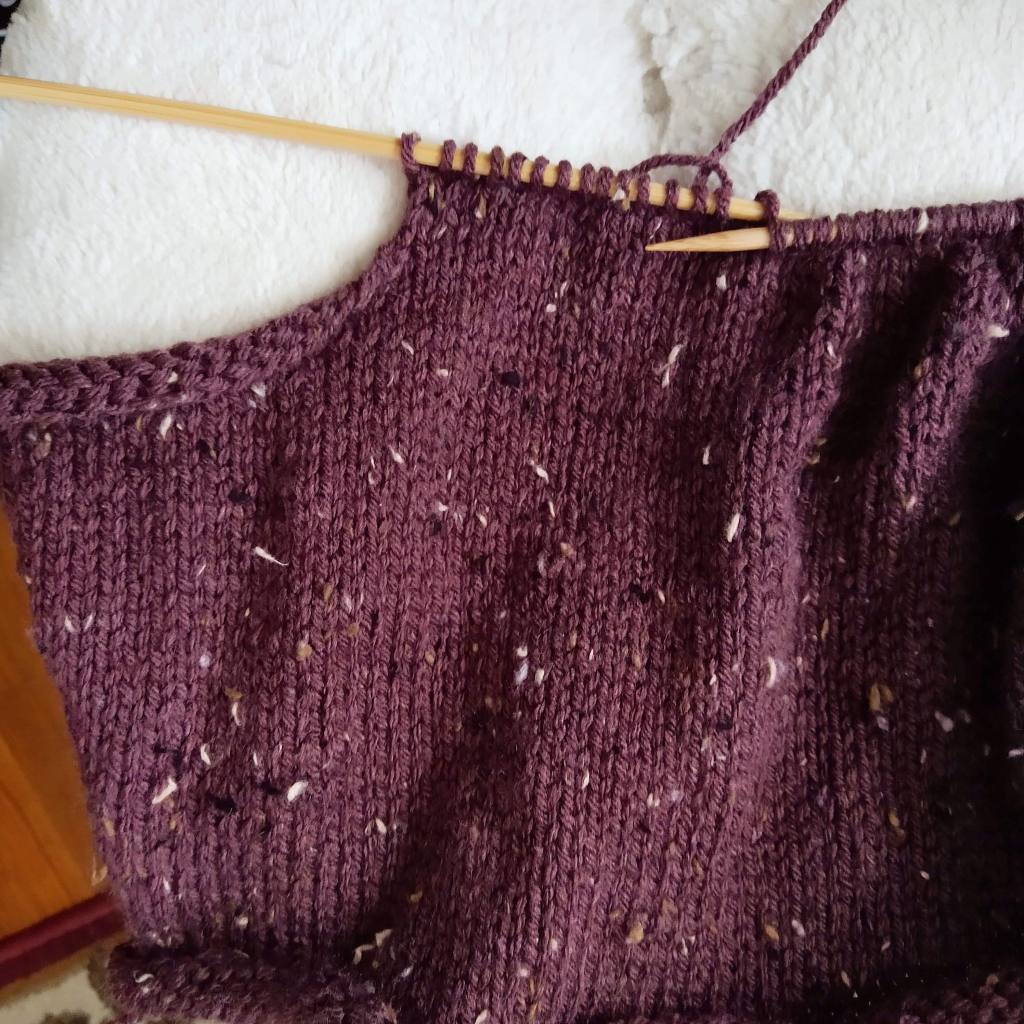

With US Size 8 needles in hand and one skein of Big Twist tweed yarn awaiting a new form, I began by casting on 65 stitches. Working my way up I did the basic knit-purl stitch and gradually binding off on either side when I reached my desired length for the armhole. I chose to make a cropped sweater vest to accentuate my waist and break up my long torso. The big moment though came when I did some research and made the decision to branch out and knit the shoulder and neckline on two sets of needles. This required knitting, casting off in the middle, and continuing to knit on a second set of needles. It worked!
Learning new techniques is always worth the time and the trial because eventually it clicks and you have something new, you didn’t think you could do, but you can!
Making two instead of four pieces on my straight needles was a time-saver! Honestly, I see why having a teachable spirit is important in all aspects of life because I thought I had a good technique before, but dang, two pieces are such a better experience. Four pieces was a mental game, and I got bored. Hence why my previous sweater projects have taken months and months, and months because I distract myself with palette cleanser projects and then avoid finishing the four-piece projects.
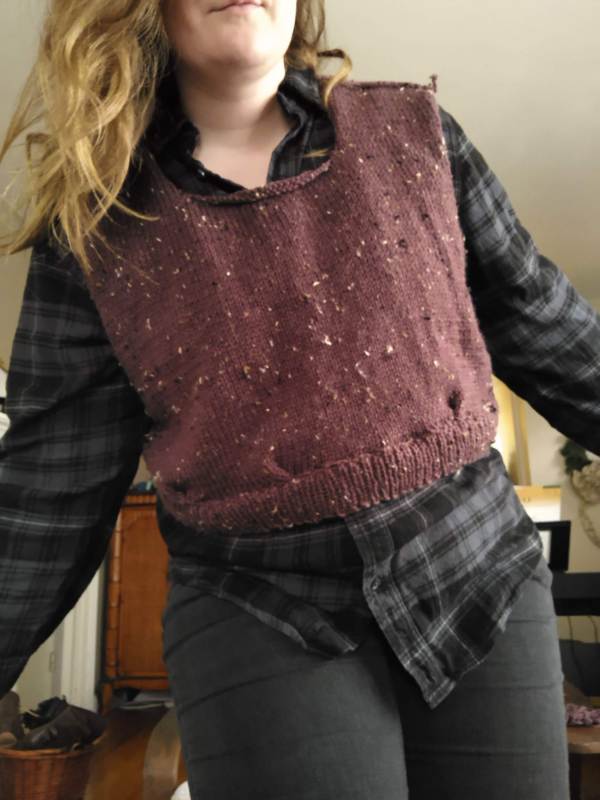
Afterward, I sewed the two pieces together and knit two 65-stitch pieces of ribbed trim for the bottom. I liked how rustic the sweater looked without the ribbing on the neckline and armholes. It looks like an old-fashioned piece, and a bit like armor. Which is cool.
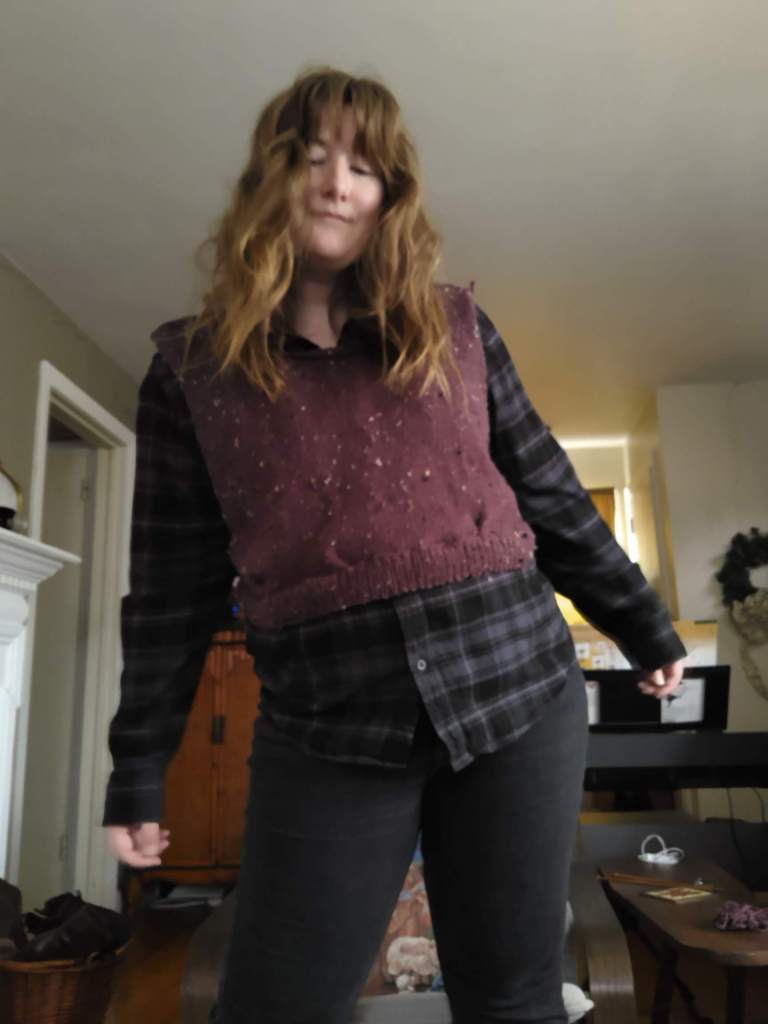
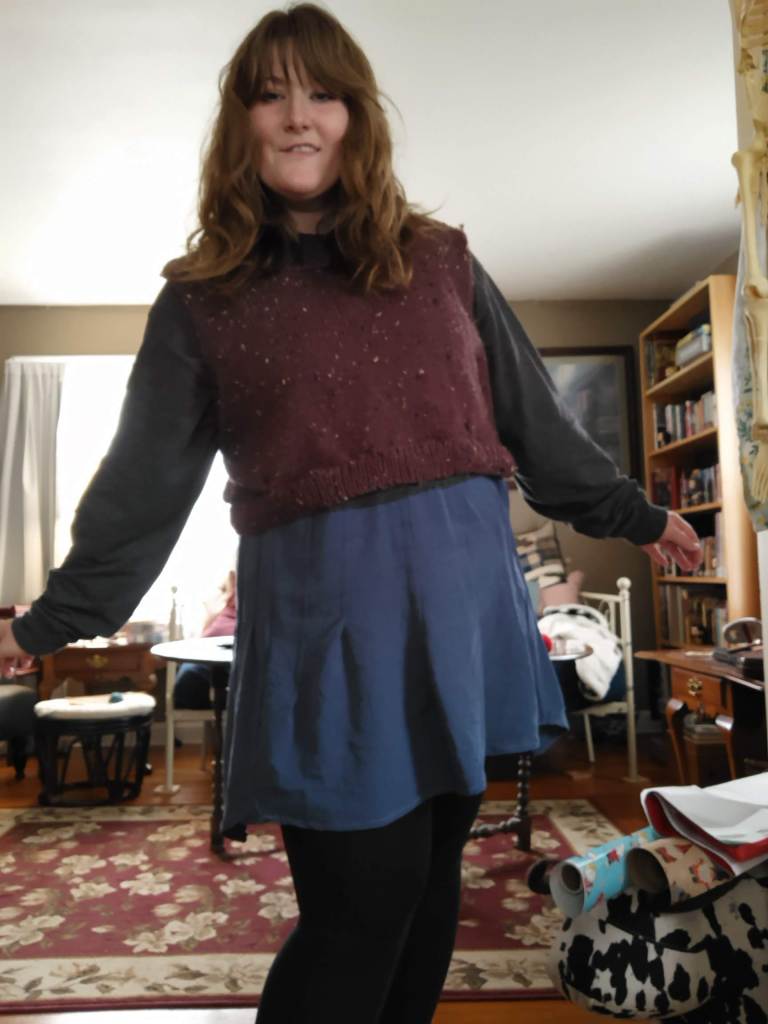
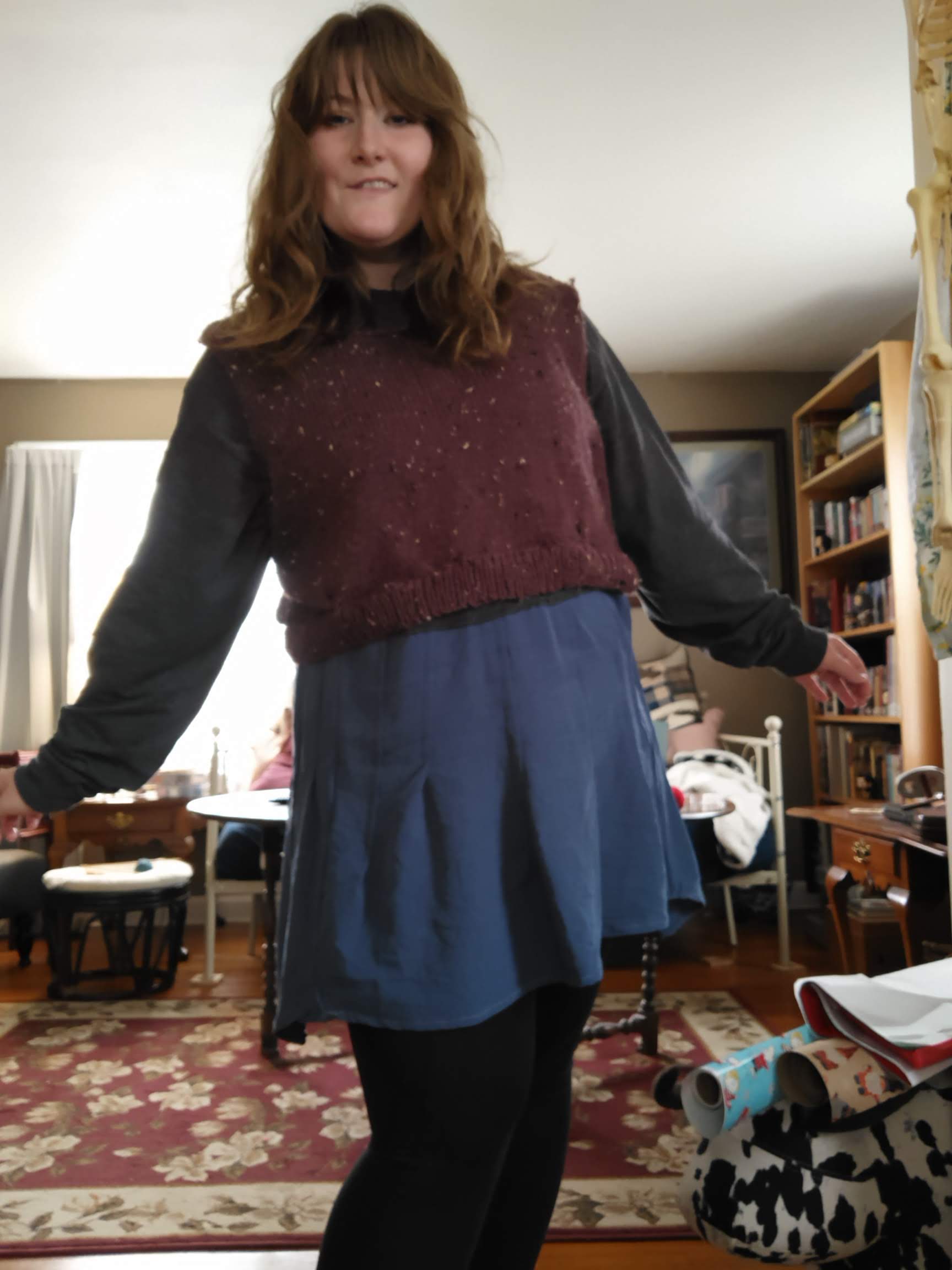
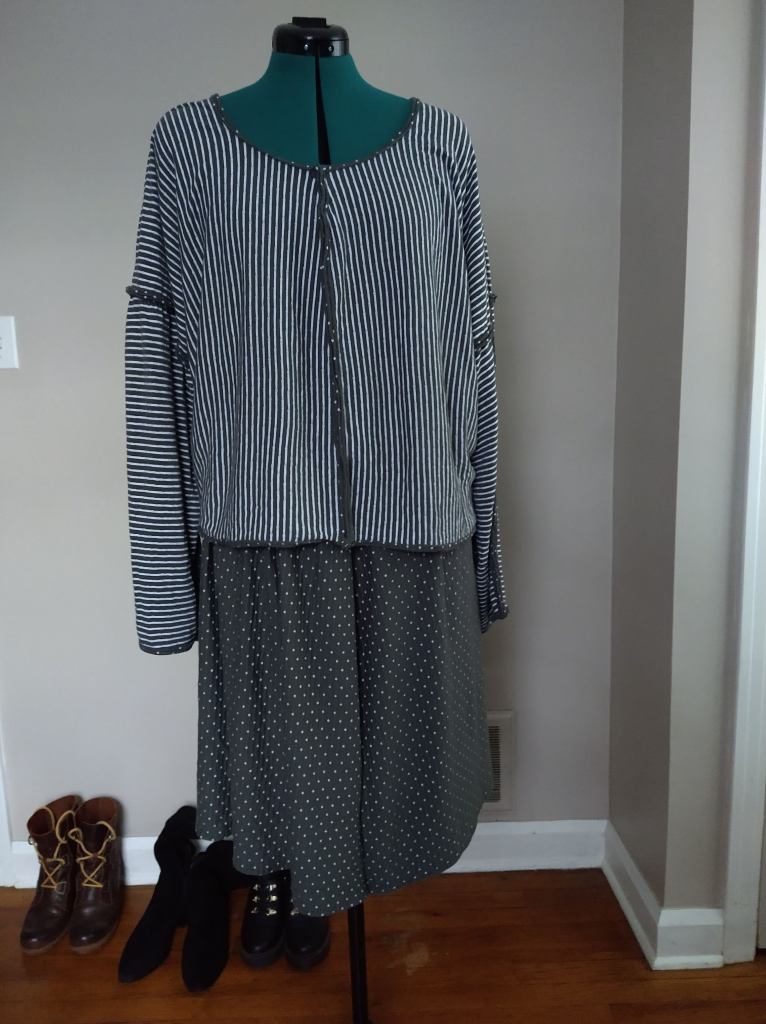
This is how I have styled the finished garment so far! I like it over my black flannel and charcoal jeans for a moody look. It styled surprisingly well over this DIY project where I added a flared skirt to a cropped graphic long-sleeve shirt. This is where I saw the armor aesthetic come through. In 2024 I look forward to playing around with it even more!
Some things I plan on either finding or making, are basic layers I can wear under this vest. Currently, I have my flannels, that random diy-tunic, and maybe some long-sleeve tees but I’m not certain if they are long enough to layer out the bottom of the vest. This is the struggle of adding a brand new item to your wardrobe – how do you integrate it and style it well without buying a bunch of new things? Yeah, I’m figuring that out and until I do it’s going to be some time before I think I can make a truly amazing outfit with this piece. But I’d rather do this responsibly and be a patient person instead of draining my bank account for instant gratification. (Age has done me well in that respect because I used to do the opposite!)
Since finishing the garment, I have either lost weight or the vest has stretched a bit from wear and one wash. It was not sitting well on my waist anymore but ballooning out so I took it in. I took it in at the arm hole seams and gradually took in the waist at the back so the garment has a back center seam which is not the look I was going for but the fit is on point again. Lastly, I knit another section of ribbed trim to lengthen the garment to keep it from riding up, in doing so I made the ribbed trim addition of 60 or 55 stitches, I forgot to take note when I made it, to pull the waist in even more. I like the fit and plan to make another version of this garment with a smaller adjusted pattern.

I smell snow. An iconic line from a one-of-a-kind character, in a show that successfully captured the magic of winter despite being filled in southern California. They have me fooled every time!
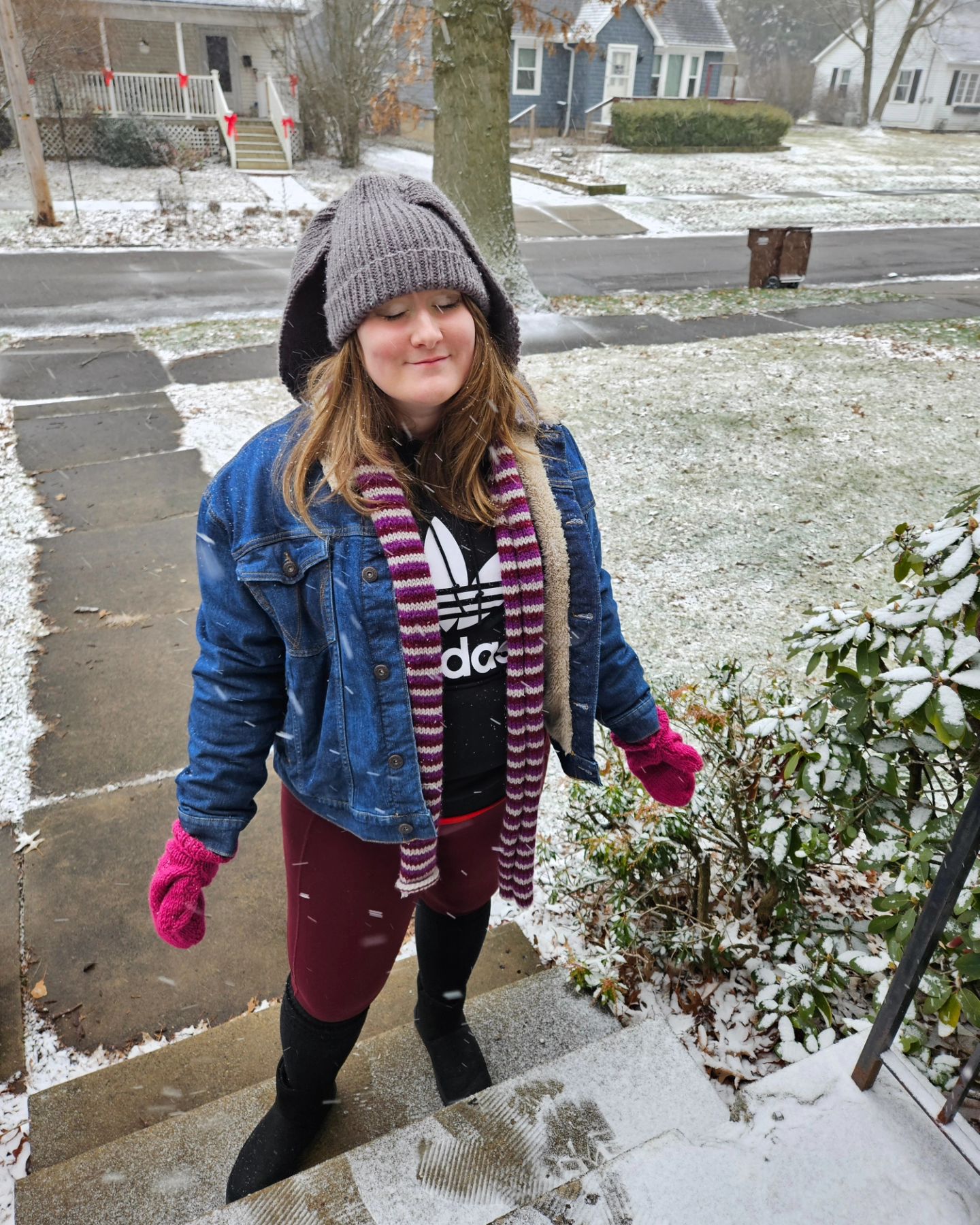
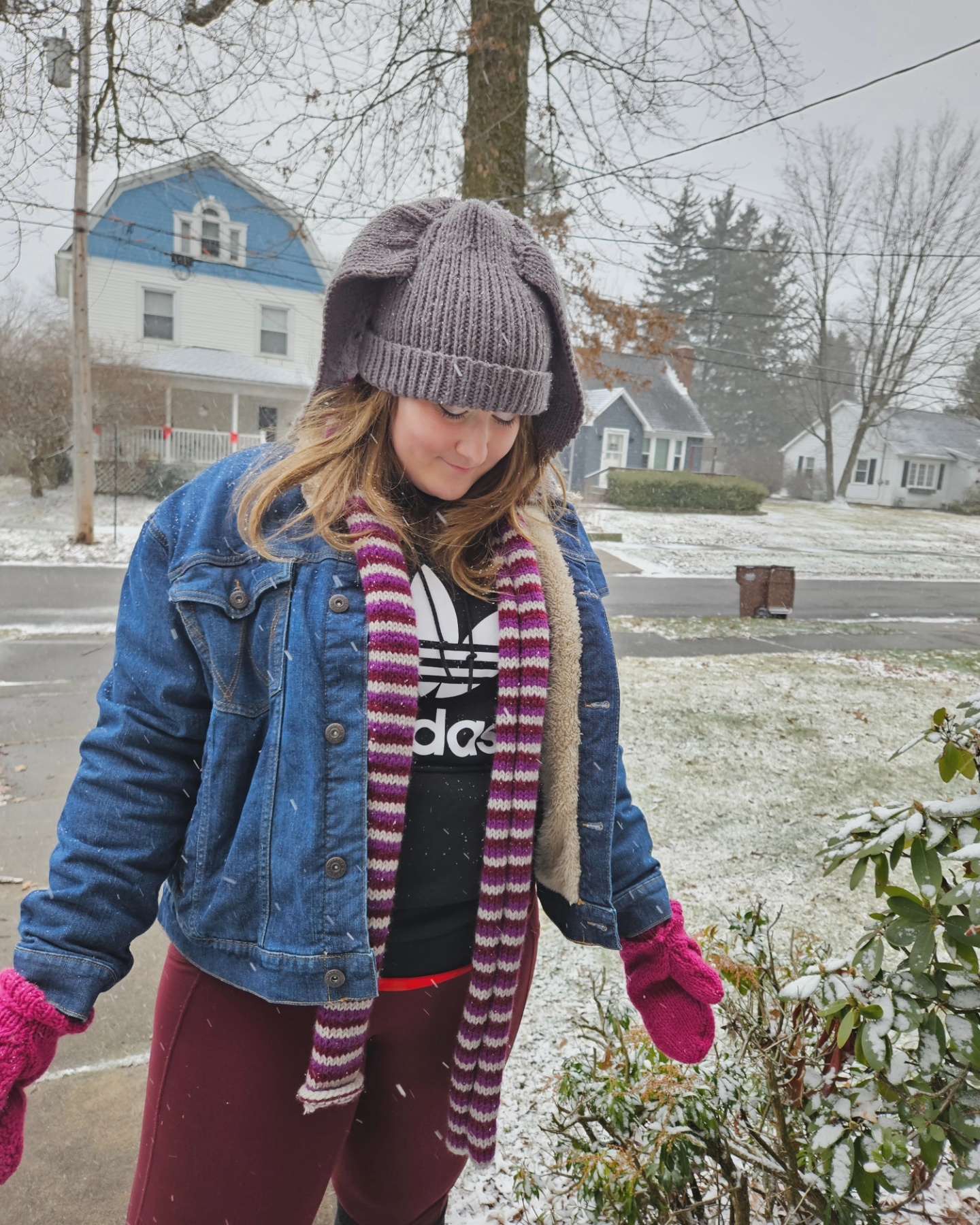
Gilmore Girls has some of the most inspiring winter fashion of any show I’ve watched! I get excited as the temperature drops each fall because I know it’s almost coat season, hat season, scarf season, etc. From season one onward, Lorelai’s love for winter is magnetic! She has a passion for the flakey white accumulation, wrapped up in the atmosphere of cozy nights, and of course her cold weather accessories. She shares this dynamic winter wardrobe with Rory who can rock a good scarf with the best of them.


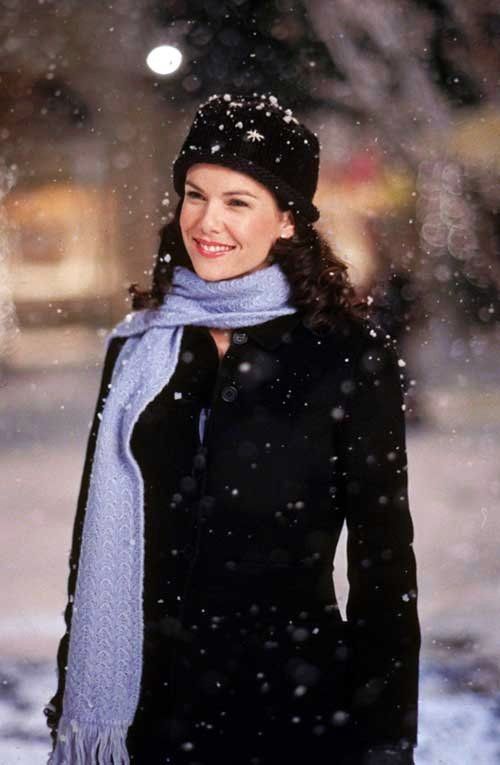
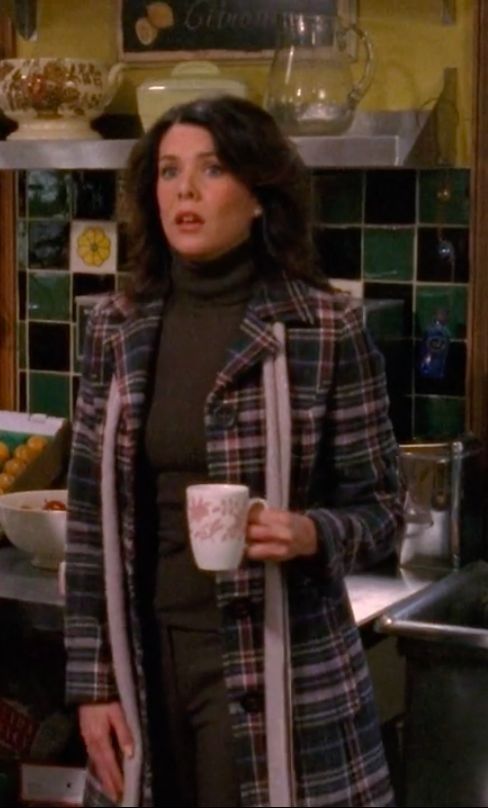


These items are not just layers or bulk, they are a canvas upon which to paint and express who the characters are by what they wear. They are sentences without words. Personality in yarn. A conversation starter, or simply a colorful way to brighten the gloomy and the gray. A bright point in our day. When I was thinking about adding a new cold-weather accessory to my wardrobe this was my ethos. It had to be special, something I would treasure and wear until it fell apart.
My goal for this winter season was to make a striped, colorful, skinny scarf in the early 2000s, aka prime Gilmore style. To accomplish this I thought I would need a myriad of colorful yarns. You can see from my inspiration photos above, there is a lot of color. In my extant garments from that time in my life, there was also a lot of color. My skinny scarves from Aeropostale in the early 2000s were blended with a myriad of shades, but to my surprise, when I began to work on this project, a small color palette of three produced the most impact.

On US 8 needles with worsted weight yarn, knit for 40 stitches, purl 40 stitches, and swap colors every 2 rows. To a desired length, I believe my finished product is around 48 inches. If you make one, I wish you happy knitting!

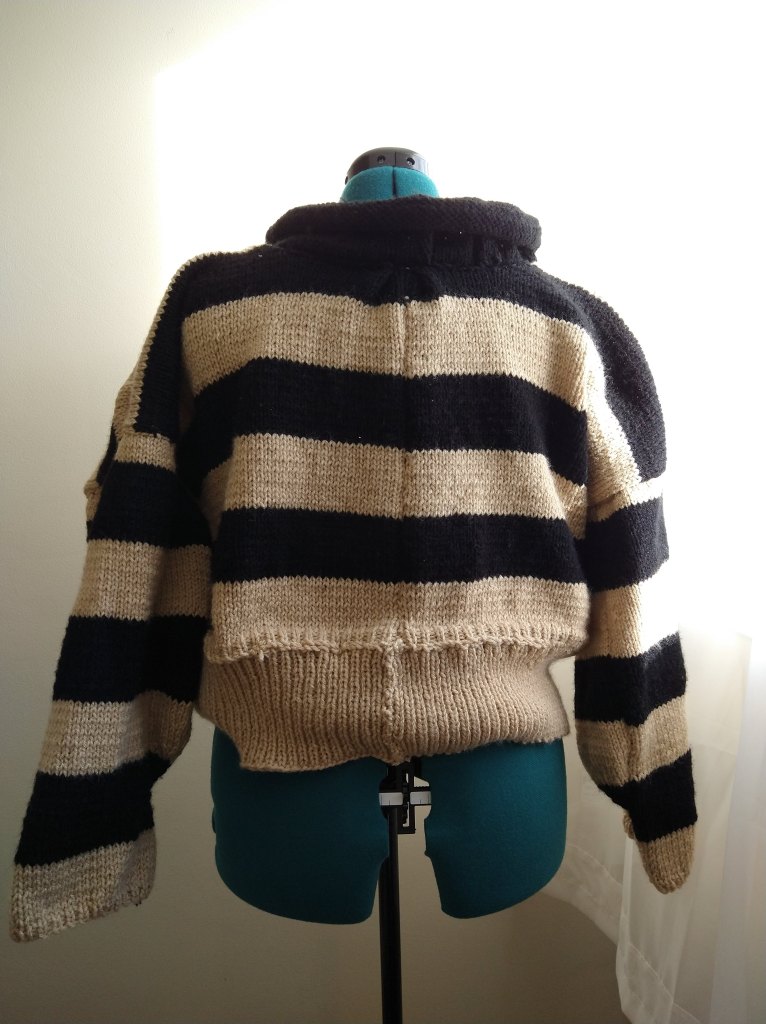
I’m currently working on a big knitwear design project. Probably the most ambitious project that I have taken on yet in my time designing knitwear and fabricating sweaters. It is a sweater coat with varying stripes that I have knit in sections over the past few months. I’m currently three months into this project, and per my working style, I’ve worked on smaller projects alongside this big project to keep me stimulated and my motivation high.
This was my progress at the end of September. I had the entire bodice done and sewn together at the shoulder seams, back seam, and under the arms until the point of the sleeve opening. Because I sew, this process of knitting makes more sense to my creative brain than the knitting in the round process. If this type of knitting drives you nuts, it’s only going to get worse so I warned you. 🙂
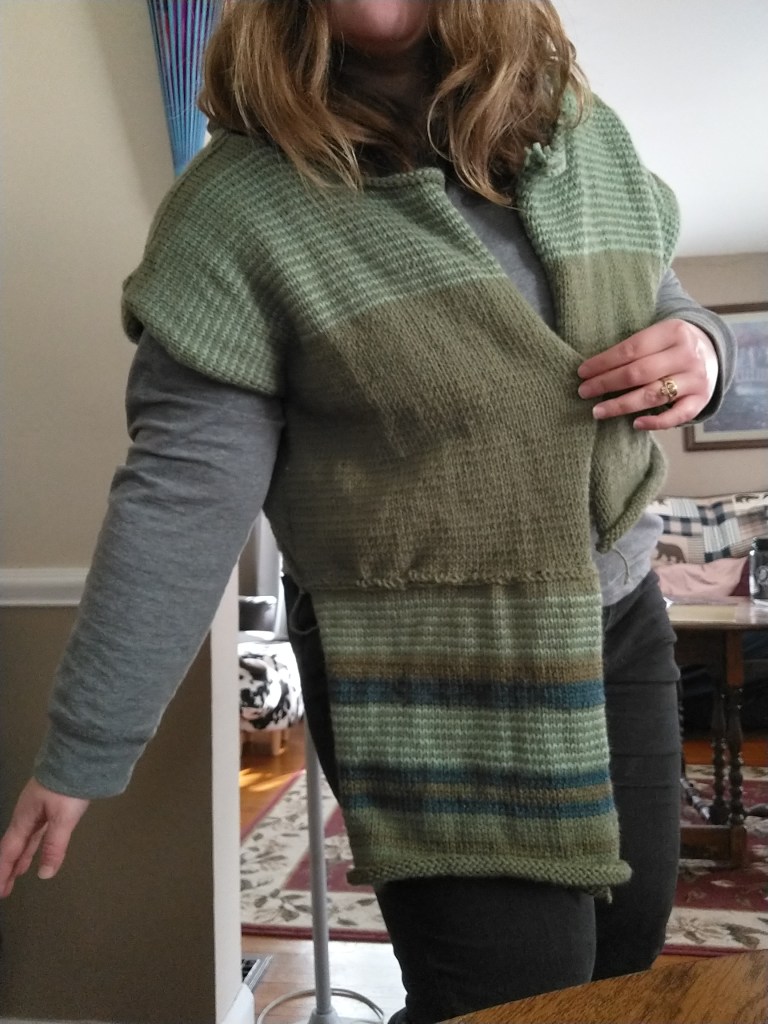


In October, I honestly futzed around with the hood and collar and that was about it. I knit one other body panel so two out of four were done and drafted collar and hood patterns, over and over again. I initially expected to make more progress in October and to have just the sleeves left going into November. That didn’t happen.
It was that dang collar and hood section, that kept me in this place of indecision and design frustration. I initially made a collar with a normal stitch, not a ribbed which looks a bit cleaner. I think I was concerned about the collar looking cohesive and was afraid that a solid collar in rib instead of a knit-purl stitch with a stripe would look less cohesive. It looked odd actually. The stripe was good, but the flat collar which began to roll on the end looked ineffectual for a collar. After I sewed it in I carefully cut the collar away which was discouraging from a progress perspective, until I realized the stitched of the collar remained (because I was afraid of snipping the wrong yarn and destroying the shoulders) and the neck opening had this lovely fit and structure now. The shoulders were slightly gathered up to the neck opening and the fit was fantastic now! It just needed a new collar.
I had an idea – what if instead of a collar I went straight to a hood. I had been watching a lot of Gilmore Girls throughout October, seasons four and five to be exact which spanned the years of 2003-2005, peak 2000s fashion. And you know what was popular during this time? The duster! I had an idea, what if the hood was just one piece of this puzzle, what if I made it longer, much longer, added a hood, a rib trim around all the edges with a button closure! A funky duster the likes of Sookie, the Olsen twins, Lindsay Lohan, and even Lorelai herself would have worn during this time.
I knew I wanted to keep the stripe theme going, something that looked labor-intensive and expensive, like a bohemian duster or sweater coat that would be featured in an Anthropologie campaign. I wanted the hood to carry on that stripe motif to make it feel integral to the garment, not an add-on.
Last October, I learned how to draft hood shapes for several outerwear pieces that I crafted for my loved ones as a part of my Potato Technology’s Autumn/Winter 2022 Collection so I am pretty comfortable with the shape and sizing scale for a hood on an outerwear garment. The thing I underestimated though was how tricky it would be to form the hood as I went, as you do with knitting, instead of cutting the hood shape out of fabric. This kicked my butt. I spent a weekend making one half of a hood out of yarn and it was so cursed. When I took it off the needles it didn’t look like the hoods I had created out of fabric and thread. It was lumpy, too short, and not going to work for what I needed.
Once again, I got my scissors out cut the bind off loose, and proceeded to wind the yarn back into a ball. That is when I decided I had to move on to a new section of the project, for my own sanity. Because I still didn’t know how the hood became misshapen in the fabrication process. None of it made sense. Going straight back into making a new hood when I didn’t know how to solve the problem would be a waste of time and resources. I only have one set of size 7 needles, there was no need to tie them up in another likely failed attempt.
I pivoted to the the length of the duster. To make the bottom have more structure I decided to knit this section in two pieces.
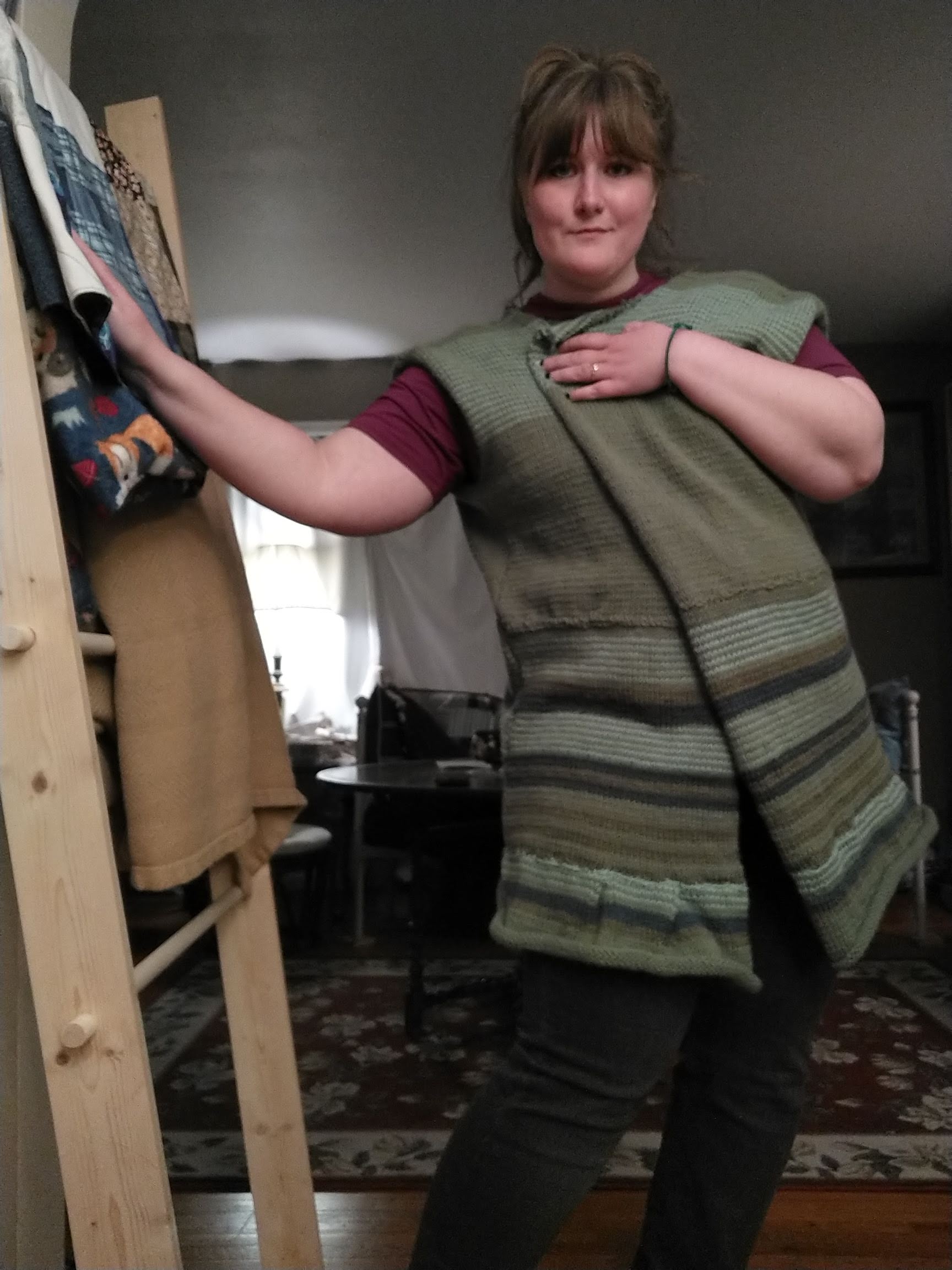
This was a good move. I made the first half 30 stitches wider than the previous body panels to create some drape around the hips and the results are cute. The sweater has this sophisticated little flare that accentuates the waist – I was not expecting that! 🙂
With this step in the right direction, I got to work and powered through the last two body panels and the second flare panel at the bottom. It was a lot of work but only took two weeks to complete with focus, stretching, and snacks.
I have a tendency to let the garment lead me. I like to see how the fabric or yarn responds to the vision I have in my head and adjust the design accordingly to the way the project is coming together. The flared panels at the bottom of the sweater inspired me to pivot again, to step back from the hood and long duster to a sweater coat cardigan that could be buttoned into a sweater dress if I would be inclined to wear it as such.
That’s where it stands now. I began drafting a sleeve and designing the color work I had planned for the stripes before I continued any further because I could change my mind and add more length. The hood is out through, it’s just not the vibe.
When will this project be done? I sure hope by the end of 2023, but we shall see.
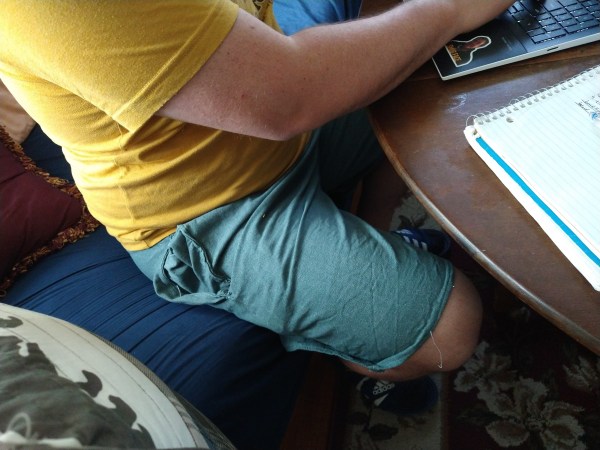
It should have been a compliment or even a point of affectionate doting that instead of buying shorts from the outlets or the myriad of options online, my husband wanted me to make him a pair of shorts to replace an old pair. Instead, the mere thought filled me with dread. Shorts? Menswear shorts? I can barely make my own shorts! (Not true, I’ve made eleven attempts at this point and only a few tries did not pan out.) I don’t have the right pattern! (Also not true, I do, a very good one that is classic and versatile in silhouette for pants and shorts.)
Both of us could see through my excuses and my lame attempt at avoiding a task that would make me grow and apply the skills I have learned this year. A good thing to do. Economical and customizable. A win-win scenario. I was feeling confident. His encouragement and confidence in me was brimming. The fabric selected a quality, not too heavy cut of canvas material. And yet, my overachieving penchant to be the best pushed me forward, to the pages of Mood’s online store. Another two cuts of fabric were ordered in a sturdy striped shirting of gray and another of green.
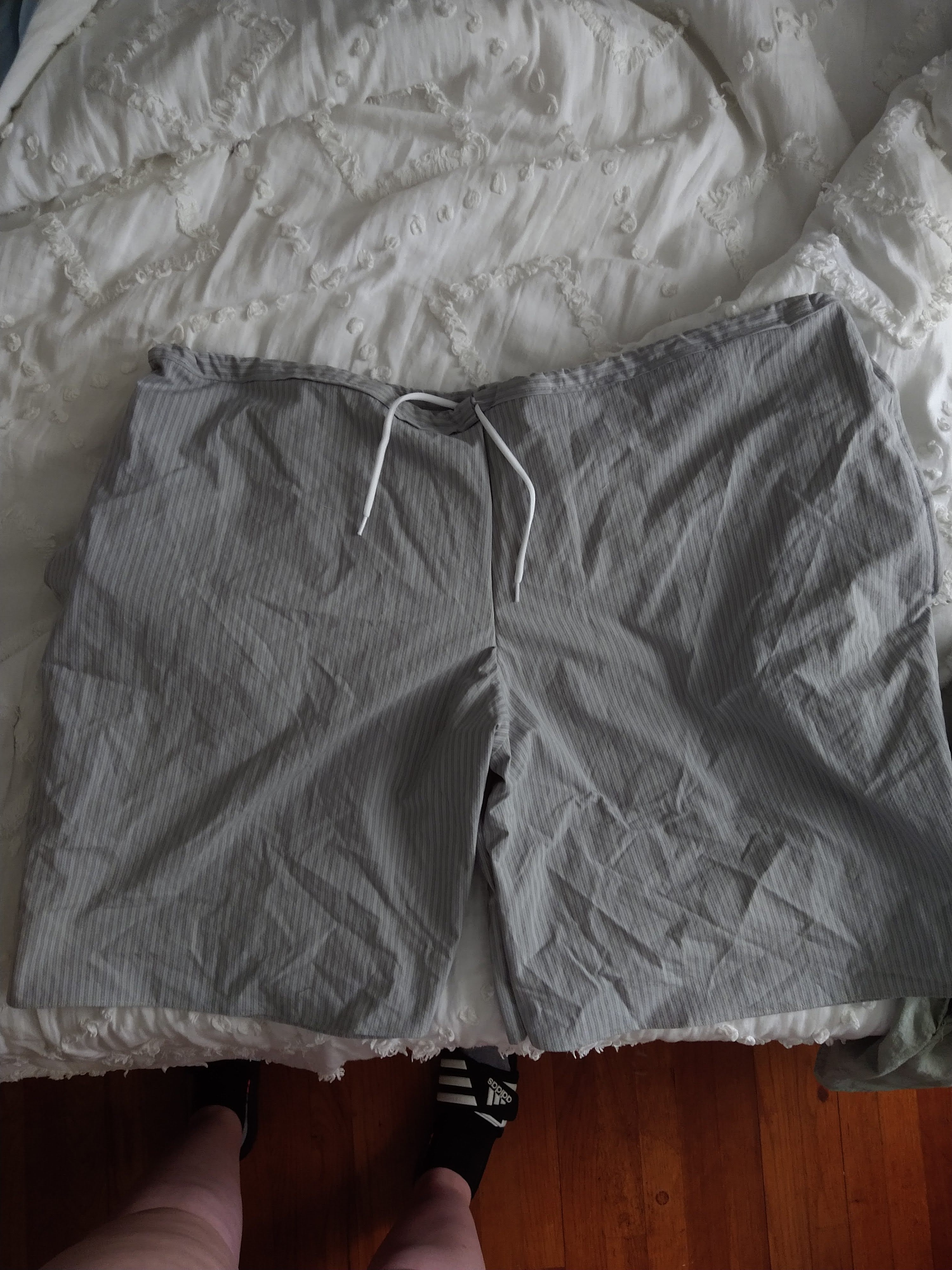
Yet they sat in my stash as I pondered. I hemmed and I hawed, until one day the pattern called to me from my sewing stash. Afraid I would deny the voice for another month, on that June day I cleared my table and grabbed my scissors ready for a fabric fight. I carefully spread the fabric across the horizontal expanse and with purpose, I dug out the first pattern piece. The front, cut two, mind the seat curve. Again with the back, the waistband, and then I remembered I promised him pockets. Pockets and a zip fly. Oh dear, how could I forget such a crucial step? In a flurry of tissue paper patterns and fabric scraps, I dug through the bigger offcuts until a pocket was procured. I rinsed and repeated twice until a stack of short building materials and a dusting of scraps fell beneath my feet.

I’m not sure why pockets intimidate me so, I think it could be how they are inserted. You must make them even, strong, and seated on the hips just right so that they tuck into the pants without creating wonky bulk or disturbing the line of the garment. They’re not hard to do with my sewing machine, yet I avoid them like a wasp flying at my head. Zippers too create such a fine finish, compared to the chore that is buttons and buttonhole creation, yet I’ve stayed away from those two in 2023. I think we get into comfort zones and become afraid of stepping out, even though we have the skills and are fully prepared for the next step, we just forget to move. It’s a shame because, without those friendly pushes from people who love us, we may never venture into a new great thing.
I’m glad Kyle believed in me and didn’t let me avoid this project because these shorts gave me such a sense of accomplishment! I now want to insert pockets into the garments chose not to, mostly my own clothes. I want to sew with more care moving forward so that the items I make have more polish. My skillset is leveled up to do this, I don’t have to hide in simple projects anymore. Pockets are friends, and zippers are a fun challenge. Buttonholes are still foes though, at least for now.

A few weeks ago I shared part one of my Spring/Summer Collection for 2023. It’s not quite a capsule wardrobe, because I think I made too many pieces for it to count as a capsule but I used the capsule/collection philosophy. By this I mean, making a selection of clothing items with the intention of mixing and matching with the other created pieces and existing items in my wardrobe. Basically one complete thought. I chose to sew the new items instead of buying them for the experience and control over the aesthetic and silhouette I saw in my head.
This was different than my Fall/Winter Collection for 2022 of which I kept one piece, the rest being presents for family and friends. With that collection, I intended to shower love and tailoring on those who have encouraged me to pursue my dream of sewing. I found it easier to stay motivated in crafting the pieces I was giving away. The perfectionist in me was wrapped in ambition and drive to showcase the best possible garment. If I am doing something for myself though, the timetable gets a little scattered.
I began the year 2023 with some setbacks, an injury to my hand, tendonitis in my fingers, my sewing machine had a gremlin in the tensioner, and I had a blow to my confidence.
Two members of my dysfunctional family accepted their gifts with some digs to my construction and design, requesting a whole new item at my cost. I felt like a failure. If my loved ones wouldn’t accept my designs, why should I bother chasing this fashion design dream? Wouldn’t I just end up in tears again? I sat with my fabric stash for a month, reviling it, wishing it would wander off in the night. Then I remembered the resources that were spent purchasing the fabric to make a summer & spring wardrobe. Yeah, I had to keep sewing. I was going to be extremely wasteful not to.
Armed with the encouragement of my husband and my best friend, they got me back in the design frame of mind. With it being the end of February, the Western Pennsylvania weather decided it was time to ride a roller coaster of seasons – one day spring, one day summer, next day winter. Winter for a week, summer for a week, and so forth. This truly lit a fire under me because I had donated or repurposed all the shorts that didn’t fit me for the opportunity to design my own. I budgeted for fabric not shopping – it was time to stop wallowing and figure out how to design some dang shorts!
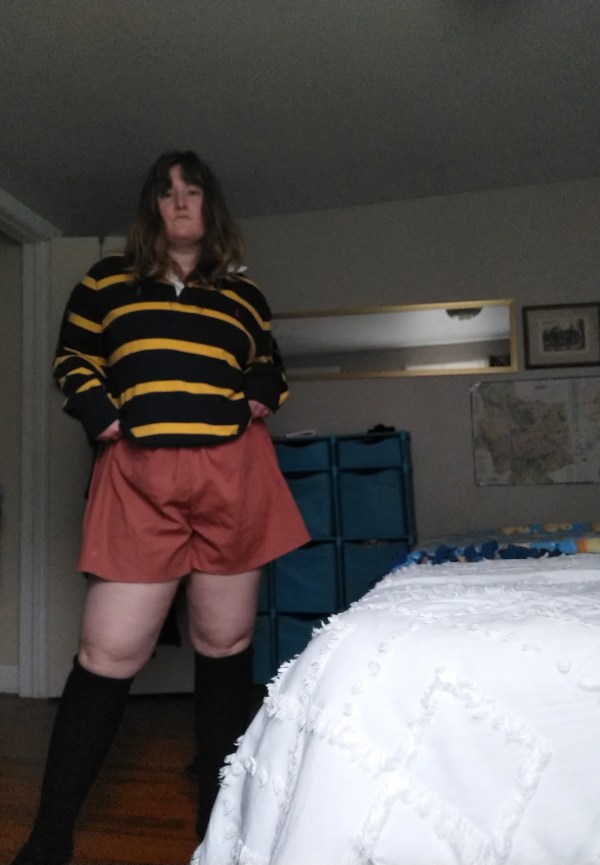
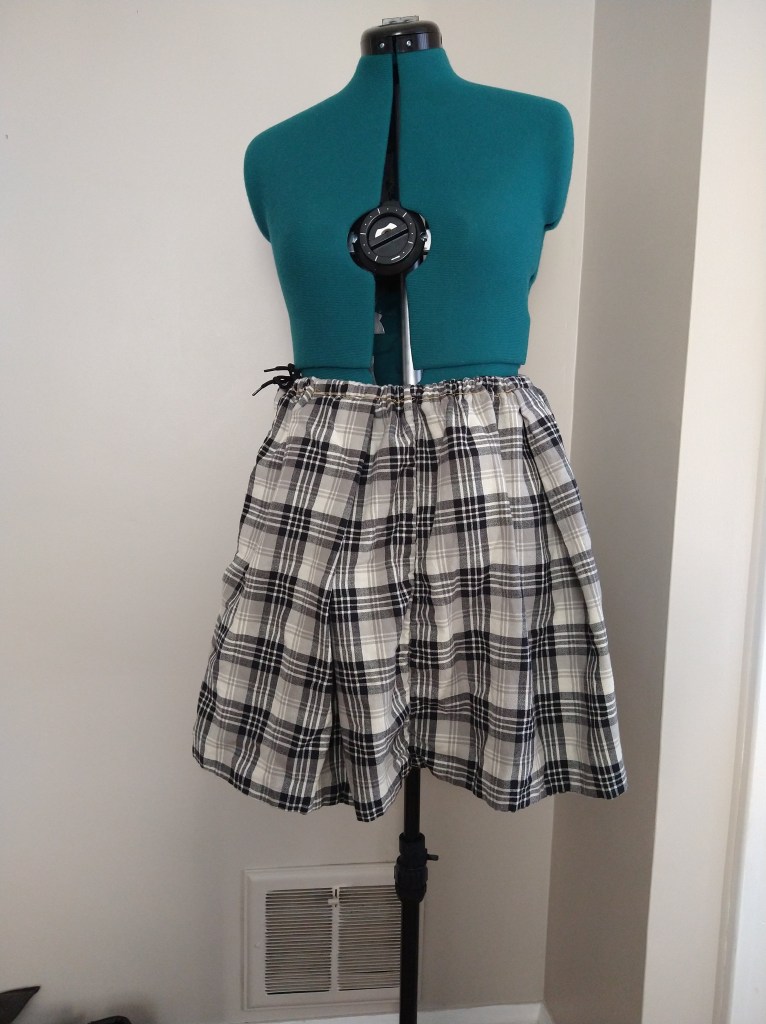
These were the first pair, out of scrap material from the Antrim Coat. I figured out the cut lines for the seat and leg holes from The Essentials Club on Youtube, adapting my waistband for a drawstring of a shoelace. They are a little big but I love how floaty the leg openings are!

I learned that sometimes the best way to bounce back from discouragement is to keep moving forward. I sewed through it, with the right people behind me. I determined why I was sewing – not to find approval from two family members that can be fickle but instead to finish what I started. Commitment to the craft, and commitment to learning. Actually being my own customer helped me define what I like and who I want to be. Who I want to be is not a business owner with an atelier or a designer that is unconnected to hard work. Starting a shop, which was my goal in 2023, is now a thing of the past.
Sharing my clothes as gifts was a fun idea, but selling is not where I feel called to be right now. Sewing every day, although it was fun before Christmas, wrecks my shoulders and back. I actually hate it and don’t want to do it. It changed my perspective on what being a sewist and fashion designer can mean, but more on that later.
Anyways, my point is, sometimes a closed door is a waypoint for a better thing on the horizon. A setback is not always a bad thing. They reveal what we are and who we want to be. I think the important thing is to remain teachable and ready for the twists to become a better version of ourselves.

L to R: I Dream of Fashion Polly Bustier, Chocolate Bunny Three Piece Set, Glitch Mode Herringbone Skirt, Wilson Plaid Midi Skirt, 254 4th Street Blouse, White Rabbit Tank, Peach Perfect Drawstring Shorts, Engarde Cardigan, Pleated Chambray Tank, Red Currant Blouse and Skirt, Grayscale Summer Kilt, The Mirage Reversible Knit Top & Skirt (4 combinations), Digital Snake Print Dress

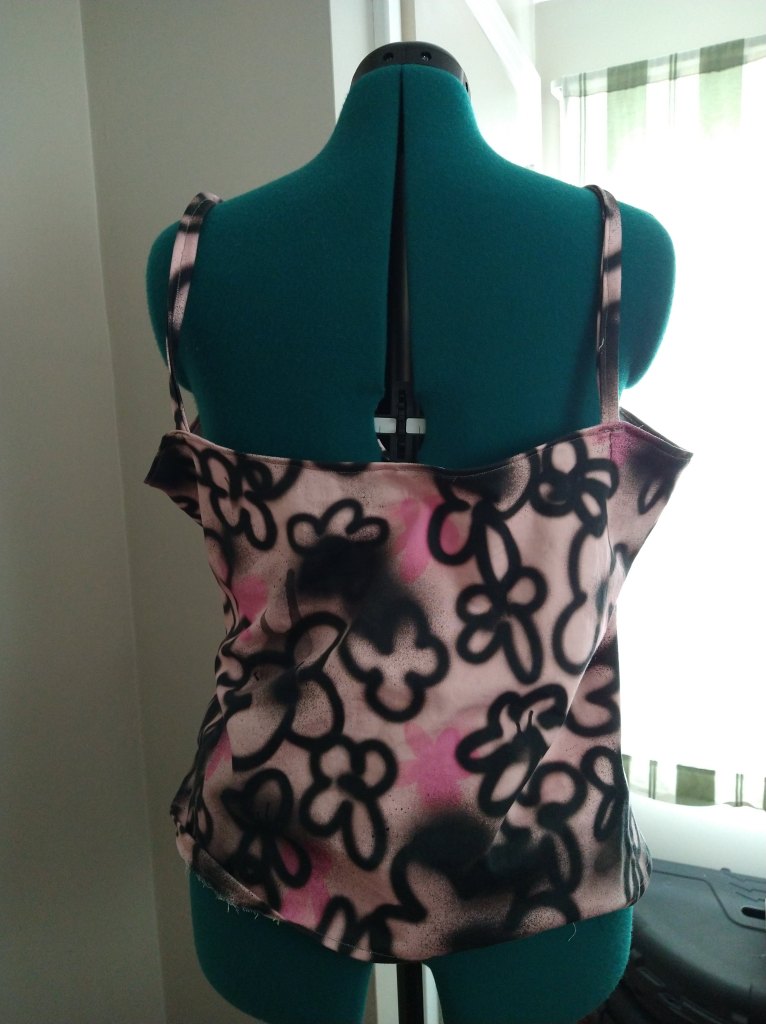
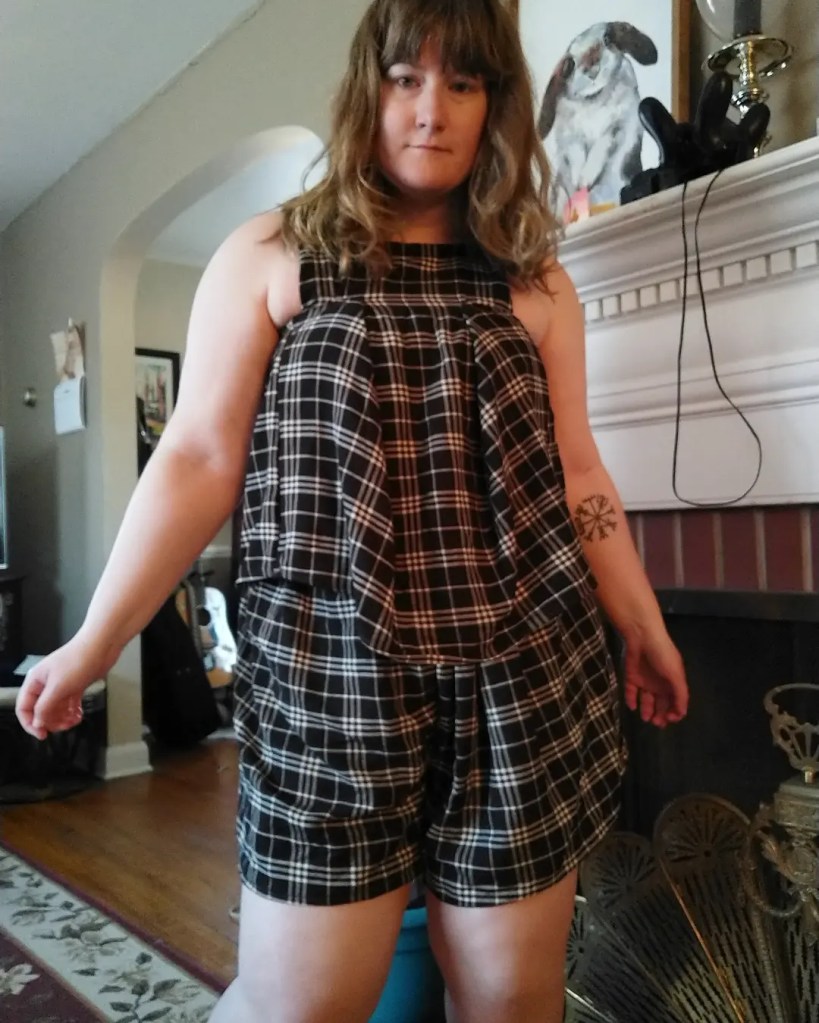
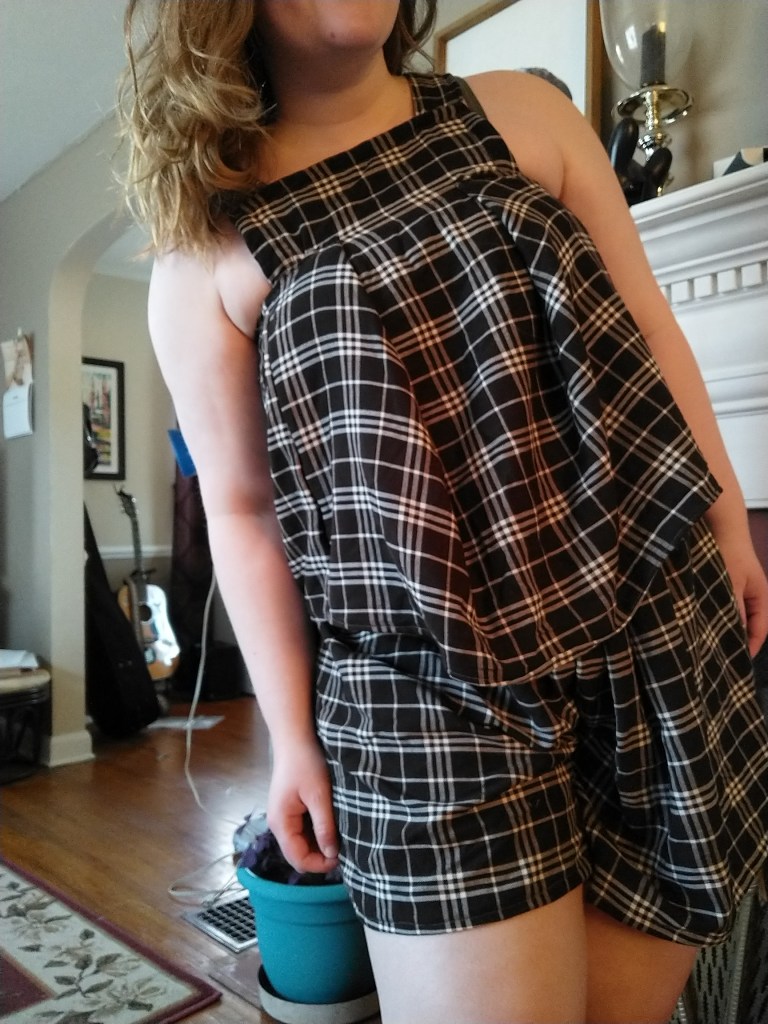

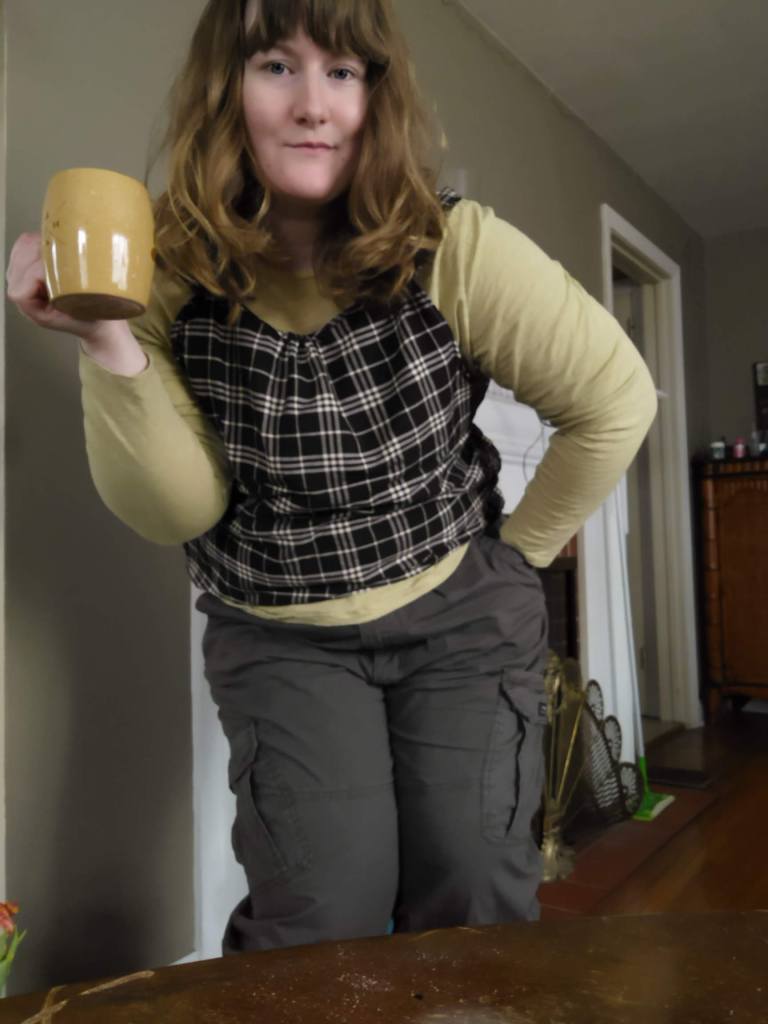


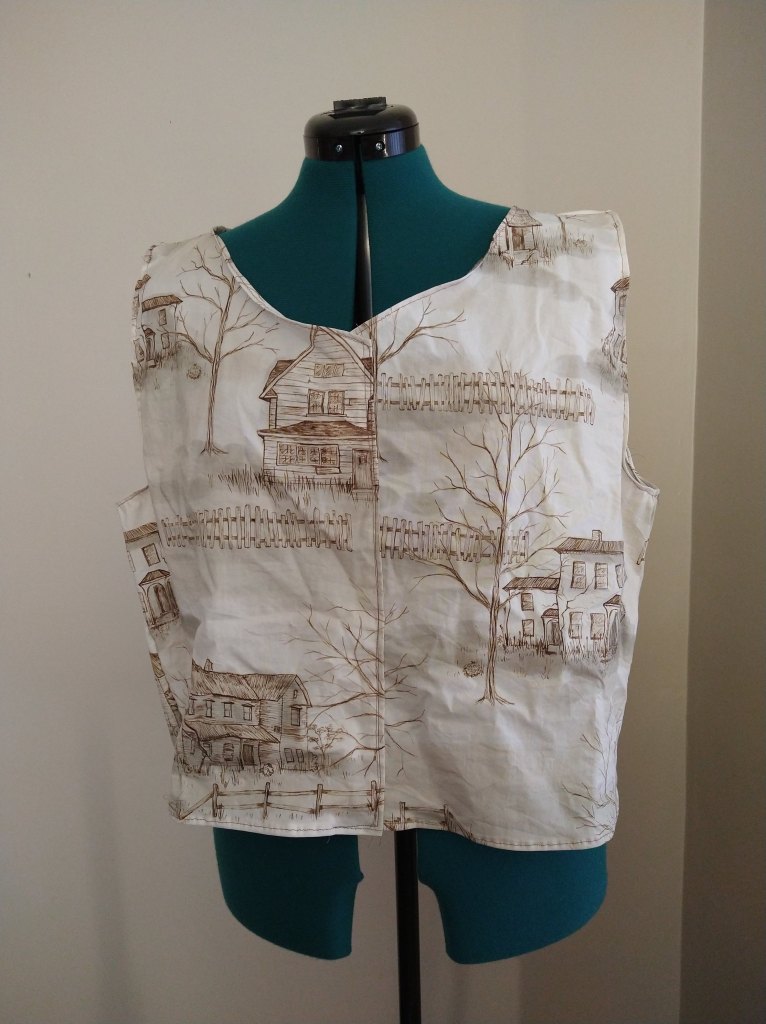
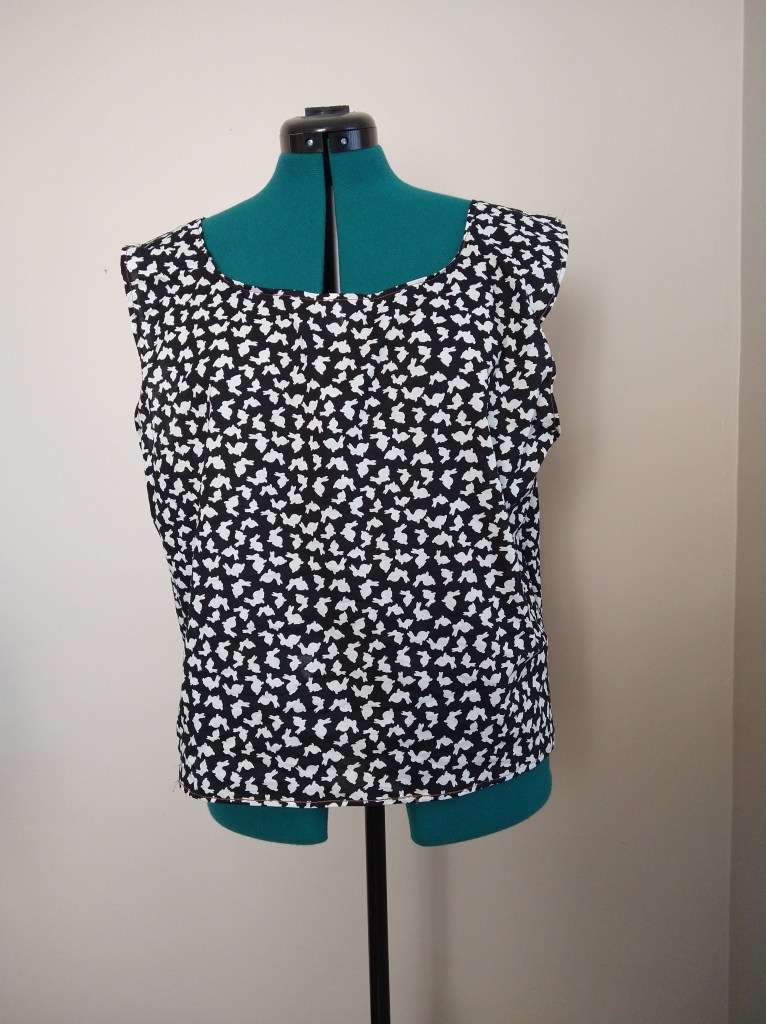
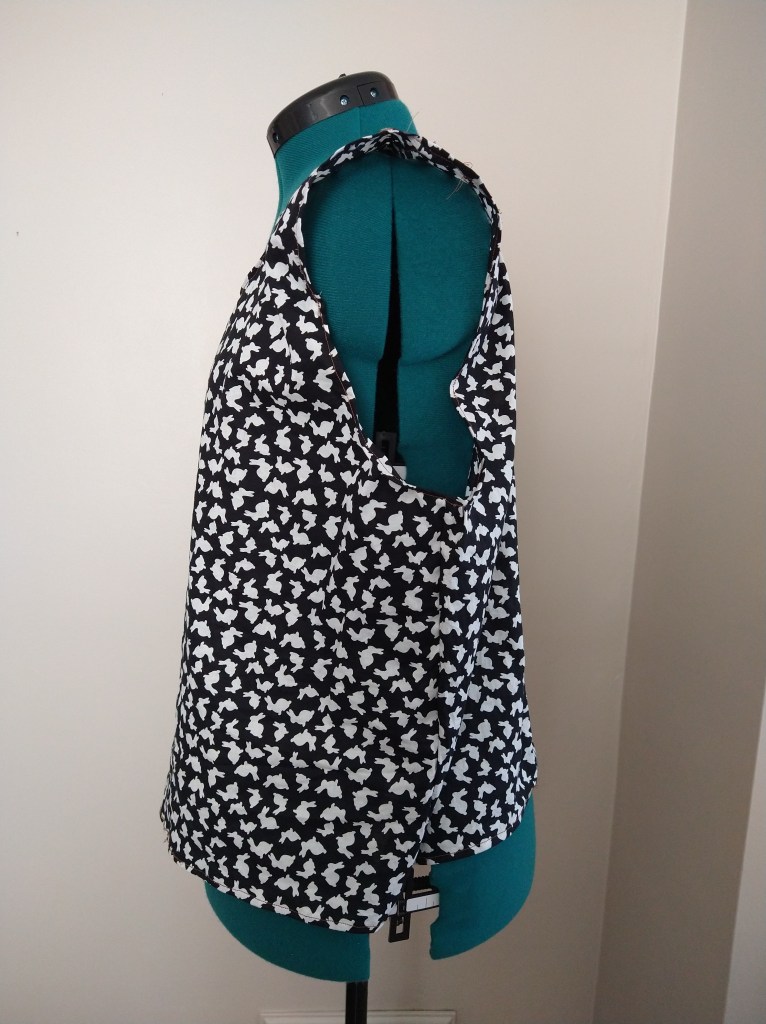

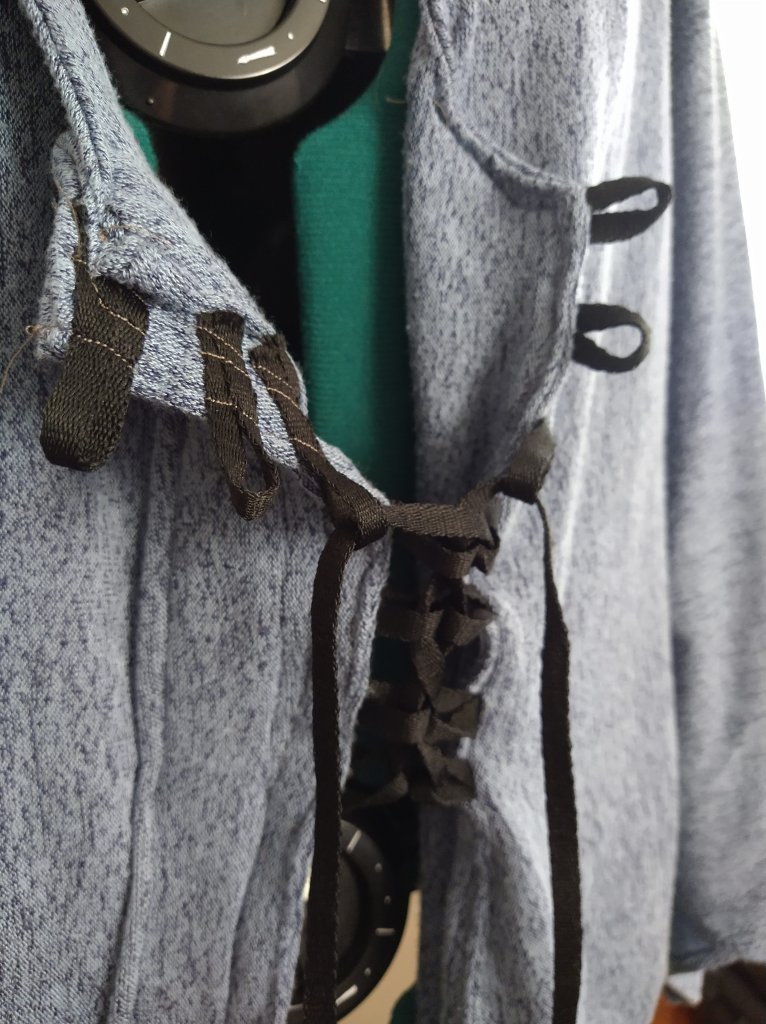


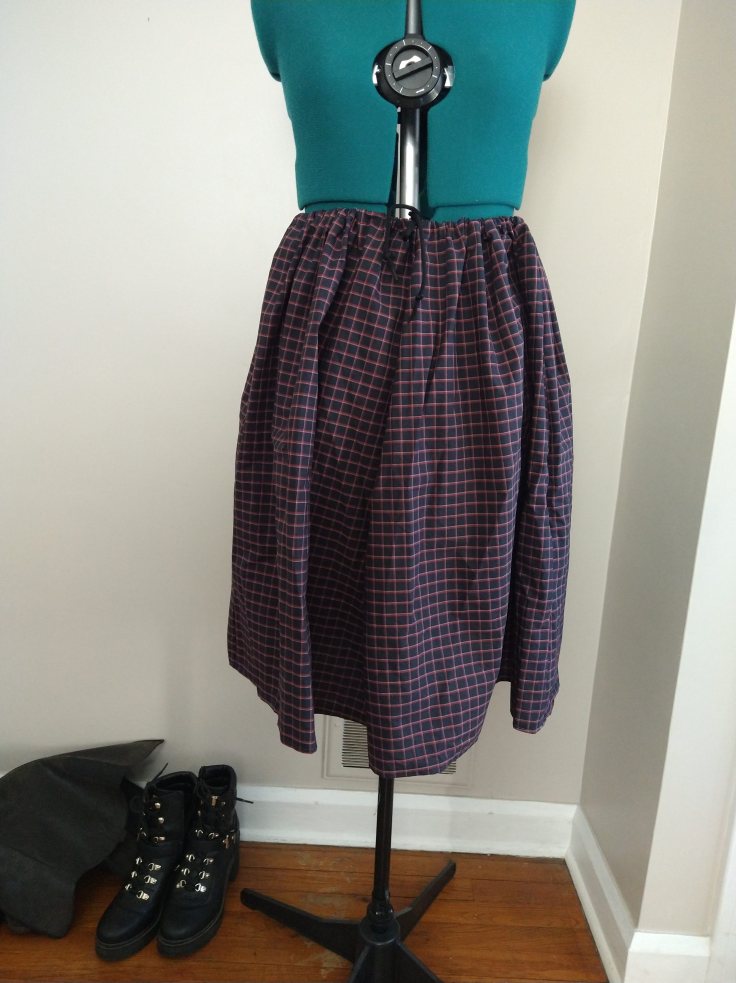






The most intimidating part of sewing for me has been pattern drafting. Possessing the understanding to draft a pattern for a garment demonstrates the knowledge of how the pieces of the clothes we wear every day are put together, plus having the foresight to sketch out the shapes on the fabric in a 3D form. It’s a lot! But that is how clothing makers have designed and crafted pieces for most of fashion history. Before the paper pattern was made available in the mid-19th century, garment makers had to understand how to create these building blocks.

“All devotees of home sewing should know these two names: Madame Demorest and Ebenezer Butterick. Madame Demorest, wife of a successful New York merchant, was the first pattern maven. In the 1850s, she began selling tissue-paper patterns for home sewers via mail order advertisements in fashion periodicals such as the Ladies Gazette and Godey’s Lady’s Book. Initially, these patterns were ungraded, meaning that the seamstress had to enlarge or reduce the pattern to fit her figure. Garment elements such as sleeves, bodices and skirts were sold individually so that the sewer could create her own dress. In 1860, Madame Demorest began to sell her patterns through her own publication, called The Mirror of Fashion. Patterns were also sold via “Madame Demorest’s Magasins des Modes” shops, of which there were 300 national and international locations by the middle of the 1870s. By the late 1880s, Madame Demorest and her husband had sold their pattern empire and turned their interests to philanthropy. Though Madame Demorest may have been the first to sell tissue-paper patterns, Ebenezer Butterick was the first to sell graded patterns. According to Butterick’s corporate history, Butterick created graded patterns in response to a comment his wife made when sewing a garment for their son. “
Museum, F. (2009, August 4). Sewing patterns. FIDM Museum. https://fidmmuseum.org/2009/08/sewing-patterns.html
What I have challenged myself to do in my journey of sewing is to understand these building blocks to create my unique patterns and connect with the craft of it as a maker. I’m a nerdy person, I love digging into the story beneath what we do. That’s why majoring in History called to me even as my desire was to study fashion. I realized through the mentorship of a great professor that I could understand the motivation behind the garments and how people lived their lives in them which would provide a deeper understanding of fashion history. How cool is that? Since that point in my studies, I’ve craved a deeper connection to clothes. It became more than just an artistic exercise of sketching a design I had in my head, I wanted to understand why fabrics are the way that they are. How trends interacted with culture and history. And so as I was looking to go deeper in 2021, I consumed a lot of Bernadette Banner, Nicole Rudolph, Karolina Zebrowska, Morgan Donner, and Cathy Hay’s content. They dig into the meat of garment construction and silhouette in a way I wasn’t introduced to fashion design by Vogue or Harper’s Bazaar. In doing so I knew, yes paper patterns would be necessary to learn from, but I needed to learn how to draft the shapes in the old way to make things I couldn’t find in the pattern envelopes of Joann Fabrics or Mood’s Sewceity.

For example, the silk halter dress and black and white tank dresses were hand drafted from my own measurements, being draped and cut based on my own form. In comparison, the light blue summer suit above was made with the assistance of two paper patterns to understand the construction of a collared shirt and shorts, two pieces that are essential building blocks of a wardrobe. But after I used the pattern to understand how to shape a collar and cut lines of shorts it was time to go back to drafting what the garment would look like based on my own pattern pieces. Yes, the suit is quite messy and I’m not thrilled with the fit of how it came out. I realized the tailoring was goofy because I deferred too much to a standardized pattern shape and now if I re-made it I could draft the whole pattern by hand according to my own custom measurements.
That is why the learning process of pattern drafting has been such a rewarding quest, it has de-programmed my brain from the effect of standardized sizing and fast fashion. Those pre-made patterns while essential to learn, can’t fit everybody and every shape it’s not possible. My student garments have not been the most flattering or pretty to behold because I am learning the process of fitting, it’s been a slow burn but when it all comes together I can see how much clothing is actually made for an individual instead of a mass market is just so dang luxurious to wear. Even when it is not perfect I’ve felt the reward. The bigger reward though is that because it is a learning process, eventually the tailoring and my construction skill set will catch up to the ideas in my head and my clothes will turn out exactly how I picture them.
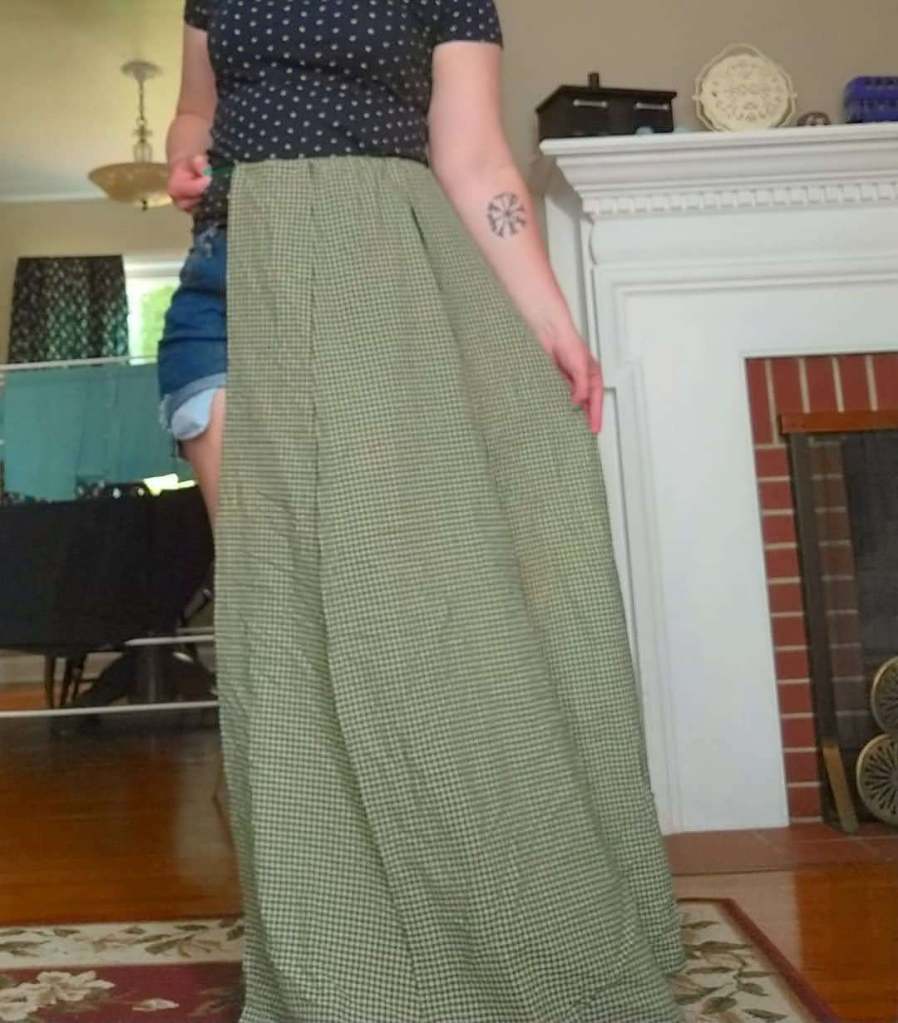
I think sometimes we underestimate the effect fast fashion is having on our minds in the way we relate to clothes. We are accepting uncomfortable, cheap-quality, synthetic fabric clothing that is made to be disposable. It is not supposed to be like that. Take this dress featured below, it is made from 100% cotton that I purchased for $4.00 a yard from a quilting fabric store. Because it was a natural material it held up to wear and washing and was breathable. It was such a comfortable fabric to wear in the summer and did not fall apart. The dress I made was drafted according to an older style of skirt, with 10 skirt panels that were tapered to the waist to make the skirt swish, as taught to me by Bernadette Banner’s videos. I then drafted the bodice using historical dress-making techniques from the Victorian era, as taught by Cathy Hay’s videos. This garment fits me better than my wedding dress. Hands down the best-tailored garment I’ve made according to traditional construction techniques! It took me four months to complete, as I was still learning how to sew and draft. It only cost me $16 dollars in fabric although it looked far more expensive when it was done. I guess my point is by sharing this is to share with you, reader, is to share how valuable it can be to learn the old techniques instead of deferring to technology. Let our knowledge and craftsmanship define our creations instead of a piece of technology, like AI. Not all of our modern ways know best. Fast fashion certainly doesn’t!


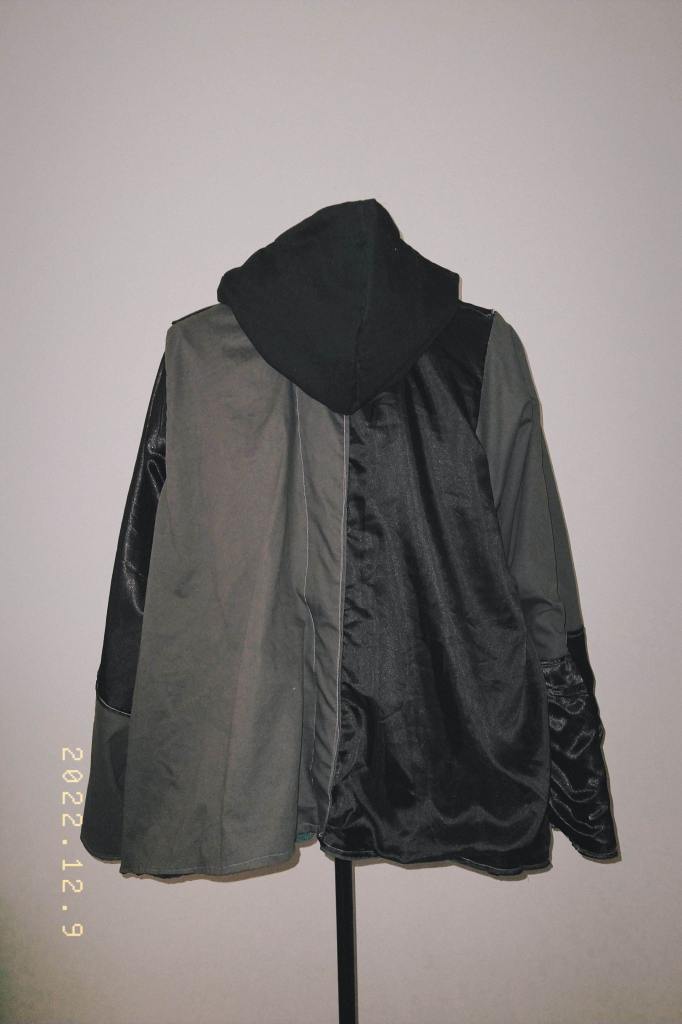
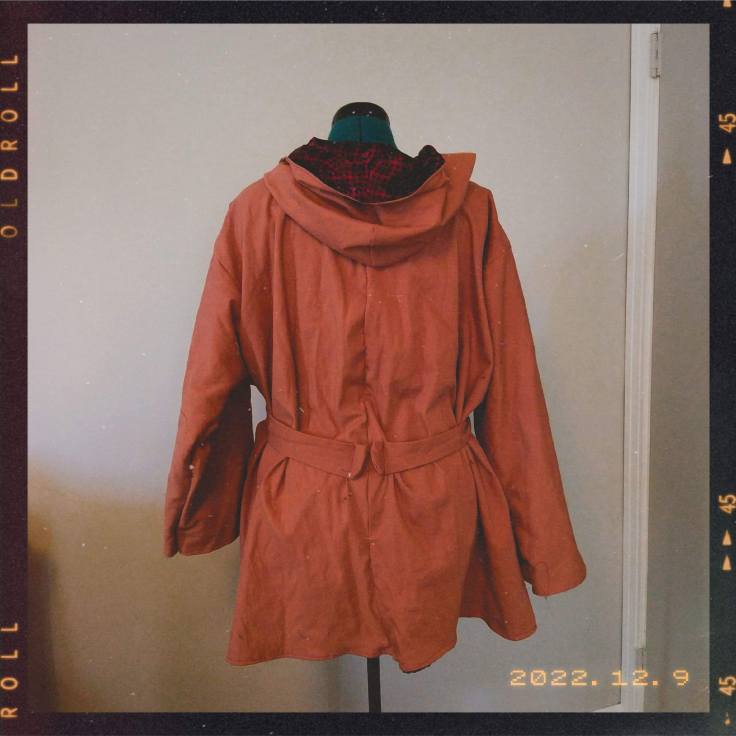
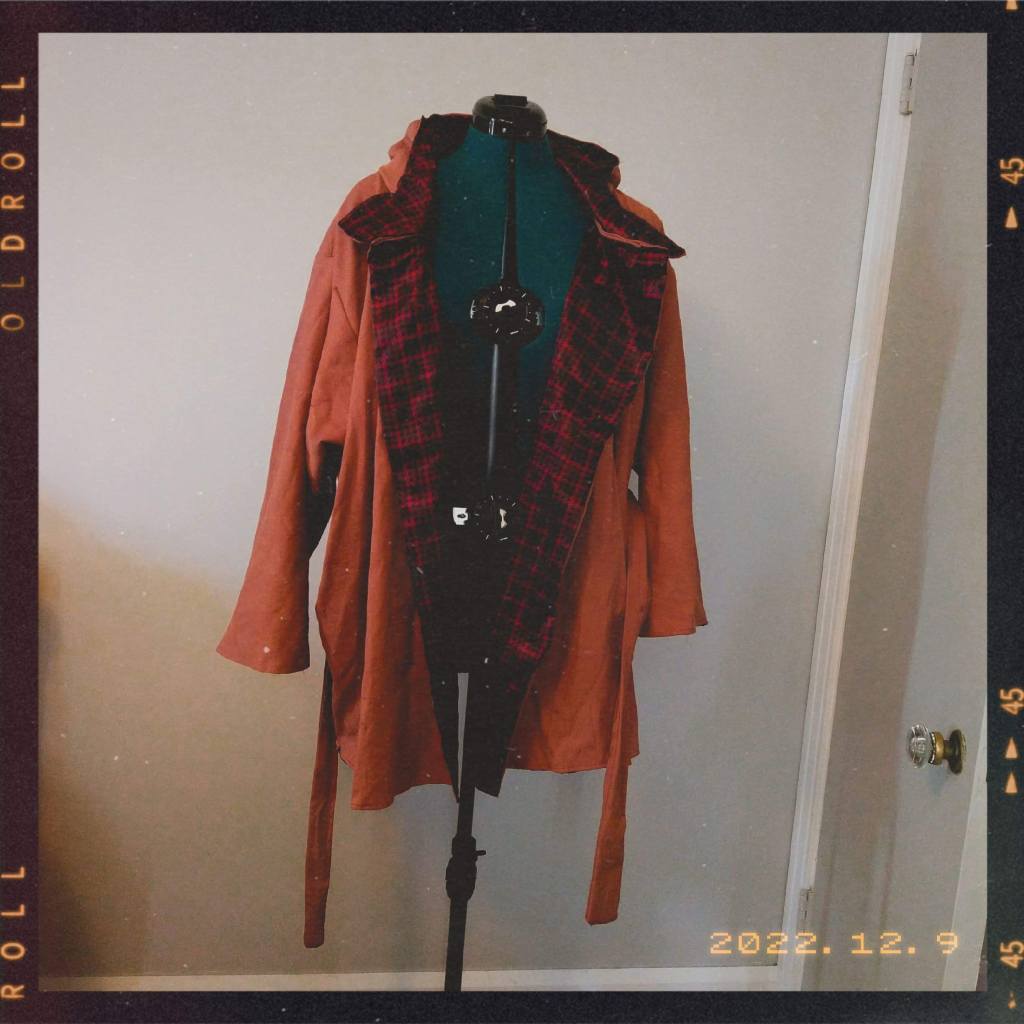
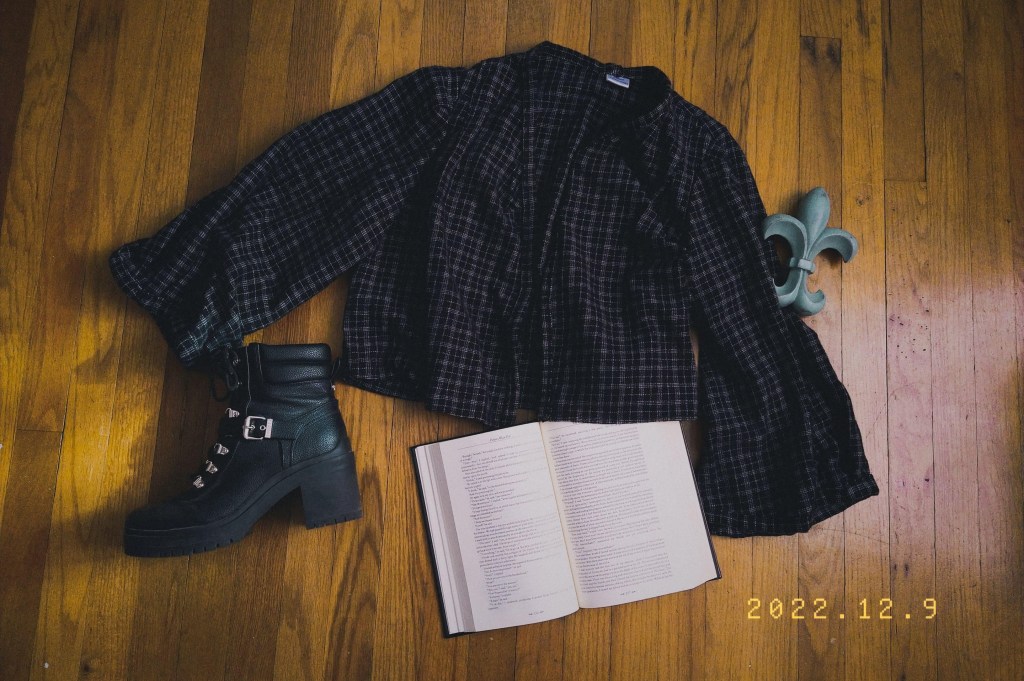
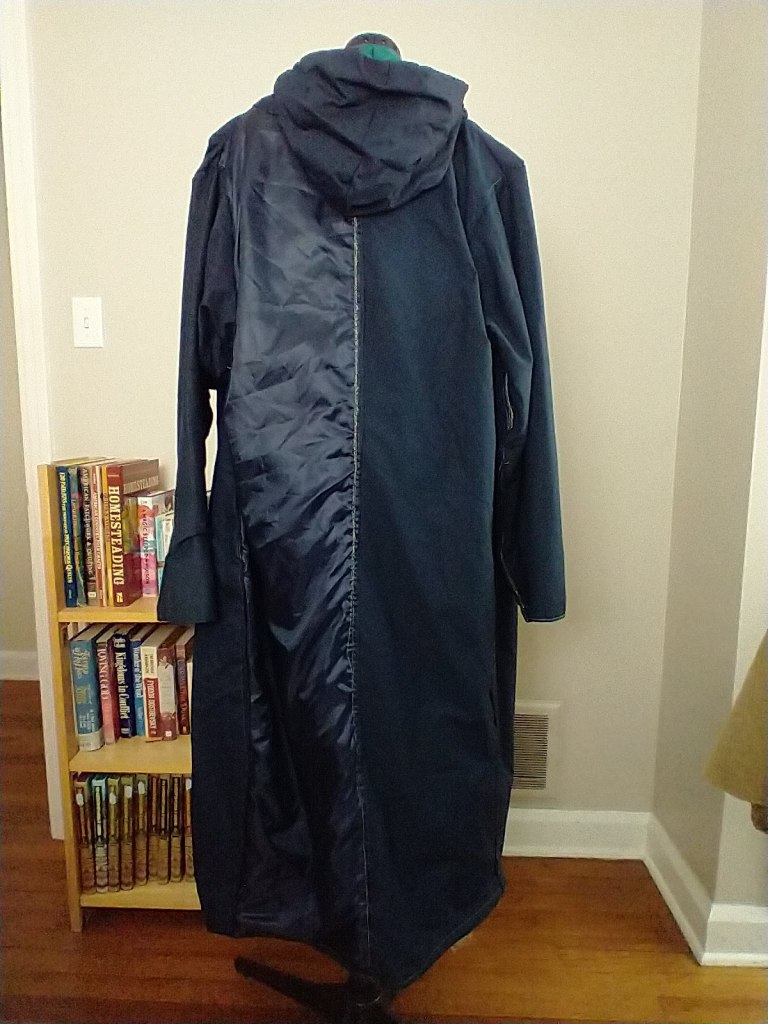
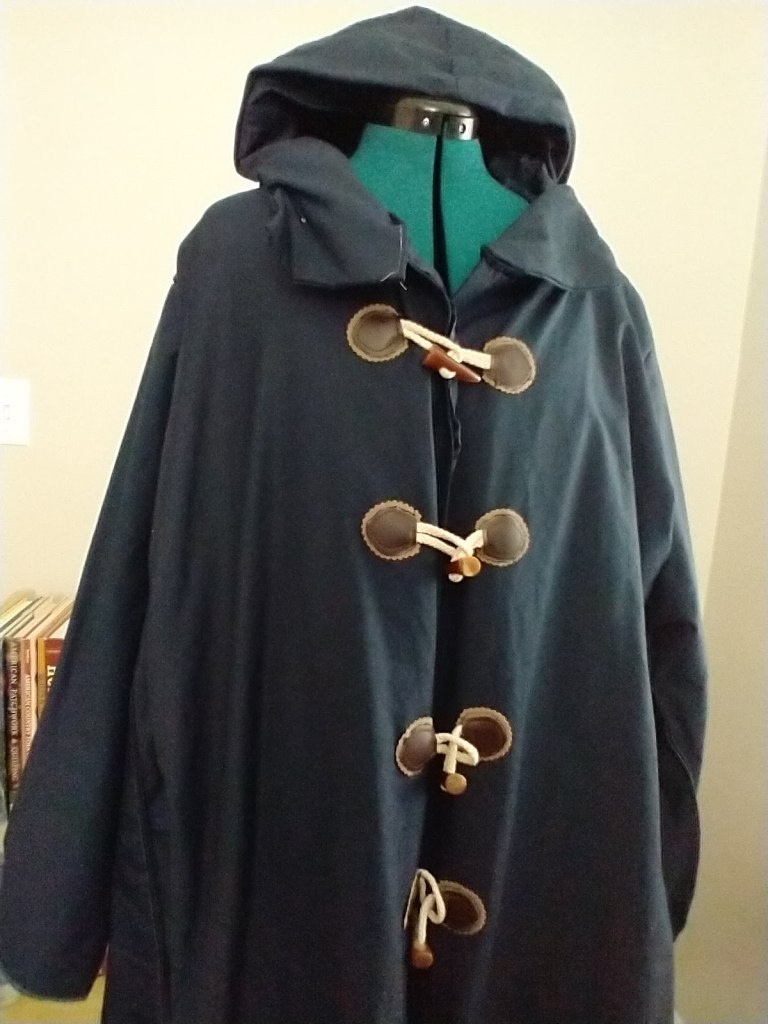
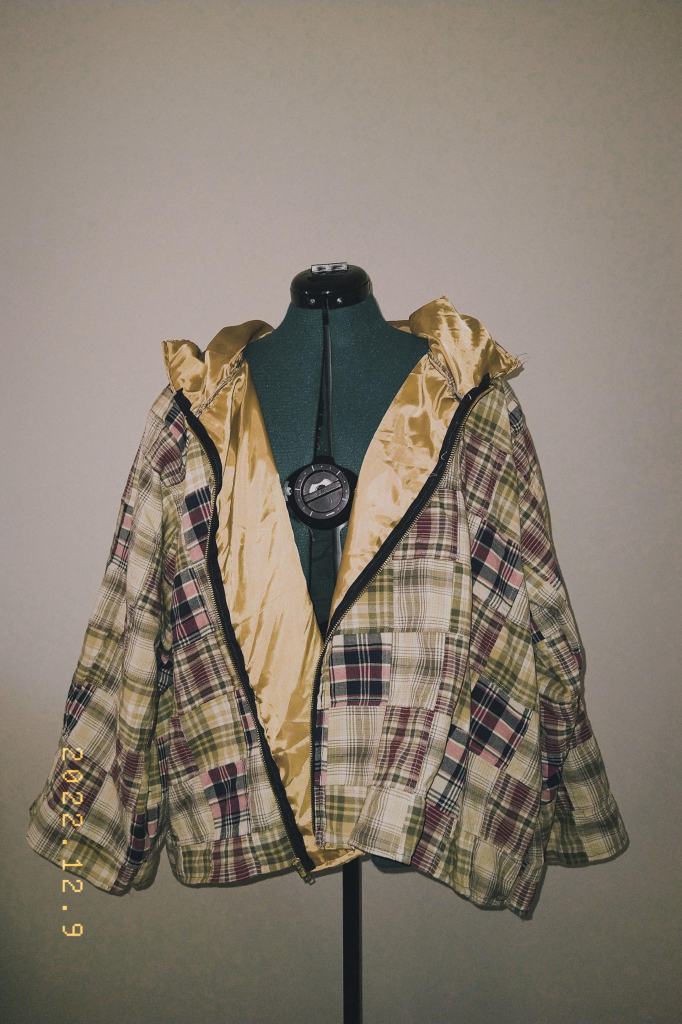
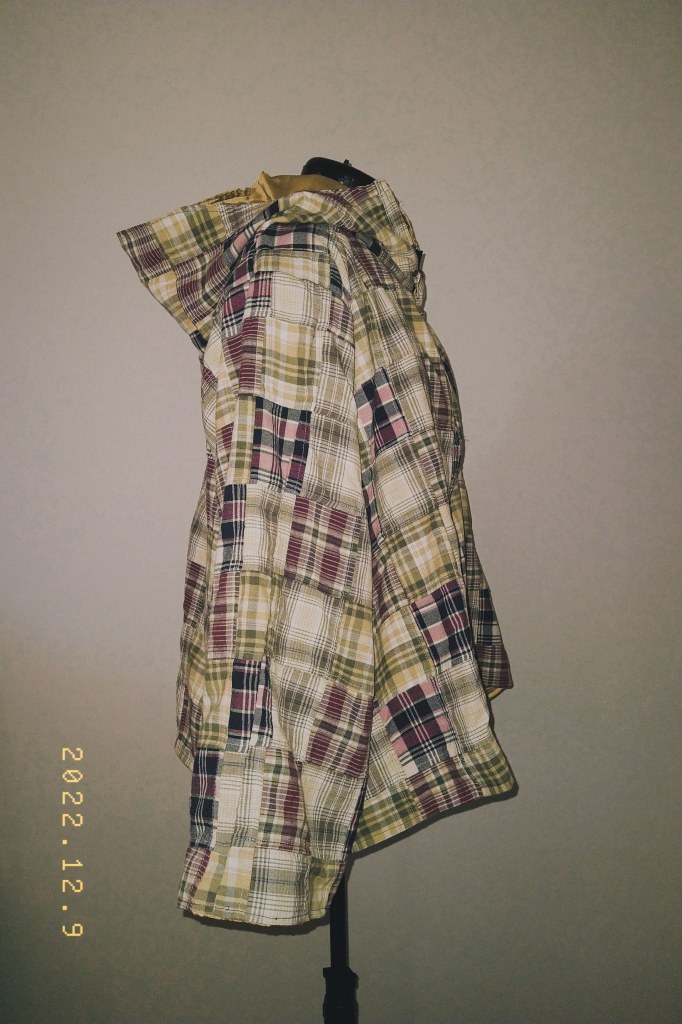
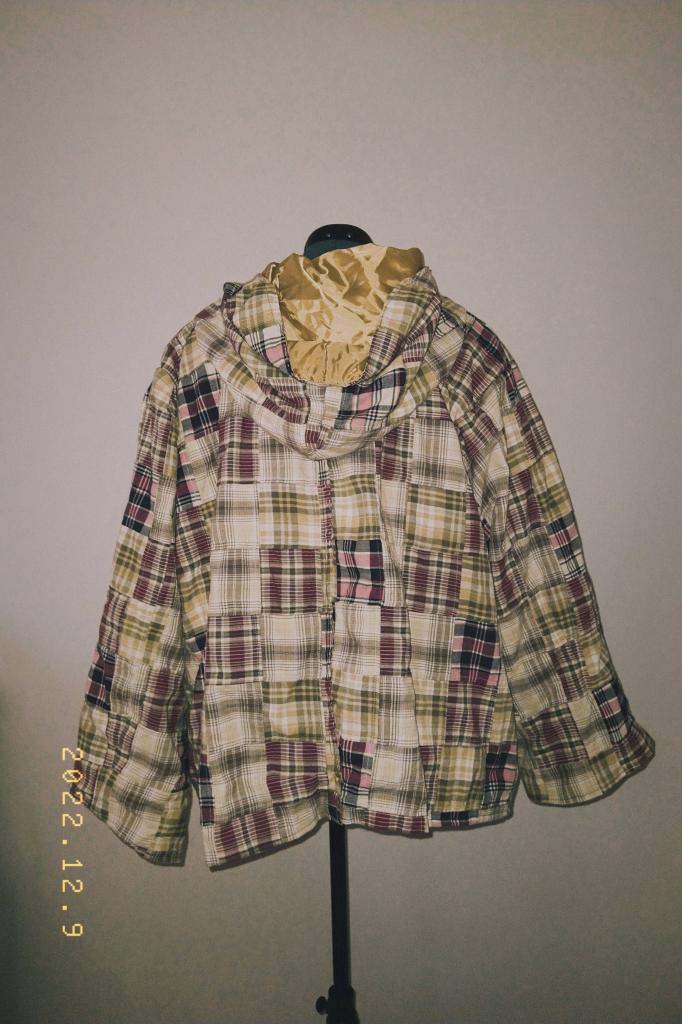
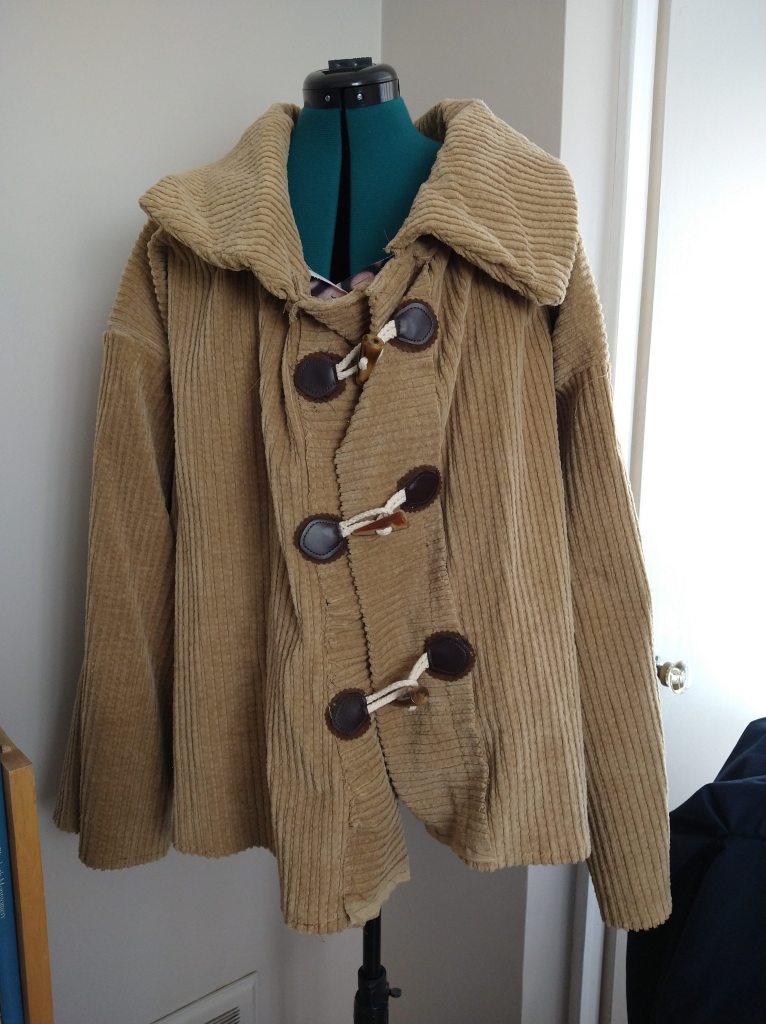
From Top to Bottom: Wonderland Jacket, Carol of Cheer Blouse, Banshee Sweater, Superboard Jacket, Antrim Coat, Raven Jacket, Maeve Blouse, Paddington Duffle Coat, Gormley Jacket, Longmire Coat








 One Rabbit Riot