













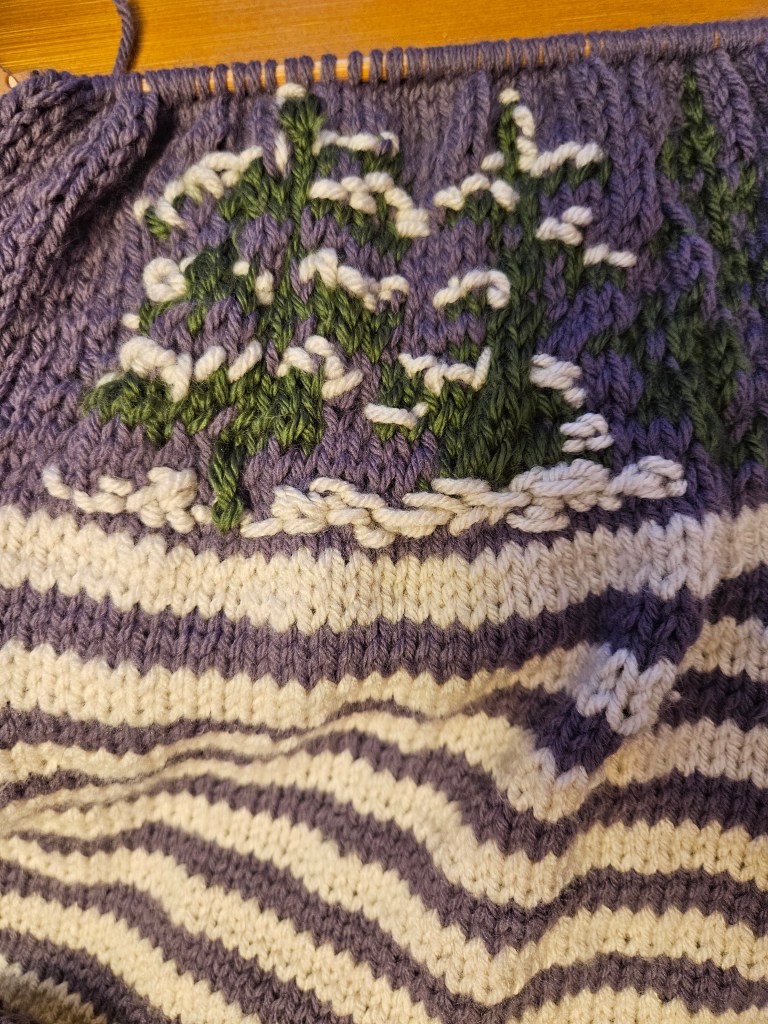


If you missed it, I made a Game of Wool Bingo card for episodes 1-3, because in my opinion, this show should not be taken seriously. I’ve given up watching, interacting with recaps, etc. I’m not going to watch beyond episode 3, and that is because hate-watching is validation in the attention economy of 2025. That got me thinking, what do I wish Game of Wool was instead of what it is? Game of Wool, just like Project Runway, I have notes!
I don’t want any themed-making kits sold per episode. They have been doing this for the episodes I have watched, each week partnering with a big yarn company, honestly making kits that serve no purpose other than a cash grab. I also don’t want to watch weekly episodes with challenges that create useless items. Useless from a practical and technical standpoint.
This Game of Wool presents everything that late-stage capitalism is in relation to crafting and hobbies, thanks to greed, social media, and the attention economy. The British farmers could use the income; how about sourcing locally? What about sustainability and slow fashion? Yeah, 12-hour challenges do not represent anything but hustle culture. Girl boss, slay!
I’m tired of this show discounting a skill that has been tossed aside as a Grandma hobby since the Industrial Revolution. In these weird and wacky times, slow fashion and an appreciation of craftsmanship are in short supply in the media. This show had such potential! But they are truly chasing the money over integrity.

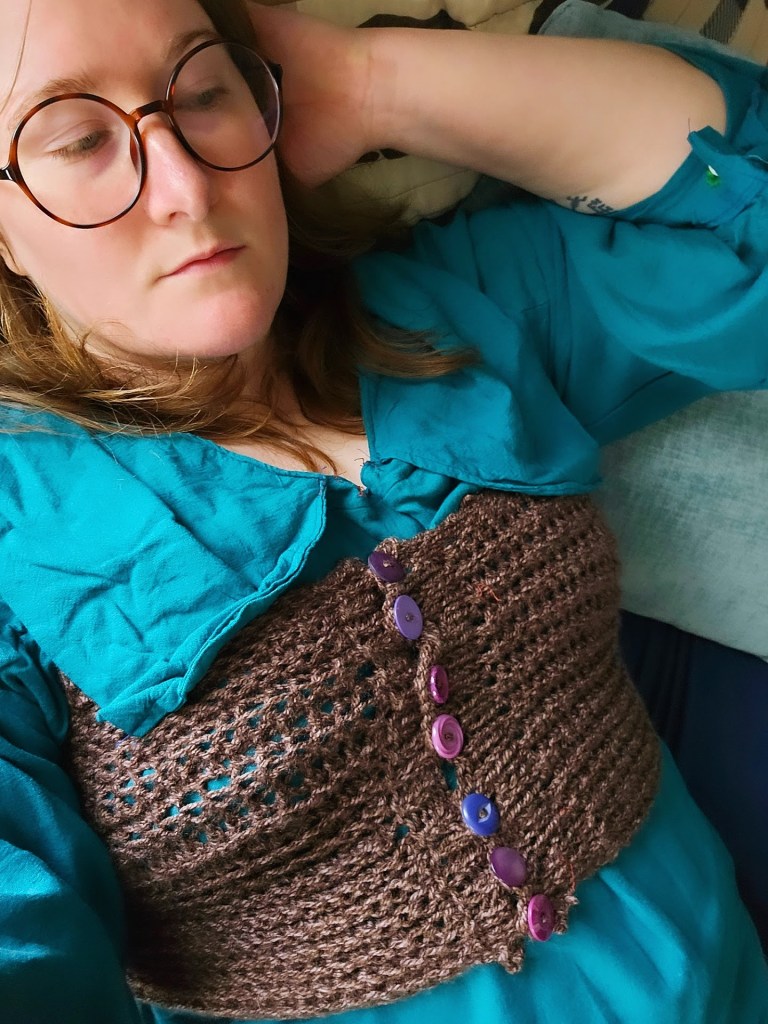
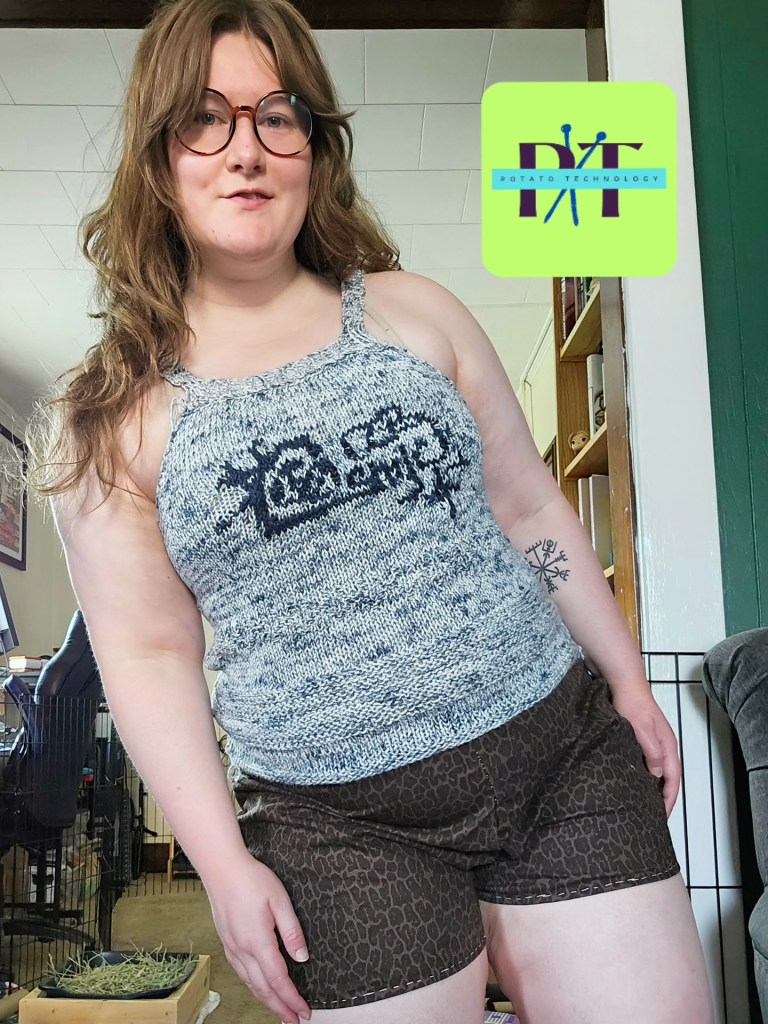
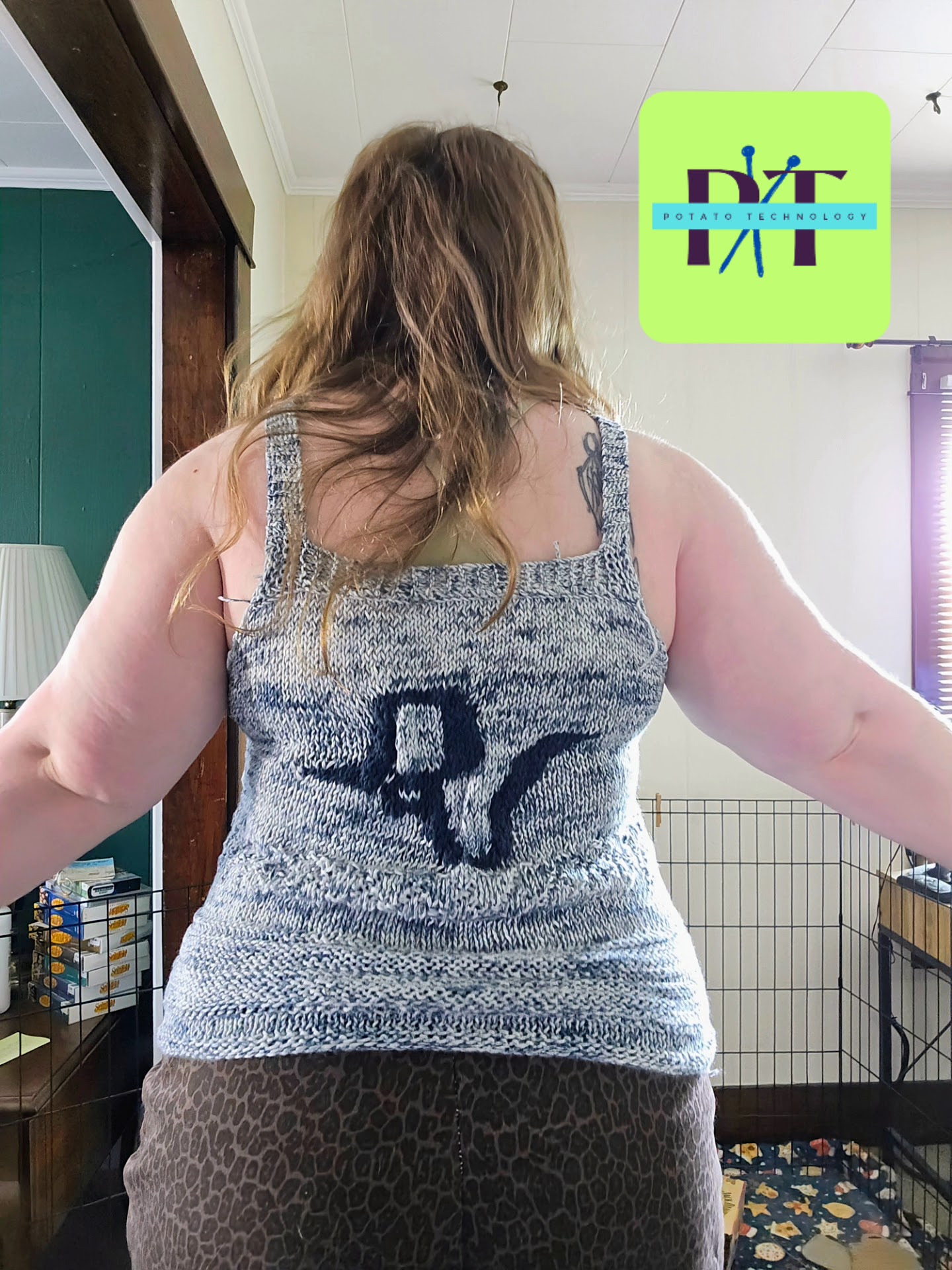
This is a follow-up to my recent post, ‘Will I Wear a Knit T-shirt?’, where I examined the fibers and wearability of a knit t-shirt and discussed whether this summer knit project could be a suitable option. Since then, I finished and got to wear a new piece of knitwear – my first knit tank top. I wore it in July, in full humidity with highs in the upper 80s to low 90s Fahrenheit. My experience surprised me – I said before that my knit t-shirts are wonderfully comfortable, but have a temperature and humidity limit for me, but the tank top surprised me!
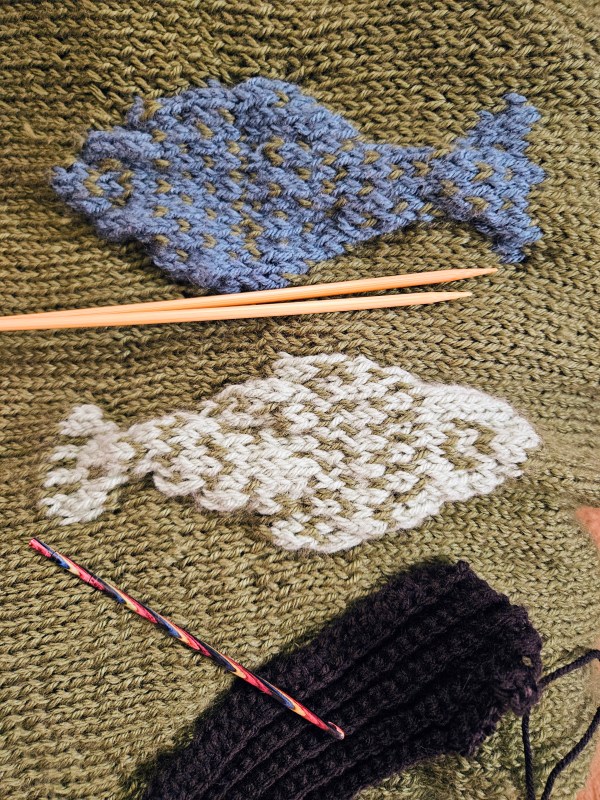
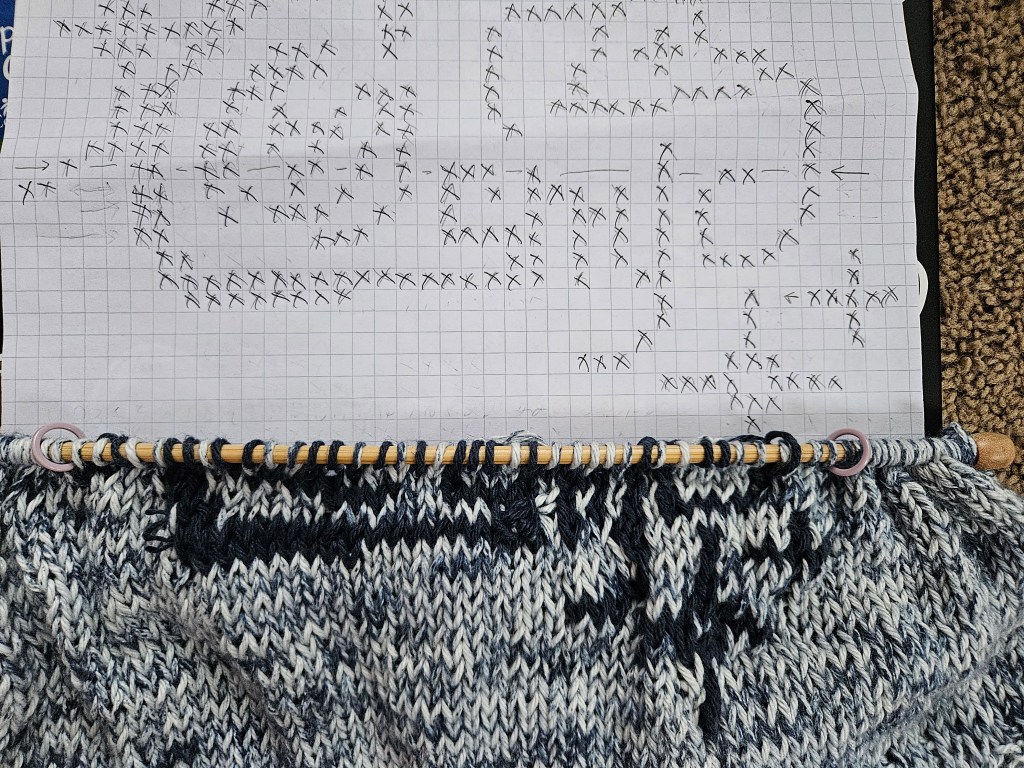
I think it was the high pima cotton content in the Knit Picks Comfy – a 75% Pima Cotton and 25% Acrylic mixture that uplifted the breathability for me. I was melting in the hot sun, but the air flow and temperature regulation were spectacular! This tank had delicate straps but did not have a lacy stitch or open weave. It was constructed with regular knit and purl stitches, with sections that had double layers of yarn due to two sections of colorwork graphics on the front and back.
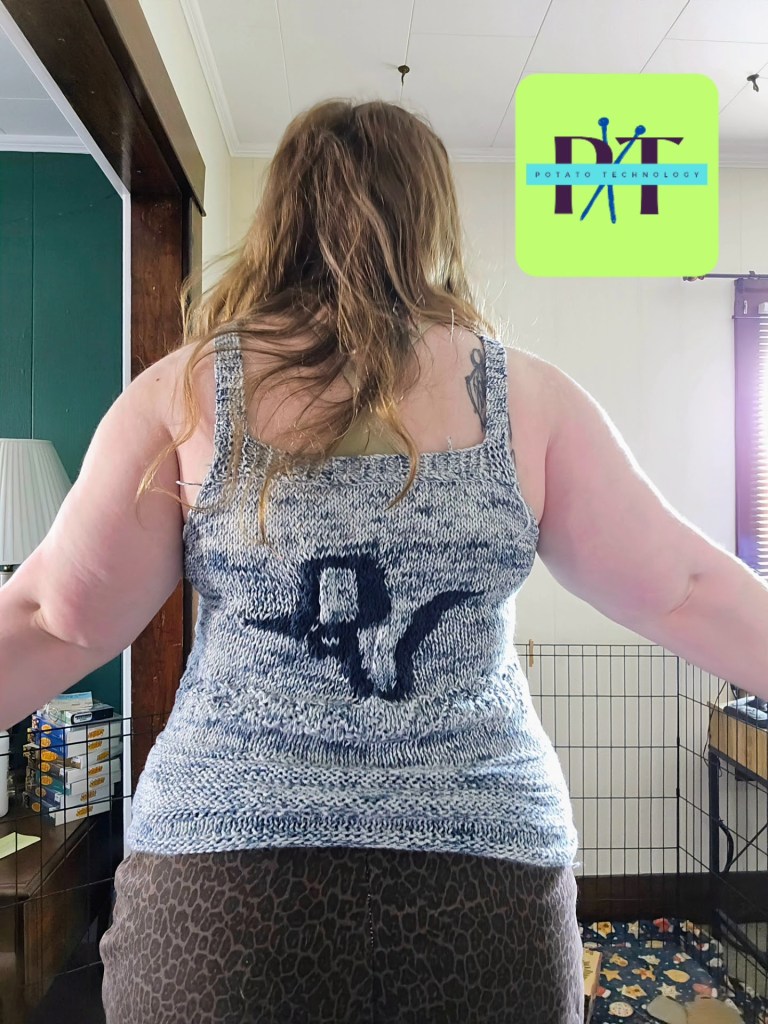

With Pima Cotton, Silk, Bamboo, or Linen as the primary fiber, or a blend of these natural fibers, I believe knit tanks are just as breathable as woven fabric, and for sure more breathable than moisture-wicking tech fabrics, which are polyester. No, I wouldn’t work out in this top, but there is something to say for a garment that is comfy and breathable for those long summer days. It was a simple stitch-up up only calling for two hanks of 100-gram worsted-weight yarn, about 240 yards, with the addition of 1/3 or 40 yards of the accent yarn, another cotton-acrylic worsted-weight blend from Loops and Threads. You can make a tank like this for 30 USD or less, and this is a size large. So if you have a small amount of yarn, you can do a lot with it!
Do you think a knit tank would be an item you would wear?
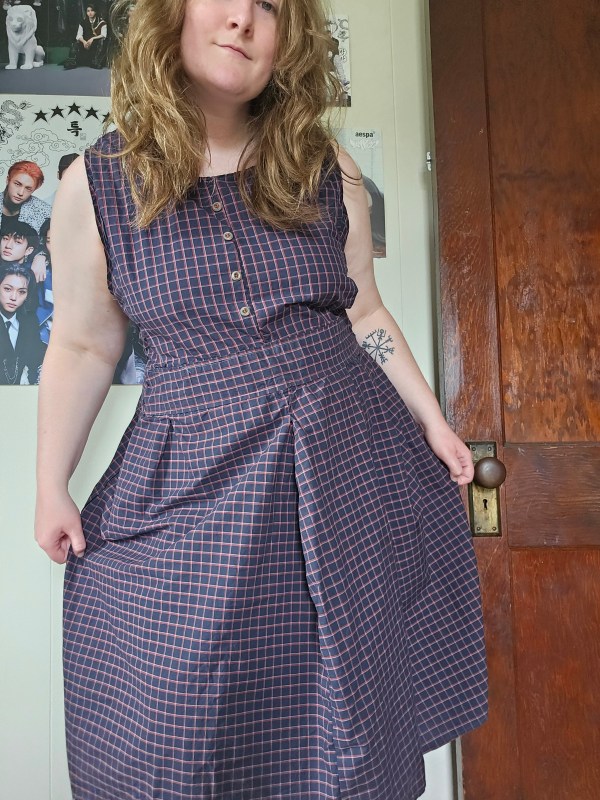
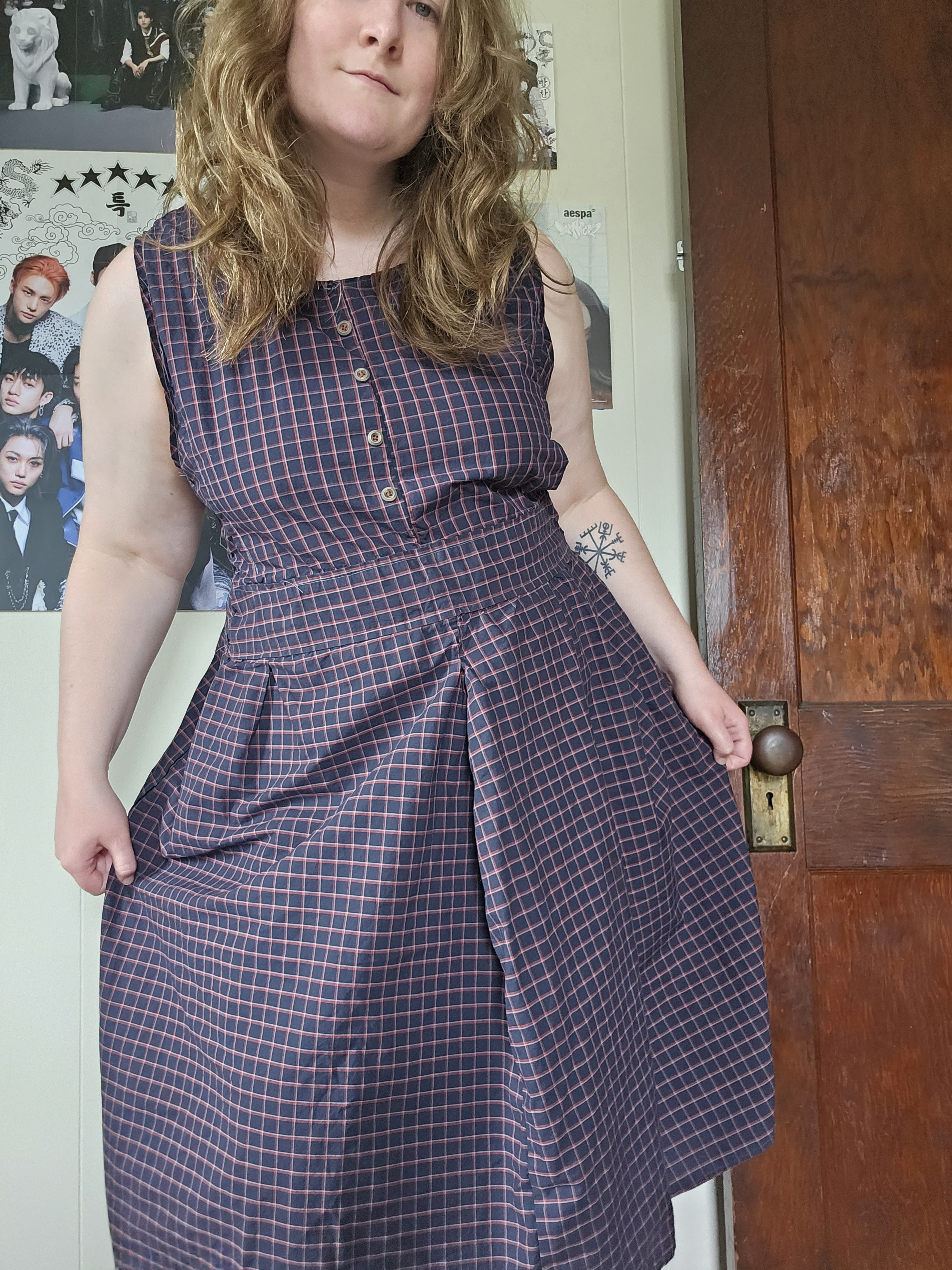
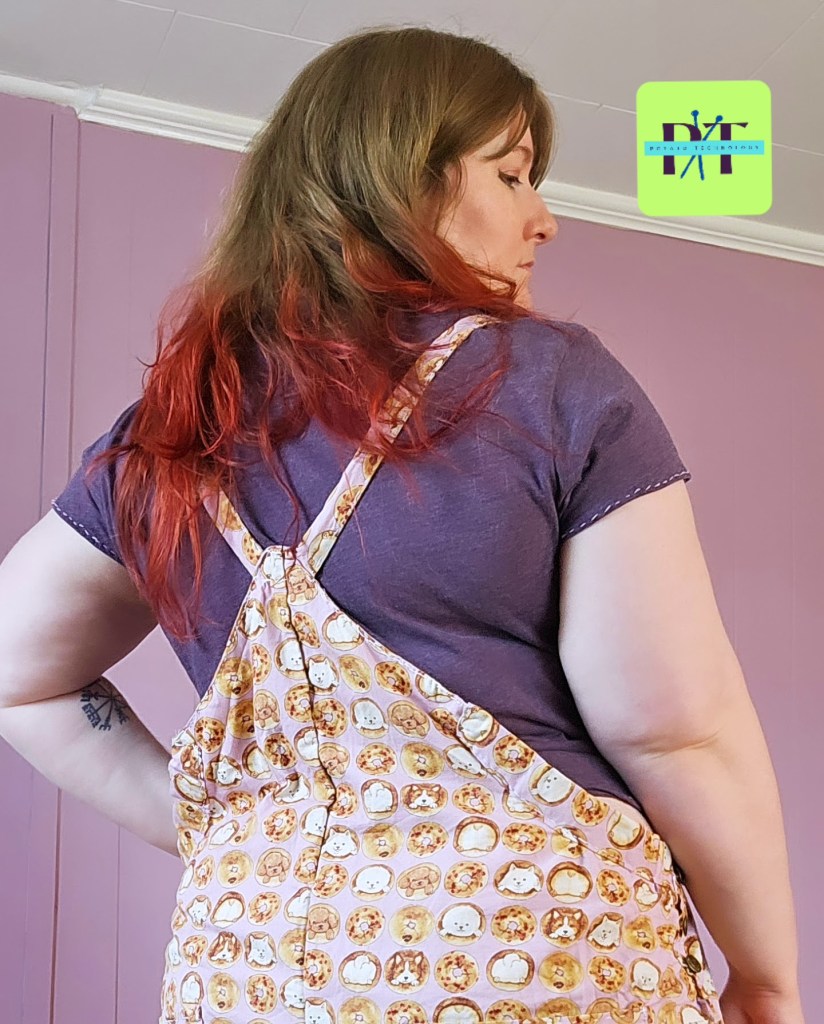
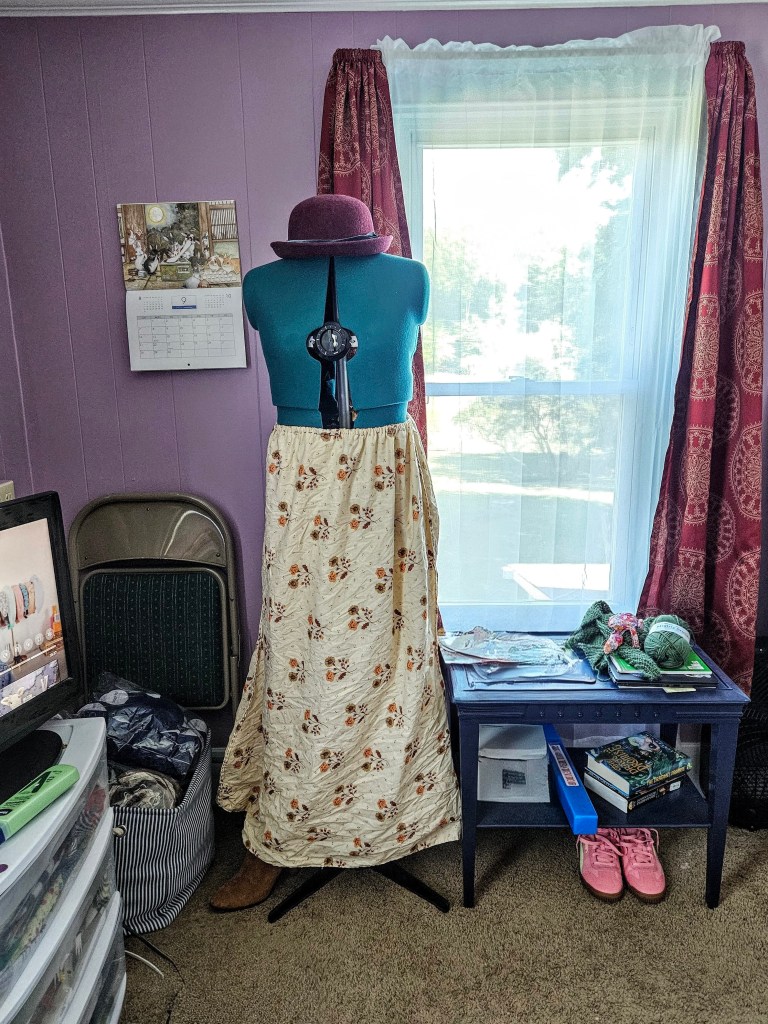
You will recognize this fabric if you’ve been here since I shared my Spring/Summer 2023 collection. I originally purchased it for a Christmas present project as part of my Autumn/Winter 2022 Collection for a pair of pants. I happened to not share it on the site. With the extra yardage, I made a blouse and a matching skirt I styled in 2023 as separates and a set.
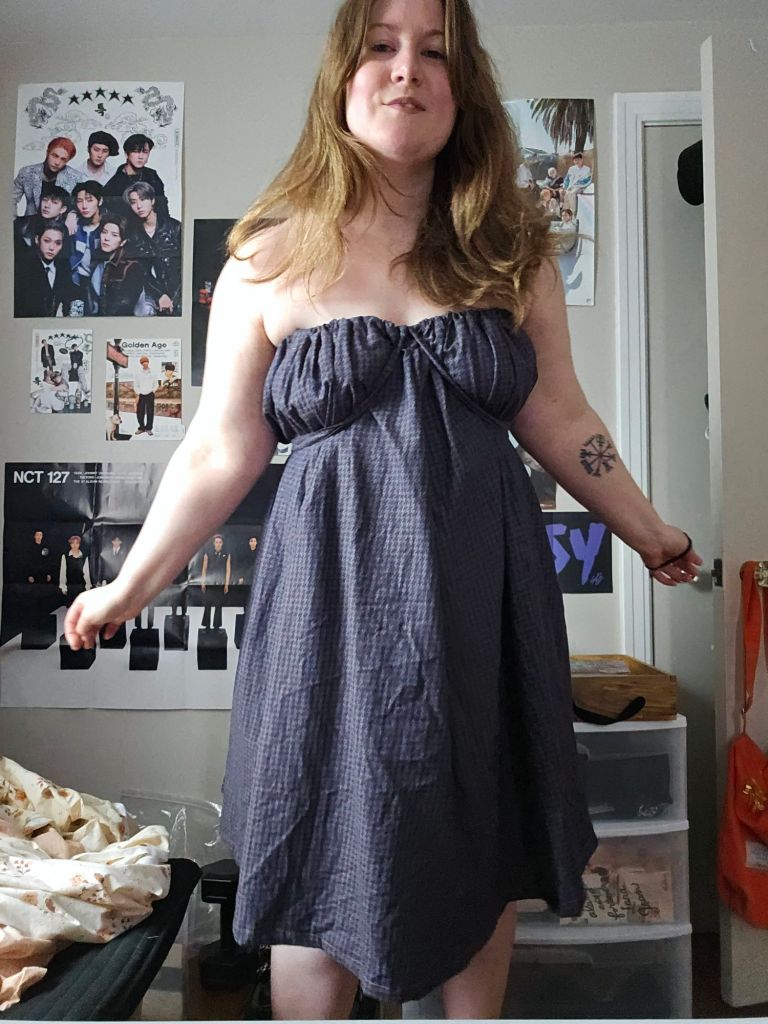
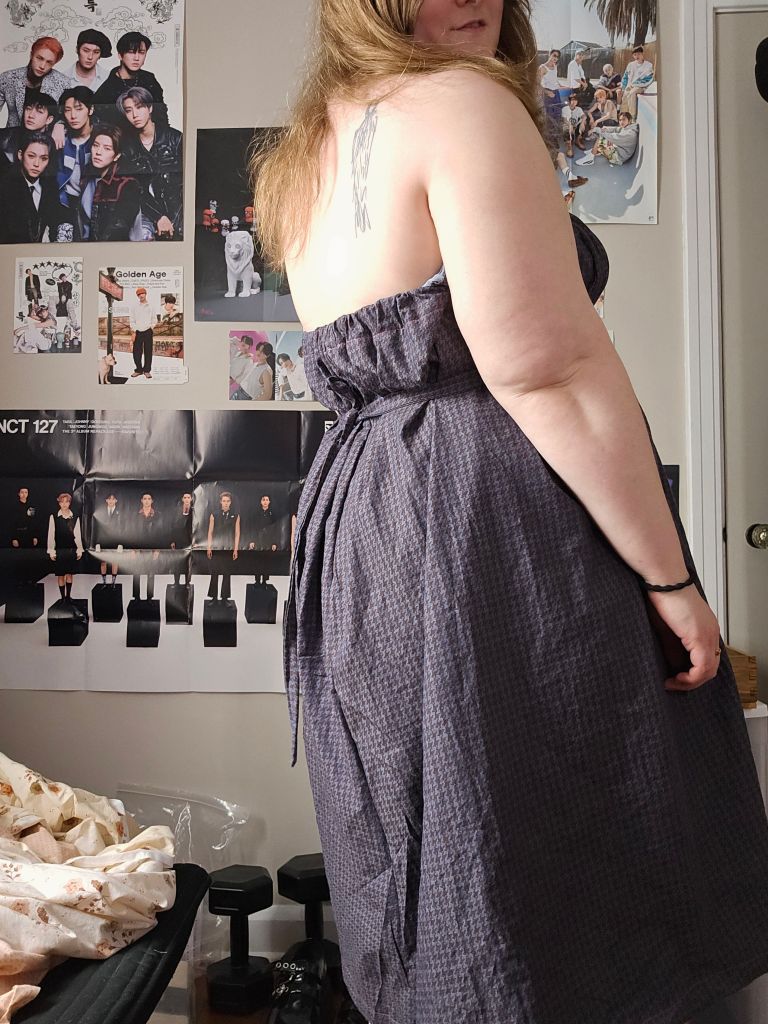
This got me thinking, should I just make it a dress? So I did, I sewed the two together with mixed results. I liked the dramatic drape of the shoulders in contrast with the defined waist but the fabric is thin and I knew I wouldn’t wear it as a long sleeve garment. So I chopped the sleeves to a flutter sleeve option.


This felt even worse when I wore it as a short-sleeved dress. The dress was constructed well, the fabric of good quality, and the color scheme flattering but I did not reach for it. The sleeves made me feel weird and wide instead of cute. I didn’t feel like me. Have you ever experienced that with a garment or a project you have made? There’s nothing technically wrong with what you made or what you tried on, but it feels off. This left me with one more option. No sleeves.
So I chopped the sleeves entirely and that’s when I felt like I struck gold! It looks like a dress my Grandma used to wear. Shirtwaist dresses were her staple dress and I see why. They are versatile and practical. I can dress this up or down. I can layer over or under for different looks. It’s a dress I know I’ll be making again with a proper button placket and pockets for sure.

When we were living in Meadville in 2019 and I was getting into thrifting, I found a lovely 1990s dark purple velvet princess seam dress. It was longsleeved and midi length with a scoop neck and stretchy velvet knit that draped lovely from the waist. I could tell from the label it was vintage. It had a different attitude. The dress reminded me of dresses I wore as a kid that were so special yet accessible.
I was thrilled. It was a comfy dress that I would style with lace-up boots, tights or leggings, and a moto jacket. It made me feel special during a period of my life where nothing felt that special. In 2019, I was bored, stuck in a dead-end job, looking for a new purpose, navigating some drama with my dysfunctional family, and getting used to a new city. It was a weird time.
Over the years my body changed and I donated it back but it continued to live in my head, wishing that I had kept it, so much so that the first dress I ever designed was a recreation of the piece which I talked about in #3 – First Sewing Project. Comparing the pieces I made side by side, I can see the growth in my skills and understanding of fabric which makes me pleased to see.
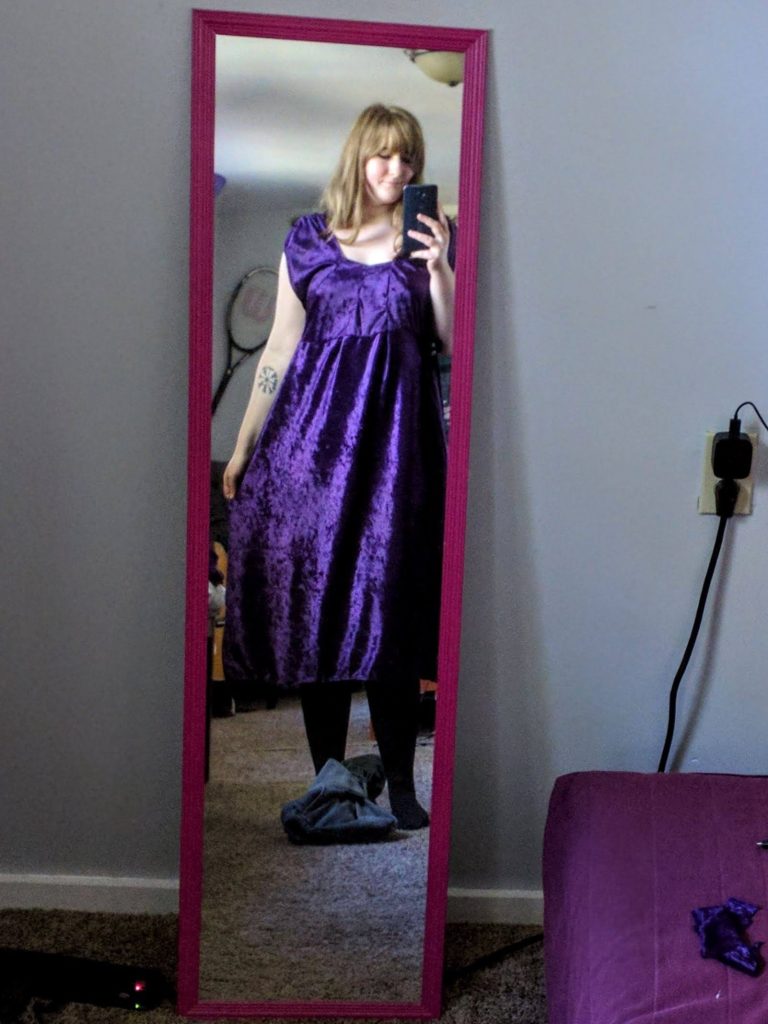

The left dress nailed the color but everything else about it was jacked up. The sleeves were poofy, and the skirt and bodice were draped well but I know the construction was questionable because it was the second item I sewed ever. I think if I can find this fabric again I’d like to recreate it with my current skill set. The dress on the right I cut out with my own drafted pattern piece based on my measurements. I cut it out in two pieces and sewed it with a zig-zag stitch with medium to low tension and tapered the waist with four princess seam darts. I also reinforced the shoulder with a second layer of fabric that anchored the shoulder seam.
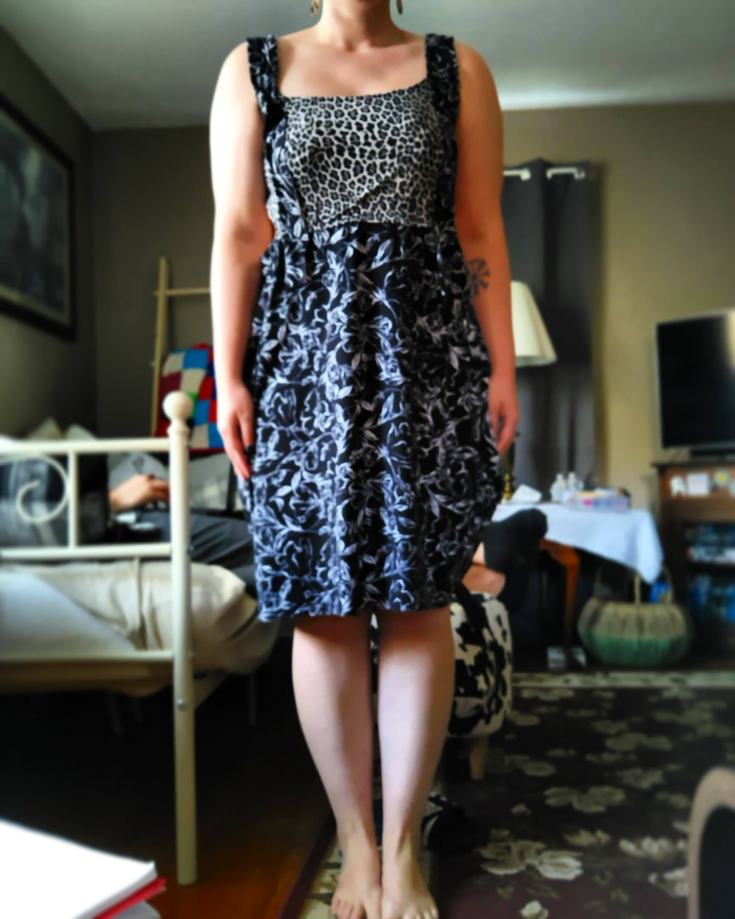
I think I’m going to get a lot of wear out of out of my new princess seam dress. I’ve worn this dress over a few days when my local weather shifted from a warm stretch of 70 degrees Fahrenheit to a rainy, cool 50s and 40s. Because this dress is a polyester stretch knit jersey yet is lightweight, it was comfortable on a warm day. Yet when it cooled down I was able to pop on a sweater and found it easy to style with a pair of boots.
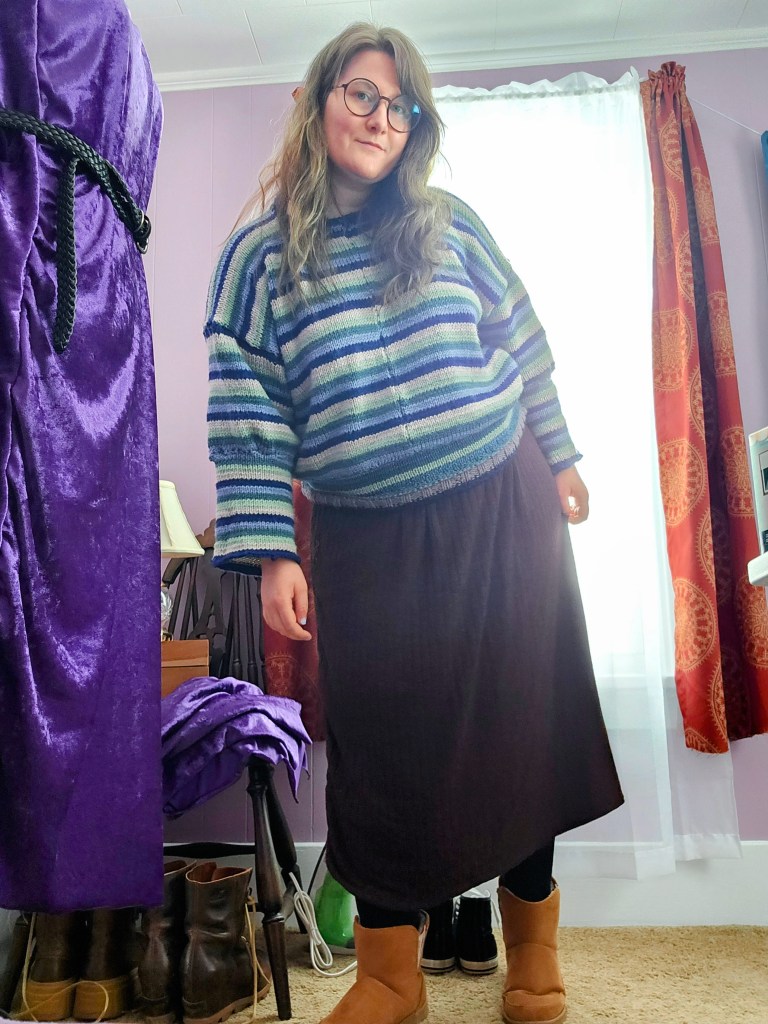
With a sweater, this dress looked like a skirt and it has transformed my approach to how I want to wear my clothing. It may seem elemental, but I’ve usually been a pants and top girl in the winter reserving dresses for the summer, but as my style evolves I’m finding that layering and pattern clashing is something I feel most like myself in.
Long story short, my new me-made dress has surpassed my love for the original, thrifted dress. I love the animal print and the fact that this was a remnant fabric from Walmart yet I believe looks like it came from a higher-end fabric store.

I’m excited to continue designing items in this silhouette and utilizing my own paper patterns which has been a huge step in achieving my vision for the garments I make. I’ve also been working in a lot of stretch fabric this year to gain more knowledge and improve my skills to keep growing as a designer. Without the practice and determination to keep going, not to mention patience because mastering any skill takes so much longer than the internet wants us to believe, this would be a different dress. It would not fit me well, it would not be constructed well, it may not have even made it through the sewing process, and would have been scrapped.
That is why practice is so important. And you know what the real big moments are? Not just your successes but being able to look back at the failures, and the mistakes, and see how far you have come. Such as this dress that I made in 2021, which although the design was cute, fell apart because I didn’t understand how to properly construct stretch fabric nor did I understand how to choose the right fabric for a garment for it to be successful. But now I get it and now I understand how to fix it and if I decide to remake it, I could! And that brings me a whole lot of joy!

Stretch fabric and I have been at odds since I began sewing. I fight with it during the cutting process. The pins slip out while sewing. I’ve cut on the wrong stretchway and ended up with ill-fitting items and not enough scrap to fix it. My Heavy Duty Singer sewing machine which is named, Señor Senior Singer, tends to eat my flimsy knit fabric and lightweight gauze projects, dragging them underneath to jam the machine, and ripping the fabric in the process!
It’s overall been a losing battle, so much so that I have been wary to purchase stretch fabric unless it is on a ridiculous clearance sale because my patience is shot.
This is literally how I feel when the fabric gets trapped under the needle plate and the only way to jailbreak it is to rip it. It drives me bonkers! Why must it keep eating the nice fabric I cut, pinned, and draped into this beautiful form. Was it done so that you, my sewing machine could devour it like a snack?! I digress.
This is where I had to humble myself, accept that something was missing in my technique, and do some research. It turns out I needed to change my approach, which is progress! I first, took a break from my machine sewing, because we needed some relationship counseling at this point, and returned back to hand sewing. I took an approach that matched the speed of a tortoise, sewing small pieces together each day. Work on it no longer than 90 minutes or give my fingers a break or the tendonitis returns in my knuckles. It was tough to keep myself to this snail’s pace of a schedule. It took a week to sew one shirt. That is incredibly slow, even for me when I was hand sewing, but it allowed me to remember, and appreciate, why my relationship with my sewing machine is important. And why I needed my technique to change because this pace drove me mad.
It turns out the secret fix to my woes was adjusting my tensioner on the machine way down, like below five to a section of the dial I didn’t realize actually existed. I thought this would make my garments flimsy but instead, it allowed my fabric to feed under the needle without getting gobbled up.
Secondly, I needed to begin seams about an inch or two away from the edge and sew from there, backtracking at the end to finish the seam. This allowed the fabric to have a tail that guided it over top of the needle plate as I started sewing instead of getting drug underneath by the needle.
Lastly, Kyle helped me add some structure to my sewing table, by adding support under the middle of the table directly under my machine to keep the machine from vibrating and bouncing my seams into nonsensical shapes. I purchased an anti-vibration mat for my machine to sit up on and a matching anti-slip mat for the pedal to have more control and finesse in my sewing, instead of chasing my pedal with my foot.
It was a night and day difference. Dare I say fun? Yes, it made sewing the stretch fabric and the light flimsy fabric a blast. A quick, neat seam was no problem in my sewing studio now!
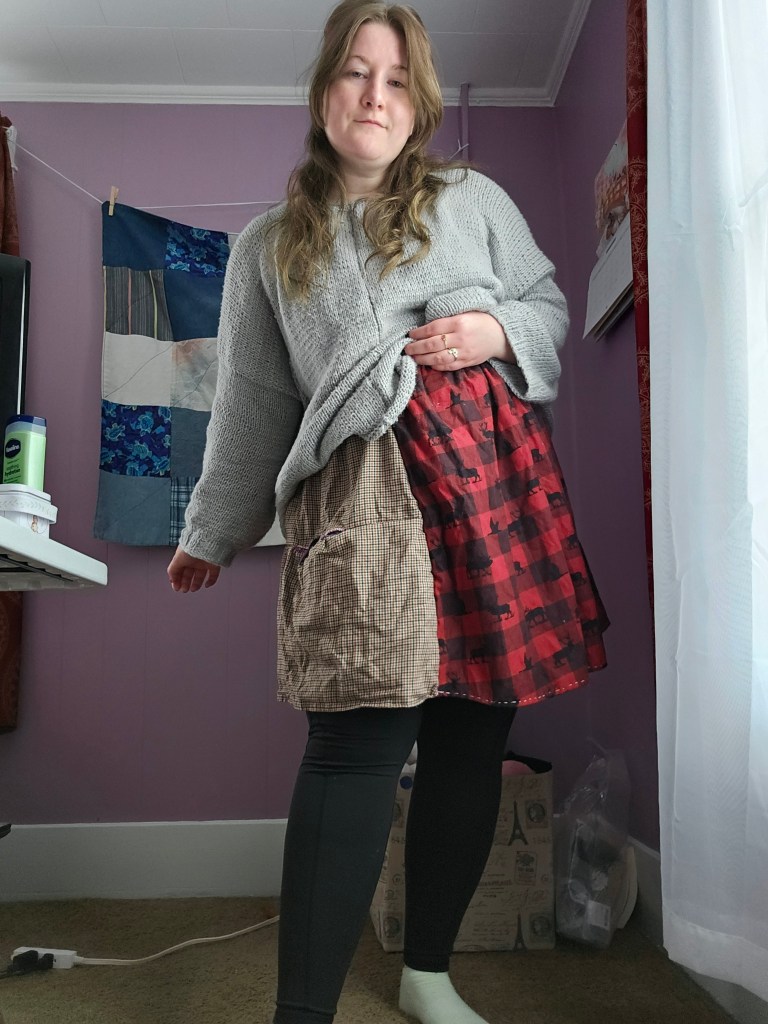
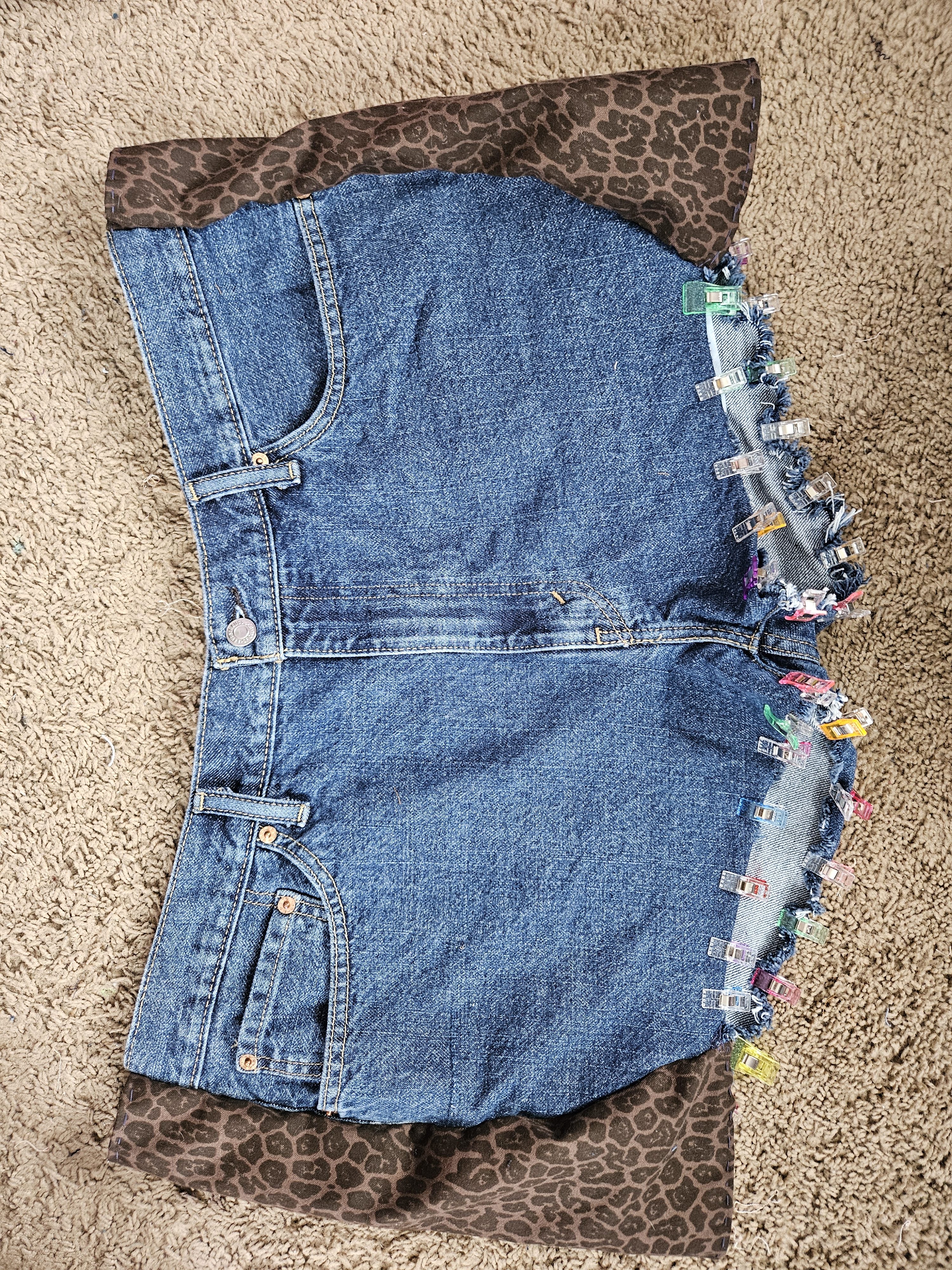
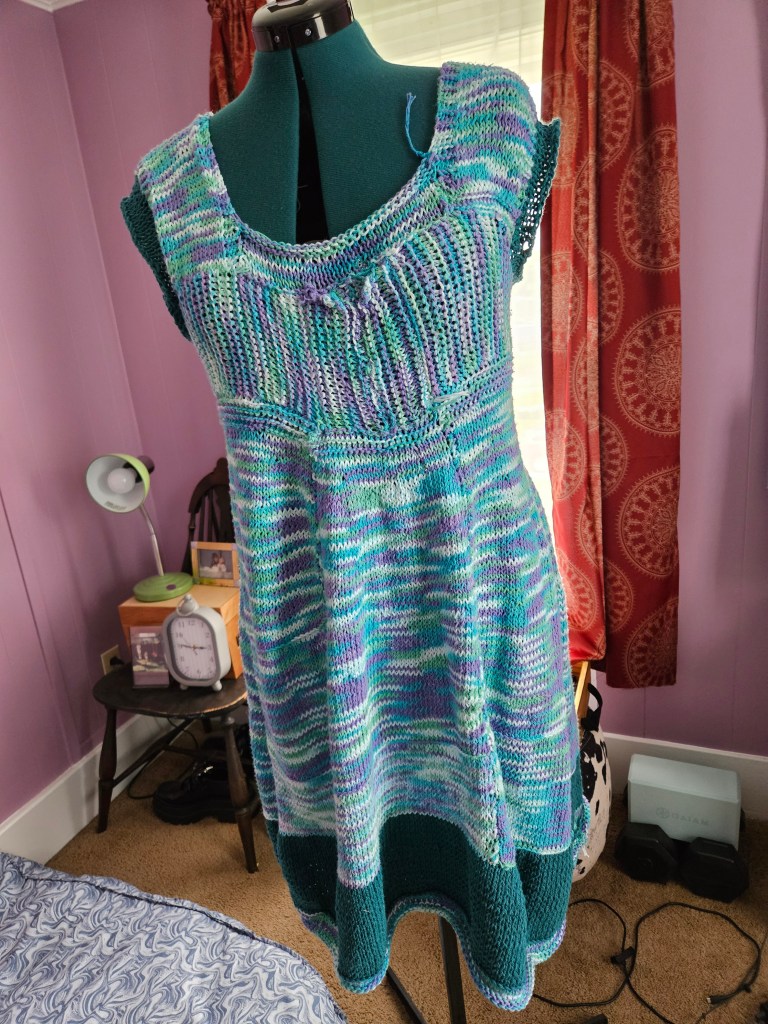
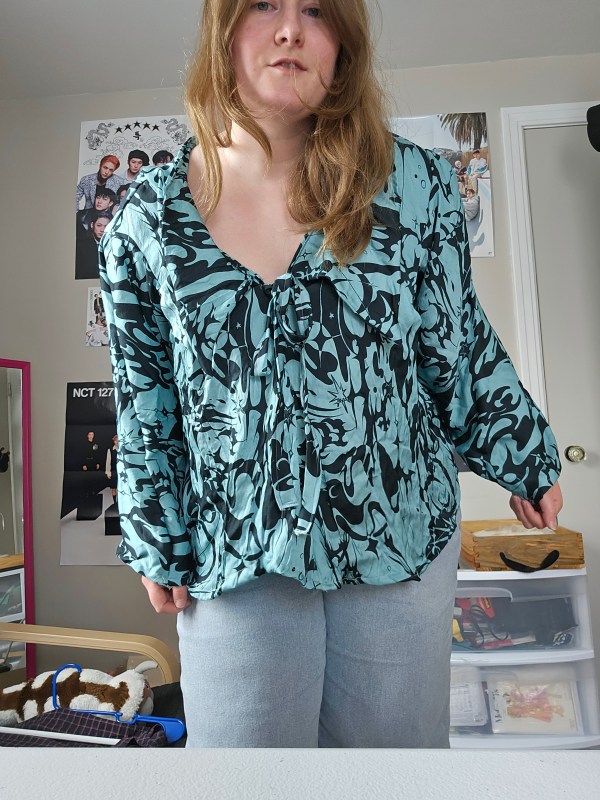
Here’s the result of my new-found knowledge – four new properly sewn stretch garments that make me feel properly chuffed! The moral of this story is to not give up but to have a teachable spirit when life throws you some curve balls. There is always room to grow and improve if we are willing to seek out the wisdom.




















 One Rabbit Riot