Making a Haunted House from Recycled Boxes

Should I have posted this before Halloween? Yes, most definitely! But I forgot, so here we are, and I think that getting this posted before Thanksgiving is still fair. Fall is still here, even though Black Friday is coming at you like asteroids headed for Smallville.

We made a haunted house from recycled cereal boxes and other sources of repurposed cardboard to transform what could have been trash into a piece of Halloween decor from what we already had! The only materials we had to purchase for this project were acrylic paint and felt. We used Apple Barrel brand paint, which is less than 1 USD at Walmart or less than 3 USD on Amazon for big bottles. We also purchased sheets of felt that were 25 cents a sheet. For the adhesive, we used Tacky Glue for construction and Mod Podge to smooth out seams.

Our inspiration was the Addams Family mansion from the 1992 movie version. We wanted an old, mansard-roofed, Second Empire-style, Victorian-era house to play the role of haunted house. I wish our actual house was a bit more historical. It was built probably in the 1930s, but I question if it is a bit older, from the 1910s, from the style of woodwork. So a nice, old spooky build was just the ticket. We gathered inspiration from Pinterest and set forth to construct the house. We used two Honeycomb cereal boxes glued together, which are a bit taller than the average box. For the roof, we chose cardboard from a 12-pack of Wild Cherry Pepsi cans and some mac n cheese boxes for the roof line. The porch was constructed with a Wegman’s 12-pack of sparkling water. Miscellaneous cardboard scraps supplied the porch beams, door, and shutters.

To paint this, I bought an array of colors to mix custom shades. For realism, weathering and highlights, it is important to mix depth into the shades. If you have ever watched Bob Ross paint, you will know that he is always adding depth to his paintings with colors that exist in the natural scenes, but that your eyes may not recall what the colors on their own actually look like. If you want to paint a sky, you need more than just sky blue. If you are going to paint a tree, you need more than just brown and green.

I put two layers of paint on the pieces, which I painted after they were glued and fully dried. The first layer was necessary to block out the cardboard and the branding, which I could see shining through the matte paint. This was an excellent time to try mixing shades. I was able to try several colors underneath the final layer, which helped me determine the color scheme of moody charcoal, black, and burgundy for the roof and trim. The paint not only adds character but also preserves the pieces under a layer of acrylic. The final touch was a cutout silhouette of Gomez and Morticia in the window.

This project took a lot of drying time, and therefore was a month-long project that was finished a few days before Halloween. Because of this, I did not accomplish all I wanted to do, including moss, more weathering, ghosts, etc. Next year, I plan to add on. In the meantime, I am sharing this to inspire you to craft with trash for the upcoming holiday season. Let’s celebrate sustainability and underconsumption and make those decorations with repurposed materials! It truly is a blast. Happy Crafting!

I was inspired to get crafty by these YouTube creators:

  • With Love, Kristina
  • Aunt Dena
  • Rachel Maksy
  • Maybe Bre
  • Blondie Knots
  • Kathryn Kellogg
  • Lizfoolery

What If Game of Wool Celebrated Design and Craftsmanship?

If you missed it, I made a Game of Wool Bingo card for episodes 1-3, because in my opinion, this show should not be taken seriously. I’ve given up watching, interacting with recaps, etc. I’m not going to watch beyond episode 3, and that is because hate-watching is validation in the attention economy of 2025. That got me thinking, what do I wish Game of Wool was instead of what it is? Game of Wool, just like Project Runway, I have notes!

No Kits or Internet Dressing Projects

I don’t want any themed-making kits sold per episode. They have been doing this for the episodes I have watched, each week partnering with a big yarn company, honestly making kits that serve no purpose other than a cash grab. I also don’t want to watch weekly episodes with challenges that create useless items. Useless from a practical and technical standpoint.

  • Crochet and knit swimwear is dumb. You can’t wear it other than for a photo shoot, which places it in the “internet dressing” category. It’s for a photo. It’s not even practical for a music festival. But it does resemble a “Coachella” look.
  • A crochet deck chair had potential, but it was not used within the materials provided or the time frame.
  • A dog sweater with a required hat is not kind or practical for dogs. The sweater is comfortable, but the hat is not comfortable for the dog. Again, it is for a photo. Washability was not discussed either.
  • The mohair sweater was the only challenge that was the closest to being a useful challenge, for design teamwork and wearability, but they ruined it with the ridiculous time frame.
  • A couch cover is useless, because I have thought about constructing one for my own couch to stash bust, but it’s just not practical for anything other than a showpiece. Which is how they judged it, so a lot of wool was wasted to make a big, useless swath of fabric.
  • The fair isle vest misrepresented a heritage craft of the region they were filming in. Why not just film a historical film set in the Renaissance, and put the actresses in Victorian corsets without a chemise, tight-laced? Same level of idiocy to be flashy!

This Game of Wool presents everything that late-stage capitalism is in relation to crafting and hobbies, thanks to greed, social media, and the attention economy. The British farmers could use the income; how about sourcing locally? What about sustainability and slow fashion? Yeah, 12-hour challenges do not represent anything but hustle culture. Girl boss, slay!

How Would I Fix It?

  • Real experts, not these two ladies.
  • Either all amateurs or all expert contestants. Pick a lane. Either be the Bake-Off or be Project Runway and offer a CFDA mentorship kind of prize.
  • Bring in a real mentor to help in the wool barn.
  • Take them on field trips to see wool being processed, dyed, and spun. Same with flax for linen.
  • Tell the story of why textiles matter and why fair trade for the animals, farmers, and ethical standards matter.
  • Explain why local matters for the economy and the ecology of the region.
  • Teach the history of cottage industries.
  • Teach the history of how knitting has changed the world, such as the development of textile machinery and the creation of the binary code. Essentially, fill in the gap of what Sci Show failed to do.
  • Set real challenges that teach, showcase the skill of the fiber artists, and show innovation.
  • Do a challenge that involves unravelling sweaters for yarn and teach the world about this amazing, sustainable possibility.
  • Task the fiber artists to design patterns, and explore what goes into design and proper pattern writing, because it is a technical skill.
  • Make things that will be auctioned off for charity.
  • Bring in people as guest judges who will bring professional connections and opportunities for the fiber artists.
  • Set realistic deadlines, and slow down the pace of the show. Follow a timeline like Mind of a Chef that explores moments of cooking over an entire season.
  • Let the makers make, unencumbered by the pace of the internet. Take note from Bernadette Banner and other makers out there that celebrate true craftsmanship and sustainability in the heyday of microplastics.

I’m tired of this show discounting a skill that has been tossed aside as a Grandma hobby since the Industrial Revolution. In these weird and wacky times, slow fashion and an appreciation of craftsmanship are in short supply in the media. This show had such potential! But they are truly chasing the money over integrity.

More Reflections, A Year With a Bunny Part Two

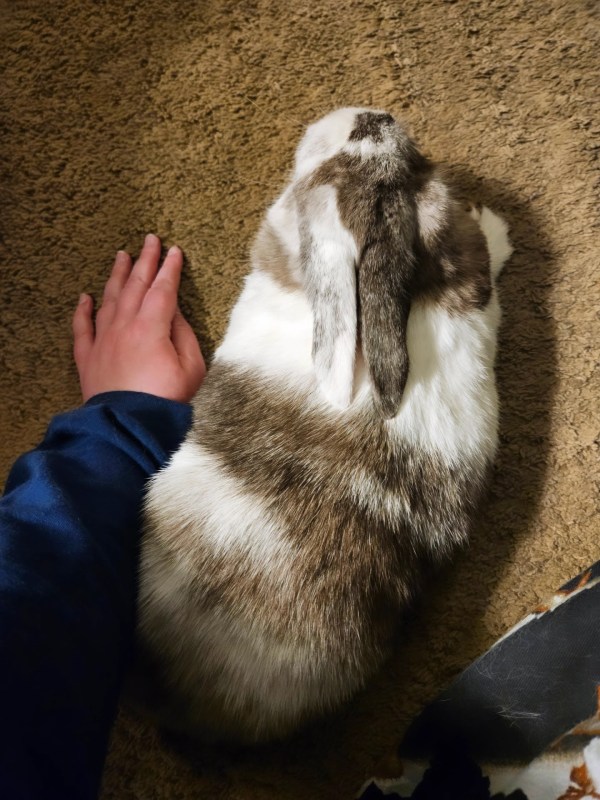
One year ago, we adopted Mia from a local rabbit rescue. We knew life would change, but we didn’t consider how much we would change and grow from this experience. These are my reflections on how our little house bunny, Mia, has shaped us in our first year together.

Awareness

Today, I accidentally scared Mia. I came downstairs from working out, with music playing on my phone, distracted and not considering the little bunny, snoozing in a deep sleep. As soon as I looked up from my phone, I was highly aware of what my blissful ignorance hath wrought: ears standing tall, eyes wide, and body tense, ready to run at the slightest hint of danger. Before Mia, I was aware of what startled me, but with Mia and her own sensitive ears, it has challenged me to approach life with an even gentler touch. Today was a day I forgot, but with each passing month, these moments of unawareness are decreasing. Getting used to how aware Mia is of her surroundings was intimidating at first. I remember feeling on edge those first weeks, feeling like I was unable to relax – scared to scare Mia – a bit impossible of a standard!

I’ve learned to be quiet, internally and externally. The desire for quiet, for the little prey animal in our midst, has become a craving for quiet coming from a place inside me. What felt like a burden at first has become a blessing, because the awareness of the sound level, the peaceful environment I wish to create for Mia, has become a goal I desire for my own needs. The awareness of the quiet and the peace is something that I need, that Kyle needs. It’s healthier for us, but in this distracted and noise-polluted world, I don’t know if my awareness was going to attune to this again without Mia.

Structure

Mia has a schedule, possibly wearing a little watch somewhere under all that fur. She hops to her dinner spot around 5 pm, and waits for her breakfast starting at 8 am. She knows what time we should go to bed, with a precision I wish I could stick to. I’m not blessed with a sense of schedule. I tend to drift off course, but Mia is teaching me structure, and her needs are reminding me how comforting a schedule can be. Taking care of her is teaching me more about what I actually need to take care of myself in a healthier way. How is this little bunny so wise, so intuitive? The promise to care for her, every day, is a responsibility that I thought would feel heavy and burdensome, but instead, it is a way I have rediscovered purposeful living. I am grateful.

Letting Go

Detachment from physical things is the hardest lesson I’ve had to learn from living with Mia. Mia loves to chew my stuff. She has chewed holes in sentimental blankets, she has forever changed favorite pieces of furniture, and she will take a chunk out of newly made pieces fresh from my workroom. She doesn’t discriminate from store-bought items either – brand new overalls, my phone case, my Nalgene bottle. This has stressed me out. Mia has chewed the couch, a brand new coffee table hand-built by Kyle, the freshly painted baseboards, slippers, and I’m sure there will be more. I’ve gone through the stages of grief. I’ve had moments of intense frustration and questioning it all. But when I committed to adopting Mia, I told myself that I would remember that people are more important than things, and in this case, people and little furry members of the family.

The Floor is Great

I love sitting on the floor. I have always loved sitting on the floor; it grounds my mind – no pun intended. But dating and spending time at future in-law houses and not wanting to be weird, renting with worn wood floors, and moving into adulthood with busy schedules, changed my life from a cozy floor sitter to work chairs and collapsing into couches at the end of the day. Or sitting at my sewing table in a chair with bad posture. I stopped sitting on the floor. But with a rabbit, they like and need you to be on their level. I believe it is essential for bonding with your rabbit. At the beginning, it was hard. It felt unnatural after a decade of not being on the floor. The floor felt hard, unwelcoming. Even with carpet. But after a few months, I felt comfortable. My hips and back hurt less when I spend time on the floor. A year later, I am back to being a floor dweller. Without Mia, would I have ever gone back? I don’t know, but wow, my body feels more comfortable, younger even.

Slow Down, Be Present

The final thing that my rabbit soulmate has taught me this year is to be present and slow down. Mia is already four; she has an estimated lifespan of 12 years, which is not a lot of time when you really care about someone. I don’t want to miss any more moments with her. Kyle and I celebrated 9 years of marriage this year, 11 years together. Time feels like it is flying, and I want to be more present in my relationship with him. My mom and my stepdad are also getting older, and I want to be more present. Mia is teaching me that. Where I can, when I can make the choice to pause what I am doing to spend time with her, and I challenge myself to do so. That has been a challenge. I tend to hyperfixate on projects, which burn me out, but a difficult bad habit to break.

This year, I have created less, but I am feeling the balance being restored to my life. Without Mia hopping over to spend time with me, who knows if I would be shifting my perspective to a healthier state of mind? I can feel my mind and body feeling less stressed. Mia naps a lot, and that is another piece of the slowing-down puzzle that I am learning to accept without guilt. Rest is important. Rest is necessary. Slowing down is good for us. But we resist, because it’s tough to go against the grain. Rest is seen as lazy, even though our bodies and minds get burnt out. Living with Mia is helping me reset those misconceptions and take better care of myself.

Final Thoughts

I would 100% recommend adopting a rabbit if you have been thinking about it. Adopt any pet, actually, or volunteer at a local animal shelter. Do your research and get involved; it will change your life for the better. Animals are so calming. Mia has helped me open up again, in ways I thought I was closed off for good. It’s helped me understand my neurodivergence, my sensitivity, my trauma. She just gets me. She listens, she is there. She has become a best friend, and don’t we all need more of that in our lives? And what about Mia? Well, I’m honored that we got to provide her with her furever home. She has a big space to zoomie around, endless hay, and pets. She gets to watch TV, explore the couch, and have all her toys and treats to herself. She is the center of attention and trusts us. It’s amazing to know a prey animal trusts you. It challenges you to be the best person you can be.

Game of Wool Bingo Card

As a knitter, a crocheter, and a fan of shows such as Bake Off and Project Runway, I am hate watching Game of Wool. Yes, it is that mediocre. It’s frankly, shocking how unlikeable the judges are portrayed, and how blatantly the production is profiting off the design kits, while not openly compensating the designers. It’s been a disappointment for sure. So here’s a bingo card to make your  watch through a bit more fun!

Socks Are Madness

This is a story of a winding road. It is not just passion that makes us try new and difficult things, but also the desire to fit in. Sometimes the road is bumpy, and bumpier still than we expected.

Last winter, I began a journey; at the time, I did not realize how technical this would be, and oh, how I miss the naive wonder of that time. I started my quest to make socks. The sock does not appear technical from the outside. It is a tube of knit fabric which we slip on our feet, most every day. Due to the Industrial Revolution, socks can be knit by machine with ease and speed. This has suspended our connection to the technology that first developed the sock—hand knitting.

In our modern day, socks are affordable and accessible. They are for sale everywhere in a myriad of textures, weights, and styles. We have socks for athleticism, socks for leisure, socks for style. They are boring, mundane Christmas gifts of childhood, and puppets with googly eyes. But what does it take to make a sock by hand?

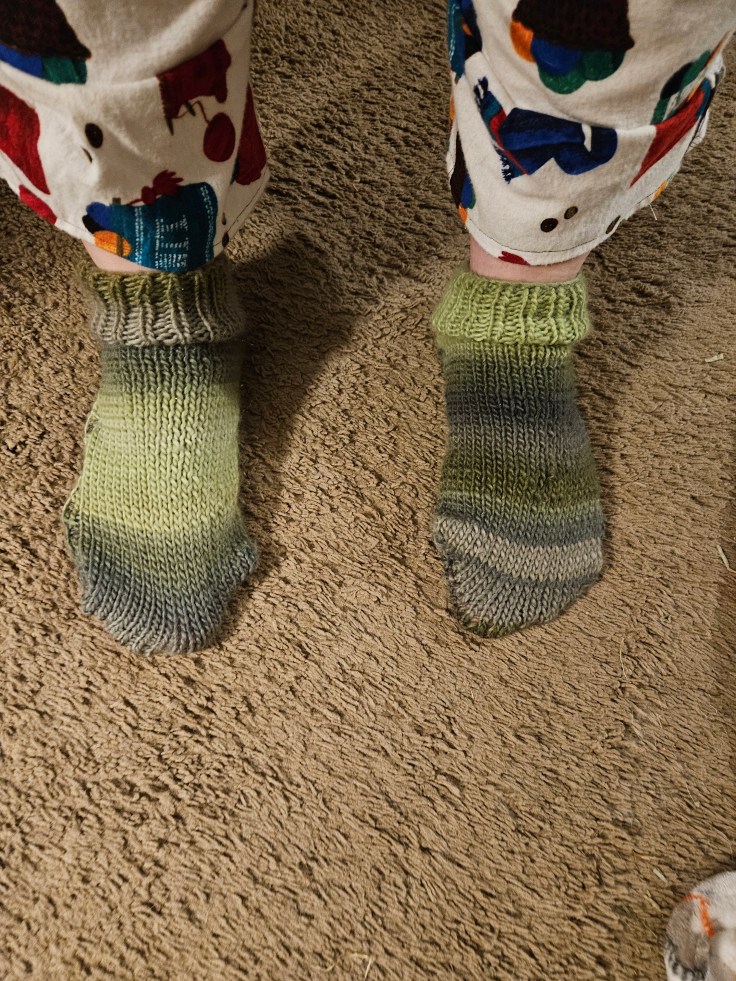
I gave this a shot last year, and it challenged me! I cataloged my experience in Socks, A Journey, and Socks: An Update, where I began knitting socks flat on straight needles and three months later gave circular knitting a try. My first flat knit socks were made top down, in a tube style that negates the heel flap and requires sewing the sock into a tube. They are loose in fit but warm and great socks to wear around the house. My advanced tries, knitting in the round and turning the heel, were more of an adventure. My tension was tight, and my heel flap a nightmare, unable to be duplicated into a second sock, for how off script my technique became. I didn’t grasp the why of what I was doing and therefore messed up the pattern.

This summer, I went to a local yarn shop where I began my journey to sock more traditionally. I picked up a pair of small-gauge double-pointed needles and sock sock-making kit with proper sock yarn of wool and nylon, to do it “properly” and oh my, did this bomb. The toe-up pattern, new to me from my previous projects that were cuff down, pushed me far out of my depth. I sank instead of swimming. The four double-pointed needles and my uncoordinated hands created tension and laddering in the knit, which looks exactly as it sounds. I tried three times to knit a few centimeters before the stitches fell off the needles, the sock falling off with the stitches. In desperation, as the needles were 29 USD and the sock kit 29 USD, I was feeling very silly and wasteful purchasing new needles and new yarn that I couldn’t do anything with.

So I pivoted to my trusty straight needles until I saw my mom later that weekend, and she lent me a pair of small-gauge, small-circumference needles to finish the sock. Still baffled by the heel flap and the vague instructions on the pattern, I tried German short rows for shaping the heel. In a fortnight, I completed the first of the two socks. I cast off and handed it to Kyle to try on, and the size was all wrong. I tried to frog it back into a skein of yarn, but the splitty yarn tangled, ripped, and became a ball of knots. It was over, and I was furious with myself for wasting time, money, resources, and, honestly, hurting my eyes squinting to see my tiny stitches for almost two weeks to accomplish nothing.

Socks are madness. And maybe I should stop beating myself up about my failure when socks are one of the hardest things to make by hand. I am an overachiever and a perfectionist, so this type of failure cuts me deep. I obsess, I rage, and I fall apart in the madness of learning something that may take years to execute once, not even perfectly. But you know what? I have made good socks before! Comfortable, almost perfect for what I was looking to achieve, socks. But I rejected them as being good because I was embarrassed at how I made them. I didn’t follow the right techniques, I used the “wrong” yarn, and I didn’t turn the heel.

Sometimes I have major imposter syndrome as a knitter. I feel like a fraud because I don’t use the exact same patterns, same tools, same yarn as everyone else on the internet. But why is that a bad thing? I’ve listened to other knitters in podcasts discuss how the sameness of knitting is making it boring. Apparently, at Rhinebeck or other knitting events, it is easy to see the same sweater throughout the sea of people, and that is a new thing. Listening to knitters, who have been knitting long before 2020, when I really started knitting consistently, knitters used to do their own thing. Yarn suggestions in patterns were exactly that – a suggestion.

People were designing more and experimenting instead of knitting in the homogenized way we see today, which is one of the ways I feel like an outsider. I don’t want to knit the same things as everyone else, but I also want to be good at the craft, and it leaves me in this push-and-pull tension. It became clear to me, though, that my search to “fit in” with the proper sock kit and the expensive needles didn’t make me a better maker. It was honestly a bit of a handicap. So I guess my takeaway is to be yourself?

I don’t want to stagnate in my skills, but if I can find my own technique to make socks and other garments with the “non-standard” tools and yarn, then is it really stagnation or just getting creative with where my skill level is at? I’ve been pondering this a lot and have more thoughts on this from both the point of view of a knitter and a sewist. But that will have to wait for next time.

A Procrastinator’s Temperature Blanket Guide

Did you know that you can find daily highs and lows in a database to use for temperature blankets? I didn’t either until a year ago. (Yes, this project post is long overdue.)

I learned this from the lovely Toni Lipsey of TLYarnCrafts, which saved me when I spontaneously decided to make a temperature project last year for Christmas…after Thanksgiving.

I am a last-minute Christmas gift maker, along with many people out there. I am not special or organized, but I’d like to change the second one. Anyways!

What is a temperature blanket?

It is a fiber-based project, knit or crocheted, whose color palette and sometimes its pattern are determined by the daily weather of a specific location over a certain time span. I thought you had to track every day, but you do not, which is amazing because you can make this project on a whim. Although the actual work time will be longer than you may expect, it was for me.

It’s a fantastic stash-busting project or a way to use colorful yarn you may not put together in the same project. You can do whatever you want, and that is what makes this project such a special one. Your color changes will be different depending on what date range you choose and where you live.

It’s like a fiber fingerprint of a certain time, a memory, crafted into fabric.

The traditional date range is a year of weather, usually highs, which is what I did with my first project, but you can do whatever you want, and isn’t that amazing? You can do lows, weather patterns, etc. I had the idea of honoring a family member’s birthday by researching the temperature on their birthday every year since they were born. It truly is a free-form, fascinating way to engage with crafting and nature!

Materials, Temperatures Recorded, and Yardage

I chose to stash-bust my backlog of half-used acrylic skeins for a random color palette, but it can be whatever you like. You can use wool, cotton, or alpaca. You can plan an entire color palette that is unique to your design sensibility. I think an ombre in the same color family would be lovely if you can find the yarn swatches to do this. I think that with the right design eye, this usually random-looking project can look exquisitely planned out.

I believe the most important part of the project is getting the data recorded down into a spreadsheet or notebook, whatever fits your crafting style, so that you can see what temperature ranges are the most common and therefore which ranges will be the most common through the piece. I had a really tough time deciding this, and in hindsight, I wish I had tallied how many of each I had before knitting, because for one color, I almost ran out! It would have been so much easier to have swapped the colors I was using according to the yardage I had instead of choosing at random. I think that is why crafting practice and crafting community are so vital to this work, because sometimes you don’t know until you try, and sharing our experiences informs the greater knowledge for us all.

For my temperature data, I am an analog gal, so I recorded my temperature highs in a notebook and checked off each day as I went to keep track of my progress. I highly suggest doing this in some capacity because otherwise, you are going to have to count rows, and checking off progress in a spreadsheet or notebook is just quicker.

If you are a beginner knitter or crocheter, might I also recommend Caron or Big Twist acrylic yarn for this project? The value for yardage and lack of splitting of these yarns make a huge difference for a first crafting experience, so that this project easily transforms from a skein of yarn to a lovely blanket made with your own hands.

Would you make a temperature blanket? Have you ever tried to make one before? Did you enjoy your experience?

#78 – Can You Feel Optimism in 2025?

This is a bit of a follow-up to my discussion of cultural boredom from earlier this year, a little update to my creative slump, and exciting developments for my hunt to replace my reliable crafting supplies. The world still feels like it is on fire, but I think I am learning how to thrive again. It takes me a long time to process things, so maybe that’s why?

Spaghetti and Gnarly

Le Sserafim released a song that captures the wonderfully nonsensical world of a good K-pop song. Spaghetti is catchy, silly, and makes me crave spaghetti, so that’s what I am cooking tonight. It is what I remember the music videos of K-pop to look like when I took the plunge in 2022. It was fun, and in the last few years, it has lost some of its luster with darker concepts, instead of cute, and a bit uninspired. Although I’m fully into K-pop, it has been repetitive and bland for most of 2025. Except for my favorites – Stray Kids and Nmixx. Enter Gnarly by Katseye. A song that is so jarring it’s bad but also amazing, it’s been a weird one for me, the thesis of this year, it has felt like. “Everything is gnarly.” A phrase that has carried me through bizarre headlines and life’s bumpy road this year. For me, Gnarly was going to be the song that typified what I remember feeling in 2025, until Bleep by Stray Kids dropped in August. But now, I hope I will remember moments that feel like the upbeat wonder of Spaghetti. What about Golden? I desperately need to compile notes for K-pop Demon Hunters because that has been such a gift.

Big Twist at Michaels

Big Twist is back at Michaels, for real, and it’s kind of silly to admit this, but it feels comforting. There’s a Joann Knit and Sew Shop section in the store, and like, maybe it was a bad dream? I mean, all the crafting drama definitely happened this year between private equity, tariffs, and Sci Show declaring the arrival of physicists to help the knitters. The familiarity was maybe all my neurodivergent mind needed to just relax a bit? Now the fabric is not good, but it could get better in time. I’m choosing to be hopeful, I mean, the recent US election showed a strong rejection of the Trump Administration, so as people have said all year, if it can get worse, it can get better. And for me, who hates change with a passion, I’ve learned that if it disappears, it can come back. I just need to work on my patience. I have found a second local yarn store in my own state, and a great local fabric shop. I’d say I’m pleased to the point that I am not missing Joann like I thought I would.

Stitches for Identity

I believe I am finally moving out of the depressed forest that is being laid off due to personal and global trauma. I’ve been listening to Kitchen and Jorn’s Losing Followers Podcast, where they have been talking through the post-Buzzfeed time of their careers. I was in a toxic job at Great Dane Trailers in the late 2010s, and it was freeing yet terrifying to lose that job. Listening to Jen and Kristin talk through the transition of leaving a job that demanded all of them, to be free from that monster, but also lose all connection to the project they built from the ground up, has been a balm to me. When I was laid off, I lost my app and my content calendar, my magazine contribution. I was wrecked, and I didn’t know how to process that for years. I felt like a loser. I dove into crafting, and for years, those stitches of thread and yarn gave me meaning.

The blog, though, and finally this year uploading my manuscript to this website this year connected me back to what makes me feel like me. I have always been drawn to writing, and not having that or a way to work towards something bigger than just sharing my creations on social media was gnarly. But this blog and your community have helped me find my way back. I mean, heck, Udal Cuain and my original blog, where I shared chapters, was the portfolio that landed me the corporate job. Although it’s gone, what I learned and experienced stayed with me and has made me grow into who I am now. This has been a full circle.

It’s been freeing to admit to myself and loved ones that I was depressed by that career loss. Starting over again has been confusing, but it’s not all figured out yet. There is still time to find a new place where I belong. I’m in the process of recalibrating, and that is a direction in itself. I feel freed from the weight of “monetizing my hobby” and the impossible summit of creating a small business as someone who truly is not cut out for the accounting or marketing parts.

Unmasking and Coping for the First Time

Truly, though, as I reflect on this year, getting serious about health – mental, physical, and emotional – for the first time has contributed to the feeling of optimism I have leaving 2025 that I did not have entering 2025. I have healthier boundaries in relationships, more honesty about how I’m doing, and whether I am feeling overstimulated. I recently got into rebounding, aka a fancy term for jumping on a miniature trampoline for cardio. Wow, I like this for my mind! It resets me, and it’s helping me get stronger. I used to feel ashamed of who I am. I didn’t understand why I felt so different, nor did I know how to communicate burnout without pushing friends and loved ones away. Being unmasked was tumultuous for the first couple of months, but now I never want to put that neurotypical mask back on.

How has 2025 changed you? I think it has made me unapologetically empathetic. Bolder to say I disagree with wrong because the stakes have been higher than ever in my lifetime. I hope to carry that forward into 2026, because I think the opposite of late-stage capitalism is community, so let’s burn it down with empathy. Thank you, dear reader, for spending time with me today. I wish you love and kindness.

It’s Okay to Admit You Don’t Like It

A place I didn’t expect to reach this year, was the mental head space of dislike for a dream I’ve had for most of my life. Now could it be burnout and I just need a break? Probably. But I also think it might a healthy thing to acknowledge something you thought you would love, may not actually bring you joy as you wished.

What am I talking about? Sewing. I don’t like sewing as much as I want to. It is tedious, extremely complicated, and requires a level of patience I lack. I’ve been a sewist for 5 years now. I devoted a large amount of my time over the past five years to the study of garment construction, and I realized that it is not my medium, yarn is, and its not a failure to admit I don’t like sewing as much as knitting and crochet.

I think I have known this for about a year, yet refused to verbalize my feeling because it felt like I failed the one thing I always wanted to do. But why is that a failure?

Just because it’s not my passion, doesn’t mean I am going to stop sewing. I think having this space to put less pressure on it to be “my thing” could make me enjoy it more!

Because then I am free to create, to fail, to be a slow learner, to take breaks from sewing when I am ready to cry. I don’t have to feel pressured to get my skills up to par for selling my work. I don’t have to feel pressure to design my own patterns or build a business on sewing. I can go back to basics of what has always been at my core – art. I am an artist, I don’t set out to be, but I know its there inside me too afraid to commit to the bit.

I love what sewing brings me. It’s a fantastic skill to have. I can design my own clothing made to measure and that is luxurious even if my sewing skills are mid.

I can experiement with my style through upcycling. I love how I can recycle and repurpose fabric instead of donating. That is a important part of comsumption. We buy and buy but don’t think about the life cycle of the garment, but with needle and thread you can leave the buy and declutter cycle.

Sewing has taught me to be a wiser comsumer as well. I buy garments that I can’t sew. Complex garments. I also price compare fabric against pieces in store to figure out what is more cost effective to sew. Such as buying a 6.99/yard, one yard cut of cotton jersey to make one long sleeve basic tee. You can buy these from retailers for 35 USD compared to sewing one for 7 USD.

It’s not always cheaper, but sometimes it is and that is a huge win!

Finally, by allowing myself to feel these feelings, my hope is that I will be free to explore and create unencombered by goals of monetizing my hobby, instead that I enjoy the creative process again.

Have you ever tried sewing? Did you find it challenging?

Happy Halloween or Samhain?

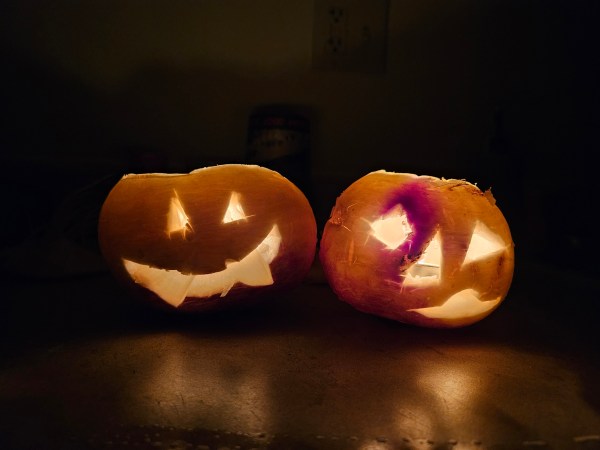
As a kid I carved pumpkins, as I mentioned in my jack-o-lantern pants posts, many moons ago. But as an adult, who has spent many years diving into history, the specifically Irish history of my ancestors, I have found myself switching to a new tradition. Turnips.

The turnip was the orignal carving vegetable for the original halloween, samhain in gaelic. Irish culture gave the traditions of halloween to the British colonizers and Irish immigrants took the traditions with them to America. Trick or treating, costumes, jack-o-lanterns carved pumpkins are all adopted from this key festival of ancient Ireland.

Samhain was a two day celebration. A bit like new year, a bit like day of the dead, and a time when the division between the spirit realm and earthly realm became thin. Fires lit the dark night, masks were worn and turnips carved to warn off evil spirits. The dead could return for a visit and it was unsettling. The world could end, if the gods were not placated.

Of course all this uncertainty is part of the human life and how we make sense of the changing seasons and our unpredictable world. I think its fascinating how they processed these uncertainties in a feast day, abd found ways to distract themselves in the darkness of short days and impending winter. Along with the othet traditions mentioned there was divination and superstitions, like predicting future outcomes with cabbages, or just games of chance, such as finding a small trinket in your slice of pie.

How does the macabre play role in Samhain and why do we have such traditions as graveyards and ghosts? It was a part of the ancient Samhain traditons to visit burial places, make offerings to the dead, and even eat in silence. Of course, while leaving a place at the table for a lost loved one or other spirits that may roam.

There is also a darkness to this festival, and layers to how far things are taken due to beliefs. This is where I stop feeling comfortable, when it gets into the druid roots. It could be quite a sinister feeling ritual, and the druids, well I had to pause my Udal Cuain research because this druid pagan chapter of culture is too dark for me. Any religion that practice human sacrifices is a no for me dawg.

But if you would like to learn more about the lighter and in my opinion, more fascinating parts of Samhain I highly recommend checking out the Ulster Folk Museum’s website.

Happy Halloween!

Planning the Final Makes of 2025

It’s that time of year when the holidays kick in, motivating me to dream of all that I can make before Christmas. But this year I am doing this a little differently.

Stitch/Life Balance

I started working and planning earlier. I usually think about what I want to make around Thanksgiving, a month or less before Christmas which is an impossible deadline. Last year I made a temperature basket and pushed to finish it in three weeks, it was tedious and down right miserable.

Create Better

I had better out comes with smaller projects, like mittens for my mom. This year I am also using distinct inspirations, so the projects are easier to execute well.

Started Earlier

I started my Christmas planning in August and began work in September, a first for me. I am debating on whether to gift a fully completed sweater or keep it, it was made without a clear goal and is a cozy crochet cardigan. If I choose to gift it then, I actually started in July which is the ideal timeline for me. I would like to start making as early as possible next year.

Holding Projects for January

I have made one Halloween project, but other than that I have been focused on making for other people this fall and it feels great. No stress.

There are several projects in my mind, but I am holding them for later. January feels like this depressing months of “after” all the excitement of the holidays. This usually includes a lapse of creativity too. I tend to push myself to make all my winter stuff in fall. To be honest, it’s dumb.

It can frost as late as June where I live, and snow in earlier May. It is cold for at least the first quarter of the year so why limit my timeline?

I am hoping this new creative strategy will lead to better makes and a happier maker.

Soul Crushing Dread

I am struggling this week to not feel down. The Federal Government shutdown and Pennsylvania Government shutdown is causing havoc for a lot of people. SNAP benefits are being paused Nov 1, so is a program in Pennsylvania which helps people pay for heating costs. You can see the blood of the RSF genocide in Sudan from space. ICE is being spotted more in my state. Every thing is gnarly, to quote Katseye. There are some personal things being worked through behind the scenes, that can drag me down, and I just feel sad. My heart is heavy. I would like evil to disappear. As corny as it sounds, I’d like world peace for Christmas.

I hope you are doing well, and know that you are loved. Hang in there. I am struggling as a sensitive person in these overstimulating times.

Create a website or blog at WordPress.com

Up ↑