I Made Furniture From Fabric Scraps

Do you ever look at an item you want to buy and think, how hard can that be to make? Well, that’s exactly how we got here.

Floor Culture

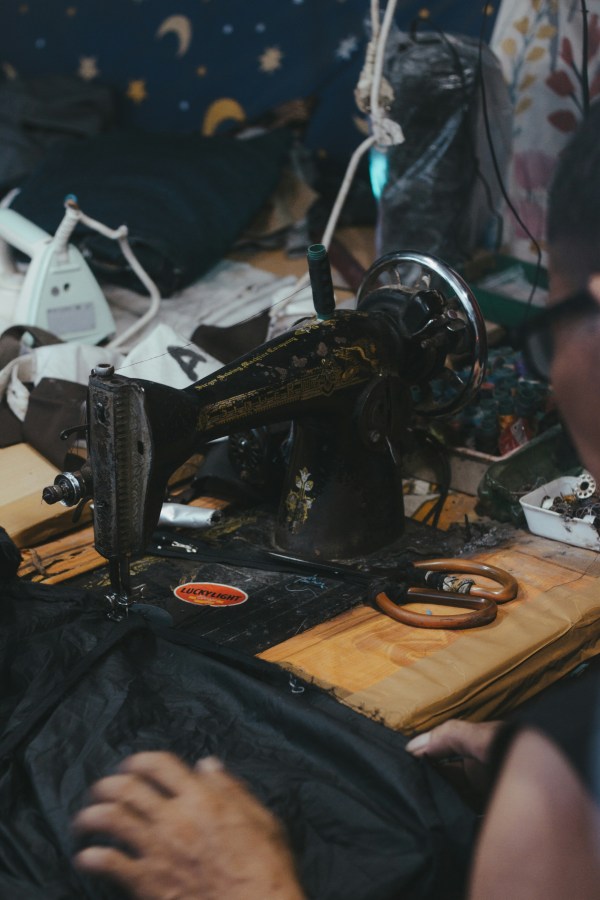
I’ve been moving my sewing room around, I took down my sewing table and moved to the floor. Which I know sounds extreme, but seriously, sitting on the floor is underated. My back and hips don’t get tight and my posture is improving. In the West, I think we have been foolish to move away from sitting on the floor and should acknowledge how wise other cultures are to sit on the floor for health and posture.

I have a wicker chair that is good for sitting in when I want a break from the floor, but what I was missing was an in between piece of furniture that I could move depending on my needs. I settled on a floor cushion that could be used as a seat, a workspace, folded up in a cushion or rolled into the corner for yoga to add more stretch breaks to my life.

Quick Fix

But here’s the catch, I decided I needed this piece of furniture on a whim and that’s what I am trying to remove from my purchasing decisions – less impulse purchases. I want to become less of a consumer and use what I have, so I thought could I make what I want? Similar cushions for sale online were 100-400 USD and with the tarriffs looming, I was feeling a bit nervous to buy something.

But then I remembered my Mom made a pouf, she knit the cover. I’d watched Morgan Donner make things from her scrap and fashion a mattress from braided fabric. I had also begun saving my fabric scraps and sorting them into bags that were taking over my crafting closet. I just had to settle on the cover fabric and design.

Design and Materials

A large rectangle seemed like the ticket with corners I could sew crisply and easily stuff at the end. There was this one extra wide cut of fabric I bought from Joann’s last summer which caught my eye. It’s a fabric I bought because I enjoyed the design but didn’t want to wear it. It looks a bit like denim and had a lovely swirl pattern that I thought, would compliment the lavender paint of the room. With the fabric sorted, it was time to tackle the pattern and stuffing!

I measured the fabric into two large rectangles and four slimmer sections to form the sides. These I sewed inside out to leave only one end open to stuff. I sewed this by hand over the course of a day, I’d say in total the sewing portion of this project was the easiest part. What lay ahead next was tricky, blister inducing  and stressful.

Stuffing and Scraps

I had bags upon bags of scrap fabric in varying sized pieces ready to be repurposed into stuffing, but the thing with fabric cabbage is that it’s not uniform. Which means there will be a lot of cuts to make. This I foolishly chose to do with my old fabric scissors, instead of using my rotary cutter and mat. I wish I had. The repetitive cutting motion wore a blister on my thumb and aggrevated an old injury on my finger joint.

My hands were tired, weak, and wrecked by the end of day one. Worse the cushion was 1/3 full. Not what I was expecting! How could it take that much stuffing?! With my bags of fabric scraps depleted, I moved on to new sources of cushion comfort. Such as yarn that I was given secondhand, which I had no creative plan for. This yarn was a super bulky, acrylic yarn, about 300 yards left, and perfectly fluffy for stuffing. I cut this into pieces and carried on auditing my stash.

I repurposed some old clotbes into stuffing, a blanket Mia’s little bunny chompers had chewed into swiss cheese, and more leftover yarn floating around my sewing room. Yet, I still lacked the floof I was after so I broke down and browsed the interweb. I knew polyfill was an option, but it’s also polyester and the point of this was to repurpose and use up things, not go to Walmart for polyfill, which happened to stretch very little. When I made a bolster pillow for our couch out of an old sheet, I went through 5+ bags of it. Whuch made me wonder, are there alternatives to polyfill on the market? There are! I found a small business, selling cotton filling that shipped. This got me to comfortable fluff, I still need a bit more but I’m going to revisit it later.

Voila! A piece of furniture made (mostly) from what I had in my house that used up some trash in the process. I am pleased. 😁
Phone Calls in the Smartphone Era

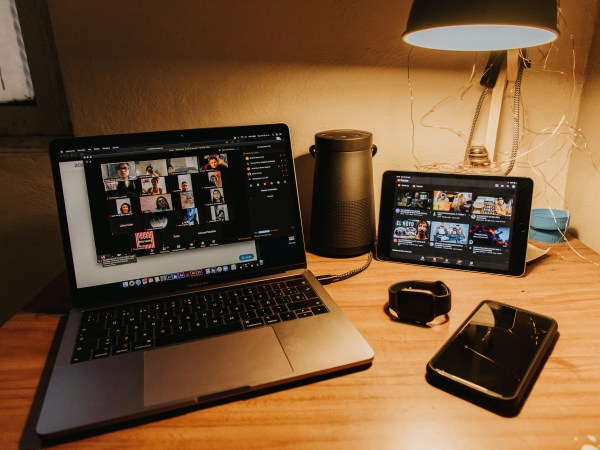
As a Zillennial, on the cusp of both Gen Z and Millennials, my generation(s) have been stereotyped by the older folks as being afraid of phone calls, preferring a text to a voice on the other end of the line. And for a while, I’d say, yeah, I fell into this place of preferring a text as a teenager or chatting online, in my moody, insecure teenagedom, but then the phone call became this novelty of a thing. Calling someone seemed so serious, I became apprehensive if my question or answer was “serious” enough to warrant a call.

I didn’t want to be a burden, which is such a strange upside-down world from childhood, when the phone was the only way to contact your friends. I remember in the days of late elementary school, email being another exciting tool to communicate, like letters, but now email has become an intrusive contact on my smartphone. And maybe, that’s because email felt like real mail, when you could only check it on your window of computer time on the shared family computer. There was a boundary between online and offline. My mind has been marinating on this since watching a Theresa Yea video called, Why the Internet Will Never Be Cool Again.

I’m currently stuck in an endless game of phone tag, which is quite common when I am talking regularly to one of my parents. With my dad, it was a long game of waiting for that perfect window of nothingness. His layover in a city he found boring, I’d keep him company as he complained about life. Entertaining him and supporting him in his time of boredom, because if he were home, he was on the go every single moment. If I needed him, he would usually call me back on a drive home with a small set window for his attention span or horrible service.

My mom, in a similar fashion, gets stuck in these loops going non-stop. Except she answers the phone in loud restaurants, in the car, or at events, just to tell me that she is not available. She will even talk to other people around her, making me wait, or will pass the phone to the people she is with, as if I want to say hi to them when I really just wanted to converse with her about something important.

There is nothing like being on the brink of a panic attack and having your mom pass you to an acquaintance to say hi instead of listening to your crisis. Especially when you called because you thought they were home and available, but really, your loved one is always on the go. Not emotionally available. I hate calling and being met with passive-aggressive pressure to stop talking and let her go, even though she chose to answer the phone and enter into conversation like she was available at first, only to break that illusion as soon as you answer “how you are doing”. Read the room, kid, but honestly, how can I? This is particularly confusing when my parents both let me know how they would prefer me to live closer so I would be more available, but would it matter?

The video call and the text have become two of the most intrusive manners of communication, because a text should be responded to promptly and a video call, in her mind is perfectly normal to answer in a public setting like a restaurant or car without letting me know before I speak, what I believe I am saying in private to a person who is available to talk, to be swiftly gotcha-ed by the fact that I am not alone, and my privacy is not respected. The video call is like a two-edged sword; it is nice to connect with friends and family over long distances, but it is also a tool that hinders connection. It drops in unannounced and forces conversations that should be private to be open to the room.

I crave the dedicated correspondence of my grandma’s era, when she moved to another town, which meant that calling her mom would be categorized as long distance, and so she and her mom wrote letters to each other every day. I haven’t had that kind of connection with my mom since she got remarried, and I miss that feeling of connection, of being heard. It’s something that carried through my Grandma and my Aunt Florence’s generation, my phone calls with them being so intentional and full of connection. It was a visit, a catch-up, and was treated with hard boundaries. The common thread here is the lack of a smartphone.

Phones were still seen as tools to converse, not mini-computers full of distractions. I find this intentionality coming back to conversations I have with my friends; there are boundaries and moments set aside to converse without distractions. We have planned phone calls or dedicated pauses to set aside other tasks to write longer messages, like letters, through messaging apps. It has improved our communication and respect for each other’s time, in a way that I wish I could have with my parents. I just want to connect and not be connected. I want to converse and not call. I want to correspond and not text.

It is all a pipe dream, because this is never going to happen, they are just too enamoured with technology and the endless possibilities of their boomer generation, and the financial leg up that their generation has to be on the go and do things nearly constantly. We live in two different worlds, and that makes me sad.

Structure and Flow: Sewing in Two Minds

Like I said in my 2025 So Far Has Been a Creative Slump, I am sharing the projects I’ve hidden away in my closet and the photos buried in my gallery. It’s time to catch up on this blog on what I’ve been sewing, because it’s been a journey of new discoveries.

Go With the Flow

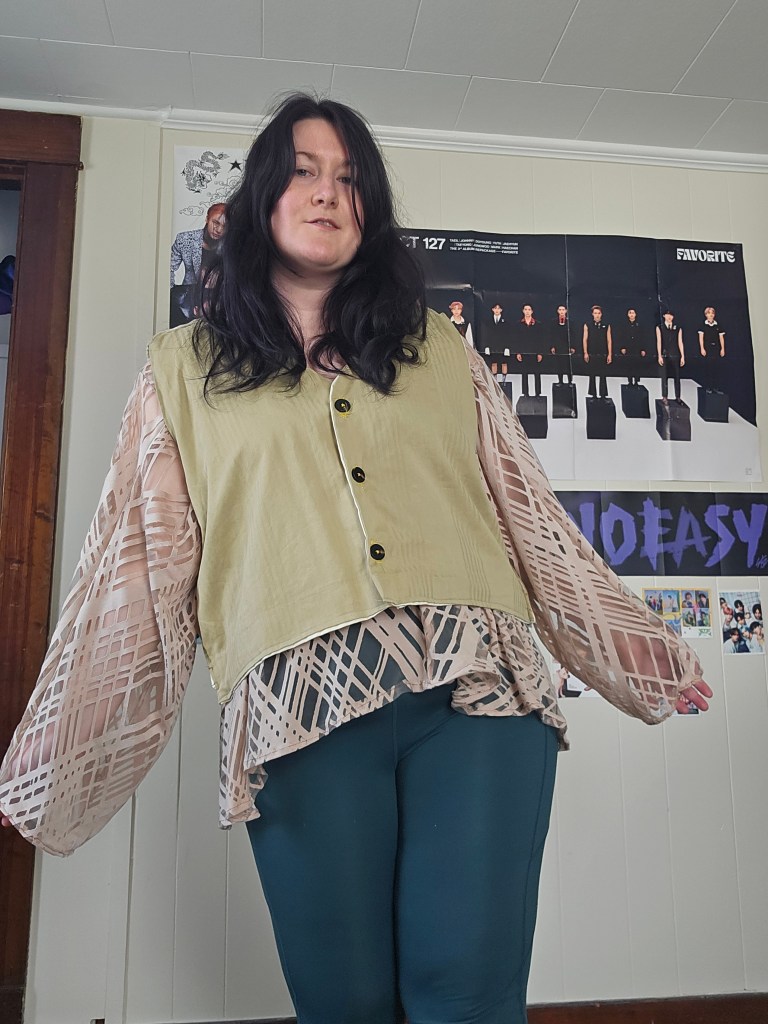
In 2022, Kyle gave me a unique birthday present. He curated a mystery box of fabric for me to do my own “Project Runway” challenge – one of those fabrics was this sheer wheat colored criss-cross fabric. It has lived in my stash ever since. It was a fabric that scared me but intrigued me. It’s a stretch mesh burnout pattern, and for over a year, I was baffled at how to sew it without destroying it.

Even so, after I sewed it into a garment, how would I apply it? Would it be a garment that would be sewn layered on top of an opaque fabric? What would that look like? Should I use a high contrast fabric or something similar in tone? It stumped me. I lived with it a bit more in my stash, and it came with me through the move and into the fall once more. In 2024, after two years, I had an idea – sheer layering. A garment I could wear under or over other pieces to add dimension and disguise the oatmeal color that I was concerned would wash me out.

My decision was to make a shirt. I thought making it a “basic” would provide the most opportunity to style it in my wardrobe. I sewed the delicate fabric with my machine very slowly. I relaxed the tension of the thread and progressed delicately, ready to hand-sew at any moment of panic. It was not terrifying; it was possible.

Structure of a Bodice – Armor

Many years ago, back in 2021 (four years ago, what?!) I crafted a structured dress, based on Lizzie Bennet’s dress, when Charlotte Lucas announces her marriage to Mr. Collins. It was a vest and a skirt, with buttons and a collar. It was ambitious but rubbish, yet a project I can’t stop thinking about how I could have made it better.

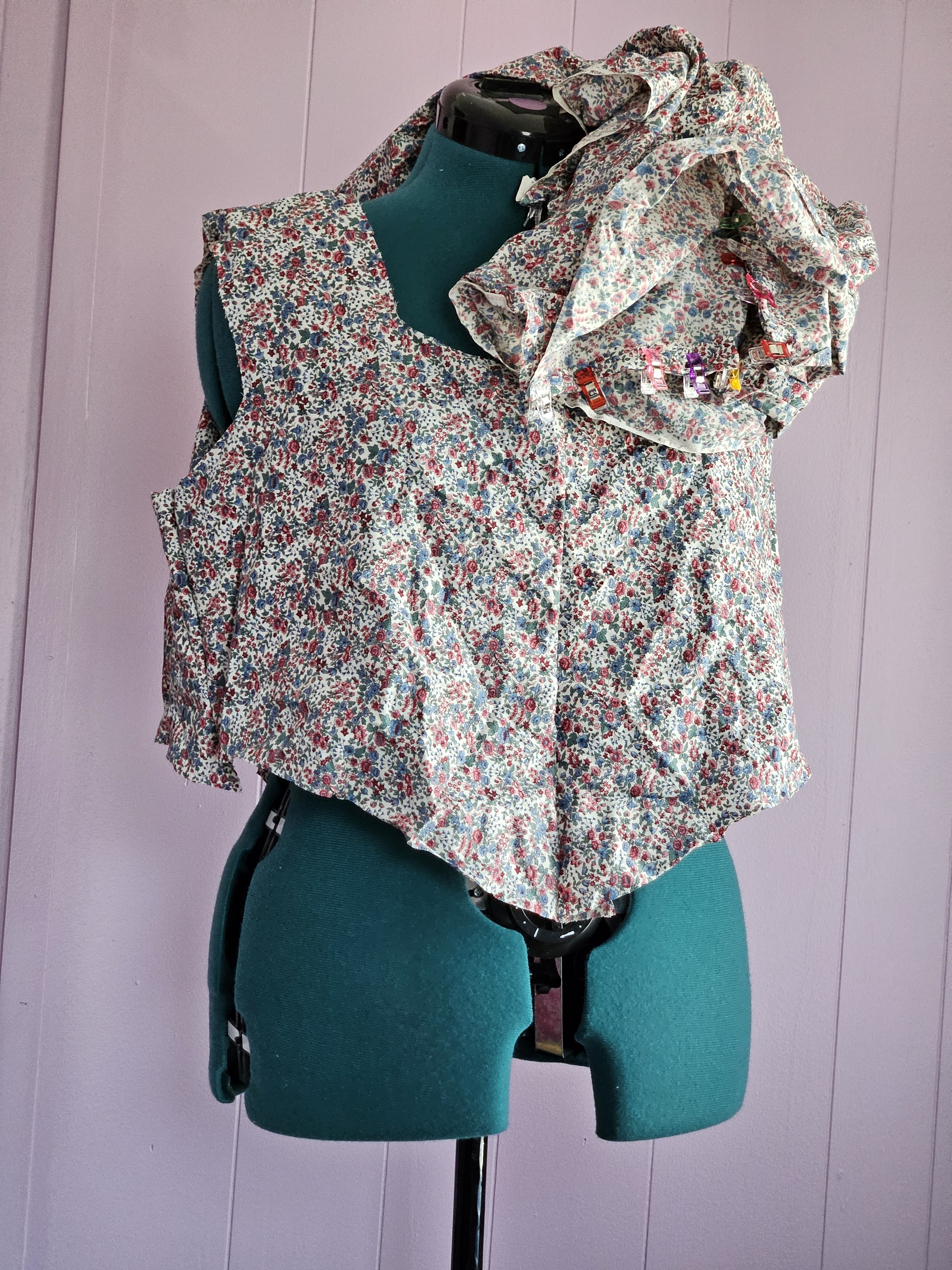
Enter this fabric and this bodice shape. It looks like an armor piece made of vintage ditzy flower fabric, lined with muslin. I wanted to reclaim what I learned in 2021, but try again in 2025, since the failure of my early projects made me shrink back to “easy” projects. I’ve made things that have challenged me a little bit, but not a true experiment. Constant growth is painful. Think of your body after consistent workouts, you’re going to hurt. It’s part of the process of getting stronger, and it feels at times like a negative experience. That feeling ground me down. I was tired of the learning experiences that felt more like loss and waste than an expression of crafting and artistry. It’s human, it’s passion, how can we not want the fruit of our labor to produce something good?

I made this dress slowly, over several weeks, while working on other projects, while being sick. It was a slow, steady, careful process to make a dress that would bring me joy from the creation and the wearing. The other thing I had to wrestle with, in this project, was shaking off the demons of my Lizzie Bennet dress. It was a dress I felt pretty in, but that I took a lot of crap for my appearance when I wore it out. It was structured, fitted, and flowy. The waist was not perfectly matched to the small of my waist, due to my lack of tailoring knowledge. This dress prompted a stranger to ask me when I was due, and then doubled down that I looked pregnant. I wasn’t pregnant, so to her, I looked fat. Thanks lady.

It was rude and such a breach of boundaries. Don’t ask random strangers if they are pregnant; wait for them to clearly tell you. It feels like a slap in the face for so many toxic culture reasons, the main one is the unwanted comment on your body with the double standard of “pregnancy being the most beautiful,” but don’t look pregnant, aka don’t be fat, because the zeitgeist is fat-phobic. I got rid of the dress and don’t have any photos saved of the dress; that’s how much this experience ruined the dress for me. I lacked the confidence to brush it off. I didn’t understand my body’s proportions and lines, therefore, I blamed my body and myself for the dress not working, instead of my tailoring skills being the problem.

2025 Style – Layering and Reclaiming

I chose to confront this feminine dress style once again. I knew it would clash with the natural lines of my body. I don’t have an hourglass body shape, which this fit and flare dress calls for. I’ve been scared to wear it, but I am challenging myself to try. I layered the sheer shirt I made in 2024 with this dress and a belt to create balance. It’s going to take time to get comfortable, for sure.

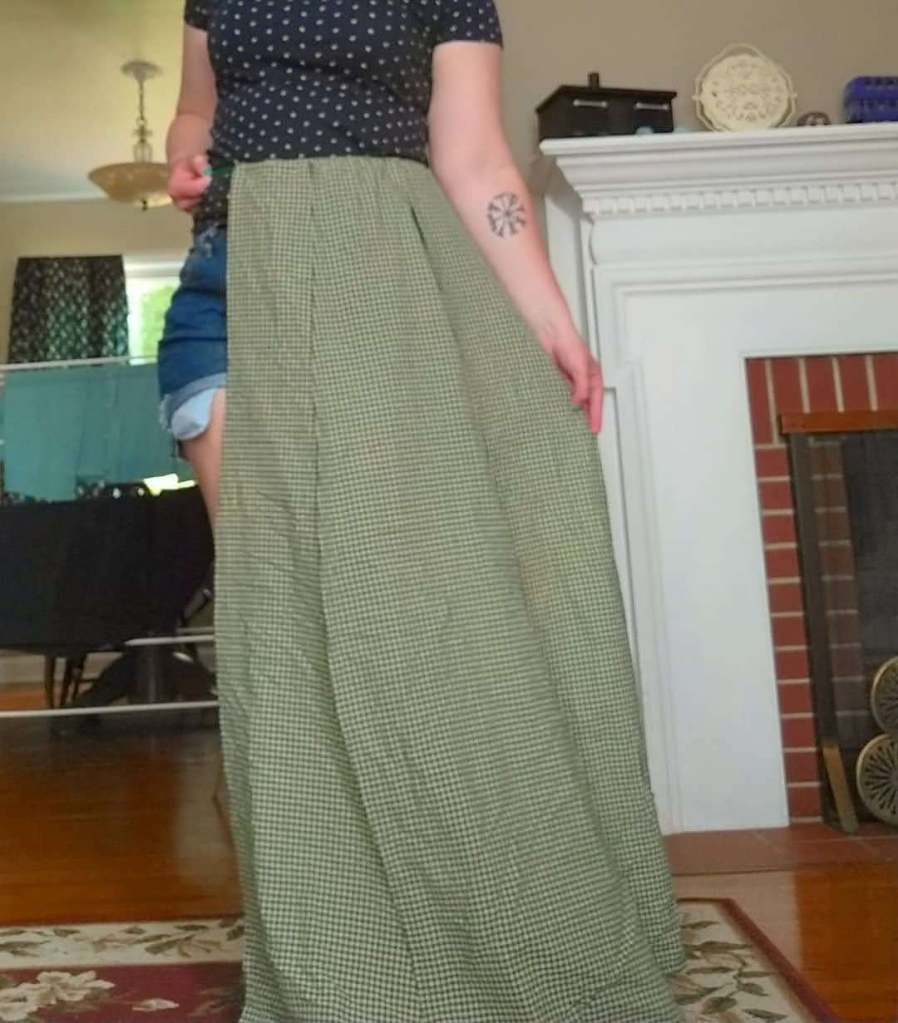
The dress not only has this flowy skirt, but it is fully lined, and the front gathering has been tracked down with stitches to reduce waist bulk. I also added eyelets and lacing at the back of the garment to define the waist, Lastly, I added a belt to my waist, which I don’t enjoy wearing, but the effect of pulling the eye to the waist should reduce unwanted comments, I hope. I like the contrast of these garments together. They have flow and structure. Together they create a complete thought, and in my opinion, look like designs with a point of view, which is what I am aiming for in my designs 2025.

Beginning My Study of Van Gogh

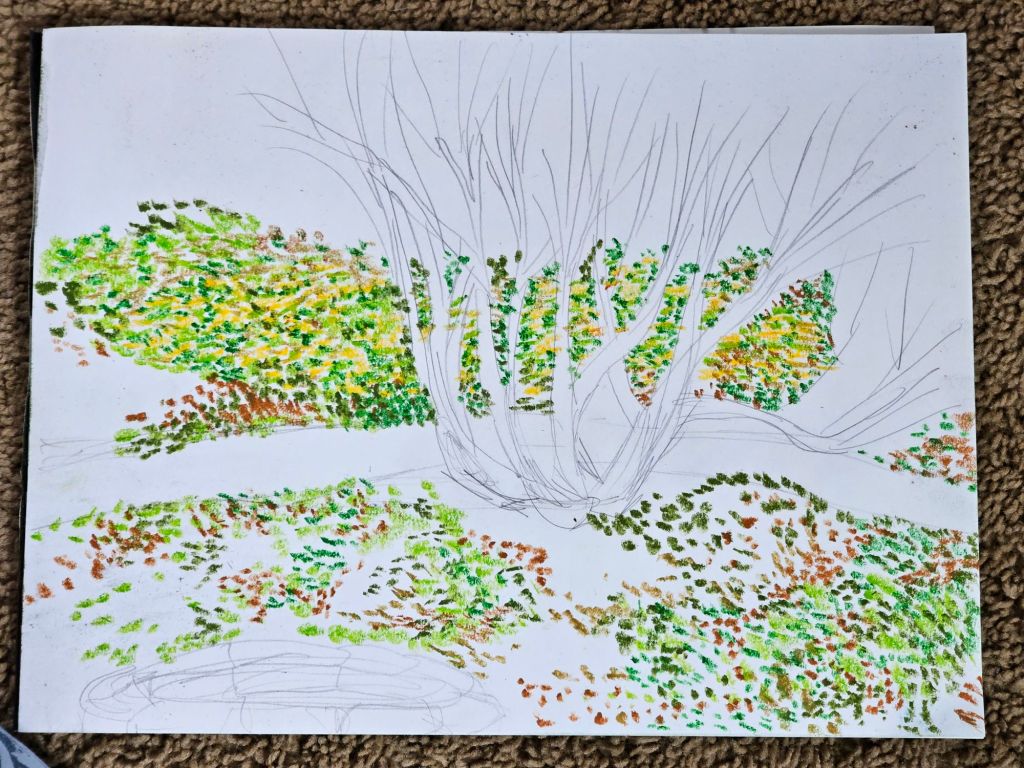
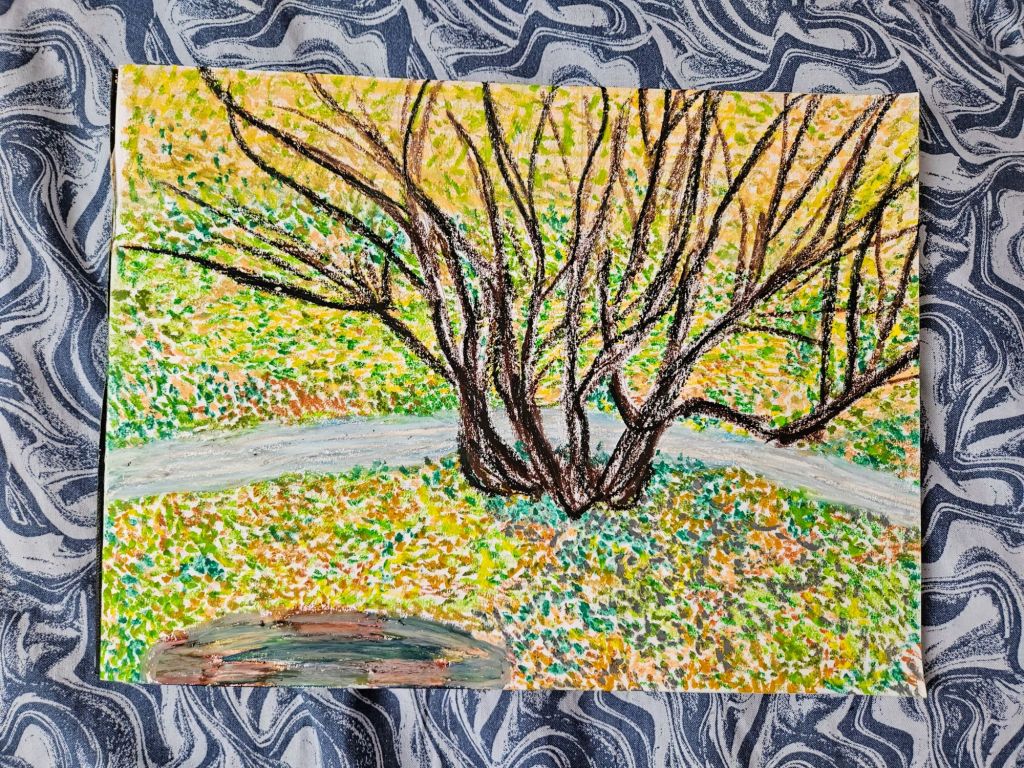
The other day, I ran across Van Gogh’s work again and I went down a rabbit hole of researching his work and soaking it in. I saw his and other artists I admire at the Musee d’Orsay in 2010, and although no pictures were allowed those memories have carried with me. So it got me thinking, would modern life be more beautiful to us again if we saw the world through the eyes of these artists of this movement? 

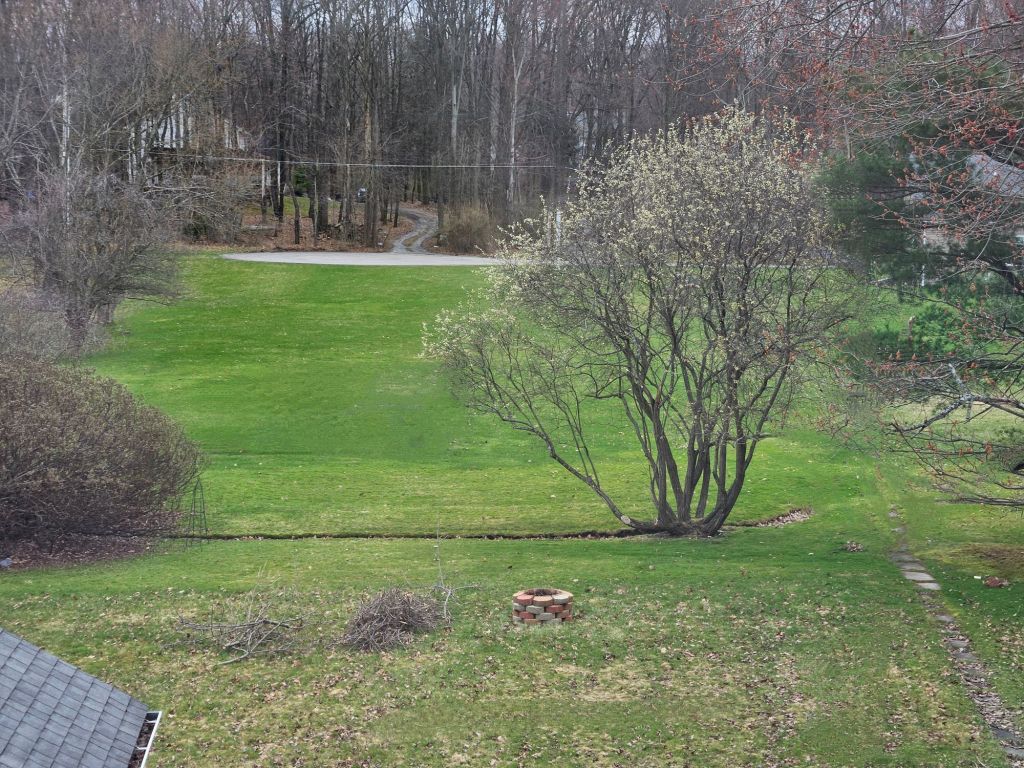
That’s what I plan to explore this year. This drawing above, captures the view from my sewing room. With modern infrastructure and other touches erased by the magic eraser tool to keep the analog and the natural.

#71 – Caramel

Luscious, warm, a decadent note that makes a dessert sing in perfect harmony. I used to crave this in candy bars, a Twix, or perhaps a scoop of Bruster’s Chocolate Turtle ice cream.

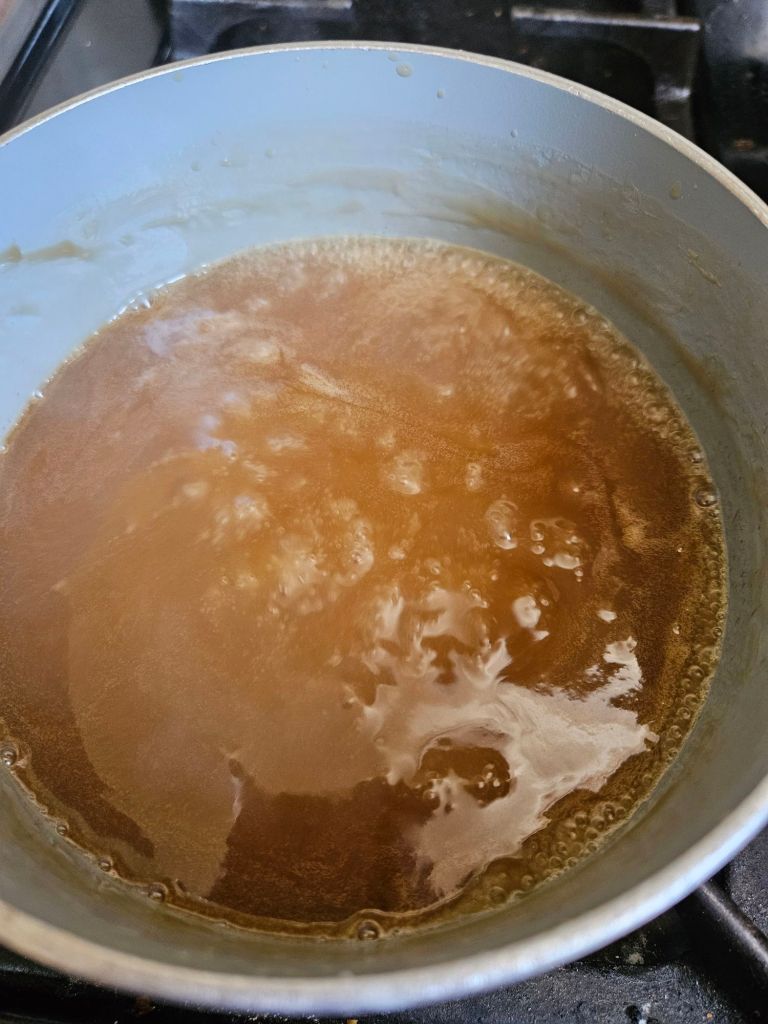
The Great British Bake Off opened my eyes to Banoffee Pie and the simple luxury of making a caramel without instructions. The process is a beautiful as the finished product. A melting sugar and butter, finished with cream.

The Caramel Macchiato taught me what coffee can do beyond ice cream sundaes and candy confections. It can be comforting, a delight to grab between classes, or an awful first job.

But how does one enjoy something they can not eat? I’ve been stumped on how to recreate this treat since my dairy-free lifestyle began, until I picked up a pint of dairy-free Phish Food from Ben & Jerry’s. It had the marshmallow fluff (which I discovered I could eat again this past winter) and ribbons of soft caramel. Caramel that tasted like the real thing.

I began to search for knowledge on blogs and Reddit until I found a recipe so simple I had to give it a try.

  • 1 can of coconut milk
  • 3/4 cup brown sugar
  • 1/4 tsp kosher salt

It was so simple. Melt the ingredients together on medium-low, then boil and reduce for 20 minutes. Let cool in a glass jar and store in the fridge. I made it last night and it was marvelous!

I found Vanilla Bean Oat Milk ice cream at the store for a sundae, and bam, I was a kid again, making an ice cream sundae with my grandparents on a summer evening.

What is a flavor that takes you home? Is there a food you haven’t had in a while that will comfort you in these trying times? Make it, your inner child will thank you.

Nine O’Clock

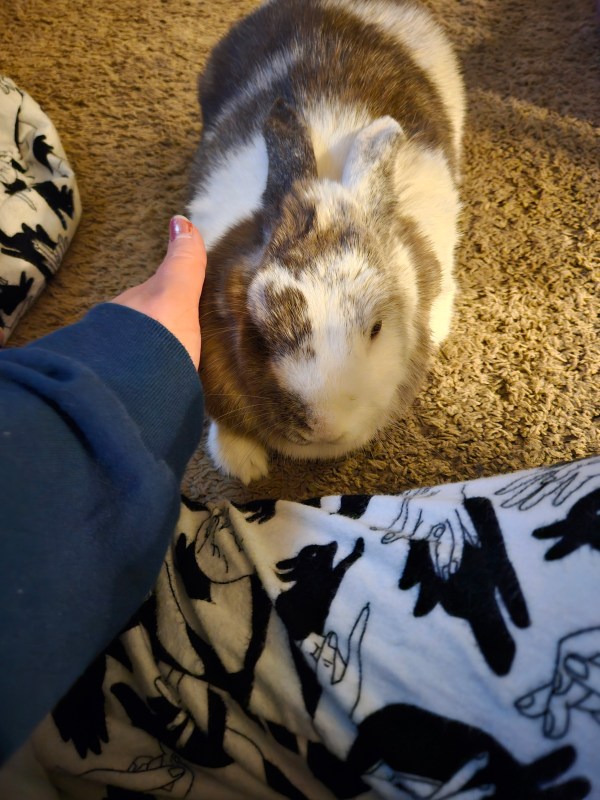
I have a standing date each night. I hurry myself to keep the pace if I see the clock begin to click out of my grasp after my shower. Sometimes I feel like doing my skincare is a chore, I’ll skip the lotion on my limbs or let my hair dry as it pleases if I think I am running behind. As the months pass, I feel the wonderful weight of this schedule, something that was a number on a clock face is now an important engagement with my bunny.

It started slowly, maybe a coincidence? After my shower, I’d walk down the stairs to look for Mia. It was a greeting, then it became a moment on the floor. Now, it has grown into a tradition, an expectation that I will get settled and sit on the floor. I can do some things, other petting Mia, but it must be done from the floor. I can play a little Animal Crossing, one-handed, or find a video to play as background ambience. She’s not a fan of K-pop, though she will tolerate a girl group, with impressive vocals only.

I used to coax her over, after I sat on the floor with a little wiggle of my hand. Recently, she’s been waiting for me in the doorway. Her tail wags, her little body binkies when I open the gate, and last night I could barely find a spot on the floor with her zoomies encircling me. With how rocky our start was, did I ever think Mia would greet me with such effervescent joy? No, I truly thought we would have a distant and tense relationship. Instead, last evening, after 30 mins of pets and snuggles, she flopped next to me, waiting for more pets. She is safe here, and I feel the safety in the silence. The contentment of being with her, the love that is felt in her presence, and the tempo she creates to slow down and breathe.

The greatest thing you’ll ever know, as Nat King Cole wrote in his song “Nature Boy,” is just to love and be loved in return. This line is a key theme of Moulin Rouge, and Bowie’s version of this song was my first encounter with is this song. It’s what I think having a bunny is, to love and be loved in return. I feel her love in her morning greeting, no longer greedy for breakfast for pets, but instead trusting me that food will always be there, she runs over to say “Good Morning.” It’s a celebration of another day, another gift of life, and another day spent with the ones we love.

What About the Garment Workers? 2025 Edition

There are a lot of things about this new Trump term that are setting my jaw. The newest one, though, happens to be the tariffs zeroing in on Vietnam, and something we are losing sight of in this discussion—what is going to happen to garment workers?

Vietnam is one of many countries in the global south that are responsible for the garments and shoes we wear every day. In May 2024, they surpassed China as the largest textile and garment market share for U.S. imports. The nation employs around 2.5 million people within the 6000 garment and textile factories across Vietnam. This rapid growth of 37 billion USD worth of garments being made in Vietnam in 2024, from 26 billion USD in 2017, is due to the low wages of Vietnam compared to the higher wages of China and even higher wages in the United States. In the 1980s, before Clinton’s NAFTA in 1993, garments sold in American stores were made in the United States, but this changed during the Clinton era and has gotten worse in the 32 years since through the rise of fast fashion and the fashion industry’s reliance on cheap labor at the expense of the garment workers.

So, now we bring the so-called “Liberation Day” of tariffs, and since this is a space I like to keep safe, I’m going to move on because I have nothing nice to say. What I want to focus on is not making this job American again, the rising prices of garments, or anything political, and instead I’d like to zero in on what seeing the world with a Kingdom (God’s Kingdom that is) lens has taught me so far this year.

I’d say that my eyes being opened began last year with diving deeper into Fashion Roadman’s channel, which led me to watch two documentaries – The True Cost of Fast Fashion and Perfume’s Dark Secret in 2024. The other revelations that were exposed in 2024 such as the labor practices of Armani and Dior, were very telling for how are garments are made from luxury to fast fashion. It’s no secret that the fashion industry, including luxury brands, is not concerned with the moral cost of their decisions and is solely focused on getting money in their pockets for their shareholders. So, what is going to happen within the fashion industry as a result of these tariffs set on Vietnam, especially with no sign of negotiation from the Trump Administration? I think it’s going to be bad for everyone.

I think costs from the brands will be cut from the quality of the garments being made, to the materials, to the contracts with these factories. I think garment workers will probably see the biggest hit in their work environment and wages, as their economy is hurt. Or potentially the factories will no longer get these contracts to cut labor costs, meaning the production of garments will be further entrenched with slave labor in countries where workers are exploited. Then what will those women be left with? Garment Workers are primarily women, and they are skilled laborers who could be left without a way to provide income for their families.

It’s not okay for so many reasons.

That is why, as we look towards Easter, I am thinking about those who are oppressed in our world, because Jesus came to be a new Moses and lead us through the Exodus Way. Thank you, dear reader, if you stayed with me on this one. I wish this world weren’t such a downer right now, but just know, although we are from the United States, we are not pleased and empathize with how this is affecting you too. ❤

Is A Yarn Made From Recycled Marine Plastics Any Good?

As I have dove deeper into the world of fiber crafts and created often, I’ve become more conscious of the fibers I choose. Mainly because when a project doesn’t work, I feel like a jerk for making that mistake in hard to break down acrylic. I would feel less of a fool if my mistakes were constructed in biodegradable natural fibers like wool, cotton, linen, or bamboo. Starting in 2024, I began to migrate back to natural fibers, which I mentioned before in my Summer Knitting Plans post from last year. I had been hesitant to use wool before that, supposed allergies that I debunked in 2024, which led me to explore the many fiber offerings of Knit Picks.

When I was looking at sock yarns in the fall, a particular fiber caught my eye – Oceana. The Oceana line has this vibrant kaleidoscope of colors that evokes the tropical hues of a coral reef. It’s stunning! When my stepdad gifted me a Knit Picks gift card for Christmas, I knew exactly what I would order – the Oceana! Not just for the colors, but the innovative fiber content.

L to R: Sea Lettuce, Spirulina, Tiger Fish, Swordfish, Axoloti

This yarn is composed of 54% Superfine Alpaca and 46% Polyester SEAQUAL, which is made from marine litter cleaned from the ocean, and that plastic is then recycled into polyester (acrylic) yarn that is blended with the Alpaca fiber to create the Oceana yarn. The halo seems to be the Alpaca, based on my experience working with this yarn, and the interior chain fluffy fiber strand seems to be a combo of the recycled polyester and Alpaca fiber. Now, fiber blends are not the best for decomposing, but I like the motives behind this yarn. Instead of using newly created polyester, which doesn’t break down easily and is cluttering our environment, they are taking the trash out of the ocean and repurposing it into something useful. How cool is that? Can more polyester-based products start with recycling the plastic litter before making more? We literally have endless resources of trash, thanks to Shein and our rampant overconsumption.

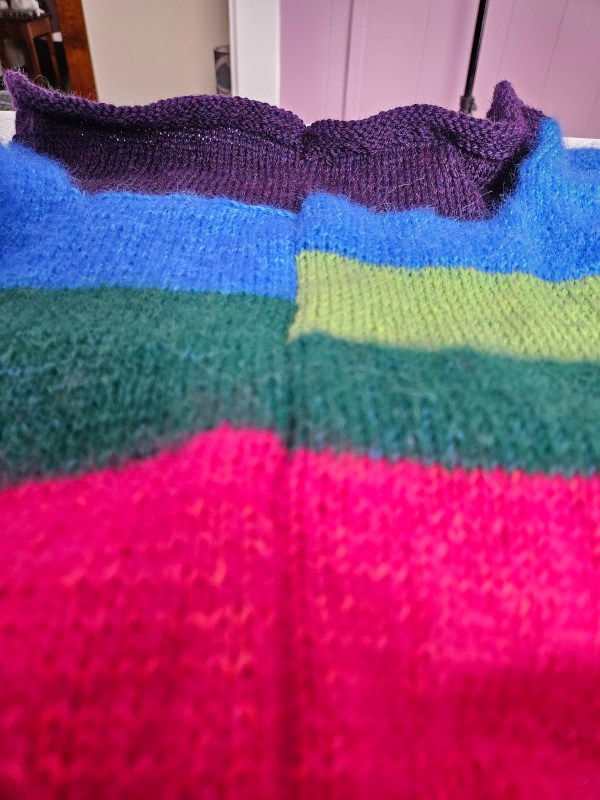
So how does this yarn knit up? Excellently! It has this plush texture with a fuzzy halo that to me looks like those mohair strands knitters use to plush up a sweater.

I’d say the only cons I have are the price and the yardage. I didn’t find this yarn went far, and had to play yarn chicken a few times. I secondly was only able to order five skeins with my gift card, the yarn was on sale might I add, with a 50 USD gift card. When I ran out of yarn, I chose to supplement with Knit Picks Palette yarn in fingering weight, held in double strands to match gauge. I do understand that part of the price is the process of SEAQUAL and the Alpaca fiber costs as well, but it was just a bit too much for me to purchase more at full price when I ran out, especially when I had existing yarn in my stash that could work.

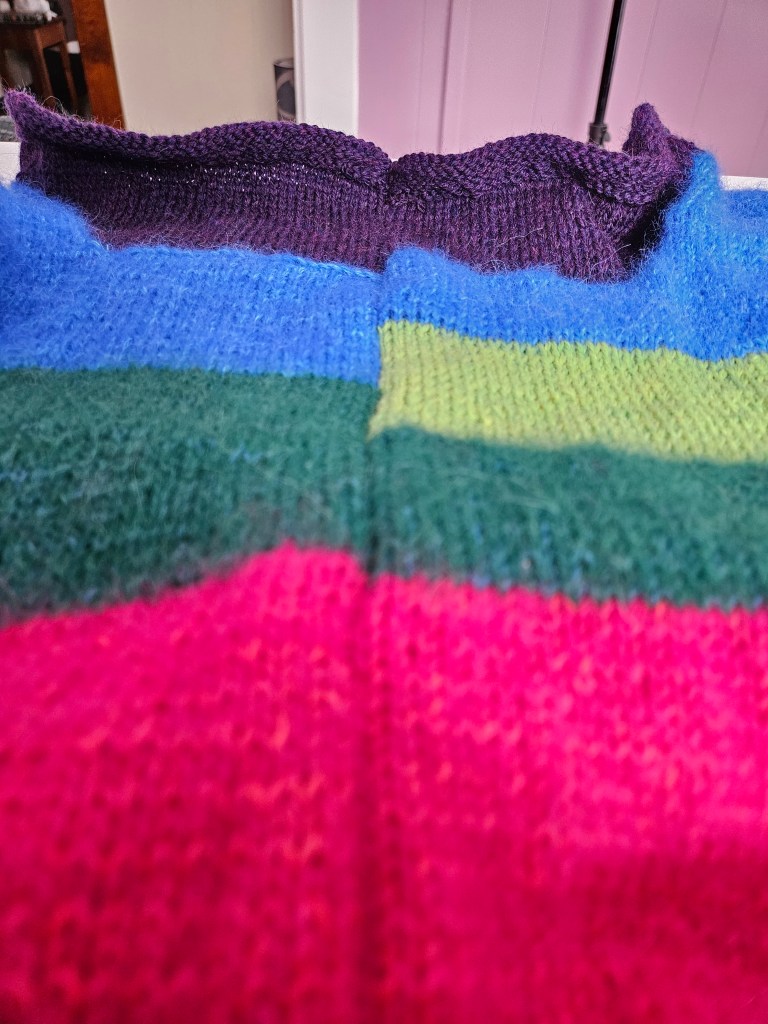
I had planned to have this project done by the time I reviewed the yarn, but as it is now April, and I’ve shifted to summer and spring knitting it is unlikely this project is wrapping up soon. Here’s a look at the project at its current state. 🙂

Potato Technology’s 2024 Autumn Winter Collection

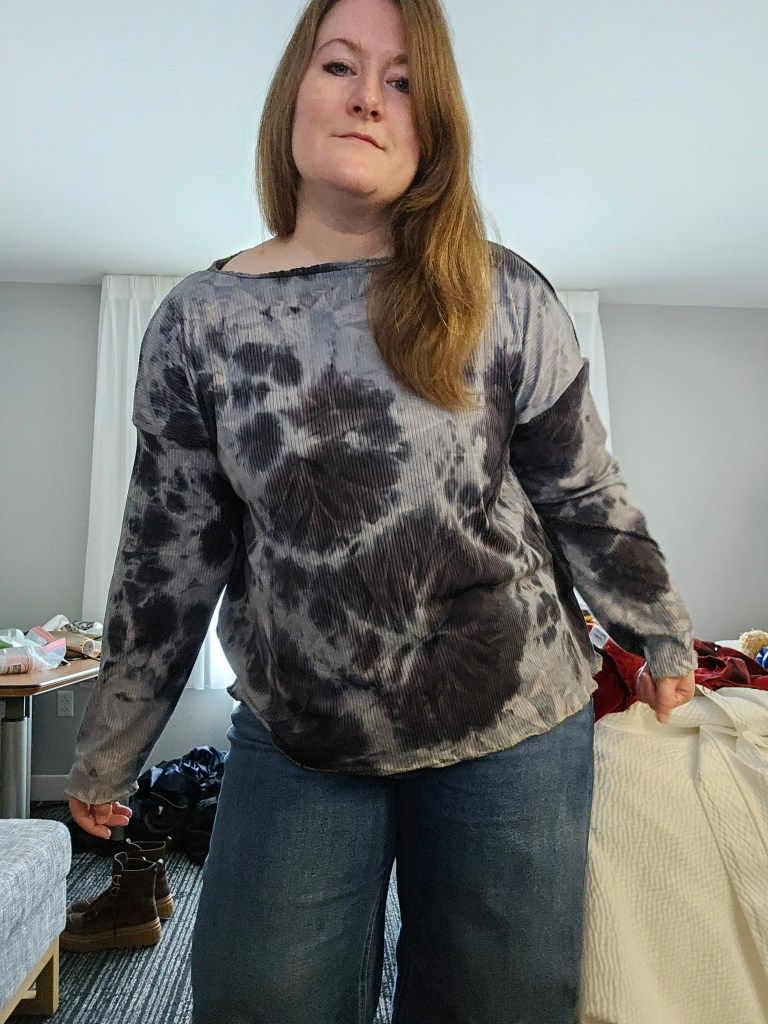
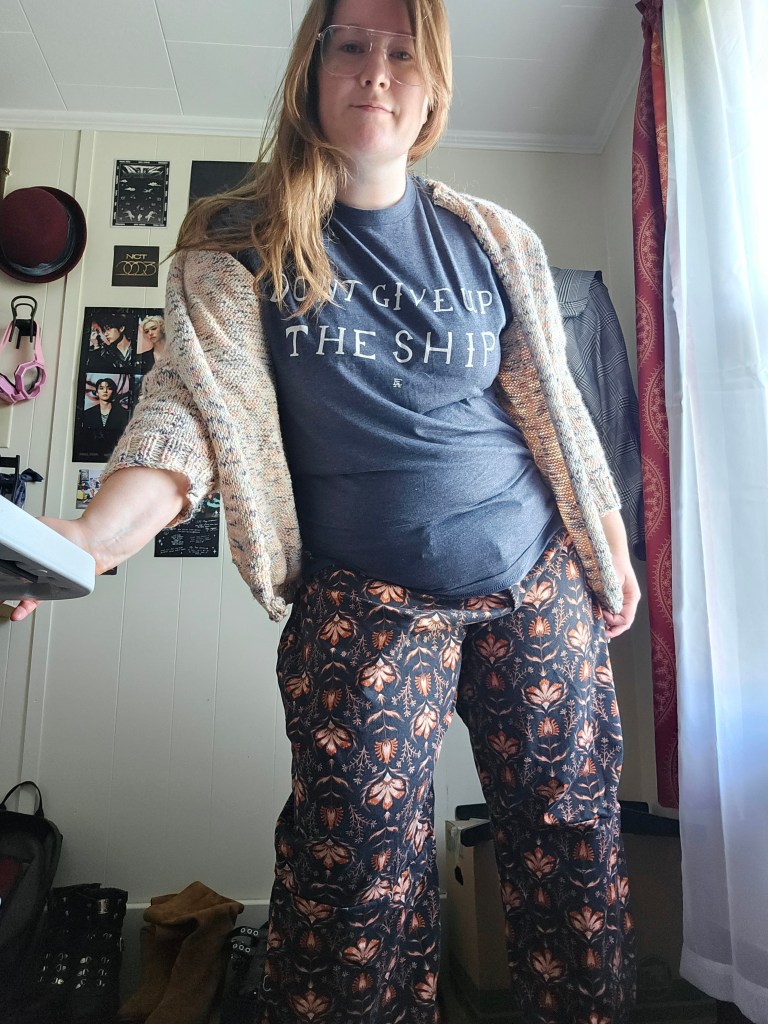
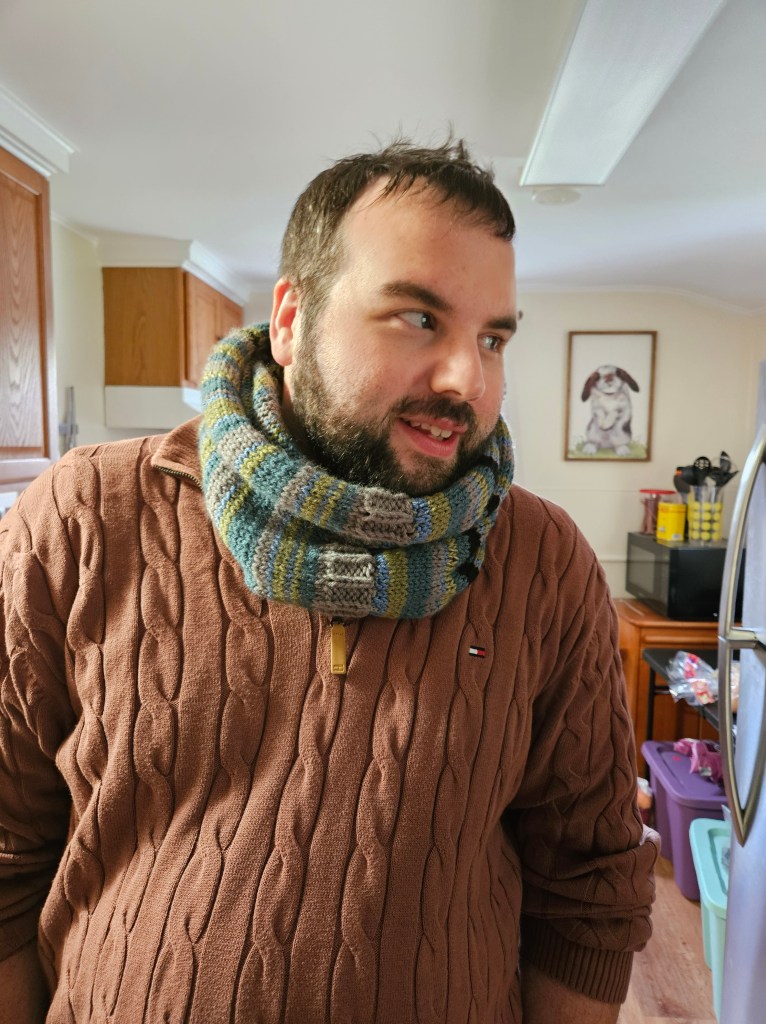
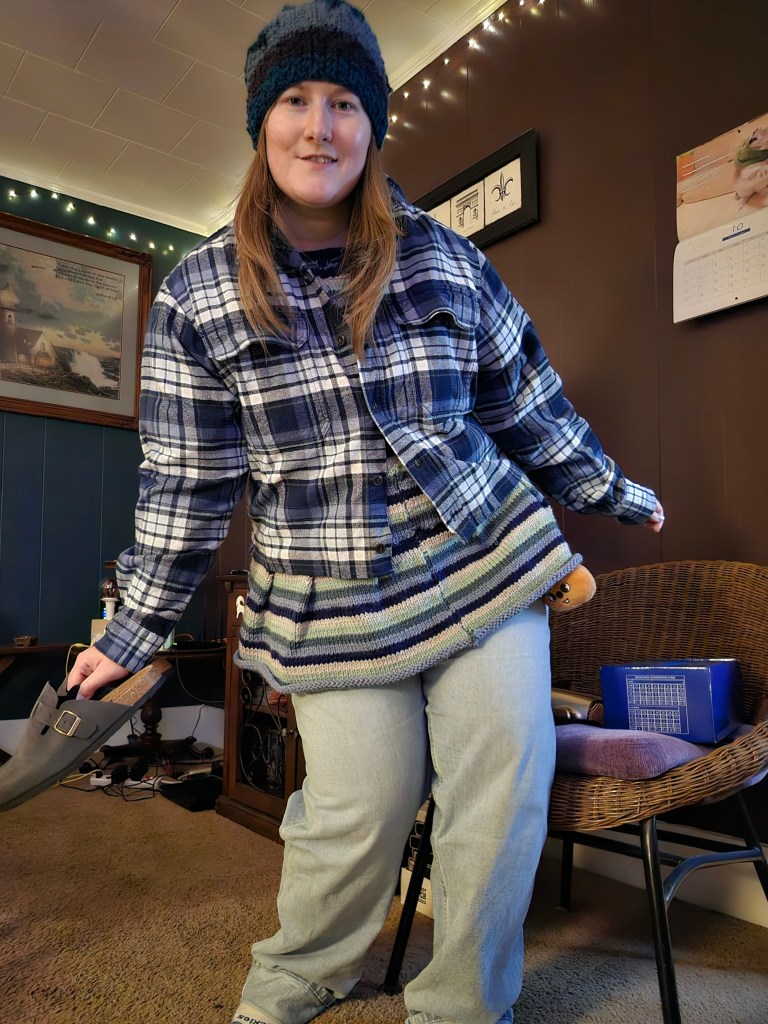
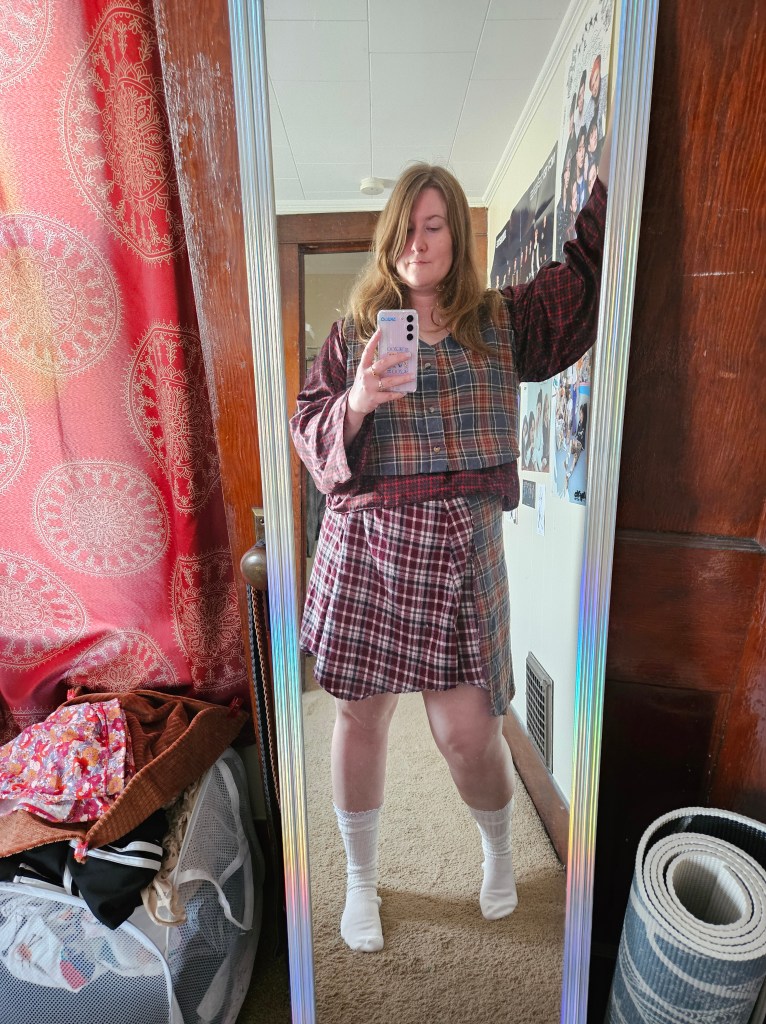
This collection was about upcycling, trying new techniques, and making things that expressed what I like wearing based on previous designs I have made, but with a twist. The items I designed were 75% sourced from existing materials. They were upcycled from items in my closet, hand-me-downs from my mom or grandparents. They were made from destashed yarn I acquired or fabric that had been in my stash for a long time. I focused more on creating with natural materials like wool, linen and as always, I love cotton.

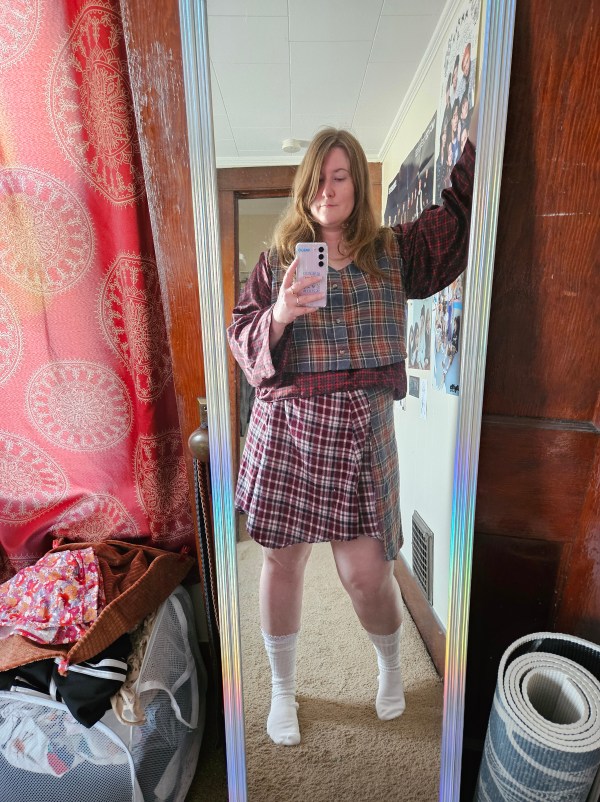
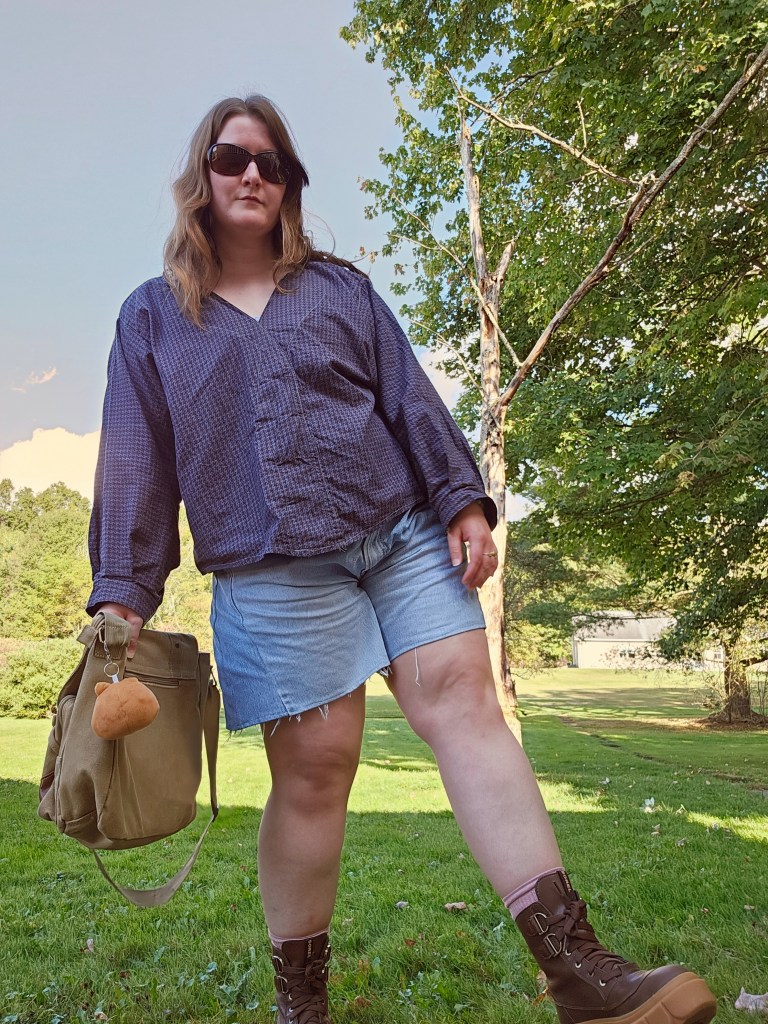
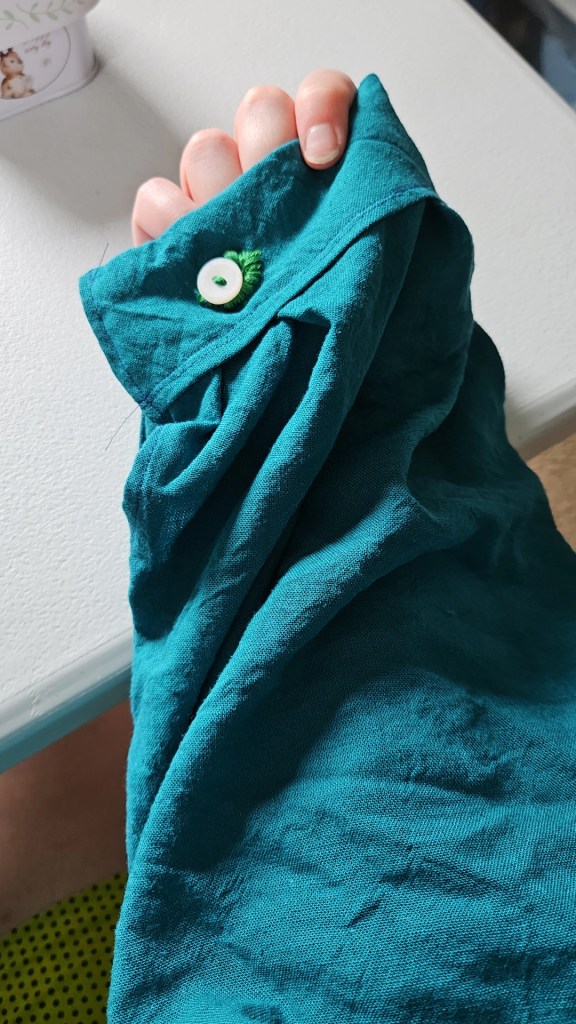
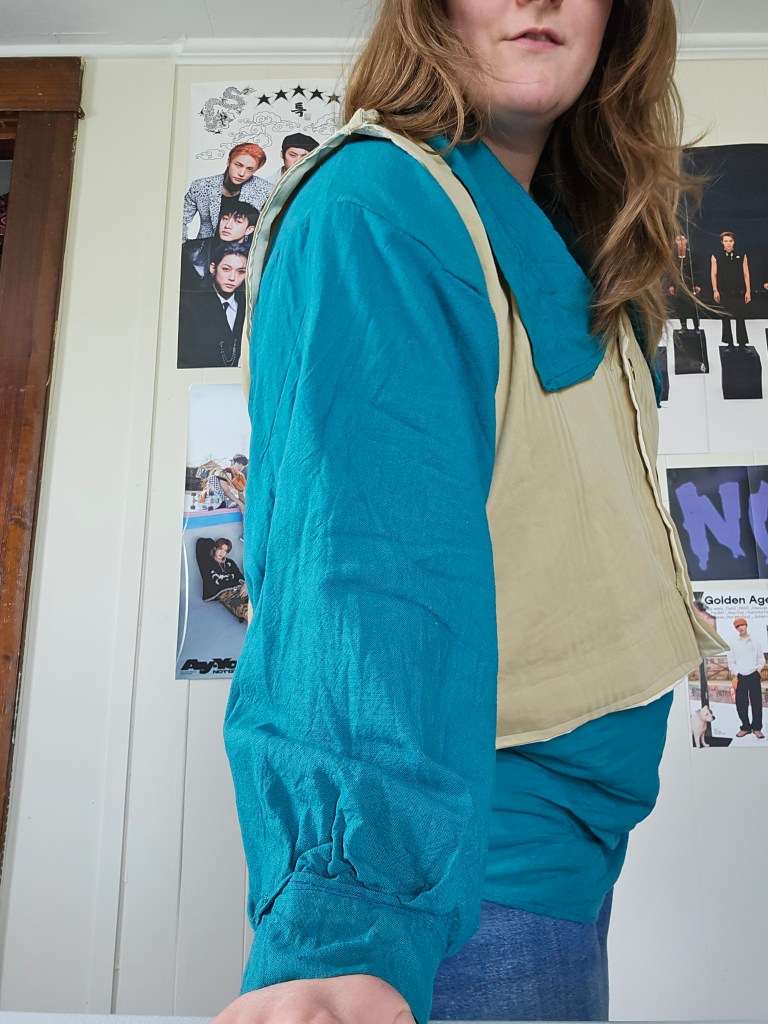
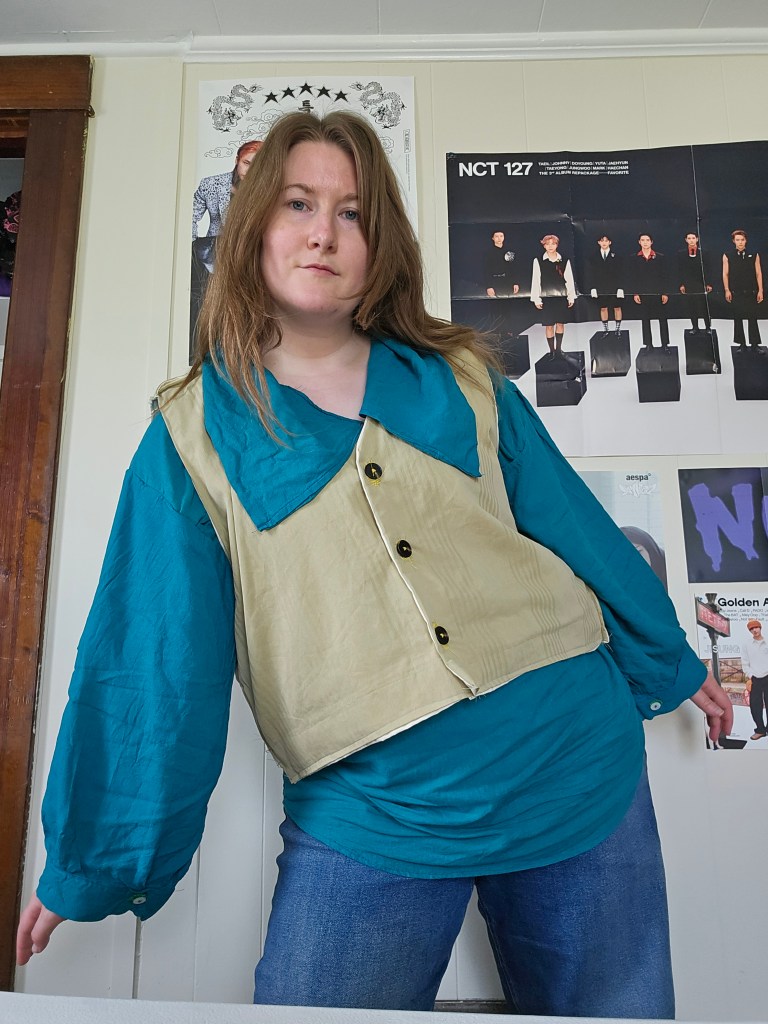
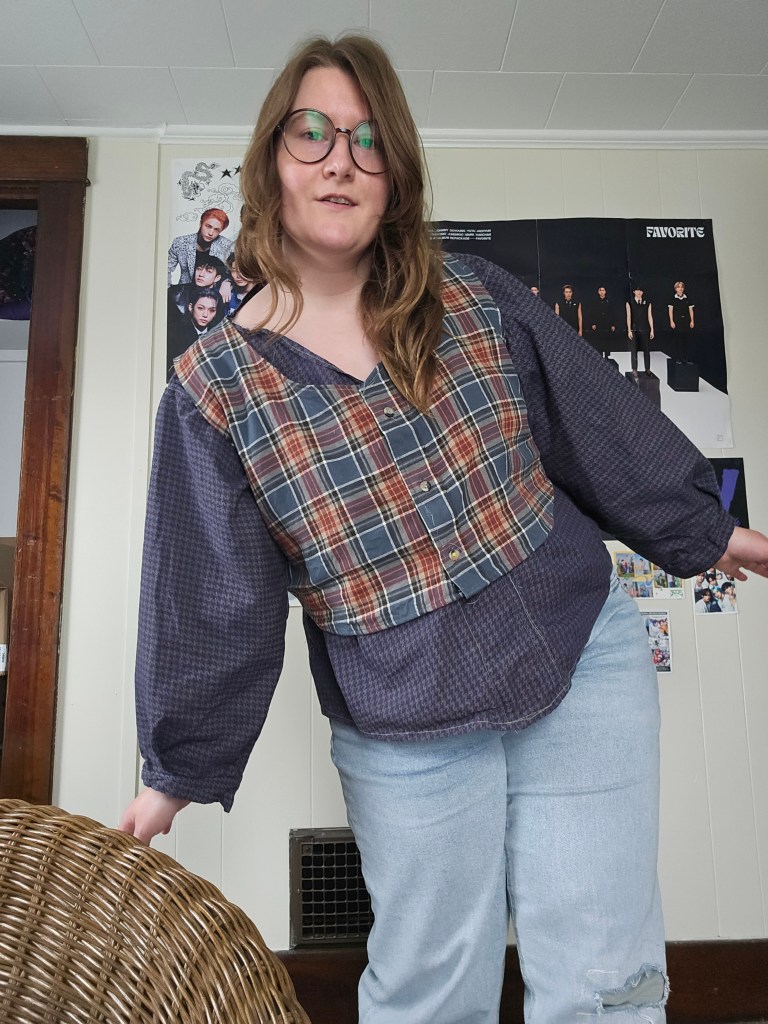
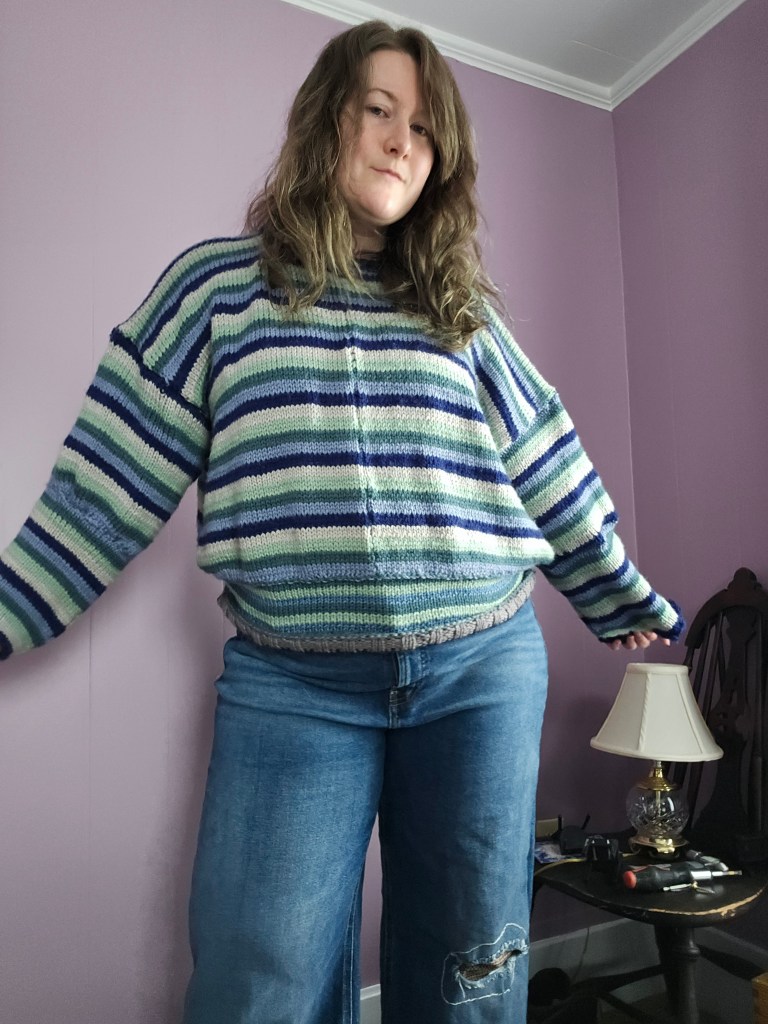
Vests were made from pillow cases and flannels. I re-worked a sweater from the existing sweater and leftover yarn. I dyed denim, deconstructed denim, and made some interesting new shorts and skirts. I combined leftover flannel from Christmas stockings to create a plaid and denim kilt. I used the cut-off sleeves of flannels from my vest projects to create a skirt from four flannel sleeves. I dove deeper into the world of trousers with two new patterns – a floral and railroad stripe. With each pair, I experimented with fastenings and pockets. I constructed my first “Mr. Darcy” shirt from teal linen using Bernadette Banner’s instructions for the body. I put my own spin on the collar, choosing a wider collar similar to a sailor collar that is popular in anime and J-fashion.

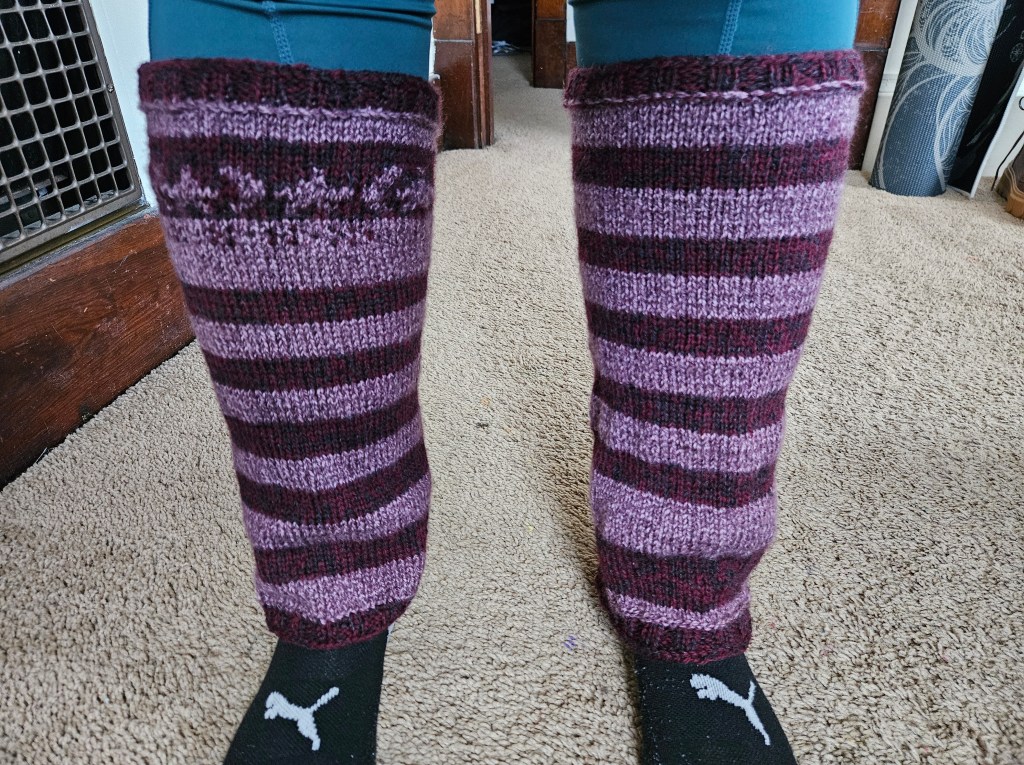
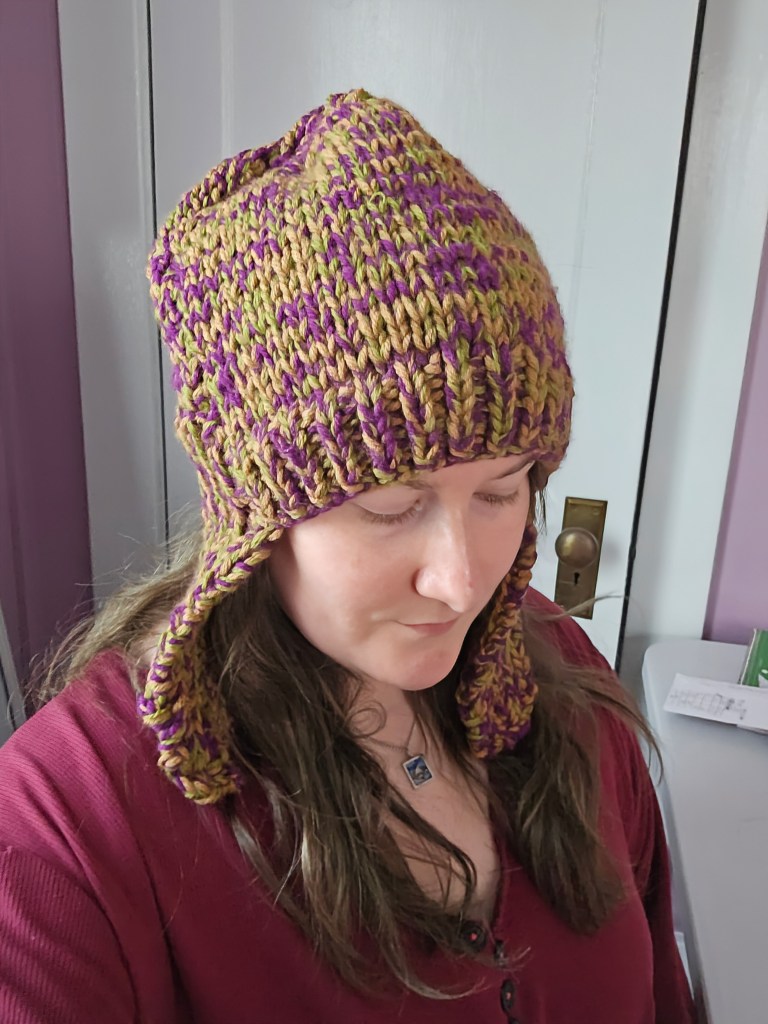
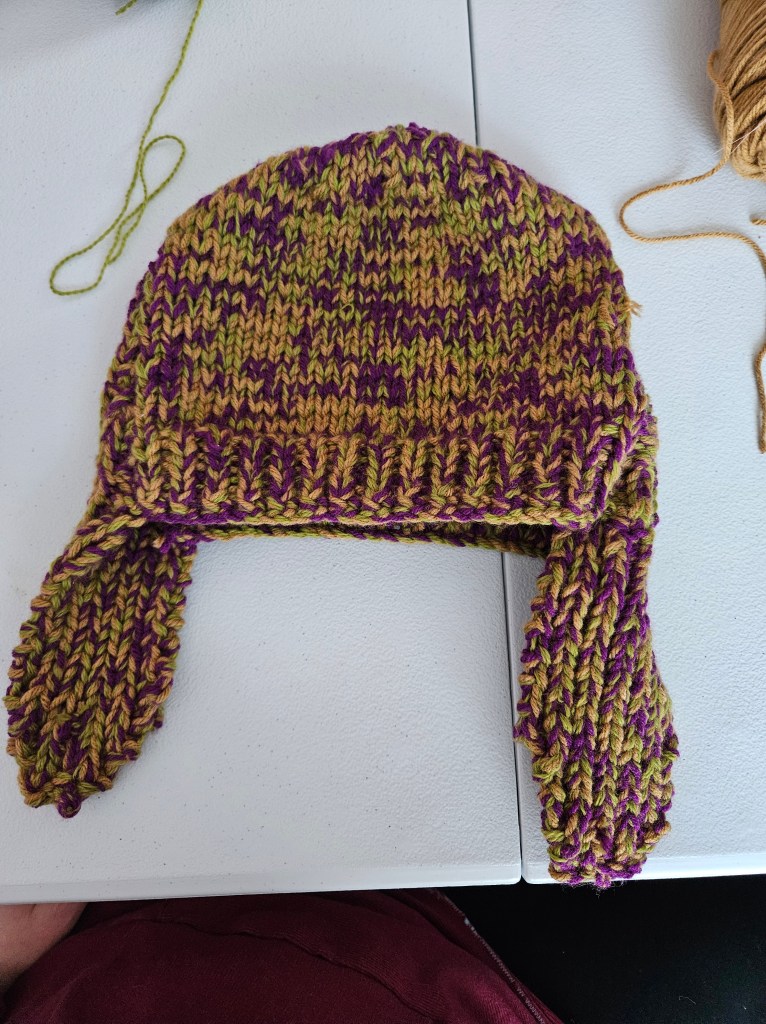
This was the first season I experimented with colorwork in knitting. I made a knit star motif hat from yarn that was leftover from my Magic of Scrap Yarn Cardigan. I made leg warmers, a squirrel motif mitten, and a melange of acrylic and wool to create this ear flap hat that reminds me of medieval European helmets. Although this season of creation was chaotic, I’m not sure if I even included all the projects I worked on, it was a time of great learning. It taught me that fashion design is more than taking raw material and cutting it into a new form.

Great design utilizes new and old. Fashion is about reusing, not wasting, and making things beautiful with careful craftsmanship. It does not mean it needs to be expensive, or need to be made by a great master couturier, it just needs to serve a purpose. We have lost sight of the purpose of fashion, but these projects of upcycling have reminded me that fashion is more than shopping, it is more than consumption, it is about the materials, the vision, the function.

Crafting in 2025

To and fro my footsteps roam, upon the miles of white, fluorescent aisle – vast, void, verigated, vexing wanderings. Where to next? Weaving textiles. Fiber miles spin, spun into nothingness. A paywall of digital footprint. Add to cart.

Create a website or blog at WordPress.com

Up ↑