
What does it mean to be an individual? Are you a person? A sum among parts? An island? A unique person, maybe? What does it mean to do things individually? What does individuality mean to an individual? I really wish this word, and its forms, weren’t so tricky to spell with my slightly dyslexic mind (not formally diagnosed, but it runs in the family). It’s a lot to digest, but this has probably been stewing in my mind for the past year, waiting for me to plate it up.
My culture is incredibly individualistic, and this is expressed in good ways and bad. One good way is that my country is a land of immigrants and indigenous people, meaning there are voices, ideas, and ways of doing things. But when there are people, there are forces of wanting to fit in, wanting to control and suppress, and prescribed ideas of the “best” way. I think this has been at the forefront of my mind because I see a vast amount of content being shared online saying originality is dead, or personal style has been killed by the algorithm. We are all core-ified or aesthetically boxed in, and social media has commodified subcultures. But it’s the internet, critiquing the internet, so we’re of course using broad, and extreme brushstrokes here.
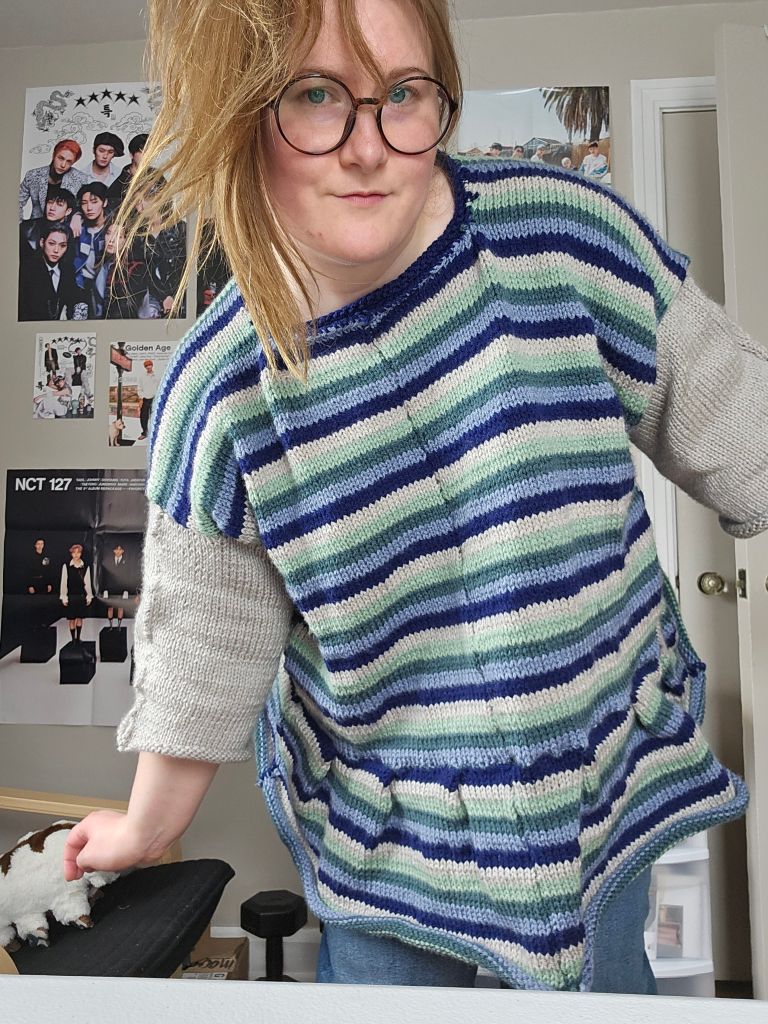
Where my mind has drifted to is the sameness. I see people online discussing the boringness of everything from movies to the same cosmetic procedures, the bland landscape of interior design, and starter pack cliches for “types” of women. There is a sea of Petite Knit patterns, a galaxy of Marvel media that repeat the same formula, reboot television, and romantic tropes pushed by publishers and BookTok to make everything fit nicely in the digital marketing ecosystem. Then we fall into nostalgia, like recession pop, which I found myself listening to the other day, reminiscing about my first summer as a member of Geneva’s painting crew in 2010. Thinking about how different life was before I even had a Facebook.
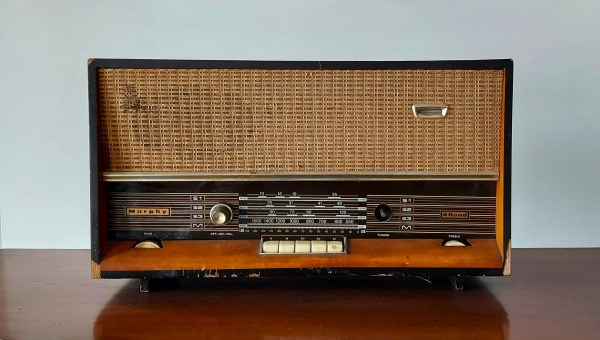
What we talked about and the memories I made with the women and men of my team were tangible, not digital. We discovered what we liked based on environmental forces, like books assigned in school, books suggested by a friend, etc. Music was discovered and shared by radio play, recommendations from others, and shared playlists that your friend curated, not the music streaming platform or the algorithm. I thought a bit less about my appearance, I mean, in adolescence, you are quite aware, but not as much as the smartphone era has brought attention to the physical image of ourselves. I had fewer pictures, grainier pictures, but more memories. Strong memories are tied to tangible things, like songs, food, books, buildings, and movies. We were all very different from each other, yet we could find commonality, and this is where the gears in my mind started turning.
We were part of a group, but had individuality. Yet, nowadays I feel more like I’m in a void, of no commonality, except for how everyone is into the same things, and wears the same clothes, yet we are not connected, communicating, nor would I even consider that despite our shared things we are on a team or part of a community. It’s hollow.
I think we are missing the point of life. We are not working towards something together. We are not part of communities. We are part of aesthetics. We have become fans not of art or sport but of corporations like Target, Lululemon, Sephora, Stanley, and Tesla. Well, probably not Tesla anymore. Target is also being boycotted, so…anyways. Apple, Alo, Rhode, Kate Spade, Trader Joe’s, Labubu. That’s more 2025, phew. Why are we stanning companies? Why are we considering shopping for a hobby? This is not a way to connect; it is a way to consume and drown in stuff instead of substance. Our roots are becoming so shallow, and our debt is vast; we are plants choked out by the weeds of hyper-individualism. We have let originality become a thing achieved not by character formation and real-life community, but by the path of purchase. Purchases for ourselves. It snuck in so fast, I didn’t realize how the art of gift giving has become a self-care checklist. Yikes! It wasn’t until playing Stardew Valley and Animal Crossing: New Horizons that I was struck by how topsy-turvy my own culture has become. Our priorities are whack, and I believe it has made us lonely, shells, devoid of individual thought, buying our way to “happiness” because all we think about is our individual needs above all. We have forgotten that humans are fulfilled by the relationships and communities we are rooted in. It’s time to break the spell.




 One Rabbit Riot