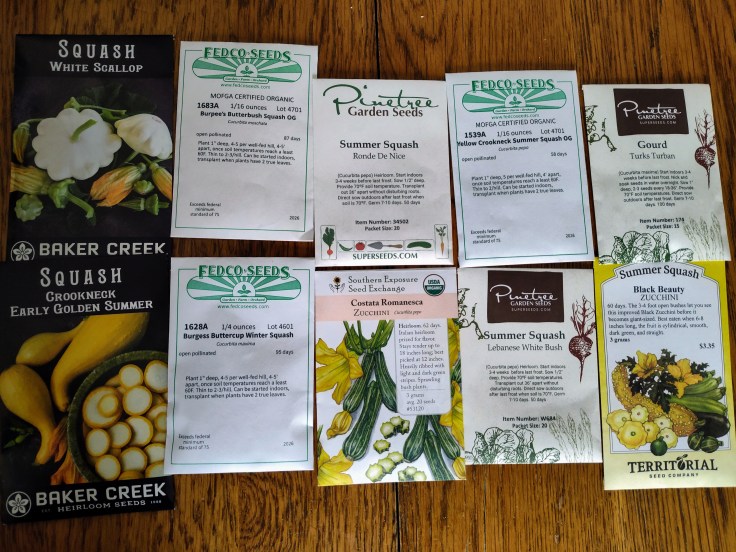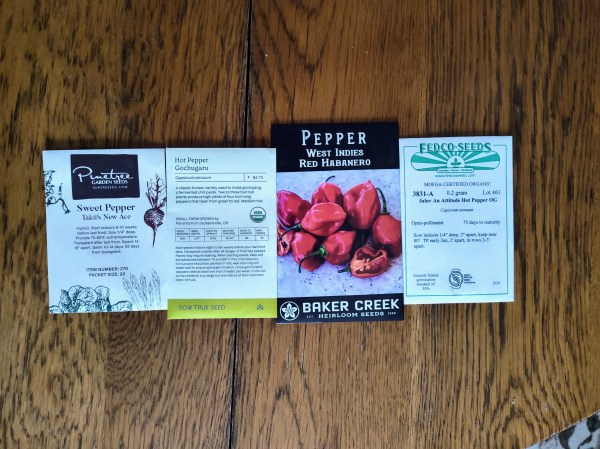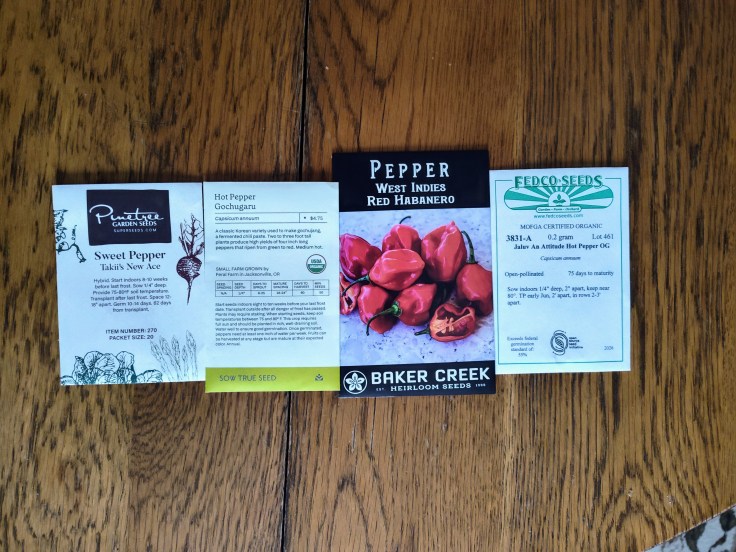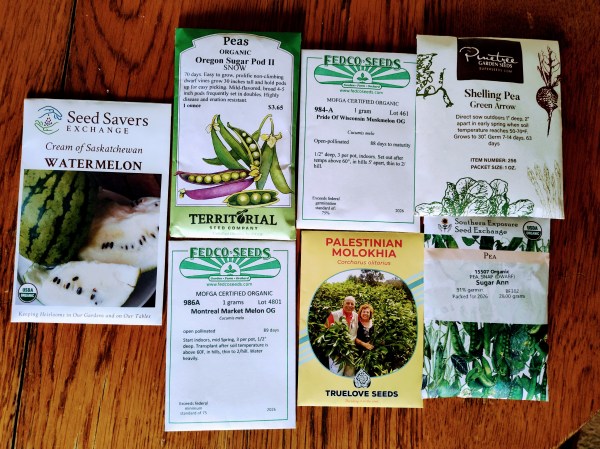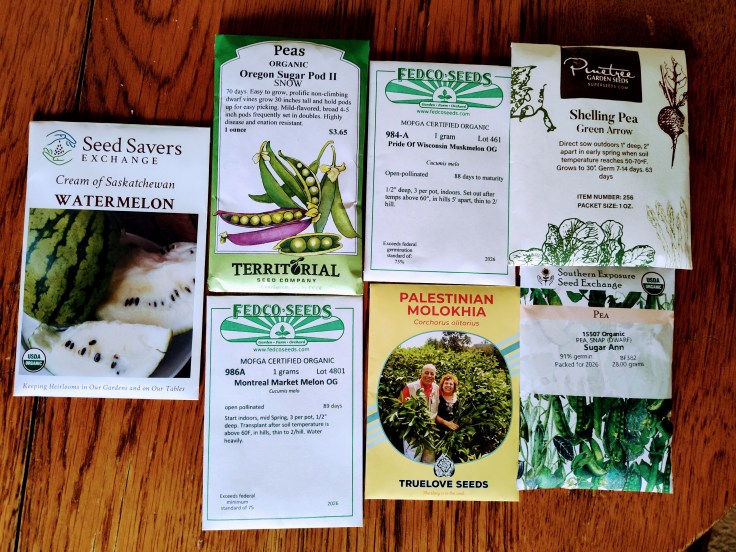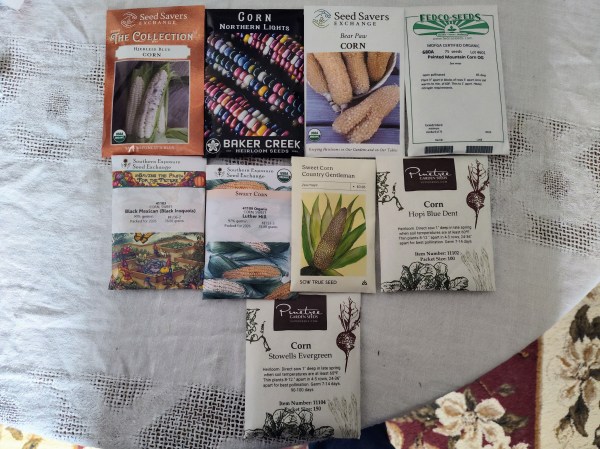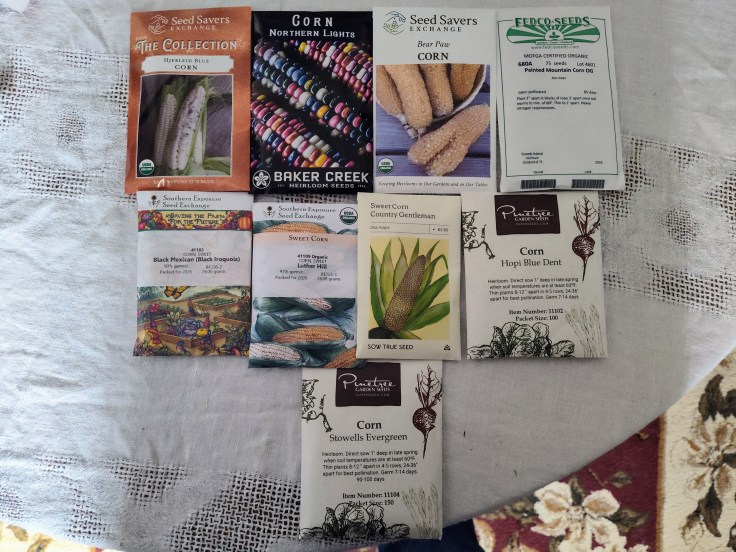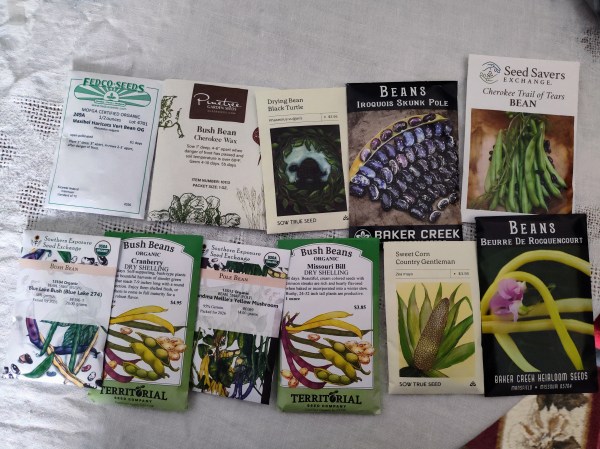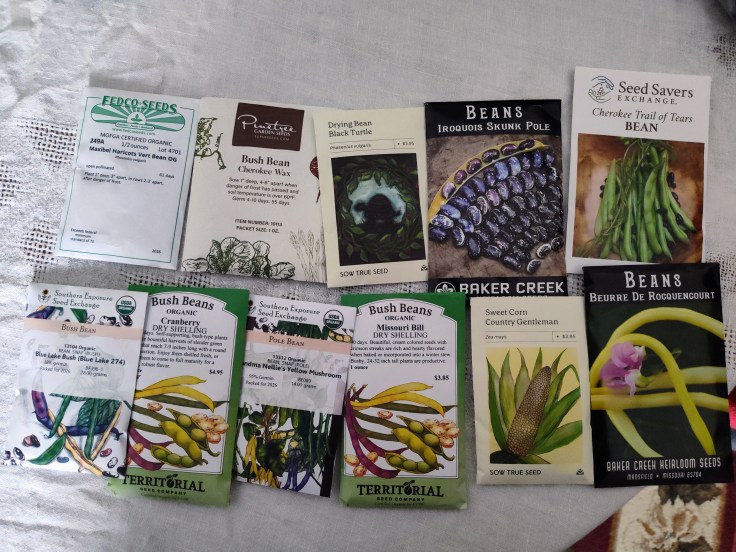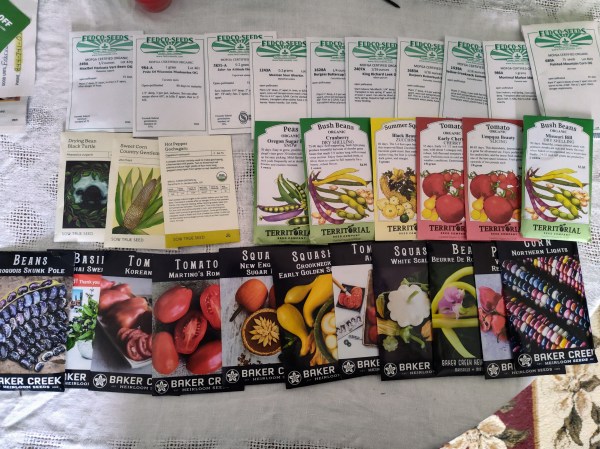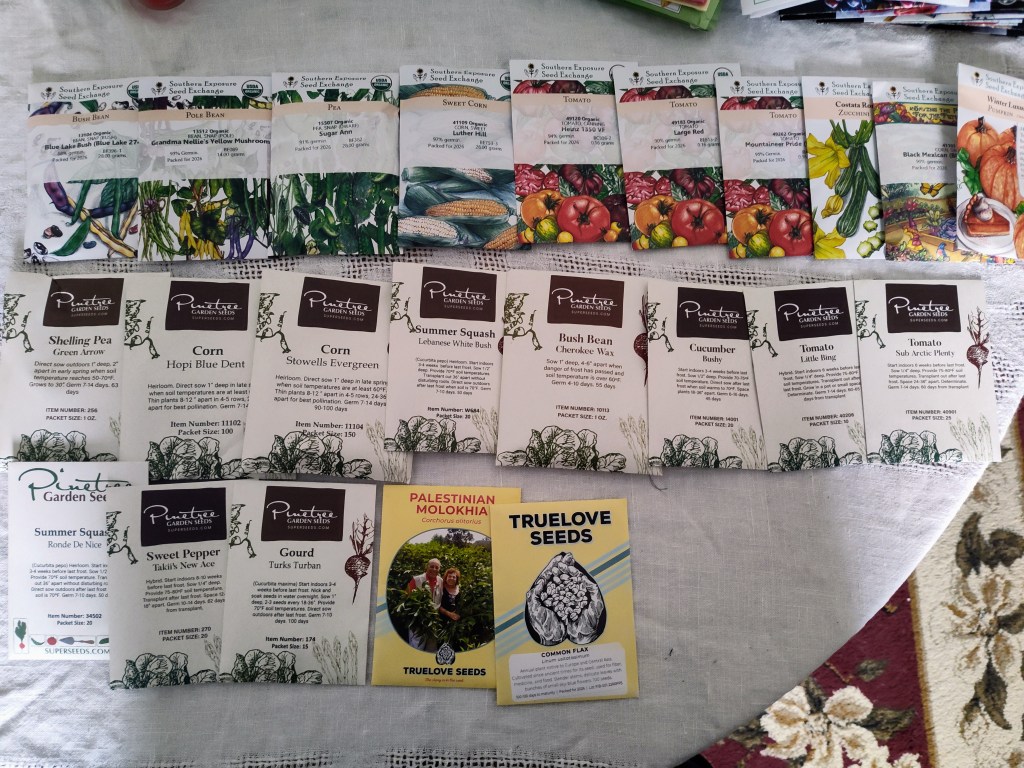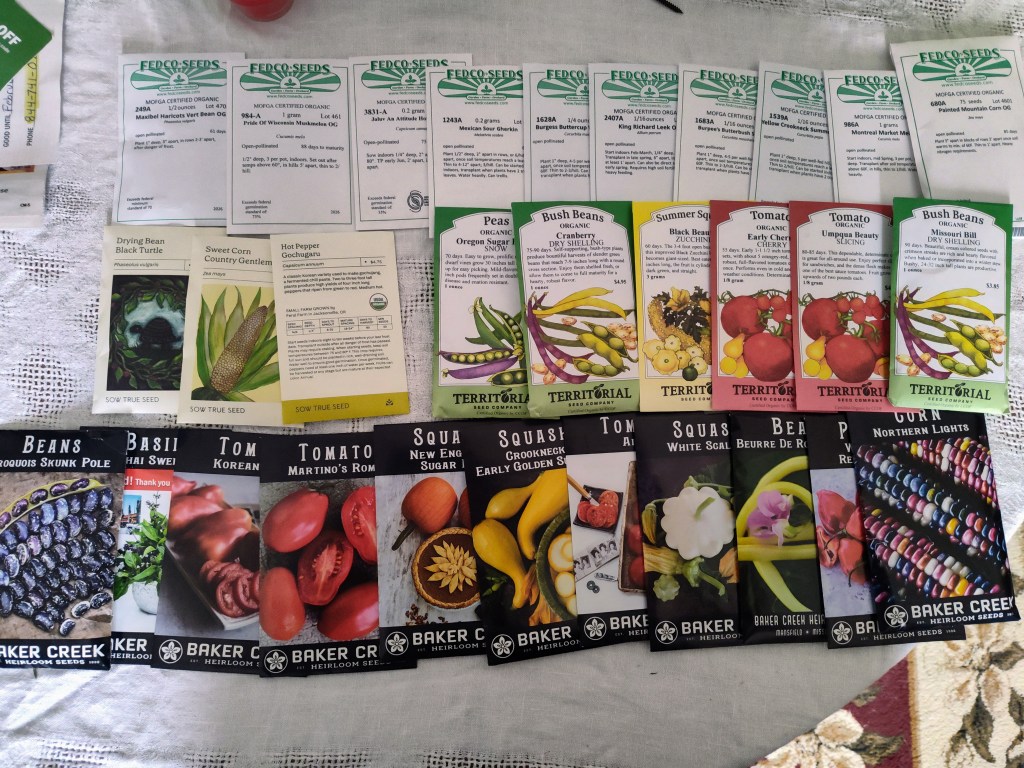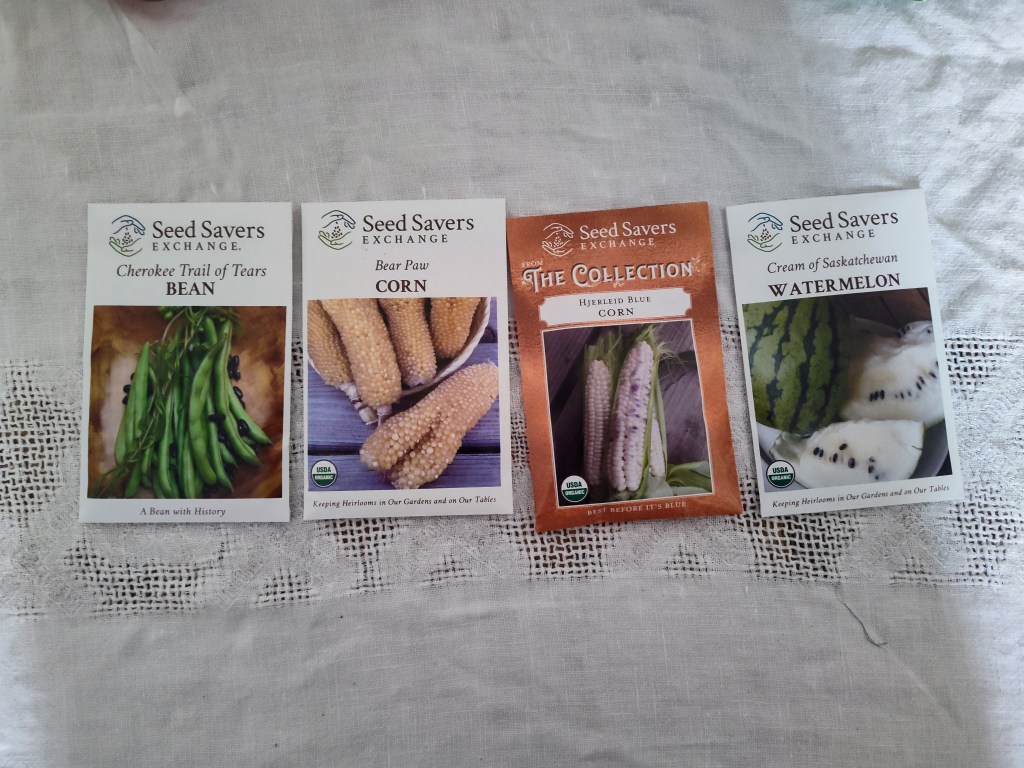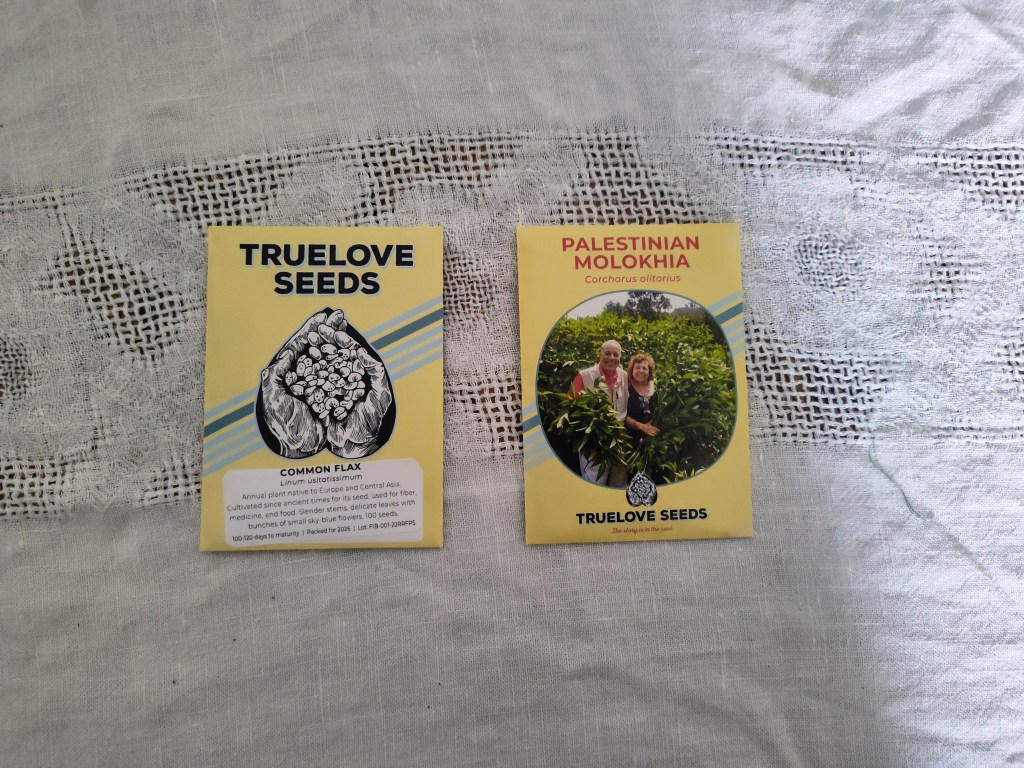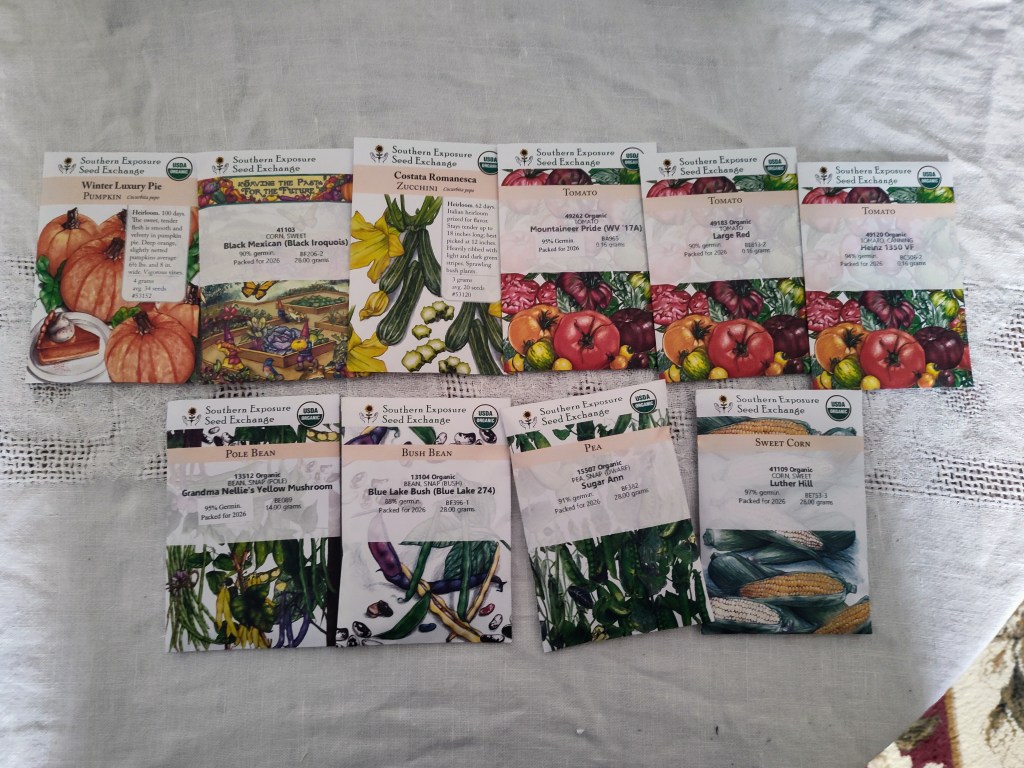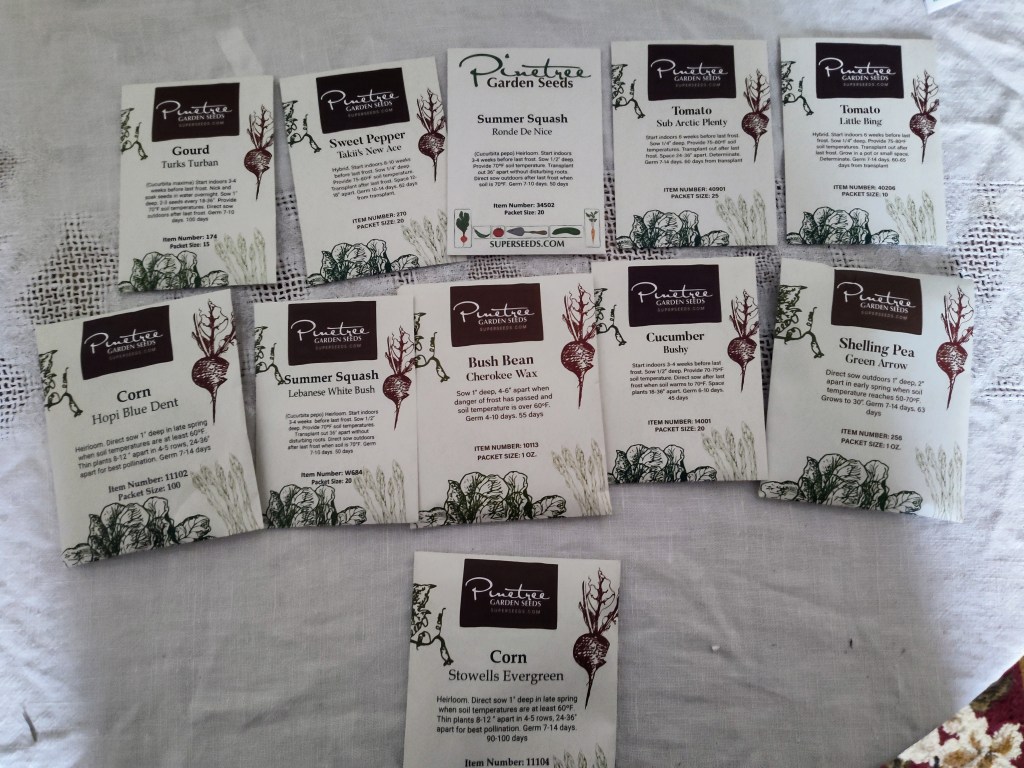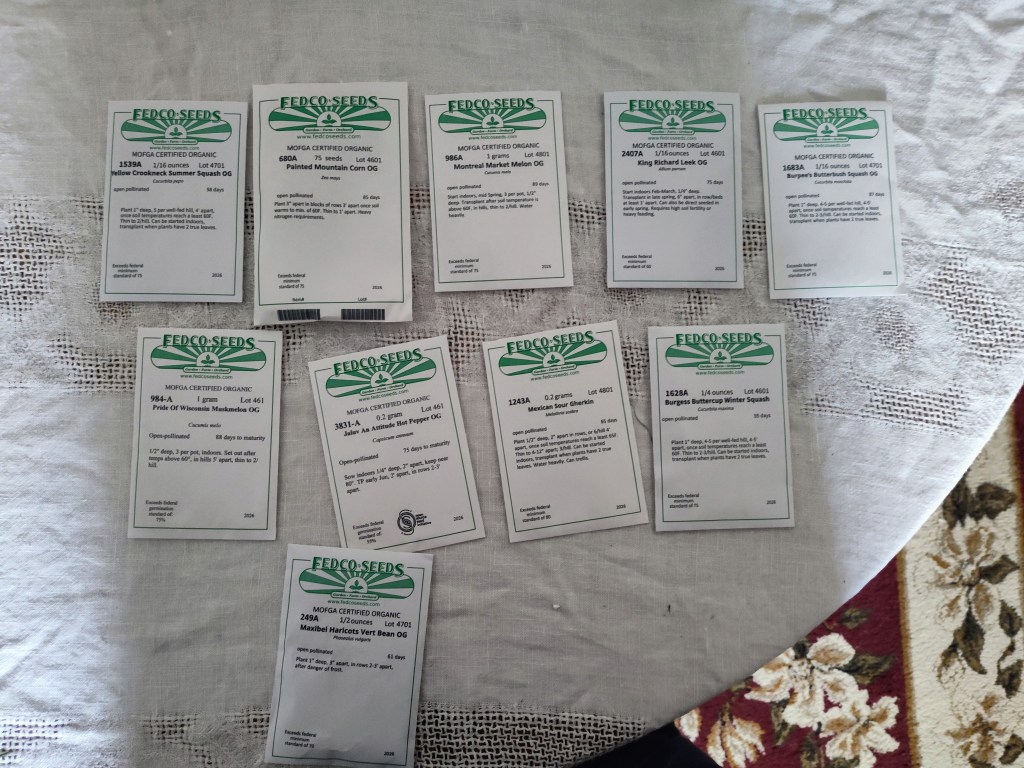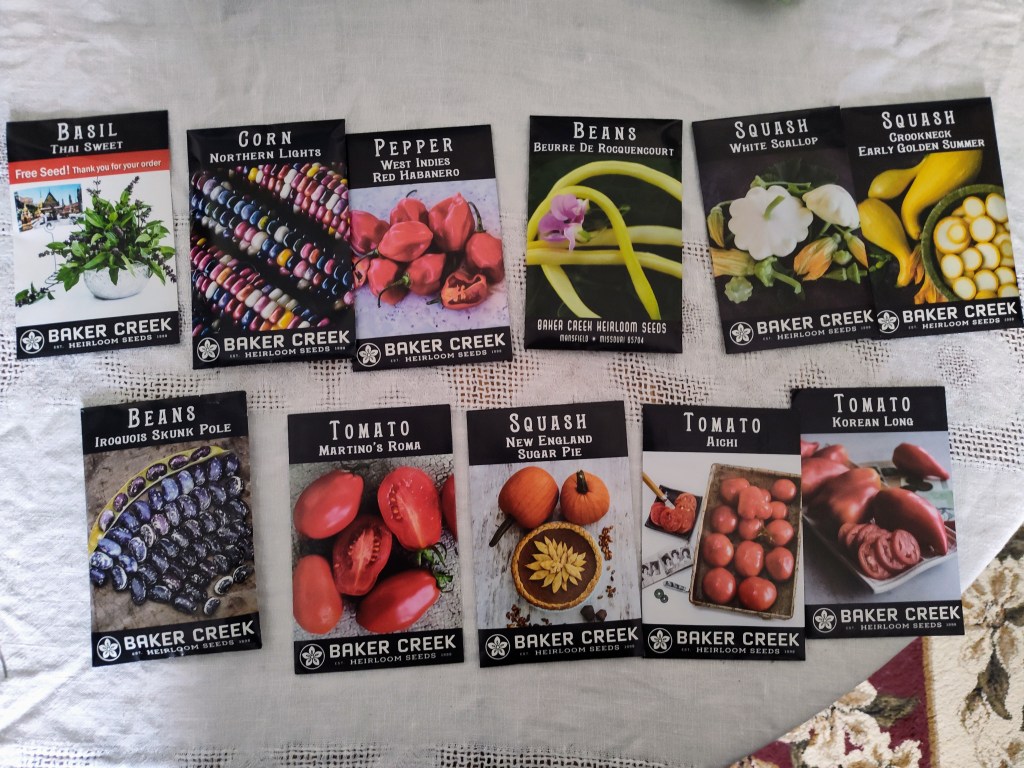
What Is the Best Garden Seed Catalog for 2026?

Over the past month, I have been reviewing the garden seed catalogs that we have requested for 2026. In total, I looked at and scored nine catalogs. If you missed them, links for each review are located below, and for a refresher, here is the criteria I used to score them:

  • Number of pages – 1 point per page over 100 pages; minus-1 point per page under 100 pages.
  • New varieties – 1/2 (.50) point for each new variety for 2026.
  • Total number of seeds – 1/4 (.25) point per seed.
  • Selection of “Specialty Seeds” – By “Specialty Seeds,” I mean any specially designated seeds that are separated from the other seeds. Examples are All-American Selections, Italian Gourmet, and Indigenous Royalties. – 1 point will be awarded for each specialty category.
  • Images – 1 point if there is an image for every seed; 1/2 (.50) point if fewer.
  • Non-Seed Offerings – 1 point for each category (fertilizers, seed-starting items, merchandise, weed control, pesticides, garden gear, etc.)
  • How Is it Organized/Ordered? – 1 point if its order is a positive; minus-1 point if it’s a negative.
  • Beauty – This is completely subjective, but it’s my way of determining if it’s aesthetically pleasing to look at. Does it include original artwork? Are the images crisp and clean? Is the text easy to read? A maximum of 10 points can be awarded.
  • What Sets it Apart or Makes it Unique? – This is another subjective category. What about a catalog makes it stand out from the others? A maximum of 10 points can be awarded.
Seed Catalogs
2026 Seed Catalogs

Without further ado, here are the scores for the catalogs:

  1. Fedco – 543.25 Points
  2. Baker Creek – 451.25 Points
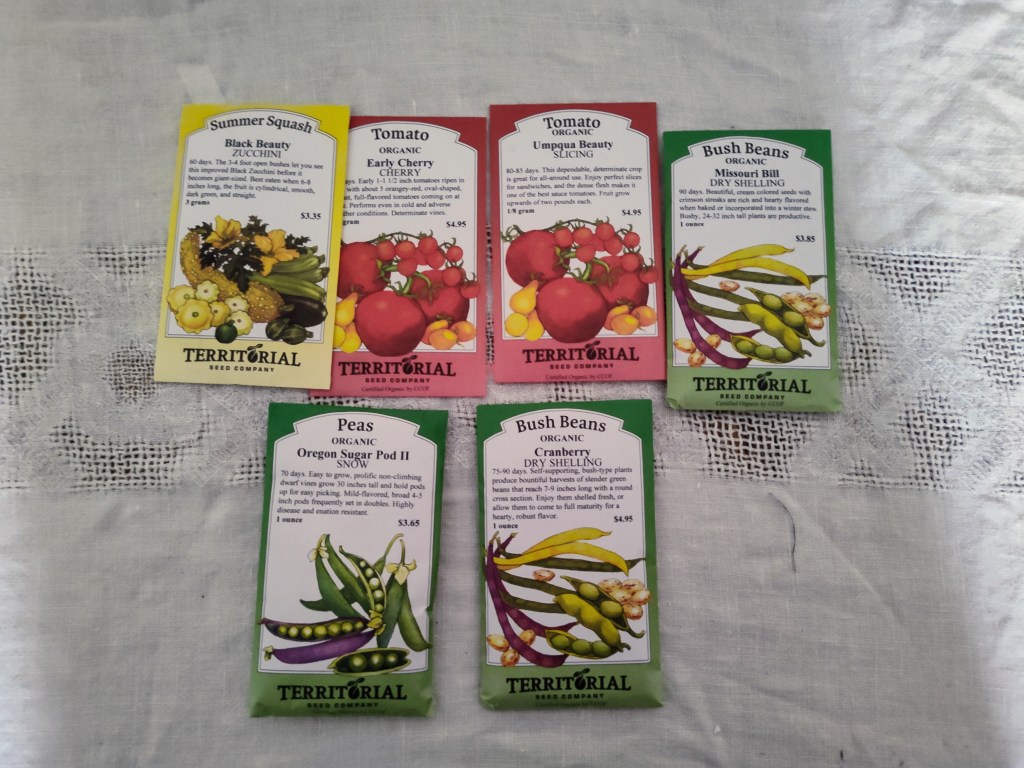
  3. Territorial – 417 Points
  4. Pinetree Gardens – 410 Points
  5. High Mowing Organic Seeds – 303.5 Points
  6. Seed Savers Exchange – 247.75 Points
  7. Southern Exposure Seed Exchange – 238.5 Points
  8. NE Seed – 221.5 Points
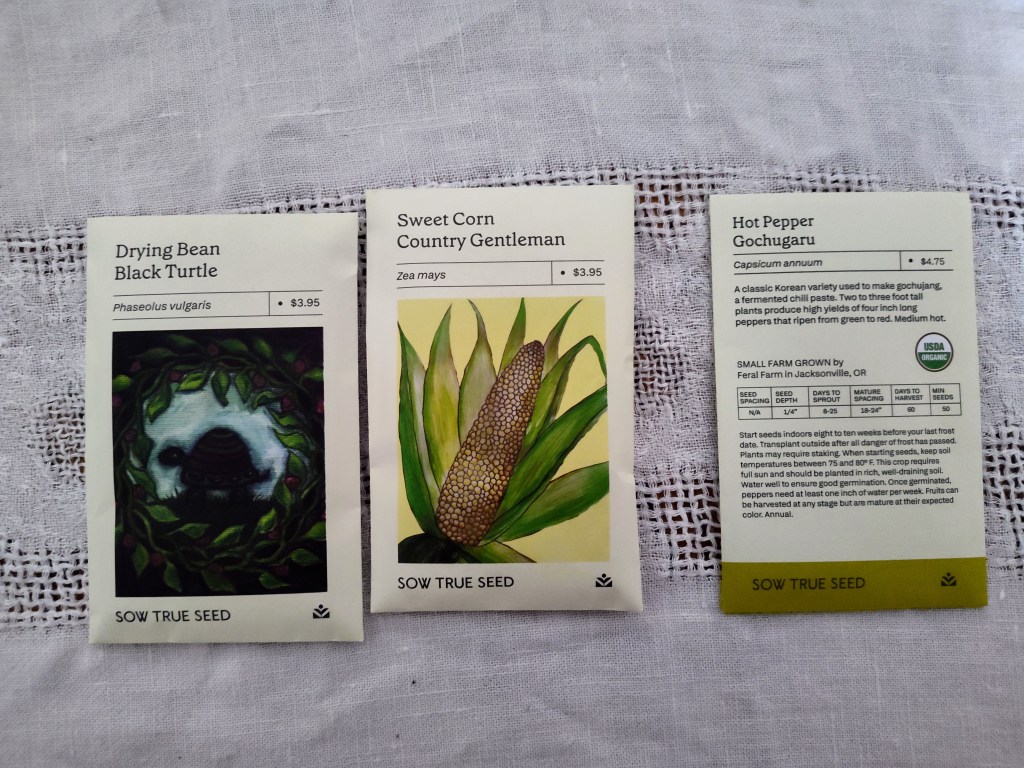
  9. Sow True – 193 Points

Do the Scores Match My Subjective Opinions of the Catalogs?

The short answer is no. When I was putting these reviews together, I looked at each catalog and wrote the review individually, so I didn’t pay attention to the scores and how they compared to each other. Solely based on my subjective views, my order would be:

  1. Sow True
  2. Southern Exposure
  3. Pinetree Gardens
  4. Fedco
  5. Seed Savers Exchange
  6. Baker Creek
  7. High Mowing Organic Seeds
  8. Territorial
  9. NE Seed

The biggest surprise here is that the lowest-scoring catalog, Sow True, is actually my favorite. I love the design and shape of their catalog even though it’s on the smaller side. Territorial’s catalog, which scored high, was one of my least favorite catalogs, although the 5-8 catalogs on my subjective list are pretty close together.

I think the reason for this discrepancy is that my scoring system placed a lot of weight on the number of pages in each catalog, with one point being awarded for each page over 100. The reason for that was to award seed companies for offering thick catalogs that go above and beyond. I still think it was smart to award the catalogs for how many pages, but perhaps points should have been given on a tiered basis (1 point for 100-110 pages, 2 points for 111-120, 3 points for 121-130, etc.) Another scoring system would have been to award one point for every 5 pages above 100.

Another reason is that my scoring system intentionally awarded the objective traits, such as the number of seeds being offered, new seed varieties, and non-seed offerings. This naturally rewards the larger companies that can offer more seeds than the smaller companies. I wanted to reduce the likelihood that my personal thoughts and feelings could unfairly create imbalance in the scoring system. That was successful, but I think I went too far in the opposite direction, and some of the most beautiful catalogs didn’t rank highly. Ultimately, it doesn’t matter, because I can still follow up with my personal rankings, but I will adjust the scoring system for next year in an attempt to be more fair.

What Did I Learn?

I learned that I love catalogs from the companies that go beyond simply selling seeds. As a gardener, you can buy seeds almost anywhere in the spring. Go to any box store, home improvement store, or Agway, and you’ll find seeds. But not all seeds and seed companies are created the same. Some seed companies are businesses and operate with the goal of turning a profit. Others care more about educating gardeners and building a sustainable future than making money. You can perceive that difference in the companies’ catalogs. I prefer the catalogs that offer more than seeds. They’ll tell stories and teach lessons. I want to buy from companies that give back and support small farmers.

I know that I learned a lot by reviewing the seed catalogs. It forced me to slow down and really pay attention to what I was seeing and reading. Now, we begin the process of selecting the seed varieties that we want to buy, and I’ll be curious to know if we buy the bulk of our seeds from the highest-scoring catalogs (subjective or objective) or if they’ll be evenly divided. I’ll follow up with a post on what seeds we order. Thank you for reading.

Reviewing NE Seed’s 2026 Catalog

Ahead of the 2025 gardening season, one of my first posts on the blog was titled “Where to Buy Garden Seeds.” There was a heavy emphasis on the seed catalogs we requested, what we liked about each one, and the ones we purchased seeds from. This year, I’m doing things a bit differently by dedicating a post to each seed catalog. In each post, I’ll review the catalog, go over the things I like and dislike about it, and score the catalog. Here’s how I’m scoring all the catalogs.

Scoring Criteria

I’m going to be looking at the following areas and applying them to each catalog we receive:

  • Number of pages – 1 point per page over 100 pages; minus-1 point per page under 100 pages.
  • New varieties – 1/2 (.50) point for each new variety for 2026.
  • Total number of seeds – 1/4 (.25) point per seed.
  • Selection of “Specialty Seeds” – By “Specialty Seeds,” I mean any specially designated seeds that are separated from the other seeds. Examples are All-American Selections, Italian Gourmet, and Indigenous Royalties. – 1 point will be awarded for each specialty category.
  • Images – 1 point if there is an image for every seed; 1/2 (.50) point if fewer.
  • Non-Seed Offerings – 1 point for each category (fertilizers, seed-starting items, merchandise, weed control, pesticides, garden gear, etc.)
  • How Is it Organized/Ordered? – 1 point if its order is a positive; minus-1 point if it’s a negative.
  • Beauty – This is completely subjective, but it’s my way of determining if it’s aesthetically pleasing to look at. Does it include original artwork? Are the images crisp and clean? Is the text easy to read? A maximum of 10 points can be awarded.
  • What Sets it Apart or Makes it Unique? – This is another subjective category. What about a catalog makes it stand out from the others? A maximum of 10 points can be awarded.

Links to Other Reviews

Pages – -13 Points

The 2026 NE Seed catalog is 87 pages, which makes it the smallest catalog that I’ve looked at this year.

New Varieties – 4 Points

The catalog lists 8 new varieties for the 2026 gardening season, all of which are listed at the beginning of the catalog.

Total Number of Seeds – 217 Points

The catalog and company are selling 621 vegetable, 179 flower, and 68 herb varieties for a total of 868.

Specialty Seeds – 2 Points

NE Seed sells specialty seeds in the following areas: All-American Selection and Italian Gourmet Collection.

Images – .5 Points

The catalog doesn’t include an image for each seed listed, so it only gets a half-point.

Beauty – 6 Points

The NE Seed catalog is a bit different from the others I’ve reviewed in that it’s more commercially focused. Not all of their seeds are sold in typical retail packets, and you can buy nearly all their seeds in bulk. It also lists commercial gardening tools. And if you spend over $1,000, you get 10% off, but that total is unlikely to be reached by a typical home gardener. That being said, the catalog is still beautiful to look at. The images are crisp and clear, and the company is clearly dedicated to transparency.

Non-Seed Offerings – 4 Points

NE Seed offers inoculants, seed-starting supplies, planters, and what they call hard goods.

Unique Quality – 3 Points

Because the catalog is partially focused on commercial growers, it’s less unique than the other catalogs I’ve reviewed. If 5 is the score I’d give an average catalog, the NE Seed catalog has to be scored slightly below average for uniqueness. It is everything you’d expect from a seed catalog in that it lists a large variety of seeds and features clear descriptions. There are also a few recipes sprinkled in, but it doesn’t really go beyond that.

How Is It Ordered/Organized? – 1 Point

The catalog is categorized into vegetables, herbs, and flowers and then each category is alphabetized.

Review

It’s difficult to compare this catalog to the others because I think it’s intended for a different audience and serves a different purpose. It has a commercial focus but still applies to the average home gardener, but you have to know that not all seeds are available in packets. There’s still a large variety of seeds sold in packets, but it can be frustrating to read a seed’s description only to learn that it’s unavailable in a packet. In general, NE Seed sells a large variety of vegetables, including a selection of heirloom seeds. They also pledge the same Safe Seed Promise as the other companies, indicating their dedication to seed saving practices. Also, because they sell commercially, their prices are excellent on a per-seed basis, but you may need to make sacrifices to find varieties sold in smaller quantities. Overall, I would recommend checking out NE Seed and their catalog. They’re a good company, but it’s wise to have the proper expectations.

Score: 224.5 Points

Reviewing Southern Exposure Seed Exchange’s 2026 Catalog

Ahead of the 2025 gardening season, one of my first posts on the blog was titled “Where to Buy Garden Seeds.” There was a heavy emphasis on the seed catalogs we requested, what we liked about each one, and the ones we purchased seeds from. This year, I’m doing things a bit differently by dedicating a post to each seed catalog. In each post, I’ll review the catalog, go over the things I like and dislike about it, and score the catalog. Here’s how I’m scoring all the catalogs.

Scoring Criteria

I’m going to be looking at the following areas and applying them to each catalog we receive:

  • Number of pages – 1 point per page over 100 pages; minus-1 point per page under 100 pages.
  • New varieties – 1/2 (.50) point for each new variety for 2026.
  • Total number of seeds – 1/4 (.25) point per seed.
  • Selection of “Specialty Seeds” – By “Specialty Seeds,” I mean any specially designated seeds that are separated from the other seeds. Examples are All-American Selections, Italian Gourmet, and Indigenous Royalties. – 1 point will be awarded for each specialty category.
  • Images – 1 point if there is an image for every seed; 1/2 (.50) point if fewer.
  • Non-Seed Offerings – 1 point for each category (fertilizers, seed-starting items, merchandise, weed control, pesticides, garden gear, etc.)
  • How Is it Organized/Ordered? – 1 point if its order is a positive; minus-1 point if it’s a negative.
  • Beauty – This is completely subjective, but it’s my way of determining if it’s aesthetically pleasing to look at. Does it include original artwork? Are the images crisp and clean? Is the text easy to read? A maximum of 10 points can be awarded.
  • What Sets it Apart or Makes it Unique? – This is another subjective category. What about a catalog makes it stand out from the others? A maximum of 10 points can be awarded.

Links to Other Reviews

Pages – -10 Points

Southern Exposure Seed Exchange’s (SESE) catalog is the first one I’ve reviewed that is shorter than 100 pages. What is wild is that I didn’t even notice that it was thinner than the other catalogs until I looked at the page total. It doesn’t feel thin or short on offerings, but regardless, it loses 10 points for it.

New Varieties – 2.5 Points

I could only find 5 new varieties being offered by SESE for 2026. There may be more, but only 5 were mentioned on their website’s homepage. There is no option to filter for new varieties.

Total Number of Seeds – 221 Points

For 2026, SESE is offering 672 vegetable, 108 flower, and 104 herb varieties for a total of 884.

Specialty Seeds – 3 Points

They feature three types of specialty seeds: All-American Selection seeds, Slow Foods’ Ark of Taste selections, and seeds that come from Small Eco Farms. I’ve written about All-American Selection seeds and the Ark of Taste varieties elsewhere, but the Small Eco Farms are often family-owned, while some are cooperatives.

Images – 1 Point

There is one image or piece of artwork for every variety offered.

Beauty – 10 Points

SESE’s catalog is beautiful and colorful. The images are crisp and do a great job of advertising the product. There are also numerous drawings throughout the catalog that perfectly complements the images. Finally, the back of the catalog highlights some of their seed packets, all of which feature original artwork rather than images.

Non-Seed Offerings – 3 Points

There are only three types of non-seed offerings featured in the catalog: Books, Garden Supplies, and Seed-Saving Supplies.

Unique Quality – 7 Points

If a score of 5 points is an average catalog, SESE’s catalog is above average but not the most unique. Its size is pretty standard (about the size of a magazine), and it uses newspaper-style paper. Its unique qualities are rooted in the blend of images and artwork as well as the color coding they use to separate sections on a page. It gives each page a clean look and helps the buyer to see orient themselves and know what category the seeds belong in.

How Is it Ordered/Organized? – 1 Point

The catalog is categorized into vegetables, flowers, and herbs, and then each category is alphabetized.

Review

I’m ashamed to say this, but I almost forgot to request SESE’s 2026 catalog. When I initially requested catalogs in November, their website mentioned that their catalog wouldn’t be shipped until late December, which is fine. But I also couldn’t find a place to sign up for the catalog, so I had to remember to circle back and make that request, which I failed to do until early January. My forgetfulness is not indicative of the company or their catalog. It’s beautiful, and like many of the other companies, place an emphasis on stewardship and the future. They do this through their work with Small Eco Farms as well as the feature of Slow Foods’ Ark of Taste selections.

But my favorite part is their work to end food insecurity. They promote planting extra seeds that can be set aside for donations to food pantries and other charities. They also work with Seed Programs International, which is committed to providing quality seeds to impoverished communities in developing nations. That mindset and dedication are important to us.

Back to the catalog. I love the seed varieties they sell. There is a focus on seeds that grow well in the South, which makes sense since SESE is located in Virginia, so some of the seeds can’t be grown in Western Pennsylvania, but there are a lot of unique seeds. I also love that they feature notes about how to cook and eat the vegetables. The catalog provides a lot of information, and I’m very excited to order from SESE.

Score – 238.5 Points

A Brief History of the Cucumber

In early December, I started a series on the history of vegetables with a post on the history of the tomato. My plan was to make that a weekly or bi-weekly post; however, it’s now been more than a month since I wrote it. Holiday busyness along with the arrival of seed catalogs pushed this idea to the back burner for a bit, but I finally have some time to research and write the next installment: The history of the cucumber. Cucumbers are a very popular vegetable all around the world and play a key role in many cuisines. I knew that the cucumber was a global vegetable given the diversity of variety names that pay homage to where they originated. Boston Pickling, Armenian, and Shintokiwa are three popular varieties and point to three different parts of the globe. So, where did the cucumber originate, and how did it spread? I was shocked to learn its history and how it was transported to become a popular food item all across the world.

Foothills of the Himalayas

The modern cucumber dates back more than 3,000 years to India where it grew wild in the foothills of the Himalayan Mountains. This early predecessor to the modern cucumber was likely very bitter, which can still be found in today’s cucumbers. This bitterness works as a natural repellent against insects and pests. It started to be domesticated around 1,000 B.C., and soon, three varieties emerged: slicing (Eurasian), pickling (East Asian), and burpless.

The cucumber spread from there, moving east and west. While we don’t know exactly when the cucumber arrived in China and Japan, records show that they were present by the 10th century. We have better records for how it was transported west. Via trade routes, it made its way to Egypt, and the Old Testament book of Numbers, Moses wrote about cucumbers: “We remember the fish we ate in Egypt that cost nothing, the cucumbers, the melons, the leeks, the onions, and the garlic.” (Numbers 11:5) In Egypt, it was cultivated, as both the Greeks and Romans took a liking to it.

Greeks & Romans Brought Cultivation

We likely have the Greeks and Romans to thank for introducing the cucumber to Europe. Roman naturalist and author Pliny the Elder wrote that Emperor Tiberius ate cucumbers daily as part of his diet. The Romans also developed an artificial growing method similar to the modern greenhouse. They used sheet mica to cover the frames of the wall and roof. This allowed cucumbers to be grown and eaten all year long. At this point, cucumbers were eaten for both culinary and medicinal purposes, as it was believed that they could treat fevers, inflammation, and indigestion. Even in modern culture, cucumbers are often viewed as a dieting food due to its high water content.

In Europe

As mentioned above, the cucumber was likely introduced to Europe by the Greeks and Romans. Records show that emperor Charlemagne grew them in Italy in the 8th and 9th centuries, and we know that they were grown in France in the 9th century. The English word “cucumber” actually derives from the Latin “cucumerem,” which became “cocumbre” in Old French. Because of Charlemagne, who helps to unify Europe, the cucumber spread throughout Western Europe, and under King Henry VIII, it was first introduced to England in the 15th and 16th centuries.

Introduction to The New World

In elementary school, we learned the simple rhyme: In 1492, Columbus shared the ocean blue. It was an easy device to remember when he set sail for the New World. On that voyage, he and his sailors brought cucumbers with them, first arriving on Hispaniola in 1494. From there, it spread like many other vegetables: across the Caribbean and into North America. By 1539, Spanish explorer/conquistador Hernando de Soto identified cucumbers growing in modern-day Florida and judged them to be better than what was grown in Spain.

During the 16th century, trappers and fur traders transported them westward and used them as a bartering tool in trade with the Native Americans. This resulted in them quickly being grown throughout the Great Plains and Midwest United States. The growing popularity of cucumbers wasn’t consistent, though, and during the late-17th century, their popularity began to decline when people thought that raw vegetables were poisonous and only should be fed to farm animals. Thankfully, that erroneous opinion didn’t persist.

By 1806, eight distinct cucumber varieties existed in the United States. And later, in 1876, Henry J. Heinz, founder of the H.J. Heinz Company began making pickles commercially, and the cucumber’s popularity continued to grow. Today, cucumbers are grown commercially on every continent except Antarctica, and new varieties continue to be developed and released.

Types of Cucumbers

There are generally three types of cucumbers:

Slicing

Slicing cucumbers are ones that are typically sliced and eaten fresh. They’re crunchy with a juicy texture. Their skins are thicker, smooth, and stay uniform in color. They also tend to be longer cucumbers. Some popular varieties of slicers include Straight 8, Marketmore, Muncher, Suyo Long, and Armenian.

Pickling

Pickling cucumbers are often shorter varieties that have less uniformity in color. Their flesh is drier, which makes them perfect for pickling because it efficiently absorbs the pickling liquid. They can be cut into spears or coins, and some of the smaller varieties can even be pickled whole. Many pickling cucumbers also have a more compact growing habit than slicing varieties. Popular varieties include Boston Pickling, Homemade Pickles, National Pickling, Arkansas Little Leaf, and Bushy.

Burpless

Burpless cucumbers have been bred throughout the centuries to cause less burping than a standard cucumber. Cucumbers contain cucurbitacin, which can cause digestive issues, including burping, in humans. Burpless varieties have less cucurbitacin in them, which means fewer digestive issues. Many slicing cucumbers are burpless, but not all of them. Popular varieties include Armenian, Suyo Long, and Summer Dance.

I hope this brief history of the cucumber was informative and that you were able to learn something new. I know that I did.


Sources

A Refined Approach to Our 2026 Garden

On the Saturday before Christmas, Magz and I met at our favorite local coffee shop to hang out and discuss our plans for and thoughts about the 2026 garden. While it was definitely a low-key affair, it was a productive meeting, and we left the coffee shop with clarity over our upcoming garden. Items we discussed included:

  • Vegetables we want to grow again vs. new vegetables we want to try vs. vegetables we won’t grow again in 2026
  • Growing habits/types of vegetables that we are interested in
  • Seeds vs. starts for each vegetable

In the end, we were able to refine our approach to the 2026 garden and feel confident in our plan. Here are some of the decisions we reached.

What Vegetables Are We Growing in 2026?

There are a number of vegetables that we have decided to not grow again in 2026. They are beets, carrots, tomatillos, greens, and bok choy. We were unsuccessful in growing beets and carrots in 2025 and have never had luck with bok choy as much as we love them. We’ll likely revisit all three again in the future. We didn’t enjoy eating tomatillos as much as we thought, so we won’t dedicate garden space to them again this year. Finally, we enjoyed the mustard greens we grew, but we ran out of ideas for how to use them. They needed to be harvested all at the same time, and it became overwhelming.

The vegetables that we’re growing again in 2026 are beans, broccoli, bunching onions, corn, cucumbers, eggplant, ground cherries, melons, peas, peppers, potatoes, pumpkins, squash, and tomatoes. We either had success with all of them in 2025 or want to have another go at growing them.

Finally, there are three new vegetables that we want to try: leeks, okra, and cauliflower.

Varieties We Won’t Grow in 2026

There are also a number of varieties that we attempted to grow in 2025 that we won’t try again in 2026, but it doesn’t mean we’re writing off the entire vegetable or fruit. These are:

  • Melons: Tigger, Ali Baba, Noir des Carmes, and Kajari
  • Beans: Chinese Red Noodle Yard Long
  • Squash: Zapallito Del Tronco
  • Tomatoes: Yellow Pear, Queen Aliquippa

There were various reasons for not growing these varieties again. Some were because we didn’t like the flavor (Tigger, Kajari), others were because of the texture (Chinese Red Noodle Yard Long bean, Zapallito Del Tronco), and determining when the tomatoes were ripe was a nightmare. Finally, the Ali Baba watermelon probably would have been delicious, but it requires a longer growing season than we can consistently expect and want a shorter-season watermelon for 2026.

Growing Habits/Types of Vegetables That We’re Interested In

In 2025, we learned what growing habits and vegetable types that we like and dislike growing. That was refined during our meeting:

  • Beans – As many bush habit plants as possible, with one or two pole bean plants sprinkled in.
  • Cucumbers – Fewer plants overall, with most having a compact growing habit.
  • Melons – Short-season varieties, with an emphasis on ones that were bred for cooler environments. Also interested in growing varieties that can be trellised.
  • Tomatoes – As many determinate varieties as possible, and none that stay yellow or green when ripe. They’re too difficult to know when they’re ready to be picked.

A common theme is that we want as many compact plants as possible. While we have plenty of room in our garden, my preference is to not have vines all over the place. Last year, we had vines intersecting each other, which made it difficult to know where each vine originated. Plus, with compact plants, we can actually plant more things.

Seeds vs. Starts

Last year, I was all about starting as many varieties from seeds as possible. We did end up buying some vegetable starts from our local greenhouse, including tomatoes, peppers, eggplant, tomatillos, and ground cherries. This year, we’re going to be really intentional about what vegetables and varieties we buy seeds for and which ones we get starts for.

For example, if it’s a new vegetable we haven’t successfully grown before but want to try, we’ll likely buy starts for it. Broccoli, cauliflower, and ground cherries fall into this category. We want to get really good at growing a vegetable before trying to start it from seed, removing one potential point of failure. There are also some vegetables, like eggplant, that we bought starts for and had a lot of success. We simply want to replicate that success in 2026. We’ll also likely supplement our tomatoes with starts to increase the likelihood that we have plenty of tomatoes for sauce.

Basically, it boils down to this: if it’s a vegetable we have experience with, we’ll grow it from seed. If it’s one we’re inexperienced with, we’ll buy a start.

Final Thoughts

If there’s going to be a theme for this year’s garden, it’s “improvement and refinement.” We want to get really good at growing the vegetables we are already good at. We’re placing an emphasis on growing fewer varieties and vegetables but having a high success rate with the ones we do grow. Last year, we were so excited to have an in-ground garden that we picked far too many varieties, and toward the end of the season, it became a bit overwhelming. This year, we’ll have fewer varieties but grow more of each variety and have an abundant harvest.

Now that we’re in the new year, the excitement is building for the upcoming garden. All but one of our seed catalogs have arrived, and we’re starting to narrow down what seeds we’re going to order. It’s wild to think that we’re only a few months away from getting back into the dirt.

Reviewing Territorial Seeds’ 2026 Catalog

Ahead of the 2025 gardening season, one of my first posts on the blog was titled “Where to Buy Garden Seeds.” There was a heavy emphasis on the seed catalogs we requested, what we liked about each one, and the ones we purchased seeds from. This year, I’m doing things a bit differently by dedicating a post to each seed catalog. In each post, I’ll review the catalog, go over the things I like and dislike about it, and score the catalog. Here’s how I’m scoring all the catalogs.

Scoring Criteria

I’m going to be looking at the following areas and applying them to each catalog we receive:

  • Number of pages – 1 point per page over 100 pages; minus-1 point per page under 100 pages.
  • New varieties – 1/2 (.50) point for each new variety for 2026.
  • Total number of seeds – 1/4 (.25) point per seed.
  • Selection of “Specialty Seeds” – By “Specialty Seeds,” I mean any specially designated seeds that are separated from the other seeds. Examples are All-American Selections, Italian Gourmet, and Indigenous Royalties. – 1 point will be awarded for each specialty category.
  • Images – 1 point if there is an image for every seed; 1/2 (.50) point if fewer.
  • Non-Seed Offerings – 1 point for each category (fertilizers, seed-starting items, merchandise, weed control, pesticides, garden gear, etc.)
  • How Is it Organized/Ordered? – 1 point if its order is a positive; minus-1 point if it’s a negative.
  • Beauty – This is completely subjective, but it’s my way of determining if it’s aesthetically pleasing to look at. Does it include original artwork? Are the images crisp and clean? Is the text easy to read? A maximum of 10 points can be awarded.
  • What Sets it Apart or Makes it Unique? – This is another subjective category. What about a catalog makes it stand out from the others? A maximum of 10 points can be awarded.

Links to Other Reviews

Pages – 58 Points

Territorial Seeds’ 2026 catalog is 158 pages.

New Varieties – 46 Points

Territorial is offering 92 new varieties for 2026: 23 vegetable, 64 flowers, and 5 herb seeds.

Total Number of Seeds – 278 Points

They are selling 698 vegetable, 325 flower, and 89 herb seeds for a total of 1,112.

Specialty Seeds – 2 Points

Territorial offers two specialty seeds: All-American Selections and seeds that are part of the Territorial Select Maintenance Breeding Program.

Images – 1 Point

There is one image for each item offered.

Beauty – 8 Points

The catalog is lovely to look at. It features beautiful images and is very easy to read.

Non-Seed Offerings – 18 Points

Territorial offers non-seed items in the following categories: potting, containers, seed starting, irrigation, trellising, soil testing, season extenders & mulches, row covers, labeling, fertilizers & amendments, insect & pest control, beneficial insects, bees & bee supplies, tools, books, composting, greenhouse, and storage.

Unique Quality – 5 Points

Territorial’s catalog is wonderful and offers everything that you would expect from a seed catalog; however, it isn’t overly unique. It features everything you want but doesn’t stand out from any of the others.

How Is it Ordered/Organized? – 1 Point

The catalog is categorized by vegetables, flowers, and herbs and then each section is alphabetized.

Review

Time to be honest: We received Territorial’s catalog last year and didn’t enjoy it, but that wasn’t the company’s fault. We used to watch a YouTube channel and the people were big fans of Territorial. However, as the channel’s direction and the people’s approach to life changed, it put a sour taste in my mouth about Territorial. It’s unfair, but it’s the truth. I didn’t request their 2026 catalog, but it arrived in the mail one day, and I was fully prepared to not have an interest in it. But I flipped through it and was excited about how beautiful it was as well as how many unique varieties it featured. It reminded me why I requested their catalog in the first place.

The 2026 catalog is as beautiful as the previous ones have been. The cover artwork is gorgeous and features, insects, bees, and a butterfly. They offer bean and tomato varieties that I haven’t seen anywhere else. It’s a great catalog with competitive pricing that will result in us buying from them this year.

Score – 417 Points

Reviewing Fedco Seeds’ 2026 Seed Catalog

Ahead of the 2025 gardening season, one of my first posts on the blog was titled “Where to Buy Garden Seeds.” There was a heavy emphasis on the seed catalogs we requested, what we liked about each one, and the ones we purchased seeds from. This year, I’m doing things a bit differently by dedicating a post to each seed catalog. In each post, I’ll review the catalog, go over the things I like and dislike about it, and score the catalog. Here’s how I’m scoring all the catalogs.

Scoring Criteria

I’m going to be looking at the following areas and applying them to each catalog we receive:

  • Number of pages – 1 point per page over 100 pages; minus-1 point per page under 100 pages.
  • New varieties – 1/2 (.50) point for each new variety for 2026.
  • Total number of seeds – 1/4 (.25) point per seed.
  • Selection of “Specialty Seeds” – By “Specialty Seeds,” I mean any specially designated seeds that are separated from the other seeds. Examples are All-American Selections, Italian Gourmet, and Indigenous Royalties. – 1 point will be awarded for each specialty category.
  • Images – 1 point if there is an image for every seed; 1/2 (.50) point if fewer.
  • Non-Seed Offerings – 1 point for each category (fertilizers, seed-starting items, merchandise, weed control, pesticides, garden gear, etc.)
  • How Is it Organized/Ordered? – 1 point if its order is a positive; minus-1 point if it’s a negative.
  • Beauty – This is completely subjective, but it’s my way of determining if it’s aesthetically pleasing to look at. Does it include original artwork? Are the images crisp and clean? Is the text easy to read? A maximum of 10 points can be awarded.
  • What Sets it Apart or Makes it Unique? – This is another subjective category. What about a catalog makes it stand out from the others? A maximum of 10 points can be awarded.

Links to Other Reviews

Pages – 75 Points

Fedco’s 2026 catalog is 175 pages.

New Varieties – 16 Points

They are offering 32 new varieties for 2026.

Total Number of Seeds – 415.75 Points

Fedco is offering 965 vegetable, 120 herb, and 578 flower seeds for a total of 1,663 varieties. That is the most seeds offered by any company this year, which shocked me. I expected Baker Creek to offer the most.

Specialty Seeds – 5 Points

Fedco sells seeds that include Indigenous Royalties, Black Benefit Sharing, Breeder Royalties, Independent Plant Breeders, and A Seed Without a Price. Fedco is dedicated to seed/plant freedom and independence, and they are open about which seeds include royalties going back to the breeder, farmer, or people group that developed the variety.

Images – .5 Points

Fedco doesn’t have any real images; however, they do have artwork that depicts the vegetable, but not every seed has a piece of art.

Beauty – 6 Points

The catalog has beautiful artwork, but there are no images, as mentioned above. Plus, the artwork is all in black and white, which makes it tough to know what the vegetables look like. I love the artwork, and we’ve used color pencils to colorize past catalogs, but the lack of colored images does make it more difficult to pick seeds.

Non-Seed Offerings – 14 Points

Fedco features non-seed offerings in the following categories: inoculants & probiotics, soil amendments & fertilizers, Fedco’s fertilizer mixes, compost & potting soil, mulches, fencing & netting, floating row covers, plant protection & plant control, seed starting, garden tools, orchard tools, drip irrigation, garden garb, and books.

Unique Quality – 10 Points

I think Fedco produces the most unique and interesting catalog of any company we buy from. It is printed on paper that feels like a newspaper, and the entire catalog looks like a mail order catalog that was sent out in the 1800s. If you’ve played Red Dead Redemption 2, envision the catalogs you buy things from in the stores. All the artwork is fun and stunning.

How Is it Ordered/Organized? – 1 Point

Fedco’s catalog is categorized by vegetables, herbs, and flowers with the varieties being alphabetized. Then, they go further and break down each seed variety in subcategories. For example, beans are broken down into bush (green, Roma, purple, wax), Bush haricots verts, shell and dry, pole, miscellaneous, lima, and soybeans.

Review

Fedco’s 2026 seed catalog lives up to expectations. It’s always one of the most beautiful catalogs that we receive, and it’s one we look forward to each year. It was not free, but at only $3, which also includes a $3 coupon that can be used when you place an order, it’s still a bargain. The seed artwork is as beautiful as it always is, and Fedco’s transparency about its stances on seed independence, breeder royalties, and more is always welcome. We love companies that care about gardeners and the preservation of seeds, which is certainly Fedco.

Score – 543.25 Points

Reviewing Baker Creek’s 2026 Seed Catalog

Ahead of the 2025 gardening season, one of my first posts on the blog was titled “Where to Buy Garden Seeds.” There was a heavy emphasis on the seed catalogs we requested, what we liked about each one, and the ones we purchased seeds from. This year, I’m doing things a bit differently by dedicating a post to each seed catalog. In each post, I’ll review the catalog, go over the things I like and dislike about it, and score the catalog. Here’s how I’m scoring all the catalogs.

Scoring Criteria

I’m going to be looking at the following areas and applying them to each catalog we receive:

  • Number of pages – 1 point per page over 100 pages; minus-1 point per page under 100 pages.
  • New varieties – 1/2 (.50) point for each new variety for 2026.
  • Total number of seeds – 1/4 (.25) point per seed.
  • Selection of “Specialty Seeds” – By “Specialty Seeds,” I mean any specially designated seeds that are separated from the other seeds. Examples are All-American Selections, Italian Gourmet, and Indigenous Royalties. – 1 point will be awarded for each specialty category.
  • Images – 1 point if there is an image for every seed; 1/2 (.50) point if fewer.
  • Non-Seed Offerings – 1 point for each category (fertilizers, seed-starting items, merchandise, weed control, pesticides, garden gear, etc.)
  • How Is it Organized/Ordered? – 1 point if its order is a positive; minus-1 point if it’s a negative.
  • Beauty – This is completely subjective, but it’s my way of determining if it’s aesthetically pleasing to look at. Does it include original artwork? Are the images crisp and clean? Is the text easy to read? A maximum of 10 points can be awarded.
  • What Sets it Apart or Makes it Unique? – This is another subjective category. What about a catalog makes it stand out from the others? A maximum of 10 points can be awarded.

Links to Other Reviews

Pages – 63 Points

For the Baker Creek catalog, I’m referring to the free version that is 163 pages. There is also an expanded version that is more than 500 pages and costs $14.95 to order.

New Varieties – 5.5 Points

They are offering 11 new varieties for 2026.

Total Number of Seeds – 359.75 Points

Baker Creek offers 886 vegetable, 448 flower, and 105 herb varieties for a total of 1,439. To this point, this is by far the most seeds offered by a company. Not all of them are featured in the free catalog, however.

Specialty Seeds – 0 Points

All of Baker Creek’s seeds are heirlooms, which I don’t count as specialty since that’s all they sell.

Images – 1 Point

They include one image for every item sold in the catalog.

Beauty – 10 Points

I’m a big fan of Baker Creek’s catalogs. The images are beautiful, and most of the time, you see more than just the vegetable or flower. They often include images of how the item can be used in juices, salads, etc. There are also several pages dedicated to a single seed, essentially giving a full-page ad for one item.

Non-Seed Offerings – 5 Points

They offer non-seed items in the following categories: books, clothing, fertilizer, gardening tools, and sourdough starters.

Unique Quality – 7 Points

Baker Creek has fun with its catalogs. As mentioned above, they like to include images of how the item can be used, such as teas from edible flowers, juices from vegetables and fruit, and custards from pumpkins. If a variety is especially large, they’ll feature an image of someone holding the item to show how large it is. Baker Creek is owned and operated by an eclectic group of people, which comes across in the catalogs.

How Is it Ordered/Organized? – 0 Points

I actually don’t enjoy how Baker Creek organizes their free catalog. I haven’t looked at their larger catalogs, but I’m assuming it’s organized in a similar manner. While it’s alphabetized, which I appreciate, the seeds aren’t categorized by vegetable/flower/herbs, so it’s actually a bit difficult to find specific seed varieties.

Review

We have been fans of Baker Creek for probably six years now. The first mini garden we had together was grown from a lot of Baker Creek seeds. Their seeds are of the highest quality, and they have varieties that no other companies offer. They are a company that is dedicated to seeds and helping people live self-sustaining lives. They host several homesteading events each year at their headquarters in Missouri, and gardening plays a key role in those events. Their catalog conveys the care and dedication they have for gardening and seed preservation.

Score: 451.25 Points

Reviewing Seed Savers Exchange 2026 Seed Catalog

Ahead of the 2025 gardening season, one of my first posts on the blog was titled “Where to Buy Garden Seeds.” There was a heavy emphasis on the seed catalogs we requested, what we liked about each one, and the ones we purchased seeds from. This year, I’m doing things a bit differently by dedicating a post to each seed catalog. In each post, I’ll review the catalog, go over the things I like and dislike about it, and score the catalog. Here’s how I’m scoring all the catalogs.

Scoring Criteria

I’m going to be looking at the following areas and applying them to each catalog we receive:

  • Number of pages – 1 point per page over 100 pages; minus-1 point per page under 100 pages.
  • New varieties – 1/2 (.50) point for each new variety for 2026.
  • Total number of seeds – 1/4 (.25) point per seed.
  • Selection of “Specialty Seeds” – By “Specialty Seeds,” I mean any specially designated seeds that are separated from the other seeds. Examples are All-American Selections, Italian Gourmet, and Indigenous Royalties. – 1 point will be awarded for each specialty category.
  • Images – 1 point if there is an image for every seed; 1/2 (.50) point if fewer.
  • Non-Seed Offerings – 1 point for each category (fertilizers, seed-starting items, merchandise, weed control, pesticides, garden gear, etc.)
  • How Is it Organized/Ordered? – 1 point if its order is a positive; minus-1 point if it’s a negative.
  • Beauty – This is completely subjective, but it’s my way of determining if it’s aesthetically pleasing to look at. Does it include original artwork? Are the images crisp and clean? Is the text easy to read? A maximum of 10 points can be awarded.
  • What Sets it Apart or Makes it Unique? – This is another subjective category. What about a catalog makes it stand out from the others? A maximum of 10 points can be awarded.

Links to Other Reviews

Pages – 55 Points

Seed Savers Exchange’s (SSE) 2026 catalog has 155 pages.

New Varieties – 8.5 Points

SSE is offering 17 new seed varieties for 2026.

Total Number of Seeds – 158.25 Points

SSE is selling 475 vegetable, 120 flower, and 38 herb varieties for a total of 633.

Specialty Seeds – 1 Point

Seed Savers features one type of specialty seed. They’re called the “From the Collection” seeds, which are varieties that are featured by the company on an annual basis. To quote the catalog, these seeds “were entrusted to SSE for preservation in our seed bank to ensure they are protected and available both today and for generations to come.” They are designated in the catalog with a copper badge.

Images – 1 Point

There is one image for every item sold.

Beauty – 10 Points

The SSE catalog features beautiful, clear images that highlight the differences between the different varieties. The font is large and easy to read. I also love the non-seed images. It’s a lovely catalog to look at.

Non-Seed Offerings – 5 Points

Seed Savers has non-seed offerings in the categories of apparel, books, garden tools, kitchen gifts, and seed saving tools.

Unique Quality – 9 Points

As a seed catalog, it’s pretty standard. It does everything you would expect without missing anything. However, it’s the non-seed content where the catalog really shines. There are numerous stories, growing tips, recipes, and more. SSE is a non-profit that is devoted to preserving seeds and helping gardeners to best use the vegetables they grow. This dedication shows in the catalog.

How Is it Ordered/Organized? – 0 Points

The seeds are categorized into vegetables, herbs, and flowers, with each category being alphabetized. That is a positive. However, the tomatoes are organized by color rather than “type,” which makes it a bit difficult to find specific varieties. That’s a negative.

Review

We received Seed Savers Exchange’s 2025 catalog, which was our first experience with the company. However, we didn’t purchase any seeds from them last year and weren’t expecting to receive a catalog for 2026. But since we did receive one, we are giving it a very detailed look through and have found so many seeds that we’re interested in. We also love the company and everything they stand for. If you’re dedicated to the preservation of seeds and food cultures, SSE is a seed company that you’ll love.

Score: 247.75 Points

Reviewing High Mowing Organic Seeds’ 2026 Seed Catalog

Ahead of the 2025 gardening season, one of my first posts on the blog was titled “Where to Buy Garden Seeds.” There was a heavy emphasis on the seed catalogs we requested, what we liked about each one, and the ones we purchased seeds from. This year, I’m doing things a bit differently by dedicating a post to each seed catalog. In each post, I’ll review the catalog, go over the things I like and dislike about it, and score the catalog. Here’s how I’m scoring all the catalogs.

Scoring Criteria

I’m going to be looking at the following areas and applying them to each catalog we receive:

  • Number of pages – 1 point per page over 100 pages; minus-1 point per page under 100 pages.
  • New varieties – 1/2 (.50) point for each new variety for 2026.
  • Total number of seeds – 1/4 (.25) point per seed.
  • Selection of “Specialty Seeds” – By “Specialty Seeds,” I mean any specially designated seeds that are separated from the other seeds. Examples are All-American Selections, Italian Gourmet, and Indigenous Royalties. – 1 point will be awarded for each specialty category.
  • Images – 1 point if there is an image for every seed; 1/2 (.50) point if fewer.
  • Non-Seed Offerings – 1 point for each category (fertilizers, seed-starting items, merchandise, weed control, pesticides, garden gear, etc.)
  • How Is it Organized/Ordered? – 1 point if its order is a positive; minus-1 point if it’s a negative.
  • Beauty – This is completely subjective, but it’s my way of determining if it’s aesthetically pleasing to look at. Does it include original artwork? Are the images crisp and clean? Is the text easy to read? A maximum of 10 points can be awarded.
  • What Sets it Apart or Makes it Unique? – This is another subjective category. What about a catalog makes it stand out from the others? A maximum of 10 points can be awarded.

Links to Other Reviews

Pages – 21 Points

The 2026 High Mowing Organic Seeds catalog has 121 pages.

New Varieties – 24 Points

The company is offering 48 new varieties this year, which are conveniently featured on the first page of the catalog.

Total Number of Seeds – 227.5 Points

High Mowing is selling 775 vegetable, 87 flower, and 48 herb varieties for a total of 910.

Specialty Seeds – 1 Point

The only specialty seeds offered are the Galaxy Suite Tomatoes, which are tomatoes bred at Cornell University. High Mowing is the only producer of these tomatoes.

Images – 1 Point

There is one image for each seed and item listed in the catalog.

Beauty – 10 Points

The catalog is full of stunning, high-quality images that allow you to clearly see the color differences between varieties. I also love that they place the images beside each other (rather than always beside the seed listing) so that you can compare vegetable sizes and qualities.

Non-Seed Offerings – 9 Points

High Mowing sells non-seed items in the following categories: Seeds and Pots, Potting Soil, Heat Mats, Seeding, Labels, Inoculants, Clips, Harvesting, and Merch.

Unique Quality – 9 Points

High Mowing only offers organic seeds, which is unique in its own right, but that’s not specifically related to the catalog. Their catalog also has thumb tabs that make it quick to find the different vegetables, which other catalogs have. However, what makes their tabs unique is the addition of seed images on these tabs. I don’t know of another catalog that does this. Another unique aspect is the presence of stories through the catalog. These include stories about the farms and co-ops they work with, projects they support, and individuals who are making a difference in fighting food insecurity.

How Is it Ordered/Organized? – 1 Point

The catalog is categorized into vegetables, flowers, and herbs, and each category is alphabetized. The pricing system is very clear and easy to read.

Review

High Mowing is yet another seed company whose catalog we received for the first time last year. I learned about the company through a Google search, and I think we’re both very thankful that we did. Everything about High Mowing conveys how much they care about providing gardeners and farmers with the best seeds possible. But they take it further with their clear mission of helping to educate and provide food security to those in at-risk communities. That is something Magz and I are passionate about, so it’s fitting that we have found seed companies that also care. Their catalog reflects everything they are about: the vegetables take center stage with quality images and detailed descriptions. The pricing tables are also easy to understand, and I love reading stories about farmers, partners, and those who are helping give back.

Score: 303.5 Points

Create a website or blog at WordPress.com

Up ↑