How to Make Curved Seams Lay Flat

When I first heard of making small snipping cuts into the curves of seams for necklines and arm openings, I thought this was a bunch of nonsense. An extra step that only overachieving sewing people do. But once I gave it a try – there was night and day difference with how non-stretch fabrics draped against the form. The comfort and fit has been a level up to professional feeling. It’s totally worth it and I can’t believe I was stubbornly against putting the extra effort in. Looking back, there were definitely projects I made that I didn’t like because the neckline and arm openings fit wonky. If only I had tried this weird sounding hack.

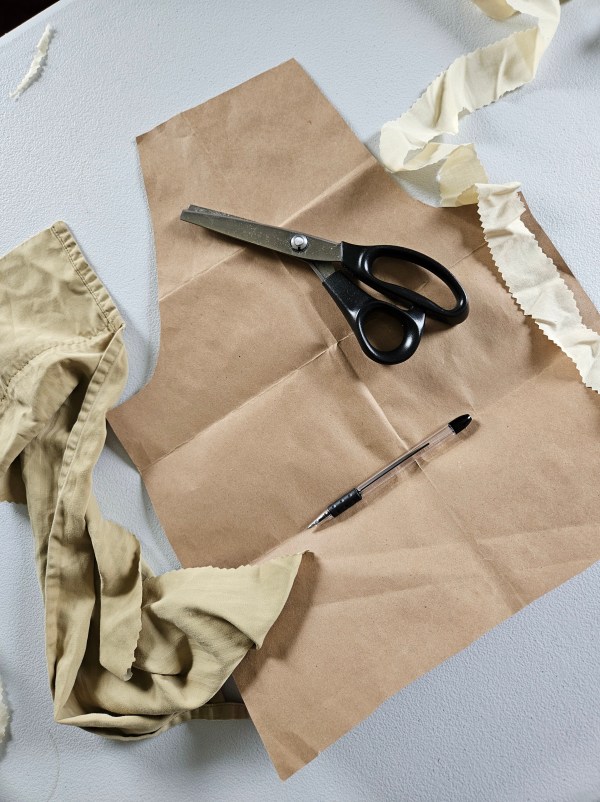
In the curve of seams, make a very small cut in the seam allowance, not the actual part of the seam you are going to sew. For structural integrity that’s important. You don’t want your seam to have a cut or it will rip. The cuts in the seam allowance give the illusion of stretch and help the non-stretch fabric curve without warping the line of the curve. It creates shape without bulk and proper fit. The quality of a garment, I’m learning is not the fabric quality alone, it’s the planning and care put into the construction. Proper pattern cutting can make or break the fit of the look you are going for.

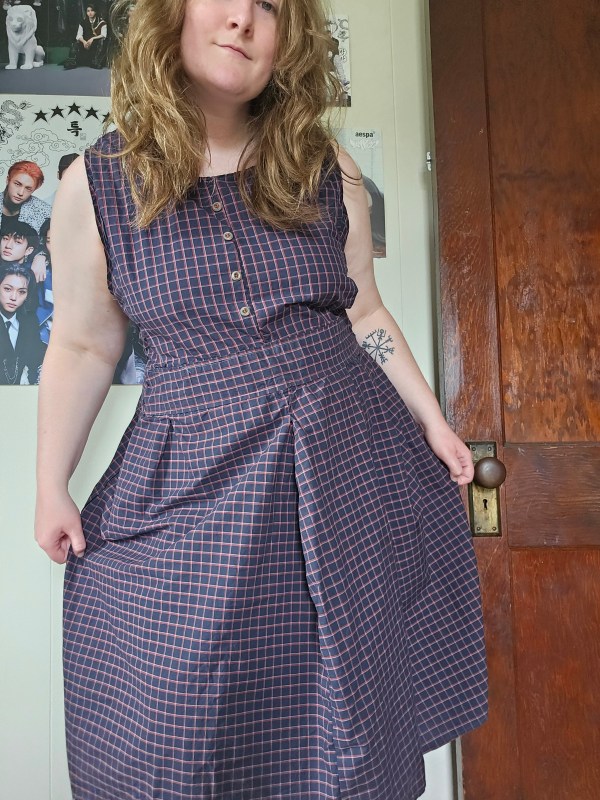
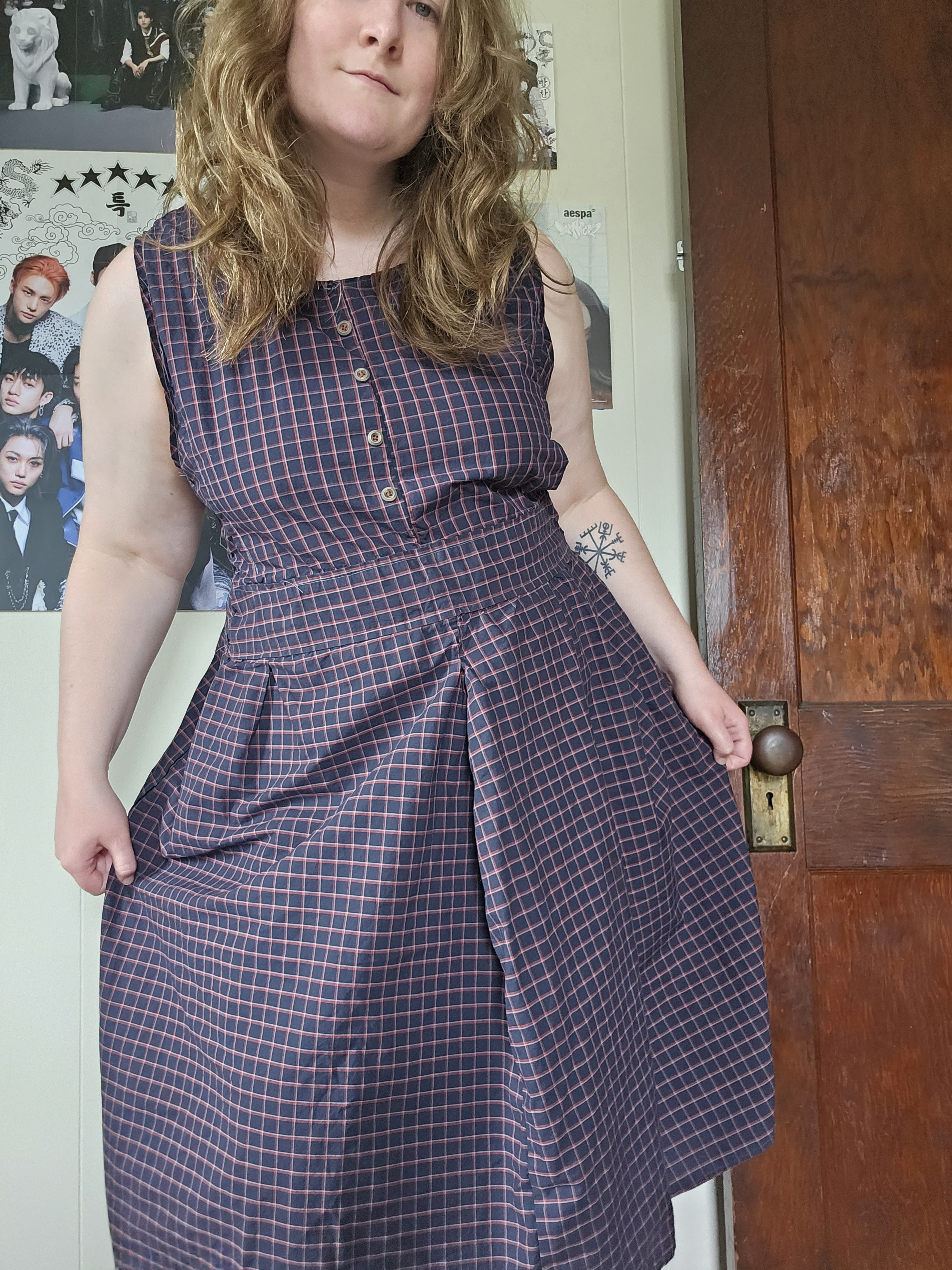
Potato Technology’s Version of a Vintage Shirtwaist Dress

You will recognize this fabric if you’ve been here since I shared my Spring/Summer 2023 collection. I originally purchased it for a Christmas present project as part of my Autumn/Winter 2022 Collection for a pair of pants. I happened to not share it on the site. With the extra yardage, I made a blouse and a matching skirt I styled in 2023 as separates and a set.

This got me thinking, should I just make it a dress? So I did, I sewed the two together with mixed results. I liked the dramatic drape of the shoulders in contrast with the defined waist but the fabric is thin and I knew I wouldn’t wear it as a long sleeve garment. So I chopped the sleeves to a flutter sleeve option.

This felt even worse when I wore it as a short-sleeved dress. The dress was constructed well, the fabric of good quality, and the color scheme flattering but I did not reach for it. The sleeves made me feel weird and wide instead of cute. I didn’t feel like me. Have you ever experienced that with a garment or a project you have made? There’s nothing technically wrong with what you made or what you tried on, but it feels off. This left me with one more option. No sleeves.

So I chopped the sleeves entirely and that’s when I felt like I struck gold! It looks like a dress my Grandma used to wear. Shirtwaist dresses were her staple dress and I see why. They are versatile and practical. I can dress this up or down. I can layer over or under for different looks. It’s a dress I know I’ll be making again with a proper button placket and pockets for sure.

My Experience with PDF Sewing Patterns

Earlier this year, when I was planning what I wanted to make as additions to my wardrobe I found a brown, I believe it is taffeta fabric, in my stash. I’ve been at a loss of what to do with it since I got it because it’s so different than what I usually sew with, but that’s a good thing! I know it will push me out of my comfort zone with its hue and shiny finish, so I want that garment to be special when I finally make something out of it. I do not want a repeat of the pink scuba pants!

I’ve pondered using it as a lining fabric for my pirate coat, I’ve also considered using it as an underlayer for a sheer fabric I have in my stash, etc. So far nothing felt right, aside from an idea I saw while watching one of my favorite sewing channels on YouTube. She makes fabulous dresses from self-drafted, big four paper patterns, and buys indie PDF sewing patterns that all turn out so lovely, I want to try them all.

So on a whim, I went first to Mood Fabrics’ Sewciety page to see what they had to offer in their free selection and eventually found myself on Etsy, looking at the exact dress pattern she made on a video I was watching. Spontaneously, I clicked purchase on a dress pattern and clicked instant download. A dress, I thought, that would be perfect! I can style it up and down, in heat and in snow, it will be my go-to piece! To quote Lee Corso, not so fast!

It was mighty easy, but also mighty paper-hungry. This was something I was not expecting. You see, as far as PDF patterns go, I knew they required printing, but I always thought it was like 10 pages max. It seemed like something that would be straightforward. You know what I mean? To my surprise, it was 29 pages of just the pattern plus 5 more pages for the instruction and sizing. Um, holy lots of ink!

Yeah, I was not expecting that from my first one. So I looked more closely at the Mood patterns I was browsing to see if those would be any better and I saw another flaw in my plan, the patterns specifically from Mood use a ridiculous amount of yardage. Like a mini dress was calling for 5 yards of 57″ across the fabric. I can make a mini dress in 3 yards or less. Is this just a ploy to sell fabric? Mood Fabrics’ average price is USD 14-18 per yard, multiplied by 5 and it is beginning to be a very expensive project if you follow the fabric suggestions. I have a lot of questions now.

But anyway, I went back to the Etsy PDF pattern and decided to throw caution to the wind and begin printing. And print we did! The gentle hum of the printer slider traveling to and through filled the room, with the chorus of the squeaky paper roller delivering page upon page of freshly printed pattern sections to be cut out and taped, onto the desk. As I sat, staring at the screen, I began to get fidgety. I began to look around the room and stare at my computer screen, eventually perusing the listing again, and I noticed one small potential problem in this plan. As the pattern maker was an American, I thought for sure the sizing would be in US sizes, but alas the numbers on the chart were slightly askew from the standard. And I realized two things I would have to face, comparing the yardage to the pattern and taking my measurements to determine my size.

It was a slip dress, so the 3.5 yards I had available on the opaque fabric seemed like an obvious choice. There certainly would be enough, surely there would be enough, but oh no, there wasn’t. The pattern wanted more. I also grabbed the measuring tape and prepared for battle because no matter how badly I didn’t want to care what those numbers said. Those numbers always intimidate me. So with butterflies in my stomach, I grabbed the tape measure and learned that it wasn’t going to be my weight that would keep me from being able to make this but my literal body proportions. My frame. My long torso. My straight up-and-down waist.

I didn’t fit into any size proportions, none. Going up or going down a size was all off. As the freshly-inked paper kept rolling off the presses I felt stress, uncertainty, and frustration at myself for being such a novice thinking this would be easy!

But why isn’t it simple? When I buy paper patterns from the big four it is simple! When I’ve looked at vintage patterns, yes there is a little bit of knowledge needed to understand the sizing – your measurements – but other than that simple! Was I really going to have to pattern hack or pattern grade specific pieces on this paid-for, already drafted pattern? Was it basically going to be as complicated as making my own from scratch?

In that moment, I was incredibly humbled. Here I was learning to sew, designing my own clothes, I want to turn it into a business with the most logical option seeming to be PDF sewing patterns, but my word, this is a tough product to produce! This is incredibly more difficult than I imagined and I don’t think this is how I want to contribute to fashion space. Because not only do you have to make the pattern, the instructions, and go through testing, but I think on a PDF format, if you don’t have a vast size range or even a curvy or athletic build variation, I don’t think the pattern is being done properly.

I could not make the slip dress pattern work because it was cut for an hourglass shape and I have a straight up and down waist, no matter how skinny I get, it’s never going to fit me properly without alterations to the lines of the dress. That discouraged me. I stopped the printing and chose to call it a mulligan. The same issues with standard sizing hit me like a wall in a place I never expected.

What the answer is, I don’t know. But I do know I think the PDF pattern market may be the same ship different day repackaged in a way that creates more work and potentially less waste? On that, I’m not convinced because it is so much ink and paper. I don’t know. It still felt like a lot of consumption was happening. It’s a shame. I feel like I accomplished nothing in the long run. I believe I’ve found a problem I’d like to address if/when I ever figure out how to make my own patterns. Thankfully there are a lot of creative people in this world who may be developing the solution already. I hope so.

What about you? Have you purchased an indie PDF sewing pattern? Were you pleased? Did you feel like it was easier than buying paper patterns or self-drafting? Thanks again for spending time with me today, dear reader. I hope you have a lovely day. ❤
Potato Technology: Back to Basics Collection

Almond Ribbed Wrap Top

Materials: 1.5 yards of stretch knit jersey. A remnant cut of fabric. This pattern was self-drafted by draping on myself and adjusting the lines with pen marking. As this was the first garment in this series, there was more trial and error with cutting pieces out of the fabric to reduce waste.

Inspiration: I was inspired by the iconic 1970s wrap dress, designed by Diane Von Furstenburg. I originally planned a wrap dress but scrapped the plan due to a lack of fabric. Because of this, there was probably 1/8 of a yard of fabric left over. With more practice, I’d like to reduce that amount to smaller pieces of scrap leftover.

Cherry Henley Ribbed Top

Materials: 2 yards of stretch knit jersey and 6 buttons. It is a heavier weight jersey and feels like a light sweater. This was a remnant cut. I developed my first official bodice pattern from this process.

Inspiration: 1900s men’s buttoned henley baselayer tops from the gold rush era in the United States. Think “old western” dramas, Deadwood, or Red Dead Redemption. I cut it oversized to carry the theme of it being a men’s garment. During the cutting process, I was able to utilize almost all the fabric with only 2-inch scraps being left over.

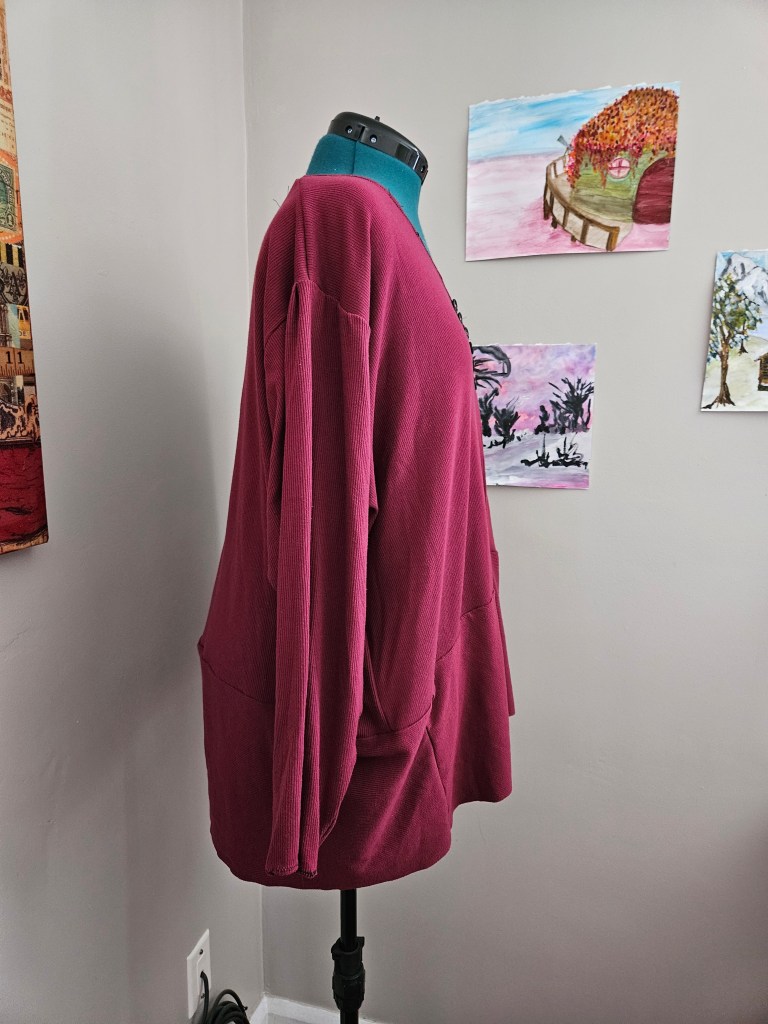
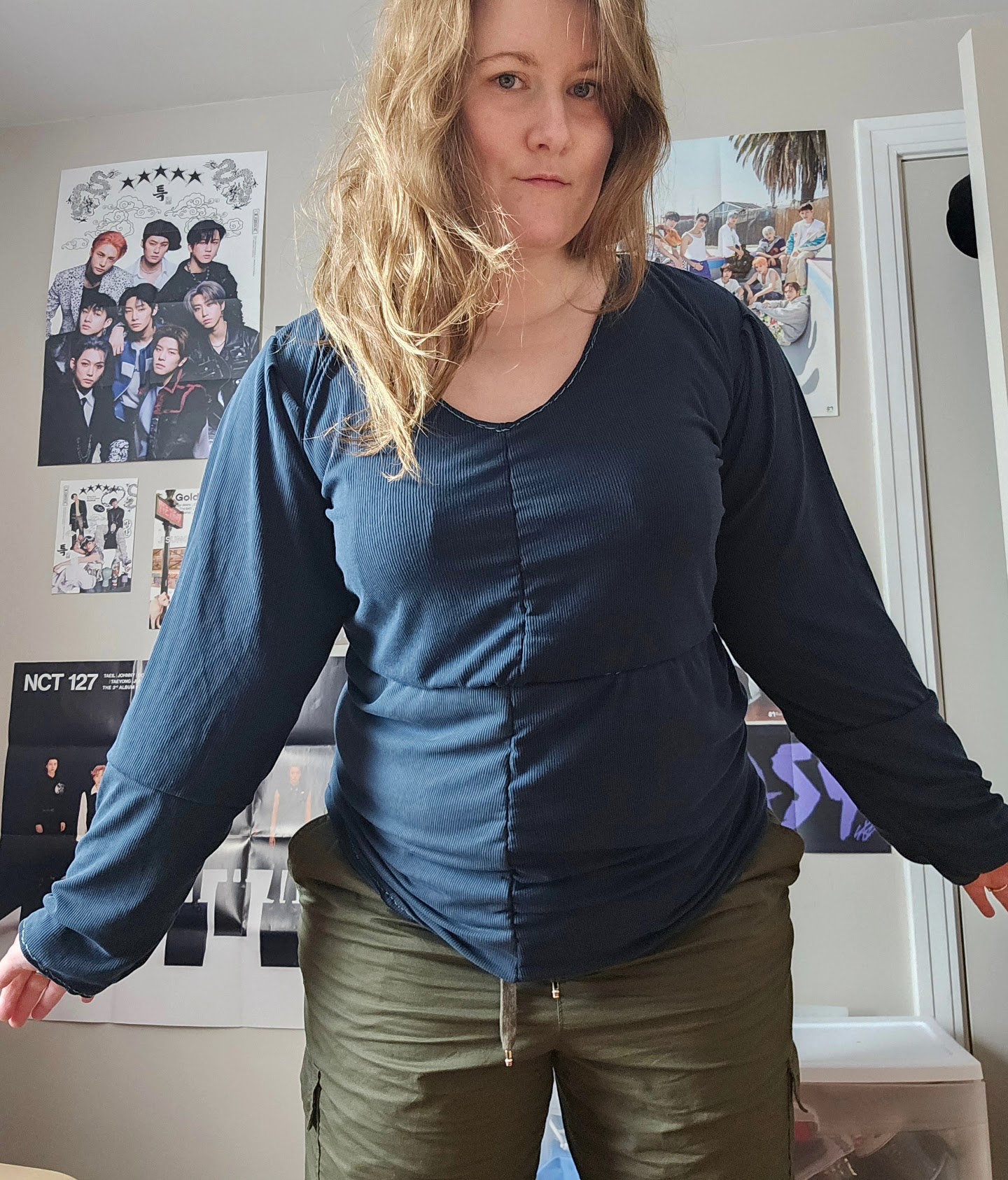
Stormy Seas V-Neck Tunic Top

Materials: 2 yards of stretch knit jersey. To utilize as much of the fabric as possible, I chose to get creative with my pattern cutting. To do this, I pieced together the bottom and portions of the sleeves to use up almost all of the remnant, with 2in or less scrap pieces left over.

Inspiration: I was inspired by the design lines of early medieval tunics. I like the simplicity of the lines and the lengthening effect it has on my proportions. For more information about Viking Age tunics, I recommend checking out Project Broad Axe for historical recreations and additional background on the history of Viking Age tunics.

Garments I Want to Try Making Again

Two summers ago, in 2022, I tried my hand at making dresses and separates with some mixed results. Some pieces I loved but had fit issues, some were poorly constructed and just fell apart, and some were made with the wrong materials for the project and were doomed to fail from the start. But as a new sewist who is self-taught, it was the only way I was going to learn, by experimenting and making and then doing it all over again.

In 2024, I’ve seen a huge jump in my skill level. I’m beginning to feel comfortable with the craft and I’m wiser about my fabric choices, which makes me think about these former projects. Could I make a better version of them? Have I leveled up my skills enough to do these projects justice and have them in my closet for years to come?

The Blanket Dress

Original Materials: Cotton Flannel, Satin Blanket Edging

Issues: Sleeves fall down and fabric stretches with wear. Not enough structure and bad pattern matching.

2024 Plan: Choose a cotton shirting with more body and keep the plaid pattern or if I stuck with the light cotton flannel, I would add a lining to give structure. Pattern match when cutting out pieces because I can tell I didn’t try at all! Add tie to the back shoulders to keep the sleeves on my shoulders. Add a button placket or zipper to fit the dress to my body better. I would make the bodice even, because I can see how each side of it is a different length.

Will I make this again? Most likely! It is one of my favorite pieces from my early designs.

Amalfi Coast Girl Slip Dress

Original Materials: A very lightweight polyester silk that I found on clearance at Joann Fabrics.

Issues: Very thin, made me paranoid. Being a slip dress I felt uncomfortable, like I forgot to get dressed.

2024 Plan: Lining! I would line this 100% now because that was just silly. I would pick a better fabric though, this one was hot and difficult to sew. I would also fix the bunching in the skirt and fit the bodice better because it looks messy.

Would I make this again? Yes! Potentially this summer if I find the right fabric.

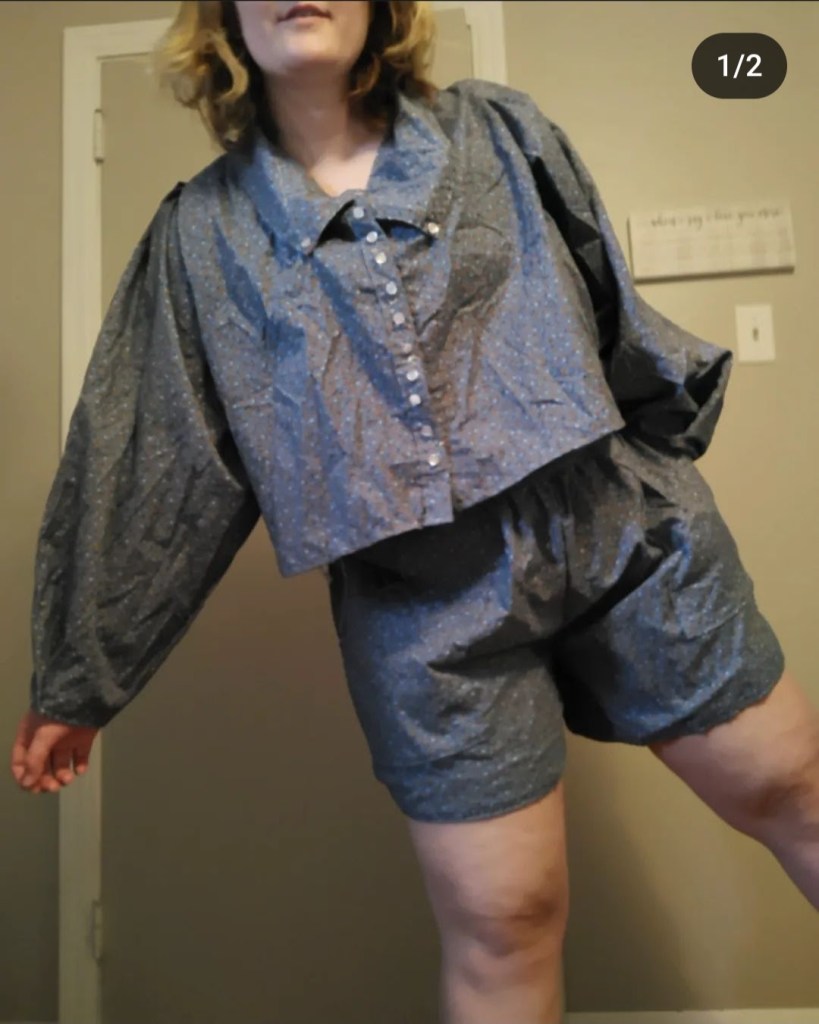
“Linen” Two Piece Set

Original Materials: Vintage Quilting Cotton from my Gram’s stash. Snaps and buttons (because button holes scared me).

Issues: Not real buttons, this was a hassle. The shirt was a bit short and too boxy. The shorts were an absolute mess because I didn’t have a french curve or a proper pattern to make shorts from. The seat was too narrow and the the rise too short, the waist band I didn’t fold over so it provided no structure. A side zip and snaps were an okay closure but they never felt truly secure.

2024: I would buy the cotton gauze fabric or buy linen for the look I wanted. The quilting cotton made this feel like pajamas and it made a little unsure about wearing it out. I would make a proper fitting pair of shorts this time and a real button holes. Other than that, I’m quite pleased with my original idea.

Would I make this again? Yes, it was chic and comfy, if only it had been constructed better I may still have it.

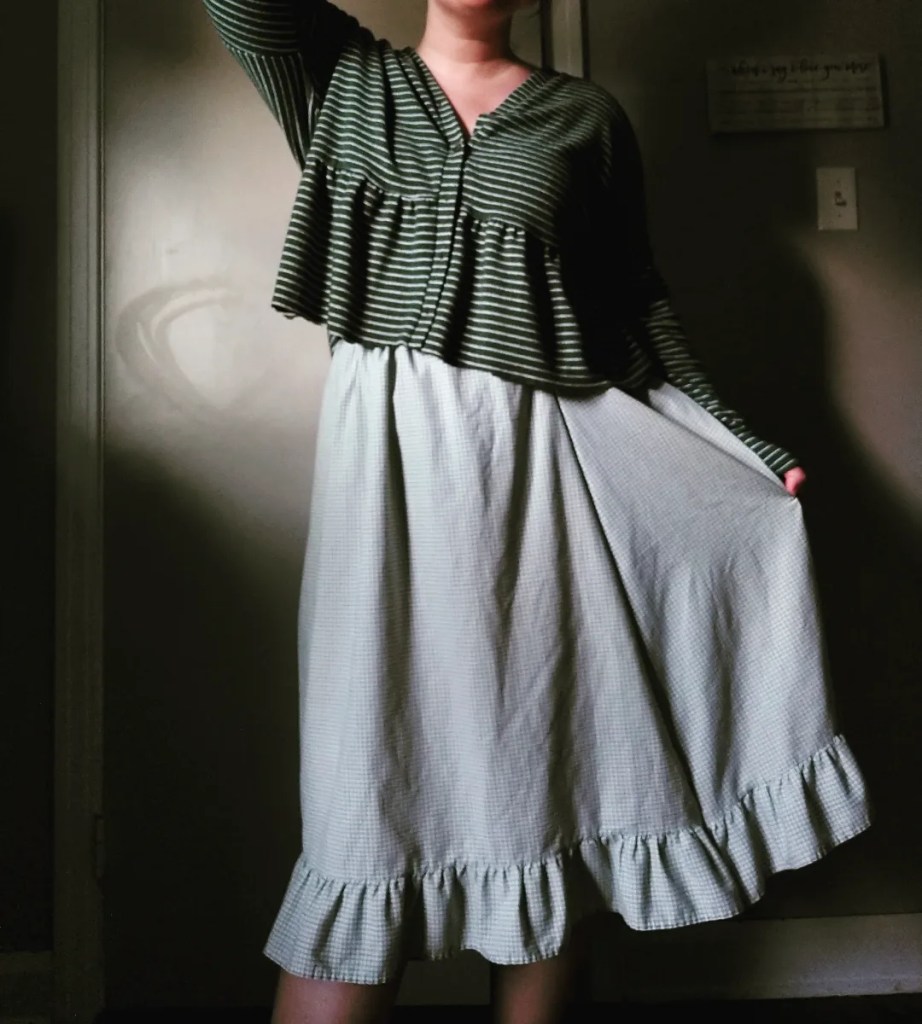
Cropped Cardigan and Ruffle Skirt

Original Materials: Two upcycled pillow cases and a hand-me-down dress I cropped into a cardigan.

Issues: The pillowcase was stained and see through. The cardigan was made from a fast fashion piece that was terrible quality that made it feel weird on the skin. I like the appearance of this look more than I did wearing it.

2024 Plan: Opaque quilting cotton or shirting to feel comfortable. Knit the cardigan in a cotton yarn or a linen yarn to make it versatile for Spring, Summer, and Fall.

Would I make this again? Yes, it’s already on my to do list. I would wear this for so many things.

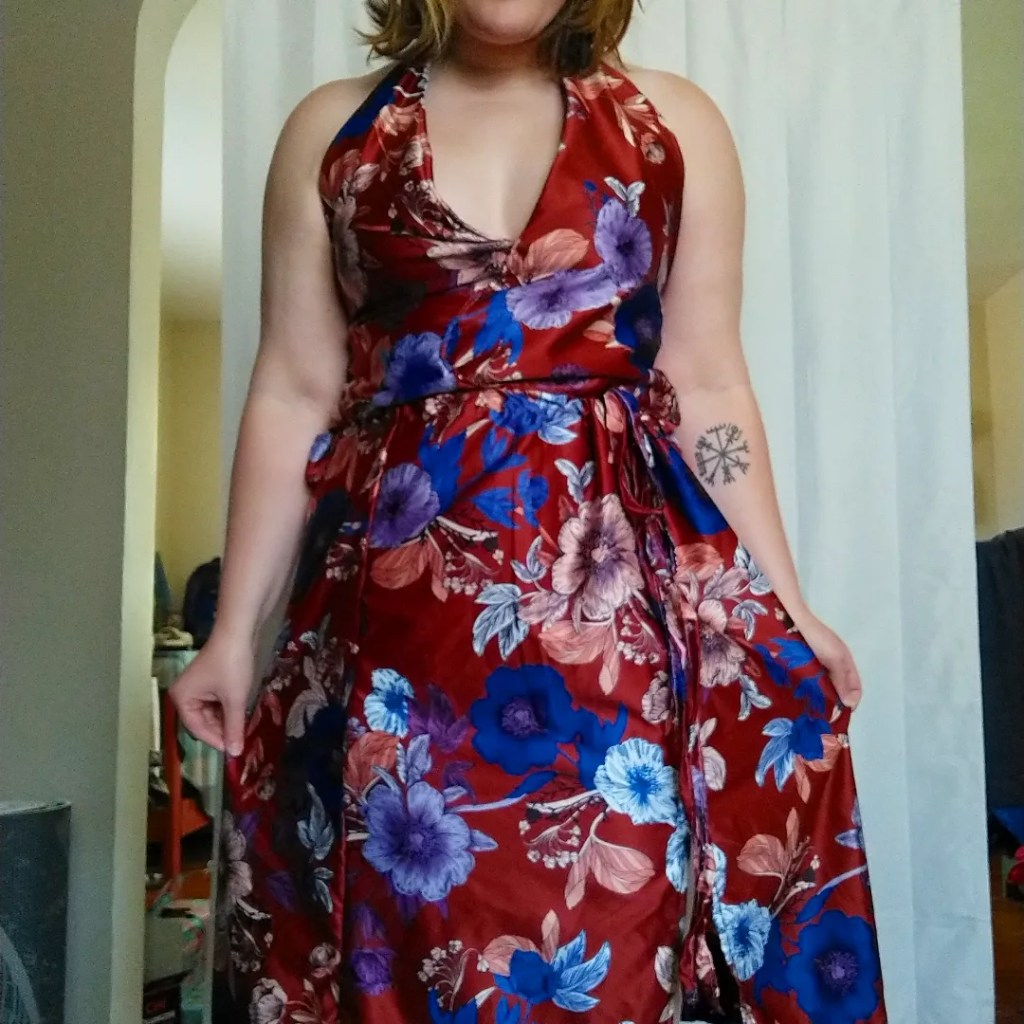
Silk-ish Halter and Wrap Skirt

Original Materials: A satin polyester from Joann Fabrics. Snaps and a tie made from the fabric.

Issues: My halter top gaped, it was poorly draped and did not feel secure at the back snaps or neck snaps. The skirt did not have enough volume. I didn’t feel like myself in it.

2024 Plan: I would properly drape the bodice and add bust cups potentially to the top. I would also not make it a two piece look because I wouldn’t wear the pieces separately. The fabric was nice and I would use something like it again, although I would love for it to not be polyester.

Would I make it again? No, it doesn’t fit into my wardrobe. I would use a similar fabric again for a dress, but not a halter dress.

#14 – Blanket Dress

A satin hem. Rosalina of the Mario universe. A blanket that has been an heirloom for 50 years. Comfort at the final moments. These are ingredients that wove together my inspiration for this unusual dress design.

This was a project of perseverance. I initially wanted to make a long midi dress with a shirttail hem. It was supposed to have a button placket and straps instead of sleeves. The mockup was not pretty! I felt like a thick column of plaid, compared to the easy breezy girl walking the beach I had in my mind.

As a maker, what do you do when the pieces are already cut? There’s no going back. Especially if it is a self-drafted pattern, which it was. You have to sit with it and see the piece for what it has become. Accept that your choices led you to this destination and figure out how to keep moving forward. It’s just like life and how things that happen, good or bad, shape us into the people we are today.

Some days I feel like pattern pieces that don’t fit together, but other days those pieces I can see make something beautiful. It’s all about the perspective we see the world in. Mine comes from God’s word and so I know that God is working all things for the good of His Kingdom. (Romans 8:28)

Making the Best of Things

But how do I apply that to a failing project? I try to see each project as worthy of improvement. Instead of getting frustrated and quitting, I try to give the materials the respect to make the best possible garment out of what the fabric is providing. It was plaid, casual, and oh-so-cozy to the touch! Those are good qualities! So I tried it on again and tucked the skirt so that it hit around the knee- it looked pretty cute! I decided it was time I hacked it off. This part is always nerve-wracking but thankfully I cut it straight.

With the dress in two pieces, the bottom portion of the skirt no longer looked like a skirt. It featured that shirttail hem I mentioned before, which curved like a familiar shape. I realized if I turned them upside down they looked a lot like the curve of a sleeve! A lovely oversized bell sleeve that would insert easily into the already sewn shoulder straps. Perfect.

Looking whimsical already, and giving me Rosalina from Mario vibes, I went digging through my stash for a specific trim – satin blanket edge binding. Suddenly this uncertain design became a dress of nostalgia.

On my bed, since I was a little girl, I had a blanket with a satin edge binding. It was a blanket similar to my grandparents’ one on their bed through 52 years of marriage. When Papa was sick he had a small blanket with a satin blanket edge binding on his hospital bed. He kept it there through the isolation of lockdown. He gave it to me as he passed on, and it now lives in my trunk.

End of Project Wrap Up

This dress even in its upcycled state still had some fit issues that have kept me from wearing it like a closet staple, but this project reminded me that sometimes you got to make things that evoke emotions and memories. Things that make you happy! When I see that style of blanket on my bed I smile because it reminds me of the memories that have shaped me into the person I am today. I know that if they could see this dress my grandparents would be amused and that brightens my day.

In the future, I hope to re-make this dress with either a stretch fabric or a stretch cotton twill that will help with the shape. It slides off my shoulders so I may need to add a tie across the back, spanning the opening of my shoulder straps, or create a snap system that can attach to my undergarment. I think this dress could be fun in another print or maybe a solid. There are a lot of possibilities to explore!

Create a website or blog at WordPress.com

Up ↑