
On the Saturday before Christmas, Magz and I met at our favorite local coffee shop to hang out and discuss our plans for and thoughts about the 2026 garden. While it was definitely a low-key affair, it was a productive meeting, and we left the coffee shop with clarity over our upcoming garden. Items we discussed included:
- Vegetables we want to grow again vs. new vegetables we want to try vs. vegetables we won’t grow again in 2026
- Growing habits/types of vegetables that we are interested in
- Seeds vs. starts for each vegetable
In the end, we were able to refine our approach to the 2026 garden and feel confident in our plan. Here are some of the decisions we reached.
What Vegetables Are We Growing in 2026?
There are a number of vegetables that we have decided to not grow again in 2026. They are beets, carrots, tomatillos, greens, and bok choy. We were unsuccessful in growing beets and carrots in 2025 and have never had luck with bok choy as much as we love them. We’ll likely revisit all three again in the future. We didn’t enjoy eating tomatillos as much as we thought, so we won’t dedicate garden space to them again this year. Finally, we enjoyed the mustard greens we grew, but we ran out of ideas for how to use them. They needed to be harvested all at the same time, and it became overwhelming.
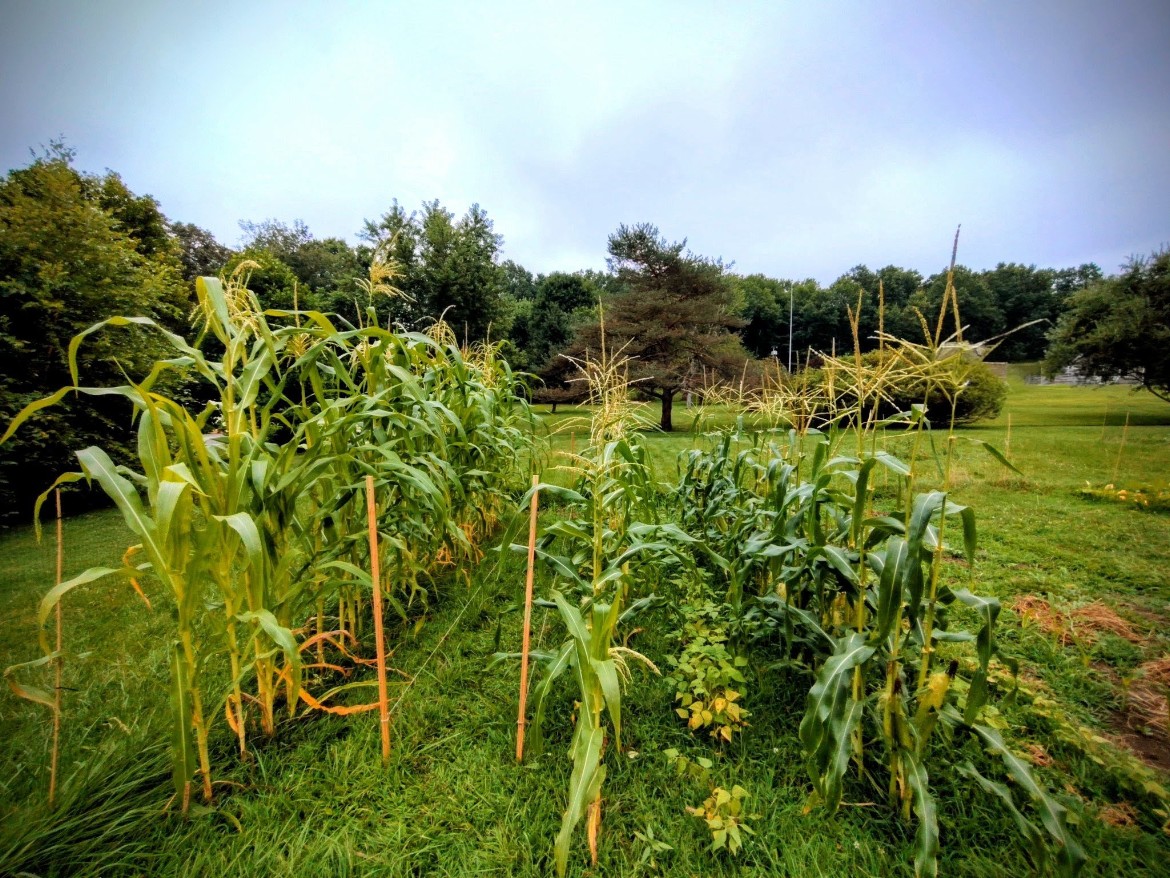
The vegetables that we’re growing again in 2026 are beans, broccoli, bunching onions, corn, cucumbers, eggplant, ground cherries, melons, peas, peppers, potatoes, pumpkins, squash, and tomatoes. We either had success with all of them in 2025 or want to have another go at growing them.
Finally, there are three new vegetables that we want to try: leeks, okra, and cauliflower.
Varieties We Won’t Grow in 2026
There are also a number of varieties that we attempted to grow in 2025 that we won’t try again in 2026, but it doesn’t mean we’re writing off the entire vegetable or fruit. These are:
- Melons: Tigger, Ali Baba, Noir des Carmes, and Kajari
- Beans: Chinese Red Noodle Yard Long
- Squash: Zapallito Del Tronco
- Tomatoes: Yellow Pear, Queen Aliquippa
There were various reasons for not growing these varieties again. Some were because we didn’t like the flavor (Tigger, Kajari), others were because of the texture (Chinese Red Noodle Yard Long bean, Zapallito Del Tronco), and determining when the tomatoes were ripe was a nightmare. Finally, the Ali Baba watermelon probably would have been delicious, but it requires a longer growing season than we can consistently expect and want a shorter-season watermelon for 2026.
Growing Habits/Types of Vegetables That We’re Interested In
In 2025, we learned what growing habits and vegetable types that we like and dislike growing. That was refined during our meeting:
- Beans – As many bush habit plants as possible, with one or two pole bean plants sprinkled in.
- Cucumbers – Fewer plants overall, with most having a compact growing habit.
- Melons – Short-season varieties, with an emphasis on ones that were bred for cooler environments. Also interested in growing varieties that can be trellised.
- Tomatoes – As many determinate varieties as possible, and none that stay yellow or green when ripe. They’re too difficult to know when they’re ready to be picked.
A common theme is that we want as many compact plants as possible. While we have plenty of room in our garden, my preference is to not have vines all over the place. Last year, we had vines intersecting each other, which made it difficult to know where each vine originated. Plus, with compact plants, we can actually plant more things.
Seeds vs. Starts
Last year, I was all about starting as many varieties from seeds as possible. We did end up buying some vegetable starts from our local greenhouse, including tomatoes, peppers, eggplant, tomatillos, and ground cherries. This year, we’re going to be really intentional about what vegetables and varieties we buy seeds for and which ones we get starts for.
For example, if it’s a new vegetable we haven’t successfully grown before but want to try, we’ll likely buy starts for it. Broccoli, cauliflower, and ground cherries fall into this category. We want to get really good at growing a vegetable before trying to start it from seed, removing one potential point of failure. There are also some vegetables, like eggplant, that we bought starts for and had a lot of success. We simply want to replicate that success in 2026. We’ll also likely supplement our tomatoes with starts to increase the likelihood that we have plenty of tomatoes for sauce.
Basically, it boils down to this: if it’s a vegetable we have experience with, we’ll grow it from seed. If it’s one we’re inexperienced with, we’ll buy a start.
Final Thoughts
If there’s going to be a theme for this year’s garden, it’s “improvement and refinement.” We want to get really good at growing the vegetables we are already good at. We’re placing an emphasis on growing fewer varieties and vegetables but having a high success rate with the ones we do grow. Last year, we were so excited to have an in-ground garden that we picked far too many varieties, and toward the end of the season, it became a bit overwhelming. This year, we’ll have fewer varieties but grow more of each variety and have an abundant harvest.
Now that we’re in the new year, the excitement is building for the upcoming garden. All but one of our seed catalogs have arrived, and we’re starting to narrow down what seeds we’re going to order. It’s wild to think that we’re only a few months away from getting back into the dirt.
 One Rabbit Riot
Leave a comment