
Writing about the garden in fall with winter on the way has been more difficult than I anticipated. I’ve been busy with painting my office, work, planning some woodworking projects, and trying to relax some. My plan is to write posts during the gardening “offseason” that require research, like the one last week about the accuracy of first and last frost dates. But this week, time got away from me a bit, and I didn’t start on anything. Instead, I decided that I’ll go over some of the changes that we’re planning for next year’s garden.
Converting the Space by Our Porch Into a Container Garden
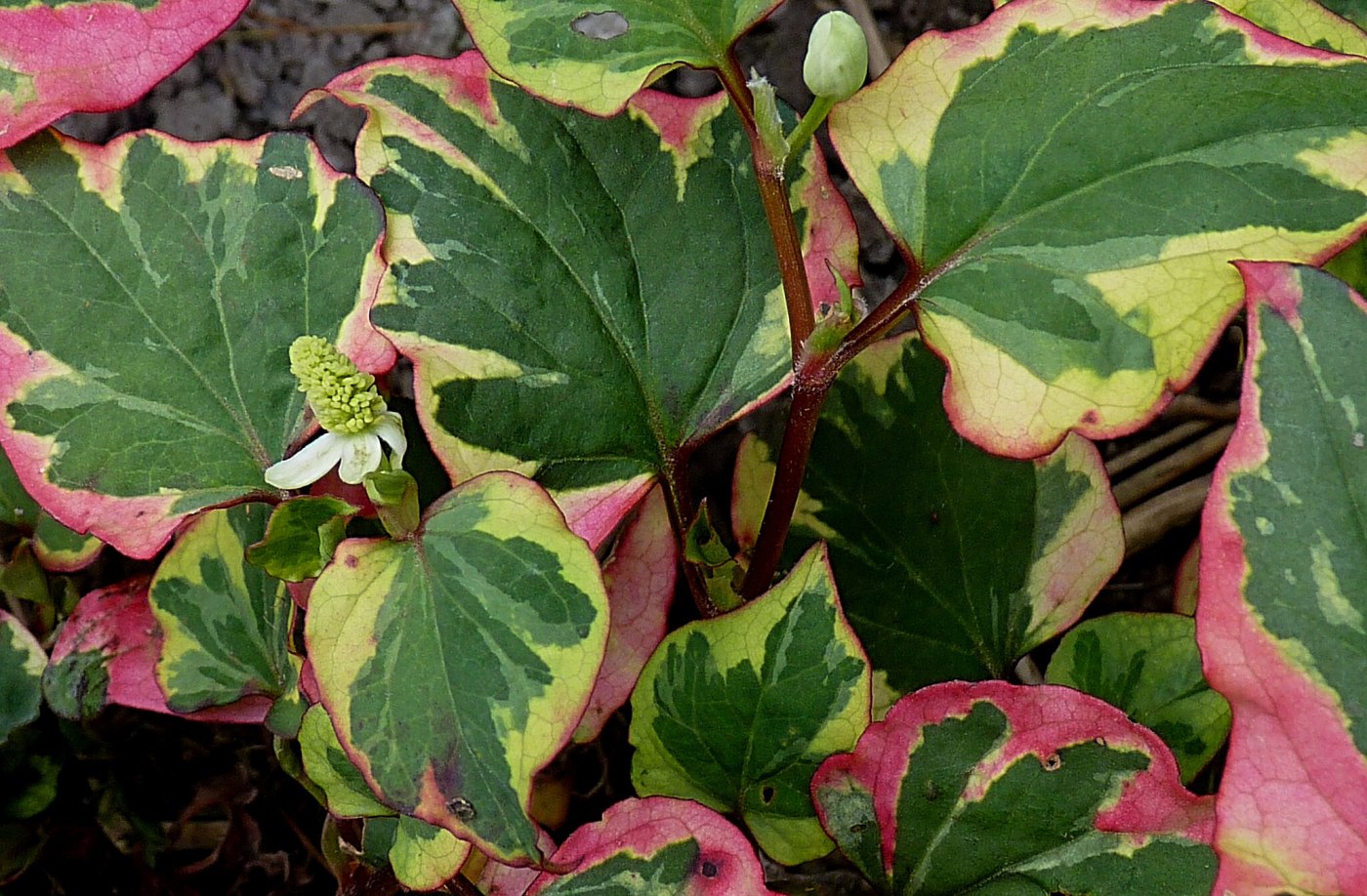
There is an area off our back porch that has dirt in it and is bordered by rocks and landscape timbers. I don’t think that the previous owner or the tenant who lived in the house ever attempted to grow vegetables or flowers in the bed because the soil is poor quality and shallow. Also, at some point, someone planted a chameleon plant there, and it has taken over the entire area. If you’re unfamiliar with the chameleon plant, it’s an invasive species that grows native in Southeast Asia. People used to plant it a lot because it can grow in virtually any condition and has pretty flowers. However, it also takes over everything because its rhizomes spread underground, making it difficult to kill.

Magz and I have disliked this plant since we bought our house and learned what the plant is. Last summer, I thought I could kill it with a string trimmer, but that only temporarily slowed its spread and released a smell that can only be described as disgusting. This year, we took a different tactic by using chemicals. Round Up and other common herbicides didn’t work. We learned that a combination of Dawn dishwashing liquid, salt, and concentrated white vinegar may work, but it didn’t. We eventually bought glyphosate, which was impactful. It actually kills the leaves and the root system, and we got it under control enough that we thought we could plant vegetables in it. Late in summer, we tried to plant some squash and pumpkins in there, but that didn’t prove to be successful, as the chameleon plant came back since we couldn’t continue to spray it with glyphosate. That leads us to where we’re currently at.
Originally, I thought that the best plan was to build up the retaining wall and rock border, kill the chameleon plant, lay down some landscaping plastic, and bring in fresh soil to plant in. Magz had a much better idea given how much soil that would take and still not knowing if the chameleon plant would eventually reappear. Her idea is to kill the chameleon plant and lay down landscaping plastic, but then, instead of bringing in soil, we buy gravel/small stone to pour on top of the plastic. With the plastic fully covered, we will then buy containers to grow potatoes in.
This will allow us to still use that space without needing to worry about the soil quality or if we’ll ever be able to grow in it. We also will get to grow potatoes again, which we struggled with this year and had none to harvest. We’ll also be able to use a space that was previously unusable and make it beautiful, similar to English gardens. The area gets plenty of sunlight, so nearly every type of vegetable can grow there. We also have some outdoor furniture that we’d like to have in this area where we could sit and read a book or simply relax.
Adding Another Garden Bed & Potentially Adjusting Our Existing Beds
We still have plans to expand our garden for next year. This year’s garden consisted of two large gardening areas with five beds. Next year, we want to expand the one area to add a fifth bed to it. Our yard is still a bit larger than we’d like it to be, and there are plenty of additional vegetables that we want to try growing as well as some that we want to grow more of. We also want to have our property be a certified wildlife habitat, which requires having a lot of natural plants that benefit pollinators, birds, and mammals. Additionally, we want to grow flax as part of the PA Flax Project with the goal of regrowing the textile industry in our state. With flax, we can harvest the fibers that get spun into linen, which is one of the best wearable fabrics.
Our original plans for this year’s garden consisted of having this extra garden bed, but we ran out of time. It’ll be a lot easier to create this new bed with the other ones already established. We’re going to get started on creating this bed as soon as this week once a shipment of glyphosate arrives. We attempted to buy it locally, but our town’s Tractor Supply was all out for some reason (even though they had plenty of Christmas decorations to buy). Once it arrives, we’ll spray the area for the new bed as well as the existing beds in order to finally kill all the grass that we battled this year. We want to finally have the grass knocked down so that we only see soil.
The other thing we discussed is converting one of our existing beds into a raised bed. The drainage in that bed is poor, and when we get a lot of rain, it gets swampy. With a raised bed, we can eliminate that problem. However, it does require railroad ties to establish the bed’s boundaries, so we’ll see if we want to spend that money next year or let it go another year.
So, those are our plans for changing how we grow things moving forward. We want to more effectively and efficiently grow vegetables, and we feel this will help accomplish that goal. Do you make a lot of changes to your garden on a yearly basis? Have you had any experience with the chameleon plant, or is there another intrusive plant that gives you fits?
 One Rabbit Riot
Leave a comment