

A couple of weeks ago, I wrote a post on the 5 hardest seeds to grow this year. If you haven’t read it yet, I recommend checking it out. In it, I went over the 5 seeds that I’ve had the most trouble with this year. It could have been the result of an error on my part, poor weather, or something else entirely, but for whatever reason, I couldn’t get them to grow.
Today, we’re going to look at the 5 seeds that I’ve had the best luck growing this year. I didn’t treat these seeds any differently from the ones listed in the previous post, yet they took off and are growing abundantly. With each seed, I’ll go over what has made them a success and why I think each was easy to grow. Let’s dive in.
5.) Queen Aliquippa Tomato
I’ve written about this seed so many times that people will get sick of it. We didn’t know this tomato variety existed until we saw it in this year’s Sow True Seeds catalog. They’ve been selling it for years, but this was the first year we requested their catalog. As a refresher, this tomato variety is named for Queen Aliquippa, a Seneca nation leader who lived in Pennsylvania during the 18th century. She is so well-known in Western Pennsylvania that a town, a school, and businesses are named in her honor. In fact, the town of Aliquippa is only 10 minutes from where Magz and I went to college.
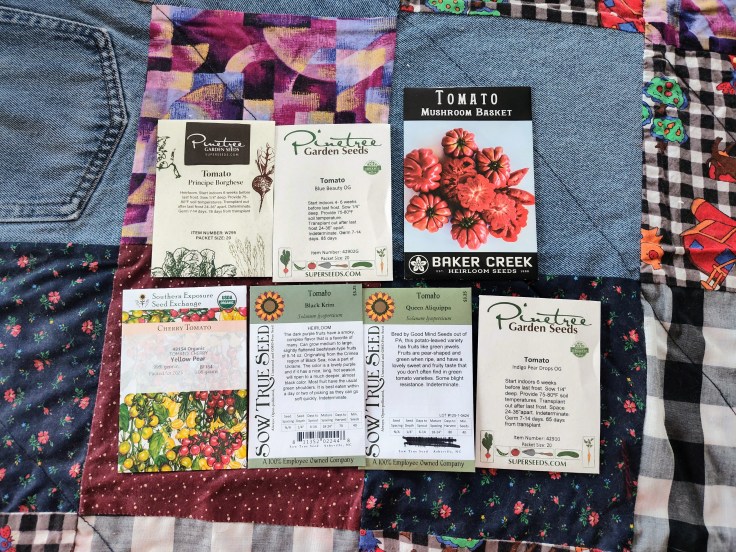
These seeds could have been a bust, and I still would have been happy we bought them. Thankfully, that hasn’t been the case. Of the first batch of tomato seeds I started, only 3 are still alive, and 2 of them are Queen Aliquippas. I treated the Queen Aliquppas the same way as the other tomatoes; however, the others didn’t take off.
These plants have gone through a late Spring that resulted in them getting leggy at the start, multiple torrential downpours, and a week of excessive heat, but they remain our best-looking tomato plants. We have since transplanted a few more plants that I started later, and they are also looking good. The Queen Aliquippa tomato plant is unique among the others we’ve grown. It has potato leaves that aren’t serrated like a typical tomato plant. When ripe, the fruit will also mostly stay green with a bit of amber at the bottom. To this point, we’ve loved growing this variety, and assuming we like how they taste, we’ll continue to grow it in future years.
4.) Seminole Pumpkin
These pumpkins have done exceptionally well so far. We have plants that were started indoors and transplanted outside and ones that were direct sown. Regardless of how they were started, they’ve grown well. We don’t know how many of these plants we’re growing because I misplaced the labels when transplanting the ones I started from seeds, but we think there are 3 or 4 of them. The ones that were transplanted have vined out about 2 feet from the roots and are getting ready to produce flowers. The ones that were directly sown are smaller since they were started later, but all of the plants look healthy.

Even though these are called pumpkins and have pumpkin leaves, the fruit doesn’t look like a typical pumpkin. It’s buff-colored rather than bright orange and reaches about 6 inches in diameter. They can be stored for up to a year but can also be picked early as a summer squash. These have required little attention. Since transplanting or starting them, we’ve made sure they have been consistently watered, and I side-dressed the older plants with some bone meal. If you’re looking for a smaller and historical variety to grow (these were grown by the Seminole people of Florida) and you live in a hot and humid climate, you’ll love these.
3.) All Corn Varieties
Before we started gardening, a common remark I’d hear was that growing corn is hard or not worth having in the garden. I don’t remember any family members trying to grow it. Now, that could be because fresh sweet corn was plentiful and cheap where I grew up, so it may not have been worth the effort in people’s minds. Magz and I first tried growing it in containers in 2022 and had success with it. We had 3 stalks in each tote, and they produced small ears that were delicious.

This year, we bought 3 varieties: Hopi Blue, Black Iroquois/Mexican Sweet, and Butter & Sugar. The Hopi Blue is a flint corn for grinding into meal or flour, the Black Iroquois/Mexican Sweet is a dark-kernel sweet corn, and the Butter & Sugar is the common bi-color sweet corn. We planted a row of each on the same day in May after the threat of frost had passed. Immediately, we had a week of heavy rain that totaled more than 3 inches. I was nervous that the seeds had washed away because some of the soil had been relocated, exposing the seeds. We covered them over again, and within 2 weeks, nearly all of them germinated.
At this point, all 3 varieties are doing well. The Hopi Blue is more than 4 feet tall already and can grow up to 9 feet tall, while the others are about 3 feet tall and should only reach 5-6 feet tall. Yesterday, when I was checking out the plants, I noticed the tassel developing inside the leaves for the first time. Corn is an easy, low-maintenance vegetable to grow. Besides weeding and watering, the only thing I’ve done is give the plants consistent nitrogen. Corn is a heavy feeder, so it needs extra nutrients to reach full height and develop big, full ears. If you’ve been on the fence about growing corn, it’s worth a shot. It doesn’t require a lot of work, and seeing corn grow is a beautiful experience.
2.) All Cucumbers
Cucumbers are another vegetable we’ve had success growing in the past. In our container garden, we grew a pickling variety, and we were pulling multiple ripe cucumbers off it daily. This year, we bought 3 varieties to grow: Boston Pickling for pickles, Tendergreen, which can be harvested for pickles or left on for slicers, and Richmond Green Apple, an Australian heirloom. We were also gifted 2 starts of a burpless variety from our neighbor.

I started the 3 inside and transplanted 2 plants of each variety into the garden. At the time, they didn’t look good. Like other plants, they were leggy at the time, and the weather wasn’t friendly to growing cucumbers. However, within a couple of weeks, they took off and now have blossoms on them with small fruit growing. The starts we were gifted also weren’t healthy when we transplanted them, but they’ve taken off and have produced 2 fruits already. These have required little maintenance other than a side-dressing of fertilizer. We may need to trellis or stake them at some point, but up until now, they’ve grown nicely without any assistance.
Bonus: Most Melons, Squash & Pumpkins
Because I didn’t want to have a listing for all melons, squash, and pumpkins, in addition to already having all corn and cucumbers, I wanted to add an honorable mention or bonus section. In this section are all melons, squash, and pumpkins. The Seminole pumpkin deserved its own listing, but most of the things I wrote about it apply to all of these. Quickly, these are all the melons, squash, and pumpkins that we are growing:
- Ali Baba Watermelon
- Noir de Carmes
- Tigger Melon
- Hokkaido Pumpkin
- Black Beauty Zucchini
- Candy Roaster Melon
- Golden Glory Yellow Zucchini
- Queensland Blue Winter Squash
- Zapallito Del Tronco Zucchini
- Ping Tung Eggplant
- White Scallop
- Kakai Winter Squash
- Jarrradale Pumpkin
- Dark Green Yuxi Jiang Bing Gua
- New England Sugar Pie Pumpkin
Of the above seeds, the only ones that haven’t done well are the Black Beauty Zucchini, Golden Glory Yellow Zucchini, and the Ping Tung Eggplant. I don’t know why the zucchinis didn’t do well since they were planted at the same time as the Zapallito Del Tronco, but they didn’t. Only 1 Black Beauty and none of the Golden Glory seeds germinated. The eggplants were started indoors and never got to the point where they could be transplanted outdoors. The others have all done well.
I started a lot of the squash, melons, and pumpkins indoors. They immediately took off, but we couldn’t transplant them right away due to the weather. As soon as the weather broke, they were moved outdoors, but I had little faith in them doing well. All but 3 of the plants lived and are thriving. We also directly sowed a bunch of them later in early June, and they’ve done exceptionally well. All of the plants look healthy and are growing vigorously. What’s most interesting is how all the squash, all the melons, and all the pumpkins have similar leaf structures and growing behaviors, but have subtle differences between the varieties. For example, the Seminole pumpkins have silver lines on the leaves that the other pumpkin plants don’t.
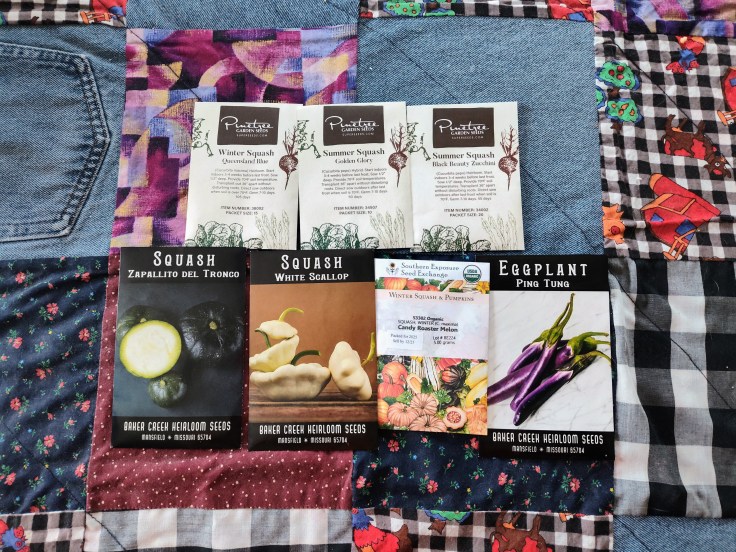
We bought additional seeds (these are the ones in orange text) in late June to have a wider variety of pumpkins and squash. To put into context how quickly and easily these grow, I started them on Saturday evening. By Tuesday morning, the Hokkaido had germinated, and by Wednesday evening, the Dark Green Yuxi Jiang Bing Gua and Sugar Pie Pumpkin seeds had as well. Consistent moisture levels, full sun, and warm temperatures are the perfect recipe for these. If you find a variety you are curious about, give it a go. Odds are that it will do well.
1.) Provider Bush Bean
I love beans. In the United States, we’ve done a horrible job of educating people on how many bean varieties there are and all the ways we can use them in food. In most grocery stores, the only fresh beans you’ll find are green beans, and you may find some edamame or snap peas, which aren’t beans but are similar enough to include them here. I think that a lot of Americans picture canned beans when they think of beans. Whether these are green beans, black beans, pinto beans, or kidney beans, the average American doesn’t envision bags of dried beans or fresh varieties that are a color other than green. I’ve grown bush beans in the past, but this year, we found ourselves interested in growing other varieties.

American history is filled with people of the past growing bean varieties that were vitally important to their culture and heritage. Baker Creek sells a variety that was found in a New Mexico cave and dates back 1,500 years. In the South, Southern peas (also known as asparagus beans or Cowpeas) were preserved by slaves as a way to save their heritage. It’s the same in Latin America, South America, and Asia – beans (and all seeds) tell stories.
We attempted to grow 5 varieties this year: Kebarika, Jamapa, Red Bush, Provider, and Chinese Red Noodle. We’ve had moderate success with the Kebarika and Jamapa and nearly no success with the Red Bush beans. However, the Provider and Chinese Red Noodle beans have excelled. I planted the Chinese Red Noodle beans in a planter box I built, and they are currently climbing the trellis to a height of 7 feet.
I planted the Provider beans in our bed with the Kebarika and Jamapa, and they’ve done pretty well. They’re not real tall yet (about 18 inches), but are still growing and have started to flower. But when our Red Bush beans failed (only 1 successful plant among a full row of seeds), I planted more Provider beans in the same row around the lone Red Bush bean plant. So, it was the same growing conditions. Within 2 days, almost all the seeds germinated, and at the time of writing this, the plants are nearly the height of the Red Bush bean plant, which is more than 2 weeks older. As Magz pointed out, the name Provider is pretty on point. These plants provide.
So, there it is. These are the (more than) 5 plants that I’ve had the easiest time growing this year. All have a few things in common: they grow in spite of the weather, my mistakes, and questionable soil quality. They’ve all required little maintenance and make you believe in yourself as a gardener. Have you tried any of these varieties? If not, I recommend giving them a go. Do you have any favorite seeds to grow?
 One Rabbit Riot
Leave a comment